Being a music reviewer is like playing a neighborhood game of softball. Most people just toss the ball at you in an underhand heave, figuring you’re probably too incompetent to hit it most of the time. Every now and then one comes in at a crazy angle, either because it’s the one kid who can pitch even if he’s tossing you a giant rubber ball with the aerodynamics of a bison turd, or they let the retarded kids play. Either way, that crazy pitch is one in a hundred, and I live for those. Either it’s the rare CD that has some intent behind it, and some feeling to it as a result, or it’s some immaculately oblivious basement dweller here to amuse us with failure. The rest fail just by being ordinary, unexceptional and therefore, completely forgettable.

Kayo Dot – Coyote: This King Crimson tribute project likes to use diminished melodies, atonality, and chaotic combinations of instruments, but at its heart it is pop music with a simple variation on a common theme — instead of using pairs of riffs, the band assemble their phrases in groups of three so that you can shift between them and feel a sense of motion without unnecessarily complexity intervening. Many songs rely on long passages of “building up” harmonic energy through texture, which are like fun jams that then dissolve into structured song again. Songs vary enough to keep interest but are aesthetically unfulfilling as they aim for an aesthetic of randomness and barely remaining organized, which flattens the emotional dynamic possible because every moment is a cliffhanger. In addition, the vocals are like a really bad version of Sigur Ros and will annoy most people who like aesthetically coherent experiences. The most common mistake in making progressive music is to throw everything but the kitchen sink into the pot and hope it sticks, but the best bands always worked from a very simple plan and then spun layers of detail off of that. The horns dominate and guitars are relegated to rhythm and noise. Individual instrumental performances are excellent however so if you are a basement guitarist hit this like a cuffed protester.
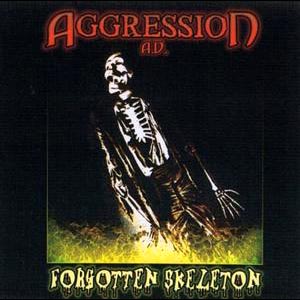
Aggression – Forgotten Skeleton: If you crossed Nuclear Assault with Dissection, and gave it punkish choruses borrowed from Cryptic Slaughter, you’d get Aggression. Lots of classic speed metal riffing that will delight anyone who really loves the period after Metallica but before the Dark Angel/Kreator/Destruction/Sodom influenced morphed into death metal, and linear riffing that’s reminiscent of Powermad. On the whole, it’s somewhat random like Destruction and the chanted choruses over the offbeat kickhappy drums sometimes makes me want to make origami out of an IQ test, but this is a credible effort. I just don’t want to hear it again.

Daughters – Daughters: If you crossed Mindless Self Indulgence and Talking Heads with the Beastie Boys, you might get this whacky indie band that uses drums like an industrial band and keeps a theatrical, almost vaudeville level of hysterical intensity with lots of background noise. The vocalist half-talks half-sings and the guitars follow a song structure of extended versions textured in found sounds and different guitar riffs but essentially like all good dub following the same rhythm. Unfortunately, it’s also abrasively annoying because it is essentially simple with many distracting sounds packed into its core. “Daughters” has a spacious sonic profile and weaves some catchy riffs cloaked in noise throughout it, delighting those who thought post-rock should be weirder than slowed-down shoegaze/emo mashups.
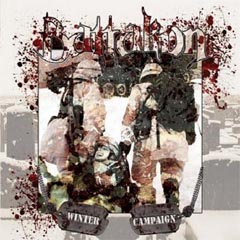
Battalion – Winter Campaign: I keep a clay pigeon launcher next to my reviewing station, and when a disc irritates me beyond all reason, I send it flying out over an oblivious world. This is bounce metal, this Battlion stuff, which means it’s like Exhorder crossed with something jaunty and stupidly hard rock like Motley Crue. Although they use a lot of death metal riffs, the majority of playing time goes to riffs which are straight out of the most cliche days of speed metal: chuggachugga chuggachugga chug chuggachugga chuggachugga chug, chug . It is so obvious you have to hold your head up to avoid slumping into a stupor. Not sleep — who can sleep with all of this noise? — but a stupor as if you had someone present to you a 19-hour lecture on how to pick your nose. Mundane is the word. Throw this out as fast as you can find it.
Grave Miasma – Exalted Emanation: There’s a recent spate of these “simplified Incantation/Demoncy” bands. The only one I like so far is Cruciamentum; they vary just enough to be a solid B level death metal band. Teitanblood and Grave Miasma are so obvious it’s just painful to listen. Grave Miasma in particular seems to draw inspiration from Grave, who would use basic chromatic progressions in the most obvious way in rhythmically very basic ways, such that the boldness of it made you want to like it, as with early Napalm Death. But then you’d reflect on it and realize there wasn’t much there unless you really enjoyed the guitar tone. So it is with Grave Miasma: standard song forms, plodding progressions, little harmonic or melodic development, and not particularly compelling rhythm — unlike Demoncy and Incantation, who used minimalism creatively, this is just minimal. I’d like to love this, or I’d love to like it, but I don’t want to listen to it again.
Zs – New Slaves: Tribal drumbeats with metallic noises for harmony, deconstructed sound and effects, and a wailing saxophone make up this experimental band that uses the dub structure of layered sound. The beat established early in a song almost never changes, although it may cease at strategic moments, as in a primal ritual; within the spaces between beats, additional percussion instruments lend their timbre as an electric guitar and/or saxophone make repetitive oddball sounds with minor textural variations, giving the sensation of the album slowly surrounding you like chocolate icing. While most will not have the stomach for the abrasive wall-of-noise technique, the ritual rhythms and ceremonial pacing to each song make it an enigmatic sonic wallpaper for the background, reminiscent of the K.K. Null/Merzbow project “Absolute Null Punkt” if hybridized with The Electric Company.
Diamondsnake – Diamondsnake: This band cracks me up. Well-known ambient dude Moby created it with some of his friends from non-succeeding metal bands. It sounds like middle period Motley Crue done by pop punk brats Blink 182, with lots of extra cheese and sleaze, more with tongue-in-cheek irony than attempting to really provoke a parent or legal guardian. For hard rock listeners, this album is about as clear as anything else in the genre, and has some retro appeal with its very “Quiet Riot 1985 turned up to 11” sensibility. One oddity is that the production is so thin and designed to resemble a pop band, because the reedy hum of guitars cannot compete with today’s louder and thicker sound. However, it captures vocals, which with infectious four-note melodies are what really drive this band, since the riffs are if not generic at least cut from historical archetypes. Like most popular music, it’s children’s songs — really basic 3-4 note patterns repeated as “melodies” — but it’s catchy, fun, and not half as bad as most of the trve kvlt releases we get here.
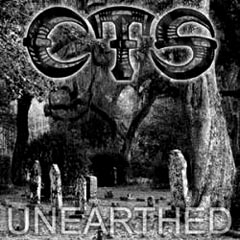
Catapult the Smoke – Unearthed: Stoner metal is about half Black Sabbath, with the other half being filled by the rock heritage that comes into metal through bands like Cream, Led Zeppelin and Iron Butterfly. This CD contains competent stoner metal with unsteady wailing for vocals, but its essence is rock ‘n’ roll wrapped up in a bunch of metal riffs. In fact, it could well be a case of regression to the mean; this band is not substantially musically different from the Night Ranger clones of the 1980s, but they used lower tuning and have a greater vocabulary of metal riffs, namely Candlemass and Cathedral. Song structures are very much radio rock and these songs suffer greatly because there’s no emotional dynamism in them, where we feel a sudden change in difficult emotions that has the effect of stepping onto a three-story water slide and riding out of control. Instead, these songs claim a space and fill it, but there’s not much internal change or feeling of any emotional conflict, so they end up being more like leaving a fan on at night for comforting white noise.
Vuohivasara – The Sigil: Sounds a lot like Niden Div 187, namely fast melodic violence with lots of chromatic fills and a basic riff/chorus construction. Not bad, not as good as Mythos.
Trauma – Daimonion: Metalcore-influenced modern death metal, reminds me of a cross between Pestilence and Eisenvater, but it does the thing every bad metal band does which is repeat a basic rhythm through everything. Vocals/guitars synch and chant. Riffs are very similar too.
Master – Slaves to Society: Paul Speckmann is a genius of metal who sometimes leaves things half-finished as he does with this album. Riffs are similar, and guitar wankery fills in the gaps. In addition, his chorus-chant heavy metal just makes for repetition. There are some awesome moments but it’s not Master’s best.
Beherit – Unholy Blessings: Compilation of demos. The early demos sound like the first album, the second album demos sound like the second album played hastily, and the live set is chaotic and brilliant but not really something you need recorded. Blasphemy cover is a nice touch. I love this band but don’t see the point to this bootleg.
Skeletonbreath – Eagle’s Nest, Devil’s Cave: I like this because it reminds me of what Carbonized attempted to do on their second and third albums, which is leave rock music and jazz behind by giving songs a pattern of development more like that of a movie soundtrack. Using drums, adroit bass, and a violin, Skeletonbreath create carnival-esque longer songs that resemble soundtracks for the greatest movies you’ve never seen. These songs have clear theme and develop through a series of melodies that comment on one another, creating a real sense of atmosphere and through change, emotion. One of the more interesting CDs I’ve heard recently and musically, head and shoulders above the rest.
Xasthur – Demo 2005: Xasthur is easy to like, at first listen, because it’s actually musical in the formation of its riffs and use of vocals. The problem with Xasthur is that songs don’t go anywhere; this is the same problem every “Burzum-influenced” band has, which is that it’s much harder to string together riffs into an atmosphere than maintain it with one riff and a few breaks. This demo represents the furthest evolution of Xasthur in that songs vary between several moods, like how in your average house, you end up in one of three rooms most of the time. It’s very pretty but doesn’t stand up to repeated listenings.
Wiht – Wiht: First track sounds like a cross between Capricornus and Celtic Folk; it’s very bouncy and very intense on repetition with layers of simple technique on it. Sounds a lot like early Abigor mixed with Samain and early Hades. Not bad, but needs more direction.
The Austerity Program – Backsliders and Apostates Will Burn: Melodic punk music interrupted by extended periods of bass/drums while some dude sings a faux Jim Morrison/David Bowie melodic ramble which is not so much directed as responding to itself. The chaotic result is really abrasive for the most part but has its moments of beauty. I’d like to like this CD but it forgets about the listener and has made a theoretical object instead. Most people will as a result find it annoying.
Antediluvian – Under Wing of Asael: This is like a death metal version of war metal. Take some of those two-chord rhythm riffs that Blasphemy made big, add a musically unrelated fill, and make it a song… then repeat. It’s not bad, it’s not great, it’s on the low side of good but too repetitive to listen to again.
Pyramids with Nadja – Pyramids with Nadja: Often when reviewing failed black metal projects, my thought is that the musicians involved are simply in the wrong genre. Our personalities determine our ideologies, and from that what we find good and what we find bad, and if those don’t match up with the genre, we’re out of place. Nadja the shoegaze emo black metal band is insipid crap; here, however, with personnel from Pyramids as well, the Nadja people are in their element and a great album results. This most reminds me of Mick Harris’ Lull fused with post-Godflesh project Final, if supervised by My Bloody Valentine, because it is layers of organic sound like distorted guitar usually not even playing notes so much as skimming strings and using vibrato directly; they use bass as percussion much like Final does, and layer their distorted waves like My Bloody Valentine, but the sense of songs arising out of silence through chaos into pleasing drones is pure lull. Piano serves here as a guiding voice that brings the surging noise back onto something resembling a melody; voices can be heard, like a Greek chorus in distant space represented by reverb, filtering through. The result is pure texture like noise music, but it’s a texture that takes harmonically related notes and builds from them a fullness that is gentle and intricate enough to hold the attention. This is where these musicians belong; burn your Nadja CDs, because they are nothing in comparison to this.
Aosoth – Ashes of Angels: This is very similar to Anael, in that they use a couple of additional power chord shapes to fake a sonic tapestry. Dissonant chord, consonant chord. Always a binary, like a nu-metal band: here is soft and sensitive, and now it collides with rough and tumble. This technique is as old as 1987, which is when I first heard it and these chord voicings used by emo bands. This release doesn’t understand the spirit of old school death metal, or how it’s composed, and the result is a boring, lukewarm, soulless and repetitive listen.
Cleric – Regressions: Metalcore mixes hardcore, emo and metal into music with the compositional style, pacing and chord shapes of hardcore, but often throws in metal riffs, textures and vocals. The result is like a bag of kittens, each one scrambling to be nearer to the top, and the result is pure chaos. Cleric throw in some droning guitar feedback that’s quite pretty, some odd pauses and lots of prolonged open chord strumming, but musically this is no different from 100,000 other bands since 1987.
Apostasy – Sunset of the End: This album inherits the worst of speed metal, which is lots of strumming in the background while drums race to keep up and some dude “white guy raps” over the top. They’re good at their instruments, and know that intersection of riffing between Artillery and Destruction that is so fertile, but it doesn’t hold together. My head hurts.
Blut Aus Nord – Memoria Vetusta II Dialogue with the Stars: When an album like this comes out, Mossad should be dispatched to the homes of the perpetrators to find the “Black Metal Paint by Numbers” kit they used to make this. Even the worst band made by 15-year-olds is preferable because in its randomness, it is not predictable. This is entirely linear and pulls every trick to sound black metally. There is no direction; it’s a school assignment, “write a black metal album.” And it takes forever to end.
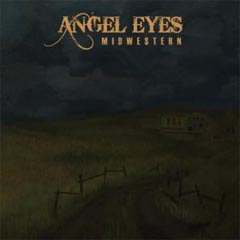
Angel Eyes – Midwestern: Alternating between droning higher-end sound that resembles a siren Doppler test through a smoky sky, and a very basic hybrid between sludge metal (Eyehategod) and stoner doom (Sleep), Angel Eyes create a post-rock opus that almost escapes its roots in indie, emo and modern hardcore. Songs unfold like a rambling house with rooms of different sizes built onto one another in a gradual process of accretion. There’s a room for spacy electronics and heavily reverbed guitar throbbing across a mostly empty sonic platform, and there’s a room for metalcore riffing with about 50% more indie rock taming it from incoherent raging into sensible sound. There’s even the room — shows up frequently, like a storage room linking two wings — for a lack of distortion while simple sweeps echo radiant through the ears. Much of this material succumbs to the linearity of non-linearity, where it both tries to be out there and because it needs to be listenable, shapes its deviance around a very simple core. However, many songs develop in interesting and poetic ways. The weak spot in this band are the predictable elements it inherited: the metalcore riffs are predictable and don’t add much to the song, and the vocals are really pointless. Dropping those would let these guys do what they’re good at, which is designing sound like a playground, with interesting nooks and slides and tunnels and bridges to explore even though you know you’ll end up back at the sandbox eventually. If you want an example of post-rock you can believe in, this would be it.
Cenotaph – Saga Belica: Bands commit suicide after albums like this. The interesting facet is that it’s a cross between later speed metal, like Destruction, with symphonic metal like Emperor or Therion. That means lots of Testament-style riffing that bounces around a chord while vocals rage all over the place, then the verse/chorus slurry runs straight into a pause and keyboard fill, then accompanying guitar/keyboard melodic run. It’s as ludicrous as it sounds, and this album is as directionless as you might imagine. Sad as this was a once-epic band.
Harvey Milk – A small turn of human kindness: This music is really obvious. It’s really stylized, but really obvious. I don’t think anything else matters. If you fall for this, you like listening to first-turn-off-the-main-road variations on metal riffs from the 1970s which, because they’re in a dramatic format full of lots of high school drama student Pauses, are assumed to constitute songs. But songs don’t happen here. Loops of riffs do, and then there’s a bunch of noise and something that sounds like a Walrus on PCP howling, and then the song “peaks” by being super-chaotic then smooths out into normalcy, which is the usual boredom. If you were fooled by Boris and Opeth, you might like this, but otherwise it’s just a treacle of boredom tugging at your heels.
Cerebral Effusion – Impulsive Psychopathic Acts: This is straight off-the-shelf deathgrind of the Y2K+ variety. Breakdowns, pauses, lots of long battery runs with blastbeats. Not incompetently composed but the style is so painfully blockheaded that it’s hard to want to hear.
Dark Half – Reborn: Standard punk music played with metal flavoring, namely a minor key and some metally riffs. For the sense of tempo alone this band should be shot over an open pit, but the completely shrinkwrapped standard black metal riffs dumb this down even further. For bonus points, it’s half speed metal so you get the same hackneyed fifteenth-rate ripoff riffs that have been around for thirty years. Songs go nowhere, but you guessed that by now. If this band were an individual, it would be on the police blotter for stealing empty safes. People waste their lives trying to make themselves like crap like this.
Desexult – Demo II: For your convenience, we have compiled all of the blockhead riffs from the first month’s practice of every metal band ever created. It’s like Hellhammer, but without the insightful incompetence; it’s just sort of part of the ride. I can’t imagine why anyone would keep this around.
Disaffected – Vast: Painfully predictable technical speed metal/death metal. Obviously, these guys listened to a ton of Testimony of the Ancients, but never got their act together to find a style or direction. Lots of speed metal riffs and “wait for it” off-time paused-based riffing, like Pantera on a Dream Theater kick. Plenty of shredding but little going on. Save yourselves before it’s too late.
Disgorge – Consume the Forsaken: Standard totally incomprehensible deathgrind of the Y2K+ variety. Breakdowns, chug-a-lot, blast beats, gurgling vocals and very similar riffs. In fact, this band seems to specialize in the non-riff, or the linear chord progression played with different rhythmic emphasis. It’s a real brain drill, this CD, as you try to remember what you were thinking before the incessant chug-gurgle-blast invaded your mind. What was I saying?
Eradication – The Great Cleaning: Much as I stand behind the idea of killing off the stupid, this band missed at least one, which is this album. Predictable melodic black metal with dramatic pauses and blasts. The result is insipid because it recycles the past without a direction, so you feel surrounded in make-work interpretations of other, better bands.
Ereshkigal – Ten Years of Blasphemy: God is safe from these blasphemers. Really, really safe. This really lukewarm black metal merges the truding mid-paced sound with the goofy, placeless keyboards that Master’s Hammer could use to effect but Ereshkigal manage to use like some bizarre punctuation that intrudes wherever, somewhere, a retard shits himself. It’s not even interesting enough to be random. How did they not fall asleep when writing, or recording this stuff? Oh well just send it to the pressing plant, someone will like it. Anyone… anyone…?
Execration – Syndicate of Lethargy: Guys, you didn’t forget anything. You didn’t leave anything out. This brutal blasting death metal incorporates melody, Gorguts-style odd timings and melodic fills, and New York style harmonics and stop/start riffing. The problem is that it’s disorganized, so you get a ton of unrelated crap that has to streamline into the linear to complete itself. And then it’s boring.
Exmortem – Nihilistic Contentment: For a metal band, it’s easy to confuse “frenetic” with “has content.” This very busy — “chaotic” — thrashing madness has constant clanging bass, battering drums and whirring guitars. What it doesn’t have is any particularly unique or insightful view of the world, or an aesthetic experience that rewards consciousness with an expanded view of life. Instead, it’s like cramming your head into a tiny box and then beating on the sides with your tiny impotent fists.
Fatalist – The Depths of Inhumanity: Oh fucking awesome, it’s just like the early 1990s when the Swedish death metal gods ruled the world. Except that somewhere along the way, Fatalist lost its soul. They’ve aped the sound of the guitars, and play derivative riffs at the same pace, but the songwriting is a mess. Sure, all these riffs are in the same key, but they don’t relate to each other that well and aren’t that interesting. To compensate the guy doing the vocals rants in a really predictable cadence. The result is mind-numbing and lacks all of the interesting song structures, melodies and atmosphere of the original Swedish death metal, or any music more competent than jingles in commercials for cleaning products. If you wanted to know what it’s like to be a retarded child, listen to this extensively.
An Albatross – The An Albatross Family Album: This CD tries to capture the experience of taking bong hits while you flip through a random selection of cable TV channels, with a metal CD going in the background and something really intense on your mind. They patch their songs together from metal, punk and indie riffs broken up with sound samples, keyboards, and radically sonically different interludes and transitions that resemble the intensely emotional conclusions of nature channel documentaries. Much of this music plays with being on the edge of deliberately super-annoying, and so will fail the “do I want to listen to this again?” test, but as an exploration of pushing the limits of style, it raises some interesting issues that someone else could develop in a more coherent and expressive way.
Faust – From Glory to Infinity: Very linear music, embellished with technical metal frills, but this cannot disguise the basic blockhead approach and lack of aesthetic opening that defines this music. Reminiscent of a faster and harder version of later Rotting Christ, this is melodic metal trapped in the middle of absolutely predictable overractive rhythms. It’s a mishmash of speed metal, Meshuggah, and death metal riffing that ends up just wearing you down with its insistence. This band really needs to just step back and figure out what they’re expressing. This is a highly competent mess.
Faustcoven – The Halo of Burning Wings: This is hiking music, meaning that it keeps building on a single two-step throbbing rhythm and hopes you follow along. I’m sure there are tasty granola bars, and maybe topless female hikers at the next rest stop, but this is boring as hell. Trudge, chant sing-song verse, then chorus and dick around with some riffs before you end the song. I’m trapped in that two-dimensional mirror thing they used to store bad guys in the Superman movies. LET ME OUT
Child Abuse – Cut and Run: The postmodern music of the late 1990s onward has confused cause and effect. When music is unique, the cause is a unique view of life and a burning desire to express it (put it into symbols and sound). When music is not unique, you cannot make it unique by dressing it up in everything “different” without making a mess that’s both chaotic and annoying. Child Abuse sounds like what would happen if a nu-metal band decided to make grindcore with math-metal and metalcore influences. Lots of odd noises, weirdly bent guitar riffs, and then standard grind/punk riffing while vocals shriek and feedback imitates the stall warnings of a 747. This really is not a path to success.
Faustrecht – Demoniak: Now that every metal band has an intro, let’s be sure to include one. Make it especially wandering and pointless. Then speaking of wandering and pointless, let’s put together high-speed Venom-style riffs and Donald Duck quack over the top. Even better, let’s keep it as verse/chorus as possible. Minimalism is like being closer to Satan. Then a really catchy chorus, but don’t make it too distinctive, or it might offend our advertisers (lobotomy wound care products, no doubt). So it ends up insipid, but that’s convenient, because so is the rest of this disaster of an album. I’m sending it to the Large Hadron Collider people because “Demoniak” is so bad it will make time itself slow down. Hope you’re not feeling your mortality while you waste irreplaceable seconds on this turd.
Fear Factory – Mechanize: Staying true to the title, I think they outsourced this album to a Perl script. It does that annoying white boy rap thing for the verses, and then choruses are the dude howling three syllables over and over again. It’s like the worst parts of Godflesh and NIN, but they added VNV Nation style techno touches. But we’ll be DIFFERENT and throw in some singing to make you know hey, it’s not like the other brick-stupid obvious stuff out there; there’s SINGING! Did we mention the SINGING? Still it’s so driving yet invariant and depthless that it’s good for nothing more than driving your parents, if you’re deaf and so immune to this wreck. I think they clearly designed this for people new to music who don’t mind really obvious and prosaic music so long as they get the message. And with this degree of high volume repetition, there’s no way to miss it.
Fractal Gates – Altered States of Consciousness: This sounds a lot like early Nuclear Assault to me, but with death metal vocals and uptempo. Good melodic hooks, riffs are obvious but not out of place, and there are some pleasant melodic diversions. Very Gothic in its use of melody, like a short bus version of Gehenna or later Rotting Christ. I wouldn’t call it profound, and as a result, wouldn’t listen to it again, but it’s far more “together” than most of the shit in this review pile.
Funeral Moth – Funeral Moth: The good thing about a gimmick is that you don’t have to work on the content of what you do. Let the gimmick sell it. You’re a Japanese doom metal band; what else do you need? Never mind that Winter, Thergothon and Skepticism all did the very slow riffs thing better and they did it by developing those riffs. Just get totally linear. No one is going to be listening anyway, because they’re too busy talking about how you’re a JAPANESE DOOM METAL BAND. Exotic, dude. Pass the PBR, and continue half-listening to this insipid hipster nightmare.
Gammacide – Victims of Science: You wanted some chaotic speed metal? Good, because this is pure chaos. Fast riffs flow into faster riffs and then they get into the staple of 1980s speed metal, the trudging riff that’s basically a lot of fast strumming of a recursive but rather slow progression. Chanty vocals with jaunty rhythms are par for the course too. But there’s a reason this band never really took on the world. This stuff has personality, but you wouldn’t say it really nails it, or expresses anything interesting about life. It’s there and it’s metal.
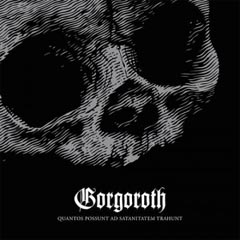
Gorgoroth – Quantos Possunt Ad Satanitatem Trahunt: Droning misery. Constant drumming. Harsh background screams with predictable rhythms. If this is Satan’s music, I’m getting a Bible. Interestingly, other than the fast strumming, this music is identical to the mediocre crap that came out of the late speed metal era, including the riffs that are based on Slayer patterns but, to distinguish them, random notes get tossed in. When you think it can’t get any worse, they do a “dramatic” pause and then start up, or throw in melodic black metal riffs that are about as new as erosion. If you are busy doing something really difficult, you won’t notice this background noise is pointless and boring. But listen to it? It has the soporific effect of a televangelist’s sermon.
Grabnebelfursten – Schwarz Gegen Weiss: It must be that Reader’s Digest is offering a series of helpful articles on handy home repairs and making symphonic black metal. These riffs sound like the guitarist is feeling them out and just trying semi-random stuff as he goes, and the composition modus operandi of this band is to find something they like and pound it into the ground, then toss in something totally different so you don’t get bored. The result is circus music that’s comedic in how little it relates to itself, or anything else. Vocals are also of that ptomaine poisoning hurl that sounds like the vocalist is straining to keep up with the random clatter beneath. I think they should refer to this as “suicidal black metal” because unless you have the option to turn it off, death may be your only deliverance.
Gravferd – Demonized: Hi everyone, I’d like you to meet my Down’s syndrome child, Gravferd. He sits in his room and practices stuff he knows other bands have done, and then vomits it back in a random order so that there’s enough for an album. Any time he gets confused and starts to cry, we just double the tempo and then he starts barfing out incomprehensible lyrics recycled from a giant pile of cliches we keep in the diaper room. You might recognize intense moments from the last twenty years of black metal, stripped of all context and power, rendered incompetently. But he’s my tard, so I’m going to put a gold star on this fucking thing and publish it. File under G for “glazed over.”
Greymachine – Disconnected: People love ambient music because you can turn on the drum machine, start jamming over a simple progression, and by dumping layers of noise, found sounds, keyboards, vocals and guacamole on it you can gradually shape it into a song. Then you turn off the tape machine and mail the thing to your record label, who start talking about it like it’s the esoteric holy grail of lost musical genius. Let’s dial it back to reality: this is very stoned people dicking around in the studio, and it shows none of the genius that occured on Streetcleaner all those years ago.
Holocausto – Campo de Exterminio: You have to get this, it’s a classic! Undiscovered cult metal from the early 1980s… and there’s a reason it was undiscovered. Do you remember those record players they made in the 1970s for playing Disney records? They were all plastic and had cartoon characters molded into them. This album belongs on one, because it’s kiddie music. It’s super-basic, not in a profoundly disturbing way like Discharge or Sarcofago, but more like a cross between old Sepultura and Anthrax. Like Anthrax, it’s simple-minded. Like old Sepultura, it’s fast and blasphemous with incomprehensible vocals that sound like tearing Kleenex. Like much of 1980s speed metal influenced material, it has the uncanny ability to kill time by hanging out on a very linear, obvious series of variations on a rhythm. I really wish this was buried treasure, but it’s not.
I – Between Two Worlds: Predictable hard rock, meet black metal vocals. Yes, it sounds like a toad on meth, and the riffs that came out of the 1970s but now come at you twice as fast just make the ludicrous more painful. Even worse, the increased tempo means that there’s no breathing room, just constant cliche at top volume. Then when you think you’ve heard enough, the shitty guitar solo comes in to make you long for peaceful silence. Unless you’re a moron. Then this must seem like it was made just for you.
Homicide – Dale of Lost Souls: Here come the police — where can we hide this collection of stolen ideas from the FAIL file of bad 1980s speed metal? Oh look, we can stuff them into this blackened death metal band and no one will notice. Mainly because no one is listening because this sucks. It’s all over the place and to hide the fact they have no idea to develop a song, the musicians here rely on repetition to remind you which song you’re listening to. It’s the one with that borrowed, dumbed-down Exodus riff. Oh wait. That didn’t help. It’s the one that’s a microwave TV dinner version of Devastation… that won’t help either. Throw this out.
Ignivomous – Death Transmutation: I wonder how these musicians memorize these songs. Since the riffs fit together in tempo and key only, and make no sense as a metal tune, and the only transitions possible are dramatic pauses, it’s likely they have a mnemonic to this. Probably something like GDHJJKFLX because the whole album is incoherent. Good guitar tone, zero on the content, and like all shitty metal bands they have to shout it at top volume to try to distract you from the suck. The best course of action is to go do something more stimulating, like mow a lawn or punch out gargoyles.
Impurity – Lucifer Vomiting Blasphemies Over Christ’s Head: No, it’s Impurity vomiting inconsequential noise over your head, and over your wallet, if you bought this. This noisy foray into basic death metal sounds like war metal, which is to say that it’s near constant tempo incoherent riffing with a drunk guy gurgling while the drummer does basically whatever he wants because no one is paying attention. You can do better than this, probably with a pair of castanets and a broken fan to howl in the background. This album is the comical disaster that your parents would imagine upon hearing the title. Well, at least it presents itself accurately.
Infected – Crawlspace: Sometimes, when you get infected, you get a bad headache and you lose 20 IQ points. That’s what happened to this band. This is stop-start “wait — I’ve got to crap — look — some open ground” style semi-skeltonic brain-absent chanting over recycled riffs from failed Exhorder clones who perished in prison where they got sent for ripping the warning tags off of mattresses. The total failure of imagination, or connection to what makes music good, gets us this headache which has zero flow and zero appeal.
Inflabatan – Wanderer of Grief: Every melodic black metal album, boiled for 12 hours to ensure no flavor remains, served with peas steamed in dishwater and a tasty glass of fortified wine gone to vinegar. It’s not bad, it’s far from good, it’s just there. Kind of like when you have a late assignment so you write I ATE MY OWN ASS AND LIKED IT on a sheet of paper and hand it in so you at least don’t get a zero. It’s not a zero, but maybe like a 36.
Inquisidor – Inquisidor: You know, disco had its moments. It had melody. The songs often were distinctive, and sometimes, reminded you of a moment in life where you felt clarity and got excited about what was to come. Inquisidor is “generic” in the oldest meaning, which is that it fits into its genre dead in the middle and is exactly what you’d expect. Fast Kreator riffs, in songs structured like those of Sodom, with urgent blasphemous vocals. If it were the first of this type I heard, I might like it but find it a little boring. Now I just flee.
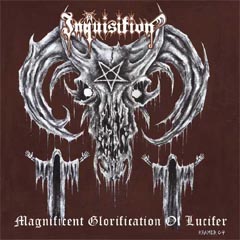
Inquisition – Magnificent Glorification of Lucifer: I can see why people like this — it’s competent. The rhythms fit together, and riffs work together. The problem is that it’s composed in an idiotic style, and is as a result limited. This is the fusion of war metal and Judas Iscariot-style slow ambient black metal, so you get (a) more repetition than you know what to do with (b) simple riffs on a bouncy rhythm and (d) detached, disconnected vocals. It’s about two riffs per song, often variations on the same theme. While they all fit together, and the result is pleasant to listen to because these guys are five times as competent as the average black metal band, it’s still boring. Nothing happens: what is going on when the song starts is what happens when it ends. That result doesn’t feel evil, or challenging, but kind of dance-y like later Napalm Death.
Wreck of the Hesperus – The Sunken Threshold: Imagine an indie-metal/doom metal hybrid. What you’re imagining even with half a brain is what you get with this release. Slow limbs of chord progressions rise and crash while drums keep a busy, jazz-inspired distraction going. Songs move slowly, verse/chorus, then conclude in a trailing out to insignificance. If Winter, Thergothon and Skepticism did it too well for you, here’s a generic version.
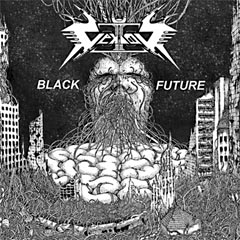
Vektor – Black Future: Hipster music. I say that because it’s dressed up (ironically) like Voivod worship on the outside, but it’s pure aesthetics; there is no understanding of the composition or content that made Voivod great. Instead it’s standard war metal, slowed down by 1/4, played with some of the chord voicings Piggy used. Songs are standard format, very busy with lots of chaotic drums and messy riffing, but no concepts that tickle the brain or even amuse the gut. On the surface, it’s Voivody. Beneath, it’s the standard punk/metal/rock that hipsters like, dressed up in a unique way. Watch this band disappear quickly.
The Shadow Order – Untold: This is probably the best Burzum clone I’ve ever heard. If you can imagine Burzum writing songs that transition from state “A” to state “B” directly, you’ve got roughly what’s going on here. It’s simpler, similar in spirit, and slightly more ear candyish (e.g. confines itself to conventional consonant voicings) but on the whole is pleasant to listen to. It’s unlikely to stand up to repeated listens well, but will occupy a position like the first Infernum album of being a reasonable alternative.
Inveracity – Extermination of Millions: This is a good solid release in the Deeds of Flesh/Suffocation percussive death metal style. It’s more linear than Doug Cerrito’s inspired riffing, but has a good sense of putting together a basic song and stacking up parts that contrast each other, so doesn’t fall into the monotonous camp of most material in this genre. While it is good, it falls short of exceptional and thus radically distinctive, so it’s always going to lurk in Suffocation’s shadow until it develops more of its own voice.
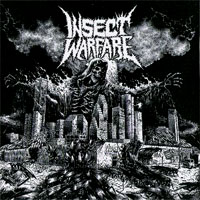
Insect Warfare – World Extermination: If you crossed Terrorizer, Assuck and Nasum you’d get something a lot like Insect Warfare. This is grindcore that sounds like some very energetic people dropped whatever they were doing, rushed to their instruments, and bashed out short but furious songs. These songs are well-composed; however, they’re also extremely basic and rely on riffcraft that alludes to much of extant grindcore. As a result, it’s kind of a neat album if someone hands it to you, but hard to want to reach for it when much more personalitied and diverse offerings like the early Terrorizer material exist.
Kaamos – Lucifer Rising: Pure speed, awesome Swedish(tm) production, and intriguingly blasphemous sound titles cannot compensate for having depth to your music. Kaamos is, like almost everything but the original wave of Swedish death metal, screamingly obvious. These riffs are almost entirely linear and capture no melodic or harmony; not only that, they aren’t shaped into interesting phrases rhythmically. The result is a CD that instantly descends to background noise. It’s pleasant-sounding but empty.
Liturgy – Renihilation: Get the hipsters out of metal. If you like emo-style melodies played really fast over chaotic drums, or the former hybridized with riffs from old Metallica clones but played in a kvlt black metal style, you may like this. I find it really obvious, although clearly musically more erudite than the trve kvlt types. The problem is that despite all of these interesting elements, the songs express nothing, and chord/note progressions are very similar from track to track. The frenetic drumming and vocals only accentuate, not conceal, this deficiency.
Malign – Divine-Facing Fireborn: You and I would really love to like this. It has all the promise of older black metal: a cross between Sarcofago and Merciless, interpreted through the filter of later Mayhem (lush chording, odd slow tempo changes, murky sounds) with the viciousness and yet very pop sense of melodic hook that all the Swedish black metal bands wield. Yet, that’s it. The surface traits are all; what’s underneath is unmotivational. So you end up with black metal wallpaper and an empty soul, but also, a bored one.
Maim – From the Womb to the Tomb: These guys have an interesting approach, aesthetically, in that they try to be Autopsy but mix in the speed and pacing of older Entombed. Sonically, it’s a great approach but not much changes in the song between the beginning and the end. It’s less like a big loop than a spin cycle: you start looking at something, then rotate around it and hey, there it is again. In addition, riffs are really basic variants on forms we’ve seen before from Kreator, Destruction, Atrophy and numerous death metal bands. They are very basic, very interchangeable, and lack the feeling of having been designed to fit together into something distinct with a meaning of its own. That depthless nature to these songs makes this album an endurance contest.
Perished – Seid: Strip away the death vocals and fast drumming, and this is plain boring hard rock like you might find on a Motley Crue record. Aesthetically, it sounds like Immortal, but without the greatness of personality that made At the Heart of Winter a great album, or the spark of insight that made earlier Immortal even superior.
Pathology – Incisions of Perverse Debauchery: Cross Deeds of Flesh with Dead Infection, and you get this gurgling deathgrind which is relentless and not bad, but also not exceptional enough to merit a re-listen. In particular, songs are streams of thudding riffs and relatively similar textural shifts, which makes it difficult to distinguish between them, although the radically varying production helps. I respect this more than most bands because it has a simple goal and fulfills it, although it’s hard to want to go through the experience when there are more interesting listens out there.
Pantheist – Amartia: If Paradise Lost and Skepticism had a baby, it would be this ponderous doom metal band. Songs are glacial with melodic underpinnings and a bit on the pop side, although they love their sonic dynamism and intense distortion. It’s competent but not particularly compelling in form or content, and the vermicular pace does not help us get over that.
Overthrow – Within Suffering: It’s a hybrid of Beneath the Remains era Sepultura and early Sadus, and it’s well-executed but not a standout in that these songs follow fairly cookie-cutter speed metal patterns. Riffs: you’ve heard their archetypes before. Vocals: they do that thing where they chant on the beat as the kickhappy drums crazy go nuts next to some chugging guitars — fucking annoying. On the plus side, they change riffs like Dark Angel so that there’s always tempo, harmonic or phrasal motion (or when disordered: commotion) going on. And lots of solos that sound like later Nuclear Assault going hog wild on the pentatonics. Ultimately, I find this really annoying but if you would let Sadus mount you from the rear, you’ll love it.
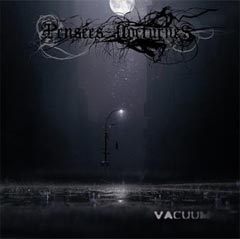
Pensees Nocturnes – Grotesque: This promising band confuses aesthetics and content. They’re good songwriters, with an apt grasp of the technical side of the music, but because they have never found an aesthetic “voice,” end up piling random types of stuff on top of one another hoping that summing up parts magically makes the whole bigger. This sonic collage features crashing slow metal riffs which give way to fast melodic riffs reminiscent of Enslaved’s Frost, and are periodically interrupted by transition material with piano and string instruments. On top of this, some guy is bellowing like he is getting raped by an elephant. While in general I’m all for overlooking aesthetic dislike to get to the core of a band, in this case the lack of aesthetic ties an arm behind this band’s back as far as songwriting is concerned — too much is lost as they try to conform to this bizarre format. In addition, they’ve picked up some of the chord progressions and bad habits of post-rock bands, with huge parts of this album resembling the lost Maudlin of the Well “Dave’s got the purple shrooms” sessions. When they are able to put together an aesthetically coherent part of a song, it flows well, but then drops back into their bad habits and crutches. My advice to Pensees Nocturnes is simple: standardize your vocals, become a doom band, and use other instrumentation at strategic points in each song instead of as a general technique — look at the first At the Gates album. Less is more, if that less is more organized than the more. But use more oboe.
Prevalent Resistance – Dynamics of Creation: I’d like to like this because it’s easy to listen to, is pleasant and comforting. Patterned after Dimmu Borgir’s Stormblast (the first version, with the video game music) and a smidgen of early Dissection, this album is candy for the ears. But that’s the problem. There is no tension, no moral conflict, no desire even for pointless destruction. It’s trying to make friends. Like a warm puppy nose on the leg. In fact, it resembles the indie rock of the last decade: slick, studied, and very good at writing a melodic hook into the end of a three-step phrase so that it gets that Hallmark(tm) “uplifting” feeling. I think if I wanted smoke up my ass, I’d just listen to indie rock. Musically this is adept, artistically it gives blowjobs for $10 at streetcorners.
Diabolicum – The Grandeur of Hell: I have tried to like this 1999 album for literally 11 years. It has all the right elements, and it starts well, but becomes shapeless in the middle. I don’t think this has anything to do with how industrial it is. I think it ran out of steam in terms of songs and what they are about. Typical of Swedish bands, Diabolicum write great melodic riffs and then have no idea how to develop them, so end up in circular song structures that leave you unsure of why a song ended; it just ended, when it did, semi-arbitrarily. The result is that there’s no reason to keep these songs in your head other than as a pleasant distraction.
Oxbow – Fuckfest: This music is both spectacularly annoying, and good but fairly standard. If you took a Motorhead/Black Sabbath crossover, made it more rock ‘n’ roll early friendly, then chopped it up with fast rhythms and dissonant syncopated riffing, you’d get this. The vocalist howls like he’s in the Bad Brains but with little of the musicality. I think they believe this is revolutionary. Musically, it’s not terrible but aesthetically it’s like a screeching siren in your head, making you wish the world would end.
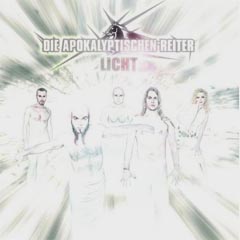
Die Apokalyptischen Reiter – Licht: Most people are going to identify this band as a heavier version of Rammstein, but that’s only half the story: this ostensibly industrial band is a three way hybrid between pop punk, melodic death metal and very danceable industrial. They write their songs like At the Gates, with several riffs cycling during the verses after the first introduction, and they shift between these like rally racers taking shortcuts through the old neighborhood. Vocals are very pop punk, with a rhythm similar to Bohse Onkelz or other brainier punk, and riffs are often power chords staggered in the death metal style with an emphasis on the stop/start rhythms that industrial, speed metal and rock favor. However, this is in a very literate musical framework where subtleties emerge from what are initially very basic melodies, and songs develop around this melodic core and end up being quite beautiful and infectious. After about ten minutes, you no longer hear the heavy riffs, and you feel like you’re listening to a more touch-and-go version of Wolfsheim on guitars. This isn’t my type of music, but I respect it — which is more than I can say for most versions of most genres.
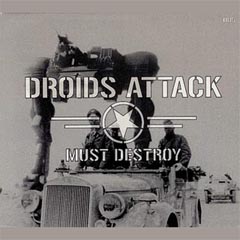
Droids Attack – Must Destroy: We were chilling on the porch trying to figure out what to call this new style, not yet quite a genre, where they put bands like Red Fang and Droids Attack. It’s like fast, bombastic, hard attack versions of stoner doom songs; this CD, “Must Destroy,” sounds a lot like the first couple Sleep releases: bluesy, hard without being aggressive, bounding party rock. It’s like they took the Detroit underground rock/punk sound from the 1980s (before The White Stripes) and merged it with Motorhead and the MC5, and got out of it this entirely rockin’ style that isn’t metal but borrows a lot from it, and isn’t punk but attacks with the same sheer verve, but then sticks into the heavy bounce of guitar rock like Grand Funk Railroad or Iron Butterfly. It’s easy to listen to but more motivational than techno, even, so makes great music for partying or cleaning the house. On this CD, the style is expertly implemented with lots of space between bounding riffs for introspective parts, like the calming parts of the ritual of a rave, so that you can listen without getting washed out by pure bombast. I see a great future for this style and this band as people get sick of the twee effete hiding-in-basement styles that have been popular for the last decade.
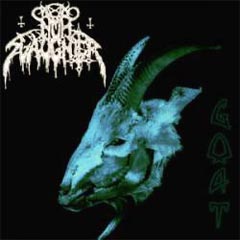
Nun Slaughter – Goat: When most people talk about old school metal, they’re thinking of bands like this that combine the barebones essentials of heavy metal (Venom), death metal (Master) and speed metal (Nuclear Assault) into one high-energy package. What propels this CD is its ability to keep momentum. Riffs follow each other logically and transfer energy like a locomotive hitting a truck full of bowling balls. This energy conservation is harder to do than one might think, because if a band just plays really fast, it doesn’t happen. It takes an awareness of the music and a love for the metal craft of putting riffs together so that they talk to one another and keep kinetic inertia. Clearly this band know their metal, as the riff forms — the basic phrase and arrangement upon which these riffs are based — descend from all generations of metal, but have been adapted to fit the song and NunSlaughter’s trademark crude but adept songwriting. Most songs are verse/chorus riff cycles with discursive bridges that lead back to triumphal restatements of theme, but given the rawness of the music, nothing else would really fit without making this a modern animal. If you like bands like Onslaught, Sodom, and Merciless, this band stays within the same range but is immediately distinctive. Like fellow midwesterners Cianide, they hide their subtlety and distinctiveness underneath a desire to make a riff language out of metal’s heritage and use it to sing of their specific experience, which seems to be a conglomeration of Satan, rape, blasphemy, violence and sodomy. Given this framework, however, it’s clear this band is a thoroughly enjoyable ripping ride through the dark recesses of human visceral emotion, and no matter how much people wail about it being derivative or lowbrow, it’s great stuff.
Morser – Two Hours to Doom: We should christen this band the German version of Human Remains. They play in the modern metal, or proto-metalcore, style innovated by those founders, meaning that they put metal riffs in punk-style songs. The result is an emphasis on individualism through deconstruction shown through the juxtaposition of random images, which if you think about it is the origin of all modern art. Instead of continuity and order, they show you many individual perspectives which don’t agree, further isolating you in yourself. 1980s crossover thrash on the other hand tried to make radically different riffs fit together like a storyline. While this style provides unbalanced listening as a result, it exceeds the competence of its genremates by making these songs fast and to the point, even if that point is a binary song with a fairly random third option introduced in the last third of it. Later on, bands took this style and threw technical death metal done in one dimension into the mix, but for now it’s honest punk borrowing from every style under the sun in a fast and precise but not show-offy fashion. You’ll hear the blues riffs, funk bass, prog trills, and even quotations from soundtracks and ethnic music, all done at high speed in blisteringly distorted guitar. It’s no wonder this release has, for a flavor of the day genre like modern metal, stayed in demand over the years.
Black Funeral – Vampyr: If you put a simplified Emperor/Ancient hybrid to Darkthrone percussion, it might sound like “Vampyr” — an unknown quantity of death metal rhythm, and ambient black metal made with the flourish of symphonic metal, but in the simplified and abraded sound that also qualified early American bands like Havohej and Demoncy. This is a very American thing, both North and Sound hemispheres, to simplify song structures to a standard form like in hardcore, where much of what made early Nordic black metal beautiful was that song structure was defined by content — in the way that early American phrasal death metal like Incantation was. While this album makes for more recognizable listening, and is clearly the musical peak of this band, for artistic reasons a discerning listener may prefer other works.
Chthonic – Seediq Bale: This symphonic metal band from China sounds like Dream Theatre melded with Cradle of Filth, as played by later Therion. More focused than any of those acts, it takes advantage of compiled conventions from the various constituents of this genre, and makes a distinctive version of them. If they more seamlessly integrate this with the indigenous music of China, it could be a powerhouse; for now, it’s a better option for Dimmu Borgir fans.
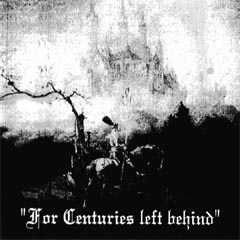
Blazemth – Fatherland: This short release charms the listener with its beauty, brave pasted-together emulation of black metal heroes and honesty in expressing something of significance even if at times the methods are crude. In essence, this band is a hybrid between early Emperor and Graveland, hoping for sweeping melodies interwoven with keyboards and spoken/acoustic dirges, creating an atmosphere that it then delights in breaking with riffs sounding like they come from the melodic heavy-metal-influenced black metal of Rotting Christ and Hades. This band specializes in contrasting textures of riffs: a mostly open simple riff will abrade when a flowing tremolo melody follows it, and chromatic death metal shredding offsets windswept sweep picking. While the individual parts are less graceful than their archetypes, they are nonetheless beautiful in the same way early punk was: individuals captured in their striving for an ideal that they may not achieve, while enjoying the struggle.
Blazemth – For Centuries Left Behind: Template driven from the early works of black metal, this band achieves an ambient black metal sound by attempting a simplified version of Emperor and other early black metal bands. Riffs are simple, production distorted enough to background guitars into a roughly harmonized blast of noise, and keyboards unite the rest into a smooth flow of sound. Emblematic of this album is the spoken introduction with which it begins; this is a guileless take on black metal that is not afraid to be ridiculous, but because it is earnest, never irks like the commercial cluelessness that followed. Its strength is an immersion in mood, but its weakness is that individual parts ape classics like Emperor and Burzum, just in an interpretation specific to this band. Although this will not blow anyone away with its breaking of ground, it remains more convincing than most post-1996 black metal because it has a clear ideal in mind and pursues it making creative use of what techniques and elements are within reach. Their followup, “Fatherland,” reflects more development; on this short CD are themes you have heard before, done uniquely in the homebrew style by this straightforward and committed band.
Jodis – Secret House: You have to have a high tolerance for slowness with this album. A chord plays, rings out, the distortion crumbling as the sound loses its solidity; then, two notes jangle with the seeming discordination of a snapping clothesline or the slow decay of metal in abandoned factories. Someone bellows. More noises, feedback zoning in and out like lawnmower noise across the street as you try to nap your way through a summer day. More bellowing. The songs are like hailstones, formed of layer after layer deposited upon the last. If you unfold the surface it forms a great linearity, like a giant strip of paper covered in words that blur together. Time goes by unheeded. You get up and change the CD.
Nihill – Grond: Standard uptempo Darkthrone black metal clone with really emphatic, dramatic, emo-style vocals still done in the guttural end of black metal sound, Nihill is technically competent but makes binary songs, meaning that they alternate between two moods until the vocals are done ranting and the song can end. When Darkthrone did this, it was to great effect because their songs centered around a contrast that conveyed a greater sense of mystery or discovery. Nihill is just cyclic and offers no hope, only a sense of inevitability. I could see this appealing to fans of Judas Iscariot.
Eradication – The Great Cleansing: An attempt to merge “Following the Voice of Blood” era Graveland with “Ugra-Karma” era Impaled Nazarene, for the most part this album works. The randomness of its melodies and the drone-strum technique from the Graveland side gently obscure some of the rough edges and more obvious riffs, which feed nicely into the full-speed-ahead woodchipper riffs from the Impaled Nazarene side. It’s a solid B+ for content, maybe a A+ for technique for being both original and nuanced enough to give this band its own voice.
Vile – Depopulate: If the Deeds of Flesh style second-wave percussive death metal bands simplified things a bit to the level of the first Deicide album, and chose very basic bouncy riffs with melodic accents like Brutality, you could well end up with Vile. It is both good and bad; it is good insofar as it develops, but it is bad because that’s often two steps of thinking away from a double-strum on an E5 chord. Chortling vocals battle it out with gurgling rasps over pleated sheets of power chords where the offtime notes are played in a muted strum, giving this a pirate shanty bounce which is then torn apart by drums like a multi-legged battle robot scrabbling through the ruins of a city. There are messy leads, and often ludicrous “my attention shifted suddenly when I noticed the shotgun” song structure deviations. While they do what they do well, this style of death metal limits itself too much for repeated listening.
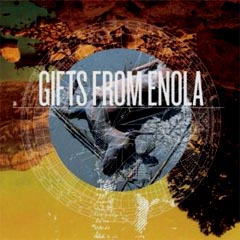
Gifts from Enola – Gifts from Enola: Someone crossed Kyuss with uptempo indie heavy metal and threw in the developments in the last ten years of stoner doom metal, creating a jazzy and fluidly composed album that moves about at the pace of early Black Sabbath. With very little intervention from vocals, the band jam in this style with droit, jazzy changes and variation in riff types from psychedelic lead-picked atmospheric to droning power chords to harmonizations on par with what Iron Maiden did. These songs are relatively linear, with breaks and resumptions, but form a kind of sonic texture that is easy to absorb, comfortingly varied, and most of all — unlike most post-rock — pleasant to listen to because it contains an internal balance and musicality. If you’re familiar with the jazz fusion of the late 1970s, nothing here will be a surprise musically, but it’s in a new form with more force behind it and the crossing over of the loud and abrasive with the subtle and beautiful gives it an elegance jazz fusion could never hope to have.
Urna – Iter Ad Lucem: Cross Ras Algethi with a post-rock band and you have this mess. The chord progressions are typical of that emo, shoegaze and indie rock fusion that is “post-metal,” which in most cases but not all has nothing to do with metal except that thanks to black metal’s extremity, it’s what the angry activist life-did-me-wrong failures are listening to these days. The worst sin here is that nothing really goes on in these songs. A few notes go up; a few go down. This is repeated with layers of vocals, a la Teitanblood but more artsy, and drums that keep busy outside the main event like those in a doom band, but ultimately songs don’t evolve and only gain structure through linear variation on known themes. In addition, if you step back and listen to this, it’s ludicrous. Like Krallice, it’s soft rock trying to be evil and as with all paradoxical and half-witted goals, has instead made a squirting fecal mess of it.
So there you have it — like a cheap buffet lunch, mostly FAIL with some tasty nuggets stuck in there, only half of which will come out whole in your stool. If I had to design a record-shopping trip from this, I’d pick up the Nunslaughter and Gifts from Enola and call it a day.
No CommentsTags: aggression, an albatross, angel eyes, antediluvian, aosoth, apostasy, battalion, beherit, black funeral, blazemth, blut aus nord, catapult the smoke, cenotaph, cerebral effusion, child abuse, Chthonic, cleric, dark half, daughters, desexult, diabolicum, diamondsnake, die apokalyptischen reiter, disaffected, disgorge, droids attack, eradication, ereshkigal, execration, exmortem, fatalist, faust, faustcoven, faustrecht, fear factory, fractal gates, funeral moth, gammacide, gifts from enola, gorgoroth, grabnebelfursten, Grave Miasma, gravferd, greymachine, harvey milk, Holocausto, homicide, I, ignivomous, Impurity, Infected, inflabatan, inquisidor, Inquisition, insect warfare, inveracity, jodis, Kaamos, kayo dot, liturgy, maim, malign, master, morser, nihill, nunslaughter, overthrow, oxbow, pantheist, pathology, Pensées Nocturnes, perished, prevalent resistance, pyramids with nadja, sadistic metal reviews, skeletonbreath, the austerity program, the shadow order, trauma, urna, vektor, Vile, vuohivasara, wiht, wreck of the hesperus, xasthur, zs


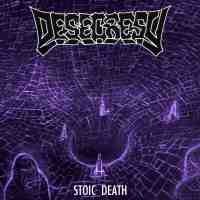
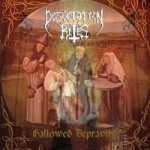 As if poisonous arachnoids had woven a sticky web around a hermit of the desolate Pampas, the multitude of savage Angelcorpsean riffs blasts from Desecration Rites’ rehearsal room with hardly any control or structure for the confounded listener to immerse in. The Argentinian blackened death duo did not have the time to execute all matters properly here because of unfortunate circumstances, and it shows in the deprecated, spastic rhythm of machine, the hysterical frequency and bouts of unclean guitar work all over the place. If something is keeping these dogs of sequences under leash, it is the deep, rumbling voice of Wolf intoning Faustian misery from the bottomless depths of darkness, occasionally unwinding power lines of similar effect to Craig Pillard’s majestic demon voice in the eternally classic Onward to Golgotha. For the modern death metal fan expecting a digitized, synthetic robot surgery there is probably no more horrific sight than this deluge of an album, but internally it is far more hypnotic, intricate and deadly than one could hope for. Just listen to the freezing pseudo-Nordic moments of “Death Sentence to an Agonizing World” or the ethereal, solar and jarring interlude of “Carnal Dictum” and you might just get a slight moment of hope in the future generations after all.
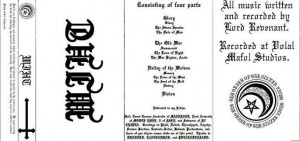 This British debutant lets loose the heathen wolves of war with a triumphant fanfare akin to Vlad Tepes’ famous Wladimir’s March before leading us to a journey of mountainous black metal landscapes, Graveland-esque meditations, ancient English fire-lit caves and Zoroastrian philosophy. The same sort of extended pagan tremolo epics (18 minutes of length at worst) that made countrymen Forefather and Wodensthrone veritable trials to sit through are pretty close at hand here, but the sparkling energy of youth helps a lot; there is a wildness and intrigue that contributes variation in sense even when there is none in content. Much of the logic of the songs seems to be emotionally stringing disparate sequences into a journey or a fictional narrative, which is essentially never a bad choice but some of the material here could be cut off to be brutally honest. Sound quality is the pseudo-spatial vacuum of too much reverb common for demo-level bands, but the instruments are clearly audible and the mid-rangeness is efficaceous. Unmoving and halfhearted chants and throwaway happy riffs are the blight of heathen metal, but Lord Revenant possesses sufficient pathos to allude to traces of occult evil and memories of ancient war at the same time; while this effort is not enough to coin him as a master of British metal, it would be a disappointment to hear these same songs performed by a more professional, disinterested voice in the future, or see him disappear without a trace after such a promising start.
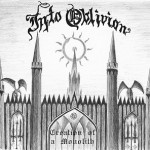 More than one and a half hours of harsh, pummelling death metal is neither a mean feat to compose nor to listen. As if Wagner, Brahms or even Stravinskij decided in the otherworld that these wimpy rock/metal kids have had it too easy and possessed various souls to spend hundreds of nights writing progressive Romantic/Faustian death metal partitures, 20+ minute pieces such as the title track or “On the Throne’s Heavenward” lumber and crush with such interminable weight that it is hard to not feel like attacked by a divine hammer from above as designed by Gustave Doré. You can forget about them mosh parts, since this is material about as brainy as anything by Atheist, with slow-moving adagios and creeping crescendos more familiar from Brian Eno’s ambient music or Esoteric’s hypno-doom than anything in satanic metal realm. Vocals are sparse and it feels like about a half of the album is purely instrumental and this creates a strange calm suspension which might even feel uncomfortable; but compared to The Chasm’s mastery of technique, it still does feel like an essential emotional counterpoint or rhythmic pulse bestowing element is missing, and when the cruel vocals suddenly rip the air, it might even be perceived as a disturbance to the solemn atmosphere. Nevertheless, it is probable that they are going for exactly this synthesis of the intellectual and the primal; the emotional and the physical. So fortress-like, rational, calm and measured that it is hard to connect its spirituality with its death metal origins (even the previous Into Oblivion release), it is certainly an important statement while the cumbersome nature and certain academicism in construction (perhaps “filler” in metal language, the problem of the previous album as well) makes it a bit of an unlikely candidate for casual listening. Anyone interested in the future of Death Metal cannot afford to miss it, though.
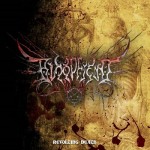 Heirs to the bludgeoning power of Escabios and other ancient compatriots, this recent Argentinian sect wastes no time with progressive anthems, intros nor filler in this concise EP of Autopsy influenced memoirs of early 90’s scathing death metal savagery. If the band has capacity for a challenging composition or a range of emotion, it’s all but hidden in this conflict of vulgar and intense demo taped riffs that could originate on any scummy cassette dug up from your older brother’s cardboard box vaults. Even most crustcore bands could hardly resist the temptation to fill the gaps out with something more liberal, but I am glad Bloodfiend do not resort to any loose pauses in their old school attack. The band is not yet quite there in the top ranks of death metal resurgence, but possess more than their share of contagious energy that will make for a good live experience and raise hopes for a more dynamic album.
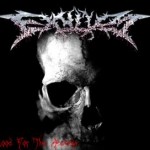 Brutal death metal cliches abound but also tasteful dashes of improvisational riff integration as California youth Exylum strike from the bottomless depths with a manifest of fragmented ideas like old Cannibal Corpse, Finnish death metal and newer black metal in a blender. Weird effected voices cackle, pinch harmonics abound, chugging is all but industrial metal, drumming provides a solid backbone and the ululation of the lead guitar harmonic reaches a hysterical plane of existence when the band lets go of identity expectations and go ballistic as in the end of “Worshiping the Flesh Eating Flies”. The worst thing on this demo is the tendency to fill space with something simple and stupid like the endless low tuned one note rhythmic hammering towards the end of the title track. When the band is in a more chaotic mode, as in the older recording “Ritual Crucifixion”, the confusion serves to imbue the composition with more blood and action.
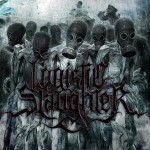 As persistence is the key to cosmic victory, it’s gratifying to see that this recent Californian cluster is not giving up in their quest to build a maiming death metal experience which was approached with streamlined Bolt Thrower and Cannibal Corpse tendencies in their last year’s EP. First threatening edges noted by the listener here are their improved musicianship with plenty of rhythmically aware palm-muting and tremolo NY style rhythm guitar riffs interlocking like the paths of ferocious large insects on flight while in the new drummer Kendric DiStefano they have a redeemer from the abhorrent pit of drum machine grind, even though his style tends to approach the robotic at times. The moments where this EP shines is when the brutal backbone operates at the behest of melody conjured by the leads of Mike Flory and Daniel Austi, such as the gripping mid-section of “Exit Wounds” and the Nile-ish mad arab string conjuration in “Litany of Blood”. I’m still reluctant to call this a total winner because there’s a lot of random chugging around as in generic bands from Six Feet Under to Hypocrisy, but there are also subtle technical flourishes such as the lightly arpeggiated bridge in “War Machine” that still keeps me liking this band and following its movements.
 1.
1. 
 It would be fairly easy and obvious to point out social ills, crime rates and poverty as motivating factors for religiously oriented fatalistic thoughts, but for the psychologist and the occultist the pathology of the morbid mind is not only a reaction, it is also a cause itself, deeply ingrained in behavior and culture. To go into this sphere in depth would require another kind of a broader study and it is hardly of interest to most of our readers, so we shall mostly be occupied with the mythical, visionary image of Mexico, closest to us who are far away. It is the land of the eagle and the scorpion, of the peyote cactus and tropical steam, of the sea and the canyon. As we see everywhere in the world, the landscape becomes the structure of the mind, which gives life to stories and archetypes showing the apparent chaotic complexity of nature in symmetrical solutions. And musically, what can offer better representations of the occult-mathematical beauty of life than the hymnals of muerte: Death Metal and Black Metal?
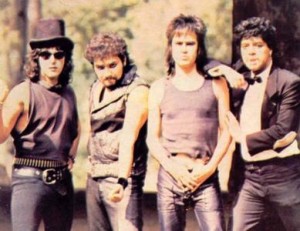 As the youth of the world tripped in the pseudo-spiritual chemical bliss of the 60′s, the seeds were sown in Mexico as well with an interest towards Rock music merged with esoteric and mystical themes, but true to its violent century, the nation oppressed its bravest minds, declaring them “communist”. Thus was quenched the initial surge of Heavy Metal, as clubs were closed, magazines censored and subversive content in radios minimized. Everywhere else the initial 70′s where the pivotal time for the realization of all kinds of “satanic” and “occult” music manifestations, so in the case of Mexico it took at least a decade to recover from vandalism espoused by the government.
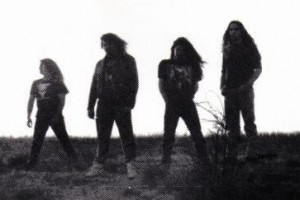 Eduardo: Well, to have a live appearance was not easy at all, because many people in Mexico (until this day) are a very difficult audience towards the Mexican bands. But we showed them that we were true about our ideals and that we gave 666% in every show! So we got the support of all the metalheads and they gave us in return a total storm of headbanging and full support. These were unforgettable moments to Shub Niggurath.
 A mob of confusion, alike crawling insects, attacks the strings as early blasphemists Pactum struggle to make sense of violent, anti-religious ideas called forth by their satanic subconscious in Mexico City’s extreme response to Bathory and Sarcofago. While the anally raped vocalist rants meaninglessly on, the guitars manipulate suggestive, dischordant layers of picked notes and speedy runs that often sound chaotic but on a closer listen reveal an affinity with classical construction much like the early methods of Burzum and Ildjarn to call forth elegance from pieces of degeneration. Be it dissidence, incompetence or imagination that made Pactum to mangle the pieces of thrash they built upon nearly inrecognizable, the originality and harsh, spontaneous electric discharge that carries these songs onwards makes for a curious and surprising listen for those who are able to listen to the nearly unlistenable. In “M.O.D.L.” the band has discovered one of the valuable early lessons of black and death metal, that of desecrating the sanctity of rigid social structure by defying musical conventions and bringing the expression closer to the fractal noise of nature.
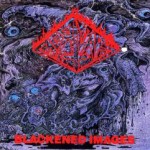 The elaborate and malign death metal of Mortuary is one of the most recognized funereal voices of early Mexican scene in cult circles and totally deservedly so, as the melodious and grinding old school sound hasn’t dated one bit but preserves the vital energy field of the times when death metal was not taken for granted, the quest for the ultimate density and sobriety. The rhythmic intensity brings to mind the debuts of Morbid Angel and Vader while the gloomy melody disposed as the interconnector of the more thrashing riffs is without question Central or South American in character (think: “INRI”). Joel Alanis’ voice escapes the trap that caused problems for many a thrasher, holding the rhythm of the syllables in position when reciting the blasphemies in English, and his powerful roar commands the fast, climactic and concise songs effortlessly to their logical conclusions. Even today Mortuary’s short but perfectly articulate album could serve as a protocol for building enjoyable but deep death metal, one that incites both head-banging and heart-scrutiny as the ultra-infectious “Reign of Dead” and “Asphyxiation” attack your brain with sensations from beyond and memories from the depths of the layers of mental programming.
 As the inaugural saints of muerte spread their leathery wings over Michoacán and the 80′s were drawing to a close, Mexico’s silence was ruptured by these mangled, hellspawned shouts and nearly arbitrary riff structures envisioned by the scene’s godfathers Transmetal as the path leading to the aerie of the future. Simple and pitiless like a less experienced Sepultura or Slayer debut, this early collection sees Transmetal attempting to bludgeon their way through a barrage of speed metal in an endless call-and-response of rhythm riff and hoarse barking. Germans had invented most of these figures and refrains as early as 1984 but the untamed desert frontier of their homeland does bestow Transmetal with a rancor bringing it closer to the most subterranean and spontaenous garage punk bands that had the chance to practice their instruments on brief relapses from fighting social corruption. The sketchy but decisive melodies of “Temor a la Cruz” and “Fuerza Invisible” hardly represent an international or even local pinnacle of art, but they were enjoyed by a legion of punks and metalheads for their absolute breakup with the more mainstream appealing qualities of traditional heavy metal.
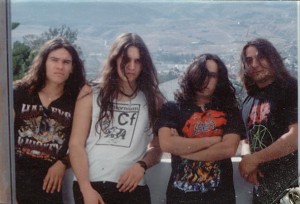 If there is a style of metal one thinks of in regards to Mexico, it must be Death Metal, in its brutal but most oblique forms, the sonic heir to Aztecs’ solar blood rites and Toltecs’ shadowy sorceries, an amalgamation of heretical thought inspired by Crowley and Lovecraft with a deep respect for the sacred and universal forces of nature which permeates the continuity of godforms in Catholic religious language in shades of traditional paganism which it overtook in surface but never in spirit. The first of these classics was undoubtedly Mortuary’s famous “Blackened Images” (also one of the earliest important Mexican releases sung in English) but no underground Death Metal maniac would forget the splendid, churning visions of
 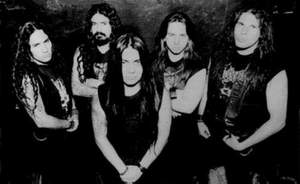 Eduardo: Mostly these bands’ message is about Death, destruction and occultism. If I’m not wrong, only Xibalba took our cultural roots into his concept – they even wrote “Unique Mayan Black” on their debut album. Cenotaph, Mortuary, Shub Niggurath, Tormentor, Deus Mortis, Deadly Dark, Necrophiliac and Pentagram among others were influenced by the Florida and Scandinavian scenes when they built Death Metal during the late 80′s and the early 90′s. My influences have always been bands like Morbid Angel, Deicide, Bathory (old), Sodom (old), Nihilist, Therion (demos), Thergothon, Winter, Necroschizma, Bolt Thrower, Slayer (old) and H.P. Lovecraft’s masterpieces. In Shub Niggurath, Arturo (who handled vocal invocations) was always in charge of the lyrical concept. Regarding “Evilness and Darkness Prevails” I only did the guitar solos, after that I had to leave the band. I have nothing to do with “The Kinglike Celebration” – for me this is not the real Shub Niggurath. For me, this was just some kind of project, without Arturo there, I am not sure about the result.
 Coming off the back of an excellent debut in the form of ‘The Gloomy Reflections Of Our Hidden Sorrows’ and losing a prominent member in the form of Daniel Corchado, Mexican horde Cenotaph radically altered their sound aesthetically and showed a refinement of production and to a smaller extent, musical technique. Whereas the first full-length resembled a prototypical version of Nile, with an exotic though nonetheless esoteric and original take on New York death metal (think Incantation, Morpheus Descends), ‘Riding Our Black Oceans’ owes its musical framework, when speaking of instrumental technique, to European metal, most notably the first two albums of At The Gates, with a much more classicist approach to melody. With the outgoing of previous throatman Corchado a new vocal makes itself at home, not far from the tortured howls of Anders Friden. The same sense of aggression is also present in this work, but is less of a catharsis than the aforementioned Swedish band or the German act Atrocity, and has a motive towards evoking a nostalgic depth, rather than a psychological-emotional one. The percussion is chaotic and structurally brings to mind a more rigid and maze-like ‘Beneath The Remains’ by Sepultura, with more adventurous battery that evokes their ‘Morbid Visions’ record. Acoustic guitars embellish and interlock with these intricate arrangements, and are an obvious nod to Mediterranean and Southern European music. This stylistic admixture works brilliantly, rather than being a work that is merely imitative of an established style, it works the more obvious traits for its own ends, borrowing rather than copying. Cenotaph make a very distinct and profound work here, one of the finest releases to come out of Latin America.
 From the extra-dimensional plane of unspeakable horrors that’s revealed in our nightmares by black, arachnoid creatures, prying open our sub-conscious to witness terrible visions, comes this brutal classic of Lovecraftian Death Metal. As a later album in the old-school tradition, ‘The Kinglike Celebration’ has the strength of dynamic and coherent composition under the unmistakeably nefarious atmospheres that could only come from the first generation to be instructed by the likes of Possessed and Sepultura. Unlike more recent acts such as Portal that also delve into the Non-Euclidean realm of Howard Phillip, this work remains an highly geometric one, as if to frame the malevolent world of the Ancient Ones within the scope of human cognition, enabling the sensations of fear and awe and involuntary submission to the higher, evil will. The symmetrical structure of these songs oversee a central melodic theme being deconstructed with the horror of trembling and ominously churning, Deicidean riff-work that builds to a majestic revelation of cosmic power, usually embellished by eerie synths. From this expanse, the band reintroduces the central riff, re-contextualising it through powerful lead overlays and purposeful percussive and rhythmic enunciation, with the crescendo-inducing prowess of a Classical symphony. Shub-Niggurath advance the pulsating Slayerisms of Deicide’s first album to encompass thoughtful formulae of occult melodicism and awaken the unspeakable entities of the grand, cosmic hierachy.
 These blasphemers from Guadalajara were around as early as 1986 according to their biography. Only denizens of the infernal layers know what they must have sounded like back then, but their full length revelation is also nothing less than ancient and horrific, of deeply atmospheric and disturbed vision of extended, simple and dragging death metal torment. Shunning the eloquent melodies of Cenotaph and likewise the rhythmic energy of Mortuary, Sargatanas withdraws into ascetic and morbidly elongated tremolos pillared by blasphemous growls mostly maintaining the emotionless, yet commanding tone of satanic artifice, as a stone statue summoned to unholy life and crushing Christians with no haste or passionate compulsion – determinate, almost peaceful. The meditative quality is carried to the extreme in mid-paced or even slower songs such as “Fear and Suffering” or “The Proclamation” (featuring drum patterns motivated rather by ritual ambient than Dave Lombardo) making it even somewhat plodding. The band barely animates for a gloomy rendition of Possessed’s “Satan Curse” in a version that sounds like bubbling lava or tremors preceding an earthquake and one of the most delightful tracks on offer, the chaotic “Satanist” whose main riff recalls Rimsky-Korsakov’s “Flight of the Bumblebee” and as many other tracks on here, is seemingly randomly interrupted for a mock satanistic prayer. In any case, this inward bound attraction and solitude of vision will open only to deepest underground death metal cultists and fans of subtle terror based on psychological expectation and illogical mood cues, examples of which are found plenty in Mexican horror movies and early black metal in the vein of Samael and Barathrum, which undoubtedly heavily weigh on Sargatanas’ study list regardless of this band’s origins being placed even further back in the dimension of time.
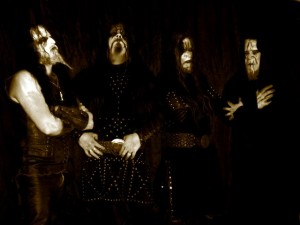 Marco: We have been listening to Metal music for a long, long time. We began by listening to a lot of ’70s bands (Purple, Priest, etc), we experienced the radical change and the explosion of the new bands from the ’80s (Venom, Bathory, etc.) and we just grew with the evolution of this music through the end of the ’80s and the beginning of the ’90s. I think all of this music has influenced us a lot. Books that have inspired us throughout all of this has been ancient literature from the pre-Hispanic cultures of our homeland – with special focus on the Mayan topics mainly, though we also like H.P. Lovecraft’s books. In those days, there were not many bands like us around. I remember that on the few gigs we had, some people were just staring at us, and some other were just enjoying the sound. It was really small and we just seem to get more attention from other countries than ours. Sometimes, regular people were inventing silly stories about bad things happening to them simply because we were about to play on that day. I don’t think the media was focused on this kind of extreme music back in those days, as it is now.
 Like Cenotaph, but in the context of a Nordic black metal band, Xibalba take obvious cues from mid-period Darkthrone and Burzum’s ‘Det Som En Gang Var’, and use various aesthetic tricks to distinguish the artistic and ethnic context herein, whilst also succeeding in not letting grandeur overwhelm the beauty of their work. Flowing, harmonic riffs, much like an upbeat version of ‘Panzerfaust’ work their way through catchy, waltzing rhythms that would fit nicely into balladic pieces, sounding just as apt as an interpretation of ethnic, triplet based patterns, transferred onto the modern drumkit. Samples to introduce particular songs use ancient Mexican folk music to accentuate the ‘Mayan’ character of this record, this is done sparingly and is non-excessive, charming and ensnaring. This album is strictly traditionalist in its execution, but successfully incorporates unique, exotic elements into its framework, retains its dignity without compromising it’s honesty. This was released in 1994 and was a time where many metal acts were on the verge of signing artistic death warrants by trying too hard to be different. Xibalba continued the legacy of black metal’s orthodoxy and breathed new life into it.
 Easily one of the most obscure and horrifying symphonies ever composed on the Mexican soil, the drug-addled, hypnotic and twisted black ambient scenarios of Funereal Moon despite the Guttural Records connection bear little resemblance to the warm crusted ground of Xibalba or the quasi-Nordic beauty of Avzhia – or any other formal black metal for that matter. If you have heard some of the unsane abstractions concocted by the French black legionnaires or Texan congregation of Equimanthorn on their mostly private tape mayhem, you might have an inkling of what to expect. Subsonar synths throb, cheap reverbs multiply growling voices to comical intensities, layers merge into a ritual cacoon of violent concentration in a macabre crescendo of not-so-subtly erotic (especially in the hideous “Vrykolkas (White Irish Eyes)” backed by whiplashes and female moans) palpitations begging for release through the dagger of the proponent. When synthetic guitars and mechanically stumbling drumscapes kick in to approximate occult metal architectures, the effect is close to what Black Funeral evoked years later in the industrial black metal revivals of “Az-i-Dahak” and “Ordog” – here achieved without any excess stylistic measures, simply thrown in your face in the name of blasphemy and contempt. Cheesy and immature to the extreme, but at the same time mercilessly compelling like an exploitation movie, these desolate voices of sorcery seem somehow one of the closest to the alienation and horror of the Mexican “Nocturnos dominion”, where immoving cacti stand upon the chaparral as guardians of twilight and coyotes raise their chant to the bloodred moon, all ensorcelled by the forgotten spells of Tulan sorcerers.
 From out of Mexico City’s chaotic and concrete urban sprawl arose this monumental Black Metal album as a statement of militaristic and natural order, inextricably linked as they would have been to the inhabitants of Tenochtitlan, the former capital of the great Aztec civilisation. Avzhia here develop the ritualistic and prolonged, ‘Pentagram’ by Gorgoroth-like phrasing of ‘Dark Emperors’ into even grander arrangements panning across vast battlefields and landscapes, bringing keyboards to the foreground for a sense of epic melody that resembles Graveland’s ‘Creed of Iron’ being guided by the expansive compositions of Emperor. There is none of the lead guitarwork that’s central to ‘In The Nightside Eclipse’ in forming esoteric musical themes, so the symphonic majesty of ‘The Key of Throne’ is simply and effectively accompanied by the fullness of sweeping powerchords and this approach brings a lot of primitive but intelligent flavours to the sound and the composition as far as bringing the themes to a successful conclusion is concerned. When stripping away the keyboards from the guitars to reveal the simple beauty of an idea, almost Punk-like riffs of the sort Impaled Nazarene are infamous for are unleashed in a warlike clash of thought and action. With the inclusion of the keyboard, there’s a sense that Avzhia might have heard Skepticism’s ‘Stormcrowfleet’ as the same feeling of ethereal beauty and earthy power is evoked. The bass plays an important role as well, during the drawn-out riffing, reminiscent of Primordial’s ‘A Journey’s End’, folkier parts can be heard echoing underneath like a dormant race building its power to strike, and strike it does as the full instrumental ensemble combines to reiterate this idea. Perhaps this is Avzhia’s vision, like the Norwegian Black Metallers once possessed, of Satan’s adversarial power conquering the modern, Christian lands, once again appeasing with the blood of fallen enemies the ancient gods who had long ago died for their race.
 To be honest, and there is a reason to be because we are not here to create empty hype and false promise, most of Mexican metal of the 1990′s was comprised of worthless copies aping whatever neo-gothic metal trend was looming in the world at large and it’s nowhere more clear than in this compilation of the successive 1995 and 1997 demos of Demolish and the progression from mediocre to bad influence. The bouncy, hyper-emotional and lethargic black groove of the first part “Reinforcement Laments from the Lamb” (That’s just about what I emitted halfway through this concoction!?) is an incriminating example of heavy metal dressed as black metal, enveloped in saccharine keyboards which occasionally would inspire a vomitous reflex from even that top hatted abortion of Dimmu Borgir (old). Suffice to say there’s a lot of Anne Rice-y occult romance and affective screaming and bombast with hardly any musical surprise or moment of interest, as they would probably distract from the singular intent of securing the attention of fat gothic Wiccan bitches. I guess you might be into this if Covenant’s mercifully forgotten “In Times Before the Light” or earlier Cradle of Filth was the best thing that ever happened to you in black metal. The older more creeping old school death metal influenced occult metal in the earlier recorded second part “Artis Cabalisticae” includes violent moments of hope, but not enough to convince any further than, say, that first EP from Portuguese womanizers Moonspell. Hardly any Toltec spirit here, so move along.
 Hooded Wallachians prowl the crenellated wall tops of ancient castles, Mediterranean bards wield their lutes as metallic Paco de Lucias and some thin, wimpy goth called Philix Pherboreon (is this a Harry Potter character?) attacks the cheap Roland determined to reign as nocturnal dominion over every Mexican black metal wannabe circa 1996. With surprising class and flair, Argentum’s hymns to darkness remind one that the atmospheres descended part from “The Principle of Evil Made Flesh” and part from “Goetia”, might not stand the highest in today’s black metal elitists’ repertoire but today, sounds more exciting and unique because of their severe emotional and dimensional indulgement in a nearly forgotten quest – to compose music, not meaningless random noise or robotic riff patterns. The band is undoubtedly at their peak with the sustained moods of “Enter an Encysted Hibernation” and other slower pieces such as “The Serpent’s Lament” which traces the ethereal scents of the black lotus much as My Dying Bride would have if they had obsessed with black metal during the time of their first album. When the bands decides to thrash onwards in speed, and yet retain the “gloomy” keyboards in “Mortuus Infradaemoni”, it’s undoubtedly a bad choice, sounding ridiculous and swamping their intentions of occult credibility observed with “Lections on texts including English, latin, Catalan, Creol, and Ancientdark Language & Spanish”. The question mark imprinted by this upon one’s brain is better than mere satisfaction, though.
 The Chasm’s fifth album in a productive and populated discography continues their journey through the astralic realms of the dead, traversing a heterogenous soundscape much like the cultural topography of Mexico itself. Where Corchado’s work with Cenotaph was inspired by the rhythmic power of Swedish Death Metal, this album is more in tune with not only the melodicism of old troops from Gotenborg like At The Gates, Unleashed and Dark Tranquility but the morbid disharmony of Norsk Black Metal classics ‘De Mysteriis Dom Sathanas’ and ‘Under A Funeral Moon’, which owe much to the Latin American primitivism of Sepultura that also goes into the sound of ‘Conjuration of the Spectral Empire’. The expansive melting pot of sounds and styles is guided by Shamanic visions that peer into the inpenetrable abode of Mictlantehcuhtli, coloured and contrasted by the opposing principles that intersect this psychic plane, giving this album a vast sense of direction proportional to the longing for ancient wisdom in a world torn from the continuum of tradition. From the very outset of ‘Conjuration…’, the winds of the Chihuahuan desert are conjured by guitars and effects, bringing to mind the main theme composed by Ennio Morricone for the nihilistic Western classic, ‘The Good, The Bad and The Ugly’. Each song develops from or towards a single, clear and always beautifully poignant melodic idea, fusing the structural framework of early Dismember with the technique of Technical Death Metal bands like Cynic and Atrocity and their insistence on rhythmic and melodic interaction, although the use of inverted powerchords amidst the South American chaos and Melodeath flourishes, to create a more sombre atmosphere recalls the obscure Black Metal of Mütiilation’s second album. The Chasm avoid the pitfalls of Melodic Death Metal by having this focus, removing themselves from the tendency of bands to resemble a Scandinavian folk riff-salad with no conceptual reasoning behind it. Instead, songs qualify as movements and the phrasal development therein demonstrates an awareness of Classical music that restores the grand aspirations of the Swedes and therefore stands alongside the likes of ‘The Red In The Sky Is Ours’ and ‘Like An Everflowing Stream’ as monuments to the primal, cosmic darkness of our true, inner nature.
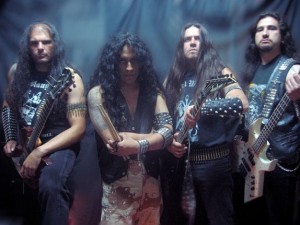 Through the international contact and amalgamation of principles brought about by simultaneously World Wide Web access and the extent of educating the young generation in English language (movies, videogames and music being elemental and important here) the new millennium saw Mexico closer than ever to its northern neighbour. Youth factions such as the hated “emo” culture would have been out of place in 1980′s conservative Mexico, but despite clashes between groups they are widely approved today. All in all, it seemed to weaken the unique characteristic of the Mexican underground which was the tough rebelliousness in speed metal and occult/mystical lyrical tendency in Death Metal. In other words, too many corpse painted posers (such as the unending repertoire of
 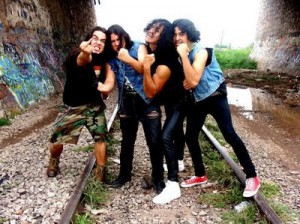 On the other hand, in Mexico, Metal has been taken as a trend. Every single metal subgenre such as death, thrash, black or speed has been invaded by stupid bastards with childish ideas and only commercial purposes. This is not only certain individuals, as even labels have mutated into money makers – signing bands created to give a commercial and false name to metal. They think that they know everything and even take the image of the old gods as costumes. Please! All those denim jackets full of patches from Possessed and Slayer, just to name a few, worn by kids of 18 years and claiming to be “thrash ’til death”! Jajajajajajajaja! Or the new trend of “old school death metal”? Please, when those bands were out, nobody cared about them! But now everybody is looking for those bands, jajajaja! Only the true ones we’ll meet at the end of the road. The other ones will escape to the next trend, because they never really belonged to us!
 On the footsteps of Irapuato bands such as the Paradise Lost influenced Supplicium and the Chasm-ic A Perpetual Dying Mirror the mad inverters of music decided to go for an irate, warlike sound most akin to Vader’s most brutal incantations. For a fan of Sargatanas and earlier Shub-Niggurath, there are plenty of morbid mental cavities to succumb into in atmospheric death-thrashing of “Mirage of Death” or the more Northern sound of “Descent To Requiem”, actually close to Absu’s early efforts in mingling Swedish death metal and the more ritualistic and sensual sound of ambient black. As regrettably is the case with neo-death metal, there is a great temptation to succumb into a patterned safe manifestation of used riffs, which no longer have the capacity to shock or inspire but the most fresh and innocent listeners. One can only imagine what impact “The Necrosphere Within” would have had in 1987, but the lack of a honest exploration of death metal horizons arouses the question how long can “formulaic death metal” be “death metal” at all, since the genre was incepted to scare the listener into an acceptance of devious un-life. In a hodgepodge of riffs, the social instinct takes over and the music loses the “death-feeling”. A slight rescue is obtained by preserving much of the doom character of the members’ earlier bands, as well as wicked and proficient guitar solos. In total, “Encircling the Mysterious Necrorevelation” is far from bad, but it also lacks the essential magic and forceful intellect characteristic of Mexican metal peaks.
 Yaotl Mictlan in a similar respect to Xibalba borrow stylistically from European black metal. Their debut full-length contains a battle-hardened ferocity not unlike Graveland’s ‘Thousand Swords’, and in attitude resembles a less esoteric version of the classic Polish black metal acts. Musically this has the precision and sharp execution of Enslaved’s ‘Frost’ album, but with is overlaid with meandering, arpeggiated guitar forms that bring to mind a more rock-inclined take on Burzum’s first album. True to backdrop, the band bring elements unique to their Mexican heritage to the fore, in the form of wind instruments, percussives and acoustic guitar passages that are distinct within flamenco music. This is no doubt a unique approach, and firmly grasps a sound it can call it’s own, though lacking the cohesion and charge to put them in the same tier as Xibalba or Avzhia. As a result of this, ‘Guerreros De La Tierra De Los Muertos’ comes across as a tiresome listen, but not without the occasional flourish of excellence. Now signed with Candlelight records, it will be interesting to see what results their next release will artistically yield, as there are moments of promise here.
 Often referred to as a clone of The Chasm, Infinitum Obscure do indeed share more than a few identifiable traits with their fellow Mexicans, most notably the tremolo picking and those galloping triplets that lend so much power and vigour to the rhythm. There is something that ultimately separates the two bands, however; that being the conceptual direction each band embarks upon: while The Chasm invokes a strong, dark atmosphere that emphasizes the mystical, esoteric passage through some evanescent portal, Infinitum Obscure are far more direct in organizing a forceful rhythm in such a way as to remain concentrated on a single, grounded idea, often reinforcing this focus by frequently returning to familiar themes. So, while their main inspiration might take flight into stranger landscapes, Infinitum Obscure are quite content to portray the lost chasms of this world with an evocative atmosphere of imaginative melodies and, most importantly, direct and uncompromising riffing. On ‘Sub Atris Caelis’, Infinitum Obscure’s sophomore album, these points are emphasized more clearly, making it their definitive accomplishment to date. The need to shake off the burden of being a mere clone band is eminently present; the band tasks itself with creating something altogether their own, resulting in a real sense of the epic emerging from the patterns interwoven throughout the record; each song is striking at something profound, grasping wildly in the search for solidarity. The consequence of these compulsions is an album that sounds like it is still very much in The Chasm camp; while really it has taken several progressive leaps forward, leaving us with a work of art brimming with the self-confidence of autonomy.
 Some of the most impressive new death metal from anywhere in the world, this churning, impactful and bodily animalistic accomplishment from former Cenotaph and Shub Niggurath madmen is not a joke. What Cannibal Corpse always intended with their chromatic, bass-heavy and relentlessly rhythmic one dimensional stream of riff becomes an amalgamation of melodic motifs and devastatingly experimental squeals in the hands of these perpetrators, as the background noise boils and envelops much as the classic “Onward to Golgotha” did, while the constant, FX enhanced, ridiculously monstrous voice of Ivan Velazquez intones all the perspiring tension of underworld nexus, the twilight threshold of life and death where sorcerers and demons whisper secrets to the warrior, offering true and false guidance, representing the violent archaic generations that waged war on Mexico’s bloody soil and continue to make many lives into living hell. I have alluded to the monotone nature, which is probably intentional and it hardly detracts from enjoying this cryptic abomination for further and further listenings, as the heights such as “The Pestilent Pits of Disgrace” or “Necrotic Invocations” are deceptively complex mazes of chords and melodies disguised as straightforward infernal metal by the tight manner of production and the guitarists’ sparse use of leads or interludes. Most importantly, the unrelenting hopelessness of these afterworld visions will force the listener to abandon the illusion of safety and immortality that makes the common man succumb to faulty, immoral decisions from day to day, thus achieving one of the highest principles of death metal: mental change (abomination). One would hesitate to lift such a recent work to the hallowed pantheon of Cenotaph and Mortuary after a brief listening span, but if a candidate is chosen from this tournée, this must be it.
 It can be said that while Mexico’s metal offerings are not especially plentiful, they are generally interesting and spirited while the best of the country are just about the best these genres have ever seen, on an international scale. Mexicans’ natural groundedness coupled with the mystical tendencies is an excellent standpoint for witnessing the oblique directions of Death and Black Metal from an unpretentious, furious, “Luciferian” angle. It’s almost a surprise there isn’t so much more of it, even though I’m surprised if any reader of this article gets a sense of scarcity regarding items of interest in Mexican metal. So, that being said, it’s about time we leave you to contemplate the mysteries of Toltecs and Satan in the consummation of the extreme, Romantic and evil compositional systems of these modern Mexican warriors and dreamers.
 Marco: I think this music is very individual and very personal, and it can take you to a spiritual level, if you listen carefully. Our ancient cultures are based on spirituality, so that’s the point in our just making this weird mix. One song can take you to the top of the pyramids, and reach for the skies, and another one could take you to a scenario of a war against the conquerors. In the end it’s all about finding your own roots, it’s some kind of, another, resource to open your eyes and to step away from the enslavement of social rules and moral unconsciousness (Christian superstition included). In the end the people in power need a dormant society, so they can keep on corrupting, spreading corruption in every corner, and people are just playing the game. Only the connection to your roots will set you free.
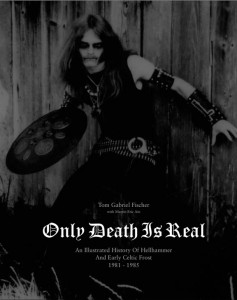 As death approaches, documentation increases. As a circle closes, individuals are given an oppurtunity to reflect on, track and document the meandering course that a society, individual or movement took and assess and re-evaluate this course to determine both its moments of strength and those of weakness. One consequence of this tracking and documentation is that the diligent and astute student of life is provided with an opportunity to discover those behavioural patterns that have been forged in the fires of history and are therefore conducive to success. The intelligent will reflect upon these lessons and apply them to their own worldview, life, ideology or movement and increase the quality, although not necessarily quantity of those lives. Therefore, we serious Hessians take the outpouring of heavy metal documentation rather serious, as it contains for the discerning, the lessons upon which the ideological, and perhaps spiritual foundation of a new spring, a new dawn and a new beginning for our culture may rest.
 1.
1.  Vital musical forms rely on creativity, spontaneity and message over matter. It is the curse of the artist that often the best of their work is at the behest of youthful lunacy and drunken madness, the early recordings where they grasp at the straws of vision without quite having formulated the techniques for achieving them – so they improvise and as Nietzsche would say, “
 Coming off the back of the raging, deathly,
  A controversial pick, Metallica’s excellent third album fulfills the incorporation of progressive themes but seems to crystallize them to such an extent that no more creative spark would emanate from their later works. Cliff Burton’s presence in the unit, and his bridging of neo-classicist influences into their progressive speed metal was a defining feature of what many hessians and metallers saw to be the main component of their excellence. Having let this seep in on ‘
 While the speed and thrash metal boom was crumbling all around in the wake of Seattle and LA-based clothing styles storming the nation, a few European stalwarts lingered on the fringes and while some of them didn’t dare to take up the arms for intricate, narrative death metal, they were influenced by its vicious aggression and psychedelic subject matter. Coroner from Zürich, around
  Among the most ancient, recognisable and influential cults in Death Metal’s history, Morbid Angel’s tale of decline is a prolonged one, and raised continuous questions about the band’s creative state, as though their instruments were being channelled purely at the whim of the Outer Gods. The Floridan giants finally resisted the unearthly impulses that once guided them to create powerful statements of occult awareness bound up with a Nietzschean sense of overcoming and will-to-power, such that with the releases of ‘Gateways of Annihilation’ and ‘Heretic’, the band fell victim to triviality. Incremental lapses in quality can be traced back to much earlier albums however, with the departure of guitarist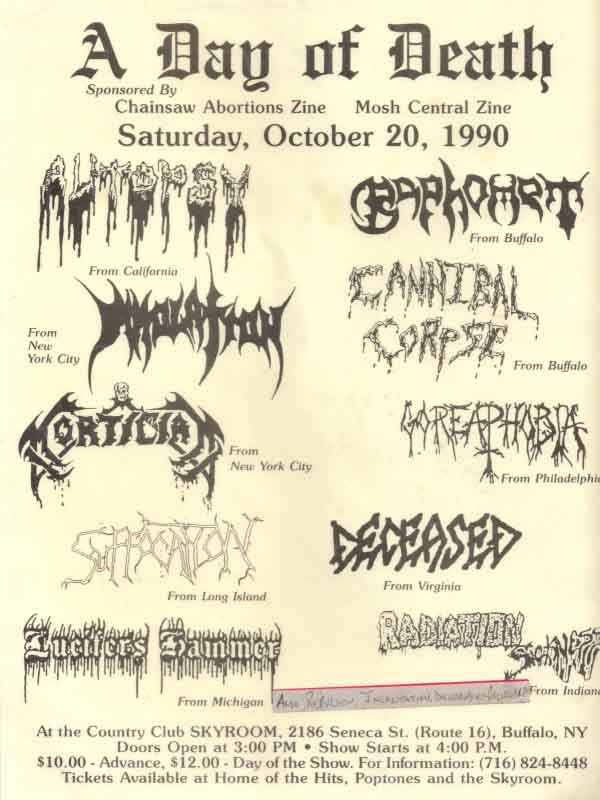
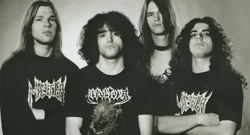 Summoned forth to rage fury upon the unsuspecting but no less innocent, Pestilence, on each of their first three albums ushered in a predestined Apocalypse of the mind and struck at the heart of the dark forces of the Kali Yuga thus completing their microcosmic responsibility as “Kalki”, and providing the foundation upon which a new golden age and conciousness would hopefully arise. On their uncompromising and frenetic debut album, Malleus Maleficarum, Pestilence as corporeal manifestation of death and conqueror, harnessed the power of becoming to destroy the destroyer that is illusion and ignorance, and defiantly placed themselves within the torrential stream of becoming in a quest for truth. We as listeners are thus treated with no less than a passionate and structurally free form album that through its fluid, intelligent and precise use of riff craft probes and attacks on multiple fronts the lyrical themes tactfully explored by Van Drunen and Co.
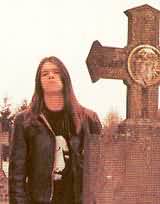 Although one may be quick to argue that that the addition of socially conscious lyrical subject matter such as genetic manipulation and religious strife defines Malleus Maleficarum as a strict Speed Metal album, it is nonetheless better characterized as a highly refined and progressive speed metal album that straddles the death metal fence. Indeed, indicative of their speed metal roots is the common use of hysterical and staccato driven guitar technique reminiscent of bands such as Exodus, Destruction and Slayer that, coupled with an emerging yet competent sense of dynamics, melody, development and recapitulation of themes, successfully places “Malleus Maleficarum” outside the realm of pure Speed Metal and onto a pedestal of its own thereby providing the impetus for not a few debates regarding the essential nature of this album. Not to be missed of course is the embryonic vocal performance of Van Drunen, who while courageously exploring the memes that have driven modern society into calling forth the forces of plague and death to precipitate the end of this current cycle of humanity, opts for a hoarse rasp like yell in contrast to the later visceral death metal growl he is better known for.
 Experience dictates that the modern black metal listener is in essence a “hipster”; a self referential, individualist, egocentric and more or less self-pitying individual. Moreover, experience also dictates that the modern and profane black metal musician has more in common with the lowly pop artist than with the principles and individuals that helped to create the original Norwegian black metal movement.
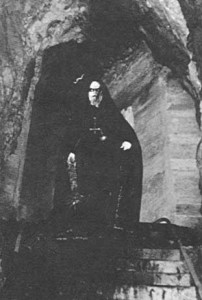 Although such an outright recognition of the Supreme Principle is rarely encountered as explicitly in other black metal bands of the time, the anonymity and symbolism utilized by many of the protagonists within the scene, for example Enslaved and their conscious decision to explore the themes surrounding the Norse gods and the profound metaphysical symbolism implied therein, seems to point to an implicit recognition of higher principles, and perhaps the higher principle itself, from whence an expression of anonymity logically follows.
 According to Hindu tradition the purpose of life is to become united with the ‘Self’, Brahman, the Supreme Principle, that which is enshrined in the hearts of all, according to ones station in life and capacity to do so. Again, this is the same Supreme Principle alluded to above, from which participation in, a true supra-individual anonymity necessarily springs. Although the original black metal purveyors may not have been consciously aware of the heights to which they were ascending, nor of the full traditional implications of what they were doing, it comes as no surprise that when re-discovering their traditional legends that they would inadvertently ascribe to the goal of, and rediscover some of the outstanding tenants of a more primordial, and complete Indo-European tradition, Hinduism, whose purpose again, much like that of the ancient Norse religion, was and still is to help facilitate the discovery of ‘Self’ knowledge, participation therein and the realization that all proceeds from the Supreme Principle.