Metal riffing is usually most successful when there is a large transfer of energy from one riff to another, as this is how the song communicates.
Multiple riffs or layered riffs in the best metal often manage to achieve complex intertwining tension trade-offs, whether it be the battering complexity of tracks like “Fall From Grace” or poignant riffing of “My Journey to the Stars”. Melody, rhythm, and just about everything play into this structuring of music.
Trophic levels seem to be a good metaphor for this:
       -A-
     ---B---
  -----C-----
-------D-------
(Losing energy as you travel up the food chain)
Something like that. Much like how trophic levels have certain amounts of energy being transferred from one member in the food change to the next, riffs have that power as well. The main difference is that riffs are not locked into certain energy transfers, but rather by manipulating this, we can see varied results.
For example:
If we take a band that has very high net energy transfer, we get something like this.
(Energy is transferred totally from level to level; sturdy structure technique can fail if not enough energy spread throughout. Unlike later FAIL in that it has a large amount of energy that maintains interest.)
In this case, we have a song that transfers all energy from one riff to the next. This tradeoff creates an intense song, maintaining power throughout.
Now let’s take something more complex:
-------A-------
   -----B-----
       --C--
    ----A----
(Repetition of A riff later on is given more poignancy by putting in two riffs which help magnify its later recurrence.)
Now, we begin with a riff, before cycling into a riff with a distinct lack of power in comparison to the first (C), but this riff paves the way for the more powerful riff following it, and to cap it off, the initial riff is repeated, creating a sense of importance.
This structure would be a “journey” as ANUS puts it, as the same riff is used at both the end and beginning, but the last one is more important due to interaction in between. (Mind you that there can definitely be more than 3 riffs, this is just an example.)
(Different in that the idea is “framed” inside the music, as stated somewhere else on forum)
Now these are the ways you can FAIL.
-A-
-B-
-C-
-D-
-E-
-F-
(Loads of riffs, but there is no journey or real kinetic friction, so something like Necrophagist could be likened to this, “riff buffet”. NO difference in energy levels, and very little to start with)
--A (It's probably C in disguise actually)--
--B--
 -C-
(metalcore, AKA caveman structure. Very little variance, and the small jump in energy from C to B is pretty pathetic anyway)
Metal is interesting in that it can use both the ambient and riff like structure to great effect.
Let me know what you think, what can I fix, I know I ignored some things. Is this an oversimplification?
As if poisonous arachnoids had woven a sticky web around a hermit of the desolate Pampas, the multitude of savage Angelcorpsean riffs blasts from Desecration Rites’ rehearsal room with hardly any control or structure for the confounded listener to immerse in. The Argentinian blackened death duo did not have the time to execute all matters properly here because of unfortunate circumstances, and it shows in the deprecated, spastic rhythm of machine, the hysterical frequency and bouts of unclean guitar work all over the place. If something is keeping these dogs of sequences under leash, it is the deep, rumbling voice of Wolf intoning Faustian misery from the bottomless depths of darkness, occasionally unwinding power lines of similar effect to Craig Pillard’s majestic demon voice in the eternally classic Onward to Golgotha. For the modern death metal fan expecting a digitized, synthetic robot surgery there is probably no more horrific sight than this deluge of an album, but internally it is far more hypnotic, intricate and deadly than one could hope for. Just listen to the freezing pseudo-Nordic moments of “Death Sentence to an Agonizing World” or the ethereal, solar and jarring interlude of “Carnal Dictum” and you might just get a slight moment of hope in the future generations after all.
Wiht – Wiht
This British debutant lets loose the heathen wolves of war with a triumphant fanfare akin to Vlad Tepes’ famous Wladimir’s March before leading us to a journey of mountainous black metal landscapes, Graveland-esque meditations, ancient English fire-lit caves and Zoroastrian philosophy. The same sort of extended pagan tremolo epics (18 minutes of length at worst) that made countrymen Forefather and Wodensthrone veritable trials to sit through are pretty close at hand here, but the sparkling energy of youth helps a lot; there is a wildness and intrigue that contributes variation in sense even when there is none in content. Much of the logic of the songs seems to be emotionally stringing disparate sequences into a journey or a fictional narrative, which is essentially never a bad choice but some of the material here could be cut off to be brutally honest. Sound quality is the pseudo-spatial vacuum of too much reverb common for demo-level bands, but the instruments are clearly audible and the mid-rangeness is efficaceous. Unmoving and halfhearted chants and throwaway happy riffs are the blight of heathen metal, but Lord Revenant possesses sufficient pathos to allude to traces of occult evil and memories of ancient war at the same time; while this effort is not enough to coin him as a master of British metal, it would be a disappointment to hear these same songs performed by a more professional, disinterested voice in the future, or see him disappear without a trace after such a promising start.
Into Oblivion – Creation of a Monolith
More than one and a half hours of harsh, pummelling death metal is neither a mean feat to compose nor to listen. As if Wagner, Brahms or even Stravinskij decided in the otherworld that these wimpy rock/metal kids have had it too easy and possessed various souls to spend hundreds of nights writing progressive Romantic/Faustian death metal partitures, 20+ minute pieces such as the title track or “On the Throne’s Heavenward” lumber and crush with such interminable weight that it is hard to not feel like attacked by a divine hammer from above as designed by Gustave Doré. You can forget about them mosh parts, since this is material about as brainy as anything by Atheist, with slow-moving adagios and creeping crescendos more familiar from Brian Eno’s ambient music or Esoteric’s hypno-doom than anything in satanic metal realm. Vocals are sparse and it feels like about a half of the album is purely instrumental and this creates a strange calm suspension which might even feel uncomfortable; but compared to The Chasm’s mastery of technique, it still does feel like an essential emotional counterpoint or rhythmic pulse bestowing element is missing, and when the cruel vocals suddenly rip the air, it might even be perceived as a disturbance to the solemn atmosphere. Nevertheless, it is probable that they are going for exactly this synthesis of the intellectual and the primal; the emotional and the physical. So fortress-like, rational, calm and measured that it is hard to connect its spirituality with its death metal origins (even the previous Into Oblivion release), it is certainly an important statement while the cumbersome nature and certain academicism in construction (perhaps “filler” in metal language, the problem of the previous album as well) makes it a bit of an unlikely candidate for casual listening. Anyone interested in the future of Death Metal cannot afford to miss it, though.
Bloodfiend – Revolting Death
Heirs to the bludgeoning power of Escabios and other ancient compatriots, this recent Argentinian sect wastes no time with progressive anthems, intros nor filler in this concise EP of Autopsy influenced memoirs of early 90’s scathing death metal savagery. If the band has capacity for a challenging composition or a range of emotion, it’s all but hidden in this conflict of vulgar and intense demo taped riffs that could originate on any scummy cassette dug up from your older brother’s cardboard box vaults. Even most crustcore bands could hardly resist the temptation to fill the gaps out with something more liberal, but I am glad Bloodfiend do not resort to any loose pauses in their old school attack. The band is not yet quite there in the top ranks of death metal resurgence, but possess more than their share of contagious energy that will make for a good live experience and raise hopes for a more dynamic album.
Exylum – Blood for the Ancients
Brutal death metal cliches abound but also tasteful dashes of improvisational riff integration as California youth Exylum strike from the bottomless depths with a manifest of fragmented ideas like old Cannibal Corpse, Finnish death metal and newer black metal in a blender. Weird effected voices cackle, pinch harmonics abound, chugging is all but industrial metal, drumming provides a solid backbone and the ululation of the lead guitar harmonic reaches a hysterical plane of existence when the band lets go of identity expectations and go ballistic as in the end of “Worshiping the Flesh Eating Flies”. The worst thing on this demo is the tendency to fill space with something simple and stupid like the endless low tuned one note rhythmic hammering towards the end of the title track. When the band is in a more chaotic mode, as in the older recording “Ritual Crucifixion”, the confusion serves to imbue the composition with more blood and action.
Logistic Slaughter – Biophage
As persistence is the key to cosmic victory, it’s gratifying to see that this recent Californian cluster is not giving up in their quest to build a maiming death metal experience which was approached with streamlined Bolt Thrower and Cannibal Corpse tendencies in their last year’s EP. First threatening edges noted by the listener here are their improved musicianship with plenty of rhythmically aware palm-muting and tremolo NY style rhythm guitar riffs interlocking like the paths of ferocious large insects on flight while in the new drummer Kendric DiStefano they have a redeemer from the abhorrent pit of drum machine grind, even though his style tends to approach the robotic at times. The moments where this EP shines is when the brutal backbone operates at the behest of melody conjured by the leads of Mike Flory and Daniel Austi, such as the gripping mid-section of “Exit Wounds” and the Nile-ish mad arab string conjuration in “Litany of Blood”. I’m still reluctant to call this a total winner because there’s a lot of random chugging around as in generic bands from Six Feet Under to Hypocrisy, but there are also subtle technical flourishes such as the lightly arpeggiated bridge in “War Machine” that still keeps me liking this band and following its movements.
The “20something neckbeards who get paid $60k/year to lardass around ‘programming'” on Reddit did a metal survey, and the results were interesting. While not much was revealed about how people enjoy metal, the data on what other genres are also enjoyed was a nice wake-up call, with classical music coming in second place to classic rock.
According to the Reddit metal survey, 61% of metalheads out there also listen to classical music.
Once again the streams of ancient songcraft from the kantele of Finnish past extended their freezing grasp across the ages to bring death-skalds from around the world to gather in a morbid mass of heavy sound at Dante’s Highlight, Helsinki, on the wake of the massively successful event one year ago headlined by the supreme warmongersBlasphemy and Revenge. As if gripped by demiurgish megalomania the organizers deemed that two days of black/death hybrids and Blasphemy clones are not enough, this time the event spanned three nights of violence, bloodshed and alcohol while the weak were trampled upon the mossy floor of the woodlands.
Unbending intent
The gates of Dante’s church opened wide for the worshipers to enter in the middle of the busy workweek of the middle class, but true to the ethos of Death Metal, it didn’t stop the venue from being filled to the brim with headbangers ’til the late AM hours. The attendance of underground gigs in Finland, especially near the capital area, has steadily grown from the meager cult of the 90′s and this contributes to the possibility of gig organizers to summon up massive events the likes of which are unknown probably everywhere else but Germany and USA. By all criteria, three nights of underground death metal mostly in a similar sub-style is an overdose but we couldn’t help but step up to the challenge. Even though the day already had included work, exercise and painting, I dragged my sorry ass up to the venue to get brutalized by the sounds of the foreign bands who deemed to come across the seas to herald the apocalyptic messages of old school Death Metal once again.
Vorum and Neutron Hammer from Finland are decent bands, but I didn’t care enough to try fitting their ritual into the schedule since plenty of chances to observe them await the locals. While traveling through the nocturnal cityspace, which always seems to bring forward a more grey, industrial, overcast threat when Metal is imminent, I inadvertently also lost the chance to see UK’s Craven Idol, reputedly a doomy, crisp and unpretentious massacre. I did get to see Diocletian‘s more old school incarnation Witchrist though, who spent about an hour conjuring a tempo-flipping contrast between Doom and Grind much like the forte of Finnish cult classic Rippikoulu, except lacking for one thing: intricate melody. Without it, the maiming down tuned web of chords seemed like a mockery of the modern war metal ethos with its Black Witchery spawned “street credible” ghetto hoodie “evilness”; lacking a dimension where essential things are said. Tough without purpose, the heartless spawn of urban netherworlds.
The wait for the main band of the evening, for this reviewer the main band of the entire festival, was torturously long since the Californians Sadistic Intent had but just arrived on their star-crossed flight and carefully proceeded with their soundcheck, as if carefully honing their weapons for the one and only decisive battle. At this point the atmosphere at the venue was expectant but relaxed, much less strung than the hysterical chaos that gripped even the most balanced partygoer in the insanity of 2009. When the sadists got their shit together, there was no evading the invincible force of Death Metal roaring from the stage. Sadistic Intent, who never released a full-length album in their career, had nevertheless realized the essence of Death Metal better than all those blackened bands of the 2000′s who were too caught up in “necro” manifestations of ghastly pallor; this band breathed energy, blasted away as if it was the world’s final hour. One of the central pillars of Sadistic Intent’s dark symphony was the sharply dynamic percussion work of Emilio Marquez, though we must not forget the clarity and precision of Rick Cortez’ and Ernesto Bueno’s dueling guitars. Through this band, the young audience glimpsed a mighty vision of the history of 80′s underground metal, with all its sensible and senseless implications – to me, it meant much more than the routine Morbid Angel gig in this land two years ago. –Devamitra-
This sound is no Nirvana
When arriving at Dante’s, I couldn’t help but feeling this visitation was to only a regular festival in the Finnish capital, for so strongly the walls of the old church emitted still the atmosphere of madness from the Blasphemy live ritual a year ago. That being said, it was time to commence the forthcoming aural hammerings. I didn’t see the beginning act, Stench of Decay, due to overlap in my tactical schedule. Them being a domestic act, I presume many more chances of seeing them in the future. Maveth didn’t ring any bells before the festival, and being the quick replacement for perhaps my most anticipated act personally, Cauldron Black Ram, I felt somewhat disappointed and in the end, Maveth doesn’t ring any even now after the whole event! Next up was Grave Miasma, who delivered their material as well as they could, I believe. Their precise playing and overall presence pretty much reflected the visions I have had from their “Exalted Emanation” EP. Even the sounds of the venue, in some odd way, seemed to back up their aural pathworking in the catacombs of darkness.
The muddy sound seemed to haunt all the bands during the three nights and not everyone profited from its nature. Mainly the rhythm and tempo of the bands seemed to dictate the clarity and catchiness of the acts, if one was without better acquaintance of the material being performed. This facet of reality added a huge positive impact into Hooded Menace‘s first live appearance, for their slower, blind-dead-worshiping, doomy metal profited from the overall muddiness of the sound, and structure-wise, concerning the night’s band line-up, their gig acted as a very functional breathing space between the other, more faster majority of bands, while Karnarium played their Swedish death metal of which I had only a few short experiences beforehand. The wickedness of live situations is that even though some bands do sound quite all right from their recordings, the reality of the gig can be just the opposite. All elements are right, but for some reason, the whole thing just doesn’t deliver. Unfortunately this was the case with Karnarium.
Although I expected things from Excoriate, their act suffered from the shitty sound at Dante’s and the whole gig just entirely passed me by, while my comrades praised their straight-forward deathrash brutality and merciless un-pretentious playing. Maybe I get to witness them again at some point in time and space. Also meeting an incognito man of mystery, who bribed me with a 7″ EP of best Finnish death metal and oversees the Finnish underground scene and the happenings from the shadows of the European Union committee, might have added an element of disturbance into following the deeds of the Germaniac necromancers. Nirvana 2002‘s classical Swedish death metal sound echoed throughout the church as the last act of Friday. I was a little suspicious about them being just another band riding the reunion wave. After the gig I really couldn’t tell if it was so. Maybe to some it served as a good soundtrack to beer-drinking, to some it might have refreshed the memories of the early scene of Sweden, and the band seemed to enjoy playing – might have been a reaction to the audience’s reaction. I guess that those not into the Swedish sound didn’t really get much out of Nirvana 2002, although they were supposed to be the very headlining act of the evening. –SS Law-
Towards the mist-enshrouded Infinity
For those who have not inhaled anything like the cold, northern atmospheres of Finland, it’s possible that they have never really taken a breath at all and filled their lungs with so much ancient mystery and natural purity. That these primordial dimensions of the Finnish experience could give rise to such canonical works of the Metal underground as are unquestionably from this realm, in all their brutal and grotesque yet contemplative and spiritual totality, is a unique and unsurprising fact. To be in the company of two proud Finns, journeying through eerie woods of twisted fractal forms, landscapes that crumble before the sea to be swallowed by sinister mists, and sites of the unknown dead, buried by millenia and rocks is nothing short of an education in the origins of Finnish Death Metal. An education that would close with the ultimate but unofficial final statement of this 3-day long Black Mass Ritual, taught by true professors of unholy metaphysics.
The doors of Dante were already wide open and broadcasting the buzz of hordes and other indeterminable bestial sounds from deep within, as one more apocalyptic night of darkness and chaos was underway. The bloodstained figures of Cruciamentum were the first band to be witnessed onstage as their set was nearing it’s end. The familiar polish and precision to their otherwise rumbling riffs, like a more rhythmical Grave Miasma, would be a sign that the sound of the venue would be favourable to this kind of band who played according to a careful dynamic framework, only to leave the blasting War Metal legions that comprised the middle-era of the evening struggling to convey their manifestos with enough clarity to lead any would-be army into battle. Blasphemophager from Italy followed with a set that would epitomise all the technical difficulties of the festival, with a lengthy period of being at odds with the sound before finally commencing their angry and drunken attack; a musical mess but nevertheless potent in the way the band creates a time-travelling vortex of sound, caught between the war worship of Blasphemy and the tropical heat of 80′s Death/Thrash from Brazil. Though not as peturbed by the failings of technology, Diocletian‘s sound would receive no favours from the set-up, with the indistinct noise of raging guitars falling short a much needed quality in this type of band, to justify their existence apart from the countless others who cast global nuclear omens. If there was any positive element of these New Zealanders’ performance, it lies exclusively with the hands and feet of their drummer, an expert in militaristic precision and the cascade of bombed city ruins and rubble.
With civilisation’s demise at least envisioned in some form, the time of more abyssic and introspective prognostications had arrived in the form of the legendary Death Metal band from Loimaa, Demigod, to once again reveal the eternal fate of all mankind. With all but a session guitarist returning as the force that channelled the transcendental ‘Slumber of Sullen Eyes’ album – one of the undisputed masterpieces of the genre – this was something of a special moment for anybody who recognises the importance of Finnish Death Metal and as the introductory keyboard motif of ‘Apocryphal’ finally sounded, this was the signal that the atmosphere of the venue was metamorphosising into a Dead Can Dance state of mystical curiosity. The band’s near perfect, though slightly re-ordered rendition of the album was a masterclass in riffcraft and energy as only the most elite Finns know how to deliver, demonstrating control over the requirements of their complex sound. Most notoriously is their penchant for disharmony which gives the songs their expansive and cosmic sense of beauty, as the blasphemy and discord of tearing down layers of ignorance and the control of human terror only serves to reveal the awakened visions of reality. Closing the set with the ‘Slumber of Sullen Eyes’ song itself, echoing those final words behind the mists of eternity, Demigod had completed a mesmerising and what should have been a headlining performance and dispelled all memories of the last couple of albums associated with this band.
Having shown all the young guys how to do it, even with an aging roster of musicians, Demigod entrusted the stage to one of the few worthy inheritors of true Death Metal spirit that remains in this current age. Greece’s Dead Congregation provided a highly competent and tightly delivered set that surprised the fuck out of the entranced onlookers. The sound was well-balanced enough to facilitate both the most crushing riffs and otherworldly ambiences, showing the strength of melodic composition as spectral leads passed through songs like an occultic storm of neutrinos. Dead Congregation demonstrated how they excel where other bands in this style fall straight into insignificance, putting many acts on this bill in their places. However, holding the supreme position on this night, as the night grew old and entered the early hours of a new day, Necros Christos had the daunting task of not just following two excellent bands, one being exceptional, but also risked lulling the entire audience into a deep sleep. Perhaps it could be said that they did just that, but with confidence and morbid intent, grasping the reins of the creeping, collective subconscious and transporting the entire venue to distant lands and times where the revelations of Hebrew gods are oppresed by the rule of tyrannical death-worshippers. Even Dante’s mists turned into a deep sandstorm as the cyberchrist-like figure of Mors Dalor Ra addressed the bloody, brainwashed crowds and launched into the sardonic dirges of the ‘Triune Impurity Rites‘, while introducing the promising and lengthy compositions from the upcoming Doom of the Occult. This veteran act concluded the night’s ritual with a sense of overwhelming evil power, regality and clarity, leaving the hordes to disassemble in a daze of hypnosis. A fitting end to the festival, and definitely justifying Necros Christos’ headlining status. Only the blackness of the morning unlight remained, to disappear into the mists where, in the words of Amorphis, “men can realise the meaning of life”.
Alan Moses (Butterface zine) and Brian Pattison (Chainsaw Abortions zine) are the death metal zine editors who compiled Glorious Times: A Pictorial of the Death Metal Scene (1984-1991). They also promote the A Day of Death series of concerts and have been active in the death metal underground up through the present day.
Glorious Times: A Pictorial of the Death Metal Scene (1984-1991) covers the formative years of the death metal underground in the words of its participants and as a result, is not a slick product designed to hype the drama of the scene but an in-depth exploration for those who care to exert themselves to learn.
We are fortunate to get a few moments of their time and to hear how Alan and Brian got into metal, ended up starting their zines, and almost two decades later resurrected it all with Glorious Times: A Pictorial of the Death Metal Scene (1984-1991).
When did the idea hit you for this book, and when did you think, “this might actually work”? I understand that both of you published paper zines, and that you Alan worked for Morbid Angel (gods among men) and that you Brian had a radio show and promoted live shows, including the infamous A Day of Death. Would you have undertaken this book without that background?
Brian: The idea came about in an off the cuff remark Alan made in an email to me in May or June of 2009. He mentioned having a photo album on his coffee table with old pics he had in a collection. I like that idea, then just thought it would be cool to have something like that in actual book form. In later discussions we agreed it would be even cooler to have stories from friends (the bands and ‘zines of the era) to go with the pics. I would say by possibly early Sept of 2009 we thought the book might sell some. We had begun getting emails from bands we didn’t contact ourselves and other people who had heard what we were doing and wanted a copy for themselves – originally we intended to print two copies, one for Alan and one for me and that was to be it. it’s hard to know if we would have done this without having the backgrounds we do. it would have been a lot tougher for sure. doing what we did back then made people remember us so it was easy to get stories from Chris Reifert, Kam Lee, Henry Veggian, etc.
Alan: I was probably a world more skeptical than Brian about it. After all it was an off the cuff statement I’d made in an email to him, a single email among I don’t know how many others. I forgot about the subject, but Brian went away and mulled it over for a while. He doesn’t just step into things blindly so he’d been thinking of all the hypotheticals before he came back to me with his thoughts of actually making a physical book, beyond just 2 overpriced copies via an online publisher, which was the original idea.
My mindset was way more cemented to the ideas about digitizing our combined audio tape and video collections, than any book concept, at first that is. When he came back to me with “oh I have been thinking about….” and went into details, I remember thinking “holy f%!k the guy’s gone nuts” haha but the more he argued the case (so to speak) the more I warmed to it.
It’s hard to say whether those things from our pasts played any part in it or not, I don’t know how much background the creators of any other books had in this music – so I have no idea what their drives are. In the past I’ve often been asking about doing a book of some kind – but laughed it off, or even if I may have entertained the idea for a couple minutes at best, my life was not the sort to support any such endeavour until recently.
Maybe our collective contacts proved helpful in doing this, but then again many old friends have ignored or turned down the chance to be a part of GT as well, and some times it seems to me that an unknown newbie off the street has better success these days of reaching OUR old cronies than we do, especially if they have tits and whorish looking myspace profile photos haha.
What advantages does a cut-and-paste or photocopied zine have over its electronic counterparts? What disadvantages? Are paper zines still relevant in the same way, now that we have blogs and mp3 trading to make life easier?
Brian: A big advantage is price. Making a ‘zine the old way you didn’t have to print thousands; you could just run off a few copies and assemble them yourself, sometimes as needed. Biggest disadvantage to me would be all your pics would be in the lack of color for cheaper copying. Paper ‘zines could still be relevant if people bought them. The paper ‘zines of our day were often put out by people who became fans of their local scene first, so those ‘zines were great ways to find out about bands that didn’t get national exposure.
Alan: Well, for a start, paper zines can be brought to the shit-house, so for most men, that’s the place they get to read in peace anyways hehe – if they have a family anyway.
They can be brought back out at leisure, wherever, and don’t dictate the need for all this extra technology or internet connections to read – especially in countries that have the system dictating how much bandwidth you can have and at what speeds you can use it, such as Australia and other third-world-internet-countries.
In many ways the print zine might be making a comeback, or seems to me to be making one, as people are beginning to leave the textureless internet and return to a more biological physical based enjoyment of all the trappings that come with this music. On the other hand though, as many print zines as I see flyers and adverts for – how many do they sell? Is it the same concept as when we made them, the concept being that we didn’t even care about sales, it was a labor of love and devotion.
The disadvantages of printing and postage costs and garnering physical mailing addresses as opposed to email are the main issues I guess, whereas today anyone can be a blogger and start a webzine or start trading mp3 with little to no background in this music. Contacts were hard to come by back in the day, and it was an investment to buy cassettes and establish a good stable of quality traders – it was based on hard work and faith, and that was evident from the list you had to offer trades from.
The bottom line is though that for the most part, only glossy magazines get the business and they cater to the borderline or fully blown corporate bands and their fans, that’s where the money is. That type of fan would snub their nose at a photocopied zine without a doubt – they only know glossy music and images, so there’s not much to be done on that front but leave them to it. To transcend the money issues on an underground level, ofcourse digital means greater speed and coverage – but we are sacrificing an entire facet of the experience in so doing.
Do you think mp3 trading is superior to tape trading? Does it help people find music, overwhelm them with too many options, or both?
Brian: HELL NO, mp3 trading is not superior to tape trading! For one thing you’re dealing in crap files, anyone who truly loves music would not listened to their stuff in a crapped down format like mp3. Tape trading was great, you’d get the stuff you requested and then usually a little bonus material as tape filler. In ’89 that bonus stuff could have been short demos (like Immolation’s ’89 demo) or live stuff or rehearsals of new bands like Mortician and Incantation who didn’t have demos. With mp3 downloads you just get the tracks you’re looking for. MP3 trading may make it faster to get stuff, but it has help destroy the scene. The personal touch and friendships that were made through tape trading just don’t exist in mp3 trading.
Alan: No, I don’t think it’s superior per se, not for the most part.
The exclusiveness is totally gone now. Grandma can plug her dentures into any USB port and now obtain live audio which was reserved on trader lists as “not for trade” like the old Genocide recordings (pre-Repulsion) were and is instantly metamorphosed into an old school Genocide fan. Now that exclusiveness has been sacrificed, yes, it certainly does immeasurably help people find bands they really like, whatever the style is. I wouldn’t have found totally kick ass bands like Punch or Question otherwise (both amazing hardcore punk bands) – stumbling into a blog lead me to “try” them out, like you would that unknown band on a trader list, or put on a trade at the end to fill the blank tape and see if the recipient liked it or not – that’s the same concept, so it does works.
It’s only when they start mass messaging you to “vote” for them to become the next reality-concepted band and “win” a Myspace or whatever label contract that it gets abnormal. Conversely – from a corporate mentality you want to market what the plebs want to hear, so you want that newest Kelly Clarkson or Mr. Hanky band brought to the table, by the very plebs you want to fleece with it anyways.
Then we get to the whole push-pull thing, and face the issues of whole albums being ripped and copyright and the rest of it.
It has the capacity for both effects though, no matter what, and the serious adventurer into this music better be prepared by wearing a shit proof suit – because they are going to swim in shit before they find the gems.
What kind of audience does old school death metal and Glorious Times have, and how many of them are carryovers from the original days?
Brian: Old school death metal seems to be regaining favor, thankfully. As a guesstimate I would say roughly 1/3 of the people who bought our first printing were people from the old days. Our sales pretty much ran the full spectrum of fans, we sold to a few in their early teens and a few that were over 50 yrs old.
Alan: We have people from our era and younger, although the younger are far less represented. Mainly, we gather, because we haven’t had any corporate mechanism behind us to promote things – only the really attentive youngsters caught on so far, because we are out of their more cashcow oriented world at this time. Unless you really use myspace ALOT or saw a quick blurb at Blabbermouth one time, we would have missed GT pretty much, that’s because we had no money to promote and people are guarded about what they throw their money at.
If we had Shane Embury ‘endorse’ the book, haha, we would have been picked up by most of the publishers of metal oriented books probably before the thing was even out of the draft stage haha.
Musically speaking, there’s so much more folks drifting back to the old bands and the old feel of things, since they’ve got a bit wise to the genericisms of the music today. Don’t get me wrong, some of the bands coming out with stuff these days are phenomenal (cough Malignant Tumour cough Master cough) – but we see letters every single day from a vast array of age ranges wanting a return to the Glorious Times, and there is an undercurrent of feeling disatisfied with what the state of affairs has become.
No matter what, death metal fans have always been really die hard. I think most people realize that there’s more dedication in general, compared to other music styles. Hardcore and the derivatives is the same ofcourse. They might have dropped out of sight due to life’s circumstances, or come back and become more active, and the old classics are still classics to them. Some may continue to venture forth to try to find good bands from the newer generation, which is what Brian and I do (although we are both as into hardcore as well as other extreme music, not just death). But we are not so sure the new young bloods adopt a similar philosophy because the whole shebang is different for them. They have ease of access but the exclusiveness is tainted by their having been spoiled by the technology.
We rest well, in the knowledge that so many old hands at this have stated publicly that GT is something no true death metal fan should be without, and so far only the hardest core have it. We have yet to be able to change that, and give other people, with as keen an interest, a chance to check it out. Most of GT’s appreciation base understands the importance of hearing the individual memories from the very people who lived them rather from a stale 3rd party who either wasn’t really active back then, or was simply too young or not even born. I am the sort of person that would rather read an autobiography than a biography, and GT fans respond to the concept really well, they are whom we made this book more available for anyways. Nobody else.
What’s the difference between then and now in terms of what fans expect, how bands act, and what people expect from the music?
Brian: Most fans today expect everything for free. They won’t spend $3 to buy a band’s demo because someone else will and that person will upload it to a blog. Bands act differently, some just stay backstage and don’t mingle with the fans forgetting that they are nothing without the fans and that they too were once just fans. Some bands don’t though, Alex Webster (Cannibal Corpse) still goes out and mingles with the crowd and will talk to anyone. Nowadays with the rise of digital recording people expect every recording to be of great quality, which is a shame. There’s some special about getting a rehearsal tape or poorly recorded demo, you know the band is in it for the music/for the fans, not to try to get signed and make money.
Alan: I can think of a few major household names today, from the old days, whom have made a 360 degree turn around from their former mindsets, and have totally turned their backs on their old fan bases, in favour of the adorations of a generation raised on rock star worship again – like the thing got killed by the underground and has been brought back in some sort of grandiose version of itself. Similarly, others from the same fold are still as grass roots as ever in their mindset and haven’t been poisioned. Then there’s some that are just as indifferent to their fans as they were then, and have atleast remained consistent on that level.
The fans I think, have made a major political shift – because the bands are more accessible to them, yet the rock star worship has been elevated – you’d think that would be the other way around? It wasn’t like that before, there was more of an even playing ground between a band and the fans usually.
I guess that is a symptomology of having years and years of success that eventually there is another generation born that sees things with a different set of eyes, with different value systems. Entertainment-wise anyways.
Do you have any insight as to the relative importance of fanzines in different parts of the world, if any? Who were/are your favorite foreign correspondences?
Brian: Fanzines back in the day were hugely important. those were the early years of death metal so it didn’t get coverage in the glossy music mags. If you wanted to read an interview with Immolation, Prime Evil, Insanity, Nokturnel, etc you had to find it in a ‘zine. You didn’t just want ‘zines from your area or your country either, you wanted them from all over so you can discover new bands, remember it was before the internet and myspace so to discover a band like Death Courier from Greece you had to either read about them in a ‘zine or happen to get a flyer of them from a tape trader. now of course my favorite correspondence is Alan, back then it was probably Walter Garau (Ass Ache) from Italy.
Alan: Certain zines were vitally important. Blackthorn from Denmark, Uniforce, Total Thrash etc from the USA, Decibels Of Death and Ultimate Speedcore Dislocation from France, and the legions of zines from South America were vital in exposing bands from everywhere yet still had enough from their own countries to be interesting – well there were an abundance of interesting bands though back then too. I had penpals in so many countries and it was always magnificent to hear from them all, I used to hear from most of the editors from the zines above, and traded with a number of them directly – and they are just the tip of the iceberg. My favourite correspondences would have been Lars Sorbekk (Vomit (Norway)) and Trey back then, but that’s a bit unfair because I truly reveled in hearing from EVERYONE. It’s the same today really, but Brian is the doss because we are doing so much together there’s usually something exciting or frustrating or whatever every single day.
Did you expect the exposure to bands you received when starting your respective zines?
Brian: When I started my ‘zine I just wanted to expose local bands to people elsewhere and have something of my own to put out to give me access to bands from other areas to interview and to expose to my locality. In the end my ‘zine did much more than that for me, it created life long friendships.
Alan: Yes I did, because most of the contacts were already made well before I started Buttface. Things were really taking off in 89 and 90 but by 1990 everything was put on hold because I relocated to the US and Buttface was never kept alive either there or in Australia by my co-editor Stuart Maitland. It’s been funny explaining to 3 kids why people still call their Dad ‘Buttface’ haha
You’re planning on mailing a live CD with bands playing the A Day of Death festival to people who pre-ordered the book. Can you tell us more about this CD, what it sounds like, and what these performances will reveal to those who hear them now, especially fans who weren’t there for the original underground?
Brian: We had several ideas for CD companions to the first pressing of the book, all of which fell through because we were never able to get material from the bands. we did the A Day of Death download to go with the blog, not every band from the show, but a solid five. We were provided DVDs that John Verica recorded that day, since he only recorded some bands that’s all we had to work with. If we had every band it would have made one hell of a CD. Fans who weren’t there could have expected to hear bands that became legends playing in their infancy.
In other interviews, you’ve mentioned the negative presence of corporate labels, of glossy magazines and hype machines — in short, the nasty end of consumerism as it turns music into a product. Do you think it’s harder for bands to be authentic, sincere or legitimate when they go corporate? With people raised on corporate rock and slick radio pop, is there an “awakening” process as they leave behind that world? Do you think corporations will simply buy out the anti-corporate movements and make them “niche” markets?
Brian: The big labels have always done that. They find a fad, latch onto it then just kill it. In their view if one Entombed is great then 30 is even better. If one band makes it big after using Scott Burns as a producer then every band starts using him. It all became a big machine, bands getting signed that should not have been. Lots of cheese being passed off as the latest greatest when they were just shabby clones of the original. Some people are just sheep and don’t want to be awakened to what is out there; they’re perfectly happy being told what they should like. It’s hard for some bands to stay sincere after signing with a big corporate label because of a few things…they feel the pressure to sell more, they start writing stuff in studio instead of in rehearsals, they have people (A&R guys) to answer too, etc.
Alan: Definitely, if they were sincere at all to begin with, which really 99.9% of the founding fathers WERE. There’s definately an awakening process to be had, if the person has the right mental dexterity to unlock it though, alot of people simply don’t possess it and have to be told what to listen to or how to think on every single issue, it’s the nature of the sheep that must be herded. There’s a small percentage that slip through the gaps and they tend to crave more direct expression and more enthusiastic music – like extreme metal or punk. While I don’t think corporations could buy what the youngin’s call “d-beat” now days and have grandma shopping in a Besthoven shirt like she does a Slipknot or Morbid Angel shirt today – anything is possible, and with the correct conditioning and the appropraite funding they could possibly do it – let’s face it – they can convince people to buy and eat a s%!t sandwhich if they put their minds to it.
One of the topics bands seemed to mention in the book, but only directly, was the rarity of these glorious days you describe. After all, death metal was then like a young child growing up, and now it’s a well-known and accepted adult, so it can never be “re-discovered” in the rise from obscurity like it once was. Were those glorious days singular and limited to that time, or will they happen again?
Brian: You can get something similar to those days, but it can never be the exact same. It can never revert to being as fresh and uncontaminated as it was. It was a singularity: 1984 was the big bang with the next few years of dramatic growth being the formation of the heavier elements and then the years up to 1991 would be the planets forming and so on. Late 1991 and into 1992 would be the birth of man and as he did with the planet man ruined a good thing.
Alan: There’s no returning, and that’s not what we call for either. We’d simply like to see a recognition of the era, no different than all the weenies running about and calling this “classic rock” today. Personally I am gun shy of all the bands that the glossies really push and have been anyways – they spat at Morbid Angel back in the early days, but now stop short of getting on their knees infront of Trey’s pants. Makes me sick.
Alan, you talk about leaving the mainstream as a gradual process, like a seduction. What is it like to live with a mainstream consciousness, and how does your outlook on the world change when you go underground? Is mainstream music different in consciousness, spirit or idea, and is that what makes it “sound” different and have different effects on us than underground metal?
Alan: I don’t think mainstream music as such is the same since it’s created with an alien mindset to begin with. Music created by a bunch of kids today – or 30 somethings even – that is written with, how do they state it in their bios? “looking for a recording contract and world wide touring support” – that is laughable. What’s worse is that the label’s consciousness has infected them into thinking they are even remotely good enough to create such music. It’s feeling, and you have to wade through alot of junk to get anything of substance. The process of leaving the mainstream is usually gradual I think, or else it’s jumping on another band wagon. As much as “sound” is importan t I think it’s feeling that’s as important – music of any kind without feeling is piece work, and shallow and therefore mainstream.
Is death metal music different in consciousness/spirit/idea, so that when different people hit on that same idea, they make music that sounds similar, even if they haven’t heard each other? Did that happen in the underground (parallel evolution)? Do you think people have to be ready for metal before they find metal, or vice-versa?
Alan: There was definitely evolution and hybriding – out of respect and pure influence, like the infamous Scot Carlson bass on Shane or the Kam Lee wipeout on Barn to name 2 influences. It was pure though and not a contrived means to cash in, like viewing a cupped vocalist in a photo today and knowing that 99.9% of it will be Suffocation’s 2nd generation music, clone based upon a band’s success 20 years after they made a ripple in the waters. They definitely need to be craving something on a deeper unconscious level I think – much of what we enjoy appeals to the baser instincts, and those lay in the Id. On the other hand so many of the bands, whilst being into whomever they were really into, still evolved to their own standards and were not clones at all. So there was evolution but being paralleled can be argued I guess. Perhaps we can say no to that statement since nothing is equal or the same in nature, evolution embraces difference not similarity and clones are not evolved, they are premeditatedly produced.
You’re planning to re-release Glorious Times in a wider fashion. When’s this going to happen, and are we going to see it in bookstores across the world? Why did you decide to release it in a limited fashion first?
Brian: We don’t have a set date yet. I’m getting a new publishing program and we’re redoing every layout, changing some pics, adding some bands to improve the book. We’d love to see it in book stores, but given it will still be just 2 guys doing it that’s not likely. We will print more this time so people will find it at places like Century Media and other metal distros. The first pressing was so limited because it had to be. We had $0 starting balance and to get it printed at all we had to take pre-print orders and the money from those orders paid for us to print books for those orders. So, we had roughly 150 pre-print orders and that gave us the funds to print 153 books. This time it will be much different, no pre-print ordering, wewon’t make the books available for sale until we have them. Now we just have to raise the cash to reprint it.
Alan: Brian has hit this on the head and there’s little I can say to complement it other than indeed, it was limited out of sheer having to be since we had no money and we were turned down by every single publisher. Period. We’ve heard every rejection reason in the book now. We owe everything to our contributors and supporters – without them, there would have been 2 books nobody saw but me and Brian. I personally do not forsee any reprint in the near future.
I remember this being something talked about a lot: how musically literate were the early bands?
Alan: Most bands were self taught. That’s a fact. Self taught and on a learning mission. They pulled it off though, you can have some kid sent through private music school for 10 years and grows his hair out, buys a trendy t-shirt from Hot Topic and they still produce garbage.
Brian, A day of Death was in my view the ideal death metal concert; how did you get up the gumption to organize it, and death with the business side of things, and get the bands to agree? Do people ever contact you who were there?
Brian: First I have to say, my old friend from those days almost always gets overlooked for this and he should definitely get his credit – Joe Pristach (Mosh Central ‘zine). It didn’t take much gumption at all, remember at that time most of those bands were still just demo bands. The idea Joe and I had was just to get a show of out of town bands that we wanted to see and that we were for the most part friends with. I didn’t deal with the business end, the club did that. Joe and I just handled the promotions side of it. Getting the bands to agree was no problem at all, any band of the day would have killed to play with Autopsy on the east coast. I don’t get people contacting me out of the blue about that, but once they find out I did Chainsaw Abortions ‘zine and hand a hand in the show they ask a few questions or make a few comments.
One of the big fears I have, as a death metal freak, is that the record of our glorious times will perish. CDs are going out of print, and memorabilia and documents fade and disappear into attics or worse, dumpsters. Is there any way to keep the spirit alive?
Brian: The old spirit is still alive, it’s just on a much smaller scale. bands like Fondlecorpse, Swamp, Druid Lord and some others still do things in the old school ways. There are still a few ‘zines that do things like the old days – Deathrasher ‘zine as one example. It would be great if there was a sort of museum or storage facility where people could send their pics and flyers and memorabilia that they no longer wanted, that way it would be preserved for future generations – people could donate or lend materials to it (a sort of death metal smithsonian) then everything document could be scanned to a high resolution and saved to multiple discs, then as if it also acted as a library people could do research there or ask about things in the catalog.
Alan: Brian has hit this too – and all I can say is GT stands amongst the real few striving for rememberance the way we feel it should be, not just a few pages in a magazine as a result of us doing the book.
Brian, you say you haven’t heard any bands that grab you the way those 1980s bands did — is that because they have a different consciousness/spirit/idea? What about the late 1980s and early 1990s made that consciousness or idea so clear for these bands? Was it something random, or were they responding to the time around them? Do you think this spirit will rise again?
Brian: What made those times special was the music was new. Each area, each band providing a new take on extreme music. The 1st and 2nd generation death metal bands had different influences than the bands of today. todays bands are influenced by death metal, but of course the original bands weren’t influenced by that because it didn’t exist before them. I don’t know if i’d say it was clear for the bands of the late 1980’s and early 1990’s, they just all wanted to go heavier or faster or slower than their idols.
The spirit is still there; it’s the scene that’s gone. The internet has made some things easier and perhaps better, but it has also done a lot of damage. Almost all of the personal relationships that happened back in the day don’t happen now. Kids today will visit a myspace page and download songs so they don’t get to build relationships with bands like we did way back before the internet. I still have letters from bands from back then, will kids today save their emails and myspace messages to look back upon in 20 years — I don’t think so.
Do I think things will become as great as they were? With all honesty, I would say no. Is it possible, sure, but it requires a lot. The bigger bands have to stop doing 4 and 5 band package tours and go back to doing 1 and 2 band tours, leaving room for local openers at every show. Bands have to stop making their stuff available for download for free and either just release CDs or charge for the download (made available in flac and empty3), they have to wean fans off of expecting free stuff.
The free stuff should be a bonus, not a given. People have to start realizing that supporting a band doesn’t mean just friending them on myspace or hitting the “like” button on facebook, you need to buy their demos, shirts and other merch, you need to go and support your local scene, not just when the nationals come through.
On the 93rd (number of the Thelemic Law) anniversary of the independence of Finland from the Russian Empire, let the northern lights flash their yearning flames beckoning the souls of the fallen warriors of the Civil War. While it may seem to some as a sacrilege to play anything but the Romantic sylvan mystery plays of Sibelius, the true heir of Wagner and one of Finland’s national composers, the early death metal symphonies of Oulu’s Sentenced epitomize a great deal of the same thundering natural melancholy. Following the youthful, reaping, Dismember-esque debut album Shadows of the Past, the musical theory of Jarva, Lopakka and Tenkula turned like the Roman mythical Janus statue two ways at once: towards the pure riffcraft of Iron Maiden and the ethereal, streaming melody of Nordic black metal. Much like At the Gates had captured nearly protestant-religious passion and sadness in Sweden, Sentenced managed to concoct music which was worshipful, raging, realistic (even pessimistic) and imaginative all at once, in defiance of the taciturn apathy characteristic (like alcohol) of the working class of northern Finland. In Sentenced, the pent-up rage of skeptical and prematurely cynical young men was transformed into elaborate poetic reflection.
Power metal riffs in a death metal production would later experience a horrible mangled mutilation death in Children of Bodom’s excessive rock stage theatrics, but the sharp minds of Sentenced treated their source material with such profound affection that heavy metal, thrash, death metal and black metal weave into each other as interminable patterns of tangled paths amidst hypercosmos – a Northern Finnish shaman’s spell. The careful production recalls the most biting moments of Kreator while the technical skills of the guitarists are on par with the hallowed “prog” moments of Atheist and Death. The songs hardly suffer from any useless repetition (the anthemic verse-chorus structure of “Awaiting the Winter Frost” serves a specific purpose in exclaiming the satirical “heavy metal victory” over the forces of light, while it is deliberately obscured whether the narrator is a man, a beast or a spirit). That North from Here was never Sentenced’s most popular or esteemed moment is a total wrongness, as Amok followed on the footsteps of this work adequately, but only that. One of the strongest candidates for the best Death Metal album in the history of Finland, the bewitching maledictions of North from Here, from “Capture of Fire” to “Beyond the Wall of Sleep” (and practically any piece since there is no filler), achieved the aims of “Gothenburg” much more effectively and impudently than the horde’s western neighbours.
Satan is dead. At this point it’s clear that you either go full Nietzschean with materialism, and try to find inspiration from aesthetics, or try to find a religion outside the humbling dualism of Christianity. People are choosing religion, demographically, and religion is getting more scientific because it must to not get blown away by changes in attitudes. At the same time people are also getting more conservative because the modern disaster has finally started to show. We’re totally out of control of this society because everyone is equal, so you can tell no one that what they’re doing is bad (unless it’s really obvious, like murder or mass orphan rape). All religious people with brains are starting to adopt a Blake/Emerson transcendentalist view which refutes dualism, although the dumb masses are always going to need some kind of absurd promises. This means the point in being Watain is not there anymore, since they’re fighting against a phantom from the 1980s, when we all thought Christian conservatism was going to destroy us all. It turns out the Christian conservatives saved us from the Soviets, and now we’re seeing that the hippie way of life just leads to more pollution, hatred, racism, misery and despair.
Futurist metal is going to take a Marshall McLuhan/Voivod approach. Like the best of sentimental mysticism in metal, it will probably embrace the idea of a world beyond this one, although not a dualistic one, more likely one in whatever n-space “m theory” or quantum entanglement proposes. Instead of being humanistic, it will focus on exploration, conquest and discovery. This will be how it transcends the Christian dualism and Jewish guilt-based morality that is inherent to all Abrahamic religions including Islam (and at this point, Judaism has been too Christianized to survive the onslaught, which is sad as it was the last hardcore literalist religion). Nietzscheans in space, exploring micro-organisms, finding ways to tie occultism and Platonic forms to our new knowledge of sub-atomic particles, string theory and emergent patterns. When you think about it, all prog bands want to be Voivod without the candy parts anyway. – Pray for Satan
Satanism in metal is so 1980s. Back then, a revolution: discover the occult under the slick modern skin that was really only three decades (one generation) old. So when people head for the safe, you remind them of death, mutation, disease, suffering, defecation, sodomy, and occult insistence that Evil is as important as Good, and that’s another way of saying both are human perspectives only. Nature doesn’t care whether it does evil or good, it just does what it must. But now, in the 2000s, everything is permitted. We need a new mythology, not a negation. If you have Satan, you need God; if you have God, you need Satan. Now, we all know that Jesus Christ is a liberal, a Communist and probably a free-market anarchist or at least free-love hippie. But he’s sort of immaterial, he’s a popularization of the Old Testament message. Whatever God we have, it’s the same God, much as we say the word God in many different languages; every religion describes the same world, the same God, and struggles with the anthrocentric concepts of Good and Evil. If you have Evil, however, you must have Good and vice versa. So it’s time to reinvent the mythology from within. If you want to destroy Christianity, take it back to its Pagan (Greek) roots and admit the archetype for Jesus Christ was Socrates. If you want to destroy modern soulless Judaism, embrace the original demi-gnostic hermetic Judaism. We are all together in each of our nations fighting for the same world, and different interpretations of the same truth. Metal needs to embrace the futurist aspects of science joined with a mysticism of logic that doesn’t depend on a dualistic god or inherent meaning.
Production: The first three tracks showcase the studio work of Jim Nickles, and make the latter three, which are awful tape-grade garage production, sound like a middling 1990s studio with moderate volume, good tone, and reasonable bass. For the most part, he’s album to separate the instruments, which avoids the kind of washout frequent in recordings of this era.
Review: Before they were a thunderous death metal band, Malevolent Creation started out as a late speed metal band in the style of Slayer’s “Aggressive Perfector” matured a few years with influences from Metallica, Massacra and Sepultura. Unlike most early death metal bands who sound like primitive chromatic punk making warrior metal, this three-song 1987 garage recording shows us a sound comparable to Artillery, Devastation and Nuclear Assault or any other second-tier bands that lacked the rock sensibilities of Metallica but borrowed their technique to mix into a Slayer/GBH fueled frenzy. Riffs are short and use rhythm more than phrase in the death metal style, and like other speed metal bands, Malevolent Creation use catchy bouncy choruses which repeat the song title multiple times. Their verse riffs are more in the Slayer school, and their choruses more the Metallica style of broad intervals permitting harmonization, which creates space for lead guitar and vocal melody. Had they continued in this direction, Malevolent Creation would be a promising power metal band today. The first track, “Sacrificial Annihilation,” is a pure speed blur that calls to mind early Nuclear Assault; “The Traitor Must Pay” follows with familiar pieces of music from Malevolent Creation’s first album, and sounds like Slayer crashing into Massacra; finally, “Confirmed Kill” borrows a Metallica chord progression and puts it to good use. It’s good to see this historical document riding again so the rest of us can explore the genesis of Malevolent Creation.
Black metal is in the process of being legitimized. This is what Until the Light Takes Us and Hideous Gnosis represent. This is not inherently bad, as long as we remain critical of these outsiders. Its growth will allow for us to split off again and continue down the dark path. Black metal’s path to transcendence is in leaving metal behind.
Black metal’s real problem originates in its desire to stay true to its roots. The reason for this is that the roots transcended metal, but bands are over and over again attempting to recreate that by following the exact same musical structure. This is absolutely the wrong way to approach it. What made black metal great was not distorted guitars and gremlin vocals, but the spirit that led to those musical choices.
I think the problem isn’t too much black metal, but too much metal. The “metal” that most people know is bought and paid for, an image sold to them by Hollywood movies, satellite radio, and record labels. With the existence of the internet and file-sharing we are now able to reach a whole new niche with music, the ordinary educated middle-class person. Let this new crowd reject the leather jackets, drug dependency, and zero social mobility of the metalhead primate.
If we want for metal to transcend what metalness means in the hands of those groups, we need to take two steps:
First, the music itself needs to change. This is not nearly as complex as it may seem. All the arts are simply sets of limitations; the artist works within the limitations to create something profound. The limitations of the art-forms drastically change the potential of the works within. These limitations are referred to as structures, such as the verse-chorus structure of rock, or the strict syllable rules of a haiku. A simple enough change will completely alter the genre of black metal. Let us remove percussion entirely. This is not a superficial fix. In fact, its tendency to take away the value of vocals and percussion is what originally gave black metal its power. This was the path Darkthrone took in the simplification of its percussion in Transylvanian Hunger. Let’s continue down this road and remove the drums entirely. Listen to Burzum’s Dominus Sathanas or Judas Iscariot’s The Clear Moon, and the Glory of the Darkness. Both songs greatly transcend most of the other works of the artists. By removing drums, artists are forced to compensate by improving the other elements of the songwriting and make them more complex, and in this way this kind of music will further focus upon and emphasize where it shines in the first place and that is in melodies and atmospheres. Alongside this it will clearly distinguish itself from those metal artists who are not capable of creating powerful music without the use of drums. This will distinguish the fans since most of the meatheads in the metal crowd wouldn’t be able to appreciate such music.
The next step is to create a backing mythos. This is absolutely necessary to allow the genre to gain steam and helps the artist to enter into the transcendental creative state. What I mean by backing mythos, is something, anything that can exist behind the work itself, giving it depth. Dante had the cosmology and widespread acceptance of the Bible. Tolkien had history, maps, and languages behind the adventures of his characters in Middle Earth. Lovecraft had the hostile cosmic worldview that allowed for entities infinitely different from us, of which nature equipped us with no means of comprehension. Black metal has a rich mythos of crimes and political statements backing the music. It doesn’t matter what it is, but there needs to be something behind the music if it’s going to really stick. I personally feel that the best backing mythos for this new transcendent offshoot of black metal should be intense philosophical discussion of some sort. With the internet we now have a platform for giving and receiving enormous amounts of information. This could allow the artists to explain and discuss their works and the works of others to try and penetrate the meaning and discover which works have real power and which don’t. Also this sort of discussion will captivate the imagination of the audience who wants something real. If they see that the artists actually care enough to participate in philosophical observation of their art-form, then they will be much more inclined to take it in at a deeper level.
Metal turned away from the conventional path of music. It decided to be adventurous instead of entertaining, and that led it to some strange places. Then black metal took hold, and it was no longer about adventuring in the fun, dangerous places; it was now about stepping into the cold, dark, and hostile unknown. We can continue on that path if we’d like. We must now reject the comforting foundation of percussion and see where that takes us. It will undoubtedly touch upon even more powerful extremes of horror and beauty than black metal ever did, but will also take more effort from us to comprehend and integrate (not to mention for the artists to create). Transcending black metal will only happen by our own effort and bravery.
So there’s a bit of a flap because Scion/Toyota has sponsored a number of metal shows over the years, and because corporate sponsors have to be careful, they’ve rejected a number of bands on grounds of content. One metal musician opined:
So the other day I was on the phone with my buddy Wood of MITB/Bastard Noise and no sooner does he make a comment about INTEGRITY having a lack of… w/ their recent Scion showcase at the ROXY, I just happen to stumble upon Murder Construct’s new EP on Relapse coming packed with a “Scion presents” free MAGRUDERGRIND record! I was like dude what the fuck is going on here? MAGRUDERGRIND! Here’s a band that was too “punk” to give Relapse a record but is down to float a fuckin’ “SCION” logo on the front of their album cover. WTF?- Agoraphobic Nosebleed
Indeed it is painful, but not unexpected. After all, the underground is dead. When record distributors embraced the indie around 1996 or so, the small labels began appearing in record stores. They were often available on Amazon anyway. Where it used to be that Roadrunner was available in stores, but Earache, Century Media, Olympic and Peaceville were special issue, now all were present. This continued for about a decade before record stores collapsed.
Even more important is that the golden years of underground metal occurred in a little pocket. The cost of producing CDs fell, with desktop publishing and disc-pressing technology converging. The DIY labels of the seventies graduated from tapes and cassettes to CDs of a quality that could be sold in stores. Industry had none of the distribution channels ready, but thanks to the rising power of databases and automated ordering, soon the middlemen took over.
The underground disappeared in the 1995-1997 era as industry accepted it, and the rising interest in black metal propelled more fans to seek it out. The money opened new doors.
They offered us a deal, but what happened was they decided to sack the two main metal guys in the company who actually signed metal bands. It turned out they said “I’m sorry we don’t do this sort of music anymore.” Roadrunner not doing metal anymore is like my mom showing up at a show. Towards the end of our contract, all they were concentrating on were the bands that sold albums like Nickelback
. We were seriously suffering from them not paying any attention toward us. – The Gauntlet
Someone needs to explain the industry to the musicians. Use small words.
Industry operates on trends. This is because, all people being equal, few people have any idea what to do and nothing to seek except social approval.
As a result, they gather like grains of sand in the waves of time, eddying in currents — they do not move independently. They react, rather than act.
Industry as a result likes trends. Catch a trend early, and you buy it low and sell it high, and make a ton of profit. Then you’re the Christ genius individualist superstar.
The new metal audience wants the “cred” of metal, but they don’t want to leave what they know. So they want industry to take the same mainstream/indie/alternative/post-rock and dress it up as “extreme” metal. That’s how you get metalcore and nu-metal, which from a distance are one and the same.
And now that metal is “aboveground,” it’s no longer competing on quality. It’s competing on trend status. So alternative metal was big in 1997-2000, metalcore has been big 2001-2008, and now sludge, drone and indie-metal are huge for about another 18 months. Then what?
They don’t know.
If you make yourself a commodity, you will be bought and sold and the whims of the market — that is to say, the whims of the majority, a kind of economic democracy — will determine whether you succeed or fail.
If metal is to thrive on its own, it needs to step out of that rat race. Bring back the underground, where we aren’t cool, aren’t hip and make no one any money. We can do that simply by being true elitists and rejecting music that is of low quality, doesn’t understand the spirit of the metal art, is of compromised style or integrity, or simply is whoring pandering crap like Cradle of Filth.
What’s killing metal is the trend factor. People want to appear extreme, but they want it all delivered in a momentary burst. They don’t want a lead-in, or to have an attention span, or the kind of epic composition that truly makes epic music. They just want the same old crap with whatever sound seems “epic” this week. Last year it was Braveheart, maybe next year it will be the tribal thing Sepultura does again.
The underground was more than a place where we “could” get our music published. It was a place where we could publish music without the corruption of the world getting in the way. The happiest underground musicians made their art, then left it behind and went on to other careers, or made their art and stayed satisfied with a small but loyal fan-following. Metal can provide this like no other genre.
Instead of trying to be like everyone else and go for the gold, we should stay in the underground, and destroy anything that threatens it. That includes the false underground of people who reject any band that more than ten people have heard, or anything that does not rigidly conform to what they have heard before. All of these are dead paths as well.


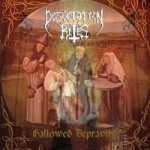 As if poisonous arachnoids had woven a sticky web around a hermit of the desolate Pampas, the multitude of savage Angelcorpsean riffs blasts from Desecration Rites’ rehearsal room with hardly any control or structure for the confounded listener to immerse in. The Argentinian blackened death duo did not have the time to execute all matters properly here because of unfortunate circumstances, and it shows in the deprecated, spastic rhythm of machine, the hysterical frequency and bouts of unclean guitar work all over the place. If something is keeping these dogs of sequences under leash, it is the deep, rumbling voice of Wolf intoning Faustian misery from the bottomless depths of darkness, occasionally unwinding power lines of similar effect to Craig Pillard’s majestic demon voice in the eternally classic Onward to Golgotha. For the modern death metal fan expecting a digitized, synthetic robot surgery there is probably no more horrific sight than this deluge of an album, but internally it is far more hypnotic, intricate and deadly than one could hope for. Just listen to the freezing pseudo-Nordic moments of “Death Sentence to an Agonizing World” or the ethereal, solar and jarring interlude of “Carnal Dictum” and you might just get a slight moment of hope in the future generations after all.
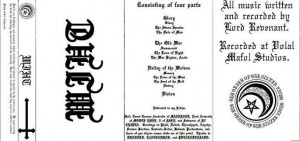 This British debutant lets loose the heathen wolves of war with a triumphant fanfare akin to Vlad Tepes’ famous Wladimir’s March before leading us to a journey of mountainous black metal landscapes, Graveland-esque meditations, ancient English fire-lit caves and Zoroastrian philosophy. The same sort of extended pagan tremolo epics (18 minutes of length at worst) that made countrymen Forefather and Wodensthrone veritable trials to sit through are pretty close at hand here, but the sparkling energy of youth helps a lot; there is a wildness and intrigue that contributes variation in sense even when there is none in content. Much of the logic of the songs seems to be emotionally stringing disparate sequences into a journey or a fictional narrative, which is essentially never a bad choice but some of the material here could be cut off to be brutally honest. Sound quality is the pseudo-spatial vacuum of too much reverb common for demo-level bands, but the instruments are clearly audible and the mid-rangeness is efficaceous. Unmoving and halfhearted chants and throwaway happy riffs are the blight of heathen metal, but Lord Revenant possesses sufficient pathos to allude to traces of occult evil and memories of ancient war at the same time; while this effort is not enough to coin him as a master of British metal, it would be a disappointment to hear these same songs performed by a more professional, disinterested voice in the future, or see him disappear without a trace after such a promising start.
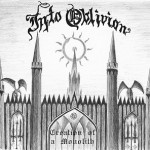 More than one and a half hours of harsh, pummelling death metal is neither a mean feat to compose nor to listen. As if Wagner, Brahms or even Stravinskij decided in the otherworld that these wimpy rock/metal kids have had it too easy and possessed various souls to spend hundreds of nights writing progressive Romantic/Faustian death metal partitures, 20+ minute pieces such as the title track or “On the Throne’s Heavenward” lumber and crush with such interminable weight that it is hard to not feel like attacked by a divine hammer from above as designed by Gustave Doré. You can forget about them mosh parts, since this is material about as brainy as anything by Atheist, with slow-moving adagios and creeping crescendos more familiar from Brian Eno’s ambient music or Esoteric’s hypno-doom than anything in satanic metal realm. Vocals are sparse and it feels like about a half of the album is purely instrumental and this creates a strange calm suspension which might even feel uncomfortable; but compared to The Chasm’s mastery of technique, it still does feel like an essential emotional counterpoint or rhythmic pulse bestowing element is missing, and when the cruel vocals suddenly rip the air, it might even be perceived as a disturbance to the solemn atmosphere. Nevertheless, it is probable that they are going for exactly this synthesis of the intellectual and the primal; the emotional and the physical. So fortress-like, rational, calm and measured that it is hard to connect its spirituality with its death metal origins (even the previous Into Oblivion release), it is certainly an important statement while the cumbersome nature and certain academicism in construction (perhaps “filler” in metal language, the problem of the previous album as well) makes it a bit of an unlikely candidate for casual listening. Anyone interested in the future of Death Metal cannot afford to miss it, though.
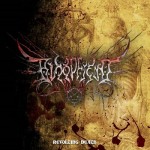 Heirs to the bludgeoning power of Escabios and other ancient compatriots, this recent Argentinian sect wastes no time with progressive anthems, intros nor filler in this concise EP of Autopsy influenced memoirs of early 90’s scathing death metal savagery. If the band has capacity for a challenging composition or a range of emotion, it’s all but hidden in this conflict of vulgar and intense demo taped riffs that could originate on any scummy cassette dug up from your older brother’s cardboard box vaults. Even most crustcore bands could hardly resist the temptation to fill the gaps out with something more liberal, but I am glad Bloodfiend do not resort to any loose pauses in their old school attack. The band is not yet quite there in the top ranks of death metal resurgence, but possess more than their share of contagious energy that will make for a good live experience and raise hopes for a more dynamic album.
 Brutal death metal cliches abound but also tasteful dashes of improvisational riff integration as California youth Exylum strike from the bottomless depths with a manifest of fragmented ideas like old Cannibal Corpse, Finnish death metal and newer black metal in a blender. Weird effected voices cackle, pinch harmonics abound, chugging is all but industrial metal, drumming provides a solid backbone and the ululation of the lead guitar harmonic reaches a hysterical plane of existence when the band lets go of identity expectations and go ballistic as in the end of “Worshiping the Flesh Eating Flies”. The worst thing on this demo is the tendency to fill space with something simple and stupid like the endless low tuned one note rhythmic hammering towards the end of the title track. When the band is in a more chaotic mode, as in the older recording “Ritual Crucifixion”, the confusion serves to imbue the composition with more blood and action.
 As persistence is the key to cosmic victory, it’s gratifying to see that this recent Californian cluster is not giving up in their quest to build a maiming death metal experience which was approached with streamlined Bolt Thrower and Cannibal Corpse tendencies in their last year’s EP. First threatening edges noted by the listener here are their improved musicianship with plenty of rhythmically aware palm-muting and tremolo NY style rhythm guitar riffs interlocking like the paths of ferocious large insects on flight while in the new drummer Kendric DiStefano they have a redeemer from the abhorrent pit of drum machine grind, even though his style tends to approach the robotic at times. The moments where this EP shines is when the brutal backbone operates at the behest of melody conjured by the leads of Mike Flory and Daniel Austi, such as the gripping mid-section of “Exit Wounds” and the Nile-ish mad arab string conjuration in “Litany of Blood”. I’m still reluctant to call this a total winner because there’s a lot of random chugging around as in generic bands from Six Feet Under to Hypocrisy, but there are also subtle technical flourishes such as the lightly arpeggiated bridge in “War Machine” that still keeps me liking this band and following its movements.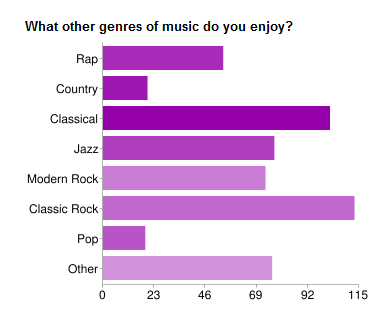
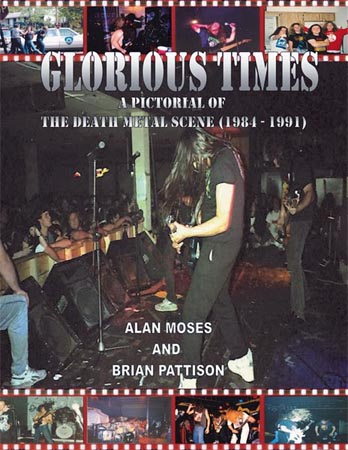
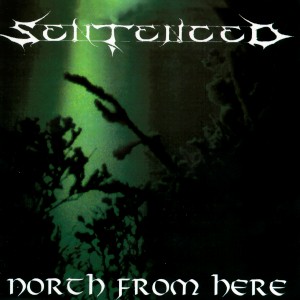
 Power metal riffs in a death metal production would later experience a horrible mangled mutilation death in Children of Bodom’s excessive rock stage theatrics, but the sharp minds of Sentenced treated their source material with such profound affection that heavy metal, thrash, death metal and black metal weave into each other as interminable patterns of tangled paths amidst hypercosmos – a Northern Finnish shaman’s spell. The careful production recalls the most biting moments of Kreator while the technical skills of the guitarists are on par with the hallowed “prog” moments of Atheist and Death. The songs hardly suffer from any useless repetition (the anthemic verse-chorus structure of “Awaiting the Winter Frost” serves a specific purpose in exclaiming the satirical “heavy metal victory” over the forces of light, while it is deliberately obscured whether the narrator is a man, a beast or a spirit). That North from Here was never Sentenced’s most popular or esteemed moment is a total wrongness, as Amok followed on the footsteps of this work adequately, but only that. One of the strongest candidates for the best Death Metal album in the history of Finland, the bewitching maledictions of North from Here, from “Capture of Fire” to “Beyond the Wall of Sleep” (and practically any piece since there is no filler), achieved the aims of “Gothenburg” much more effectively and impudently than the horde’s western neighbours.
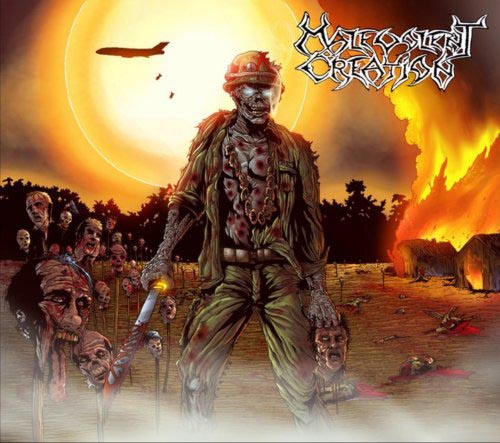 Production: The first three tracks showcase the studio work of Jim Nickles, and make the latter three, which are awful tape-grade garage production, sound like a middling 1990s studio with moderate volume, good tone, and reasonable bass. For the most part, he’s album to separate the instruments, which avoids the kind of washout frequent in recordings of this era.