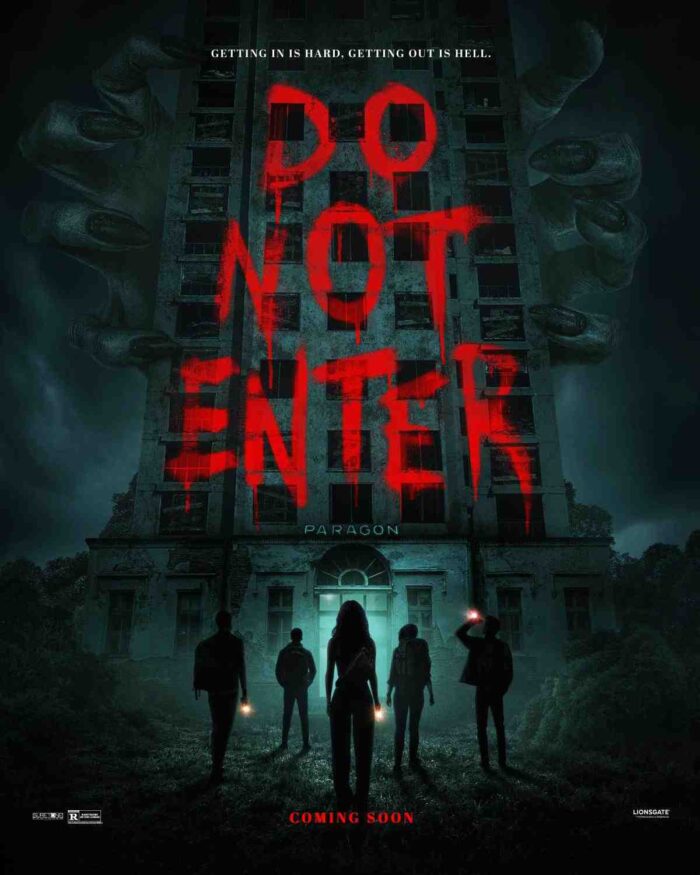
It is hard to imaging screwing up this plot: urban explorers break into a hotel with a long scary history, confront evil, and have to escape. But the MillennialMovie™ managed to make it boring.
6 Comments
It is hard to imaging screwing up this plot: urban explorers break into a hotel with a long scary history, confront evil, and have to escape. But the MillennialMovie™ managed to make it boring.
6 Comments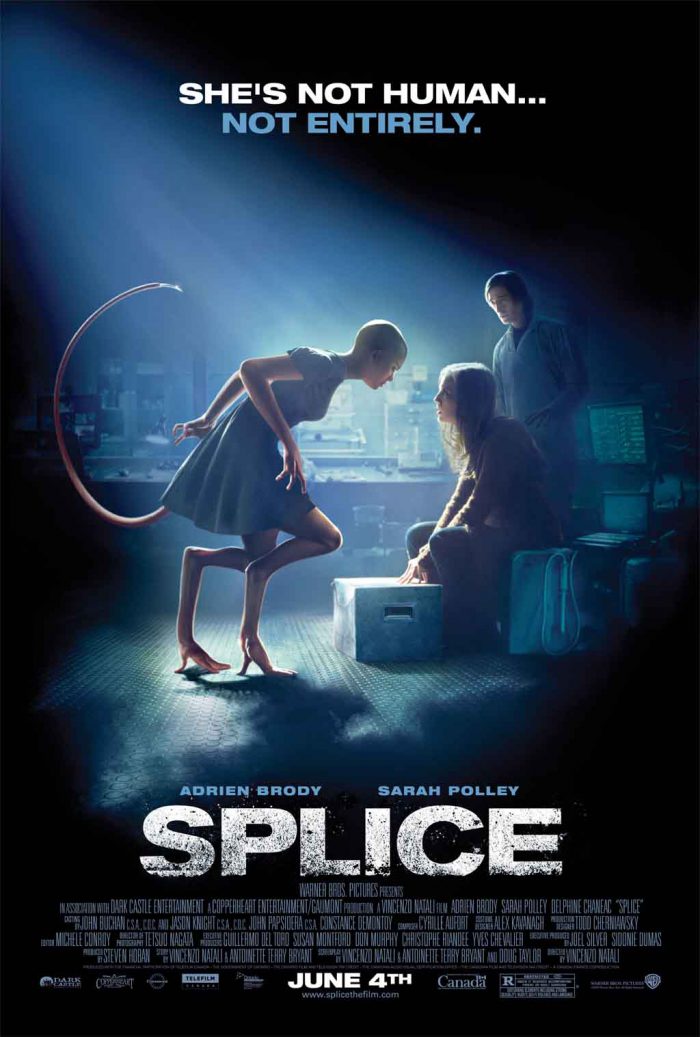
Unfortunately for this film, its producers billed it as sci-fi horror instead of revealing that it comes to us from the genre which David Cronenberg and David Lynch pioneered, which is postmodern horror that uses science and society as a metaphor for our own inner turmoil.
5 CommentsTags: Horror, postmodern horror, sci-fi horror, splice
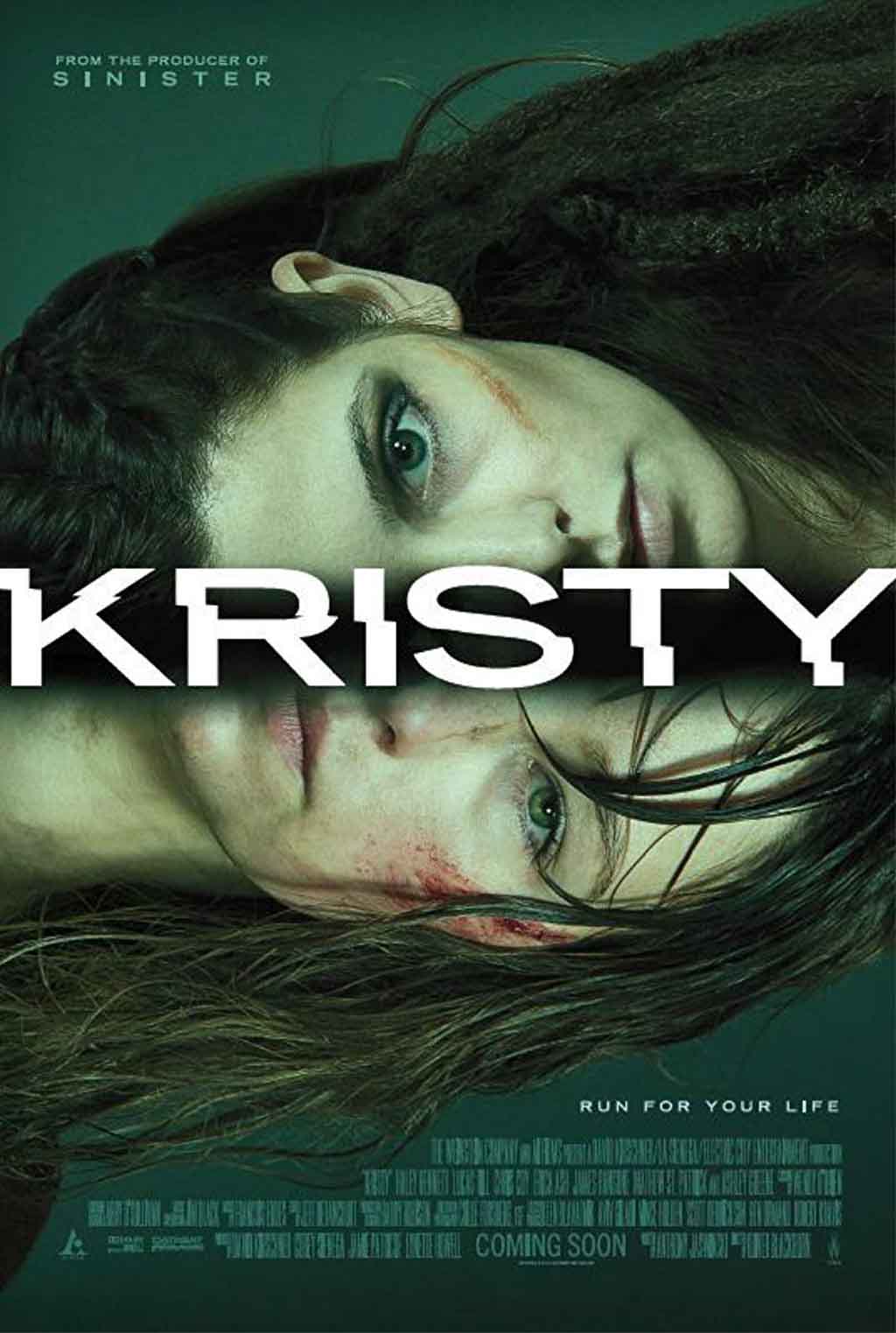
Who can dislike a movie about a Satanic cult that cruises around America, hunting down attractive women in order to kill them? Like all good horror films, Kristy addresses a subliminal fear, in this case of the capricious hatred of mobs of people united on the idea of resentment of those who have what they do not.
3 Comments
Over the years, people have debated whether music about evil, violence, disease, the occult, death, doom, despair, misery, sodomy, war, killing, mutilation, and desecration can be healthy. The thinking generally goes that exposure to these things makes us more likely to act out “fantasies” of them.
2 CommentsTags: death, disease, Horror, psychology, violence
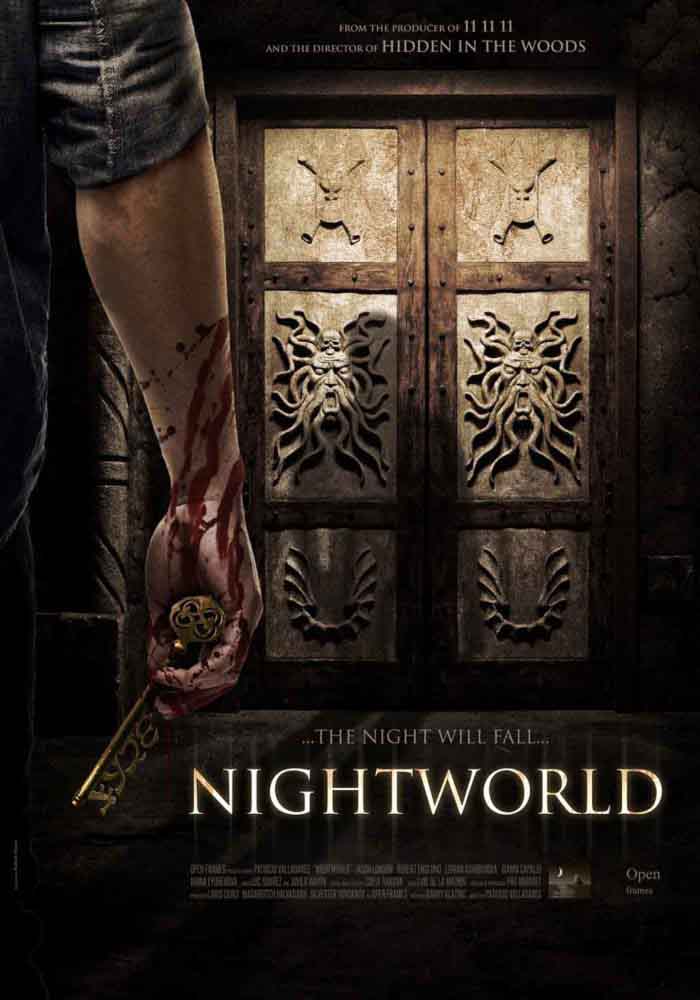
At the final level, every object or idea in our world becomes reduced to a single line said in passing between people. This usually consists of a quality assessment plus a scope, such as, “The FIAT 500 is a great car for driving between your garage and a repair shop.”
If we were to do this for Nightworld, a movie featuring the charismatic Robert Englund of Freddy Krueger fame, our summary would be, “It is a good first chapter for a horror novel.” (more…)
12 CommentsTags: Horror, metaphysical horror, movie reviews, mystical horror, nightworld, real estate horror, robert englund, supernatural horror
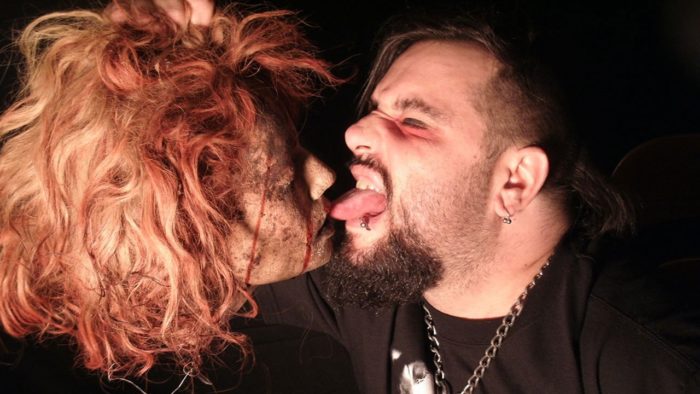
One of death metal’s pioneering vocalists has passed away today. Frank “Killjoy” Pucci of Necrophagia died this morning as revealed on the band’s Facebook page. One of the original tape traders of death metal, Killjoy’s legendary vocals on the phenomenal Season of the Dead album (which predated Death’s Scream Bloody Gore by several months) paved the wave for the death/black metal technique and inspired some of the greatest artists in metal.
(more…)
Tags: death, death metal, Horror, Killjoy, metal, necrophagia, news, pantera, phil anselmo, Season of the Dead, Viking Crown, Wardulak
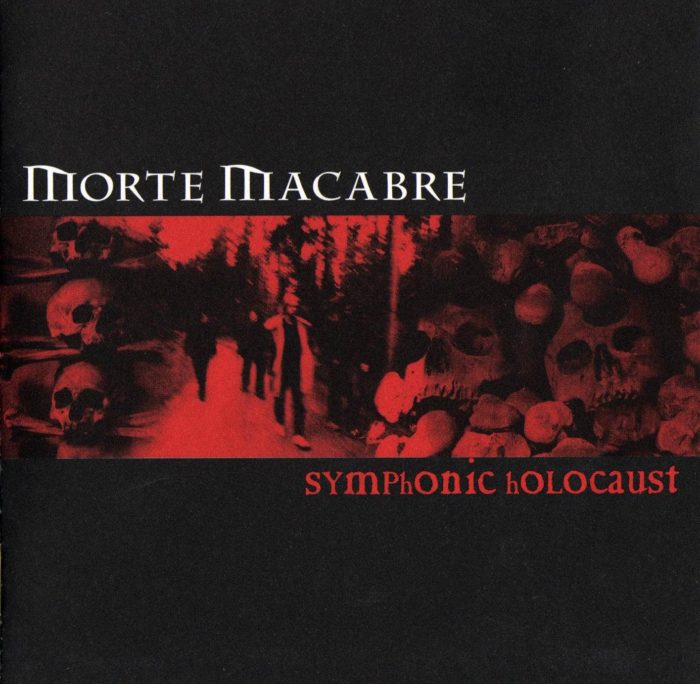
Article by Johan P continuing Death Metal Underground’s progressive rock coverage.
Morte Macabre is a collaboration between members of the Swedish prog revivalist groups Landberk and Anekdoten, who joined forces to create progressive rock that is equal parts beautiful and disturbing. Their only album – Symphonic Holocaust – is a real treat for those who enjoy creepy music in general, especially 1970s Italian horror movie soundtracks. It is a tribute to the darker side of 70s progressive rock, with reference to Italian groups and composers like Celeste, Goblin, Museo Rosenbach, Fabio Frizzi and Riz Ortolani. An explicit Red-era King Crimson influence permeates the album as well.
14 CommentsTags: 1998, covers, hard rock, Horror, horror film, horror films, horror movie soundtracks, keyboards, mellotron, Morte Macabre, movie soundtracks, prog rock, progressive, progressive rock, review, Sweden, Symphonic Holocaust

Article by Corey M.
Featuring several authors from many backgrounds including members of metal bands Manilla Road and Solstice, Swords of Steel is an exciting collection of short stories that are for the most part squarely rooted in the tradition of serialized weird fiction.
1 CommentTags: 2015, book, book reviews, fantasy, Horror, manilla road, pulp, science fiction, Solstice, Swords of Steel
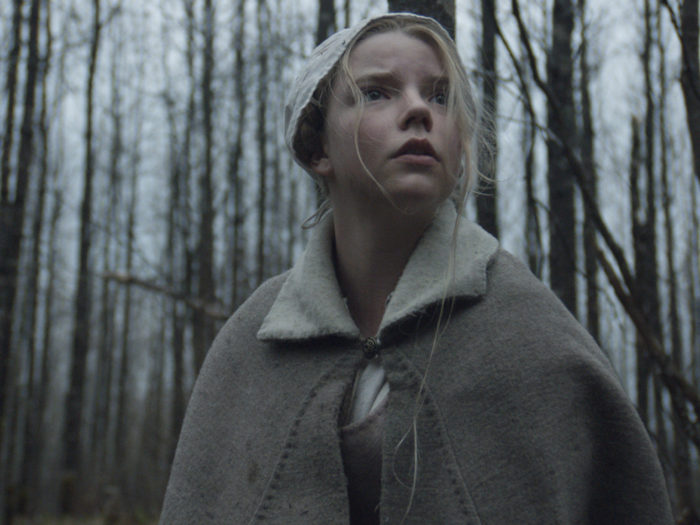
Article by David Rosales.
The Witch is a non-Hollywood movie set in the 1630s dealing with a witch psychological attacking a family of New England colonists. The Witch here is typical of traditional European folklore. The filmmakers took cues from historical documents, “first hand” accounts, and contemporary folk tales. Lurking behind the vague but shocking impressions veiled in mystery that our post-Christian society still has, are the insubordinate traditions and purposely asocial philosophies that defined the attitudes of practitioners of the left hand path.
23 CommentsTags: 2016, art films, film, Horror, horror film, horror movie, Left Hand Path, Philosophy, review, Robert Eggers, The Witch
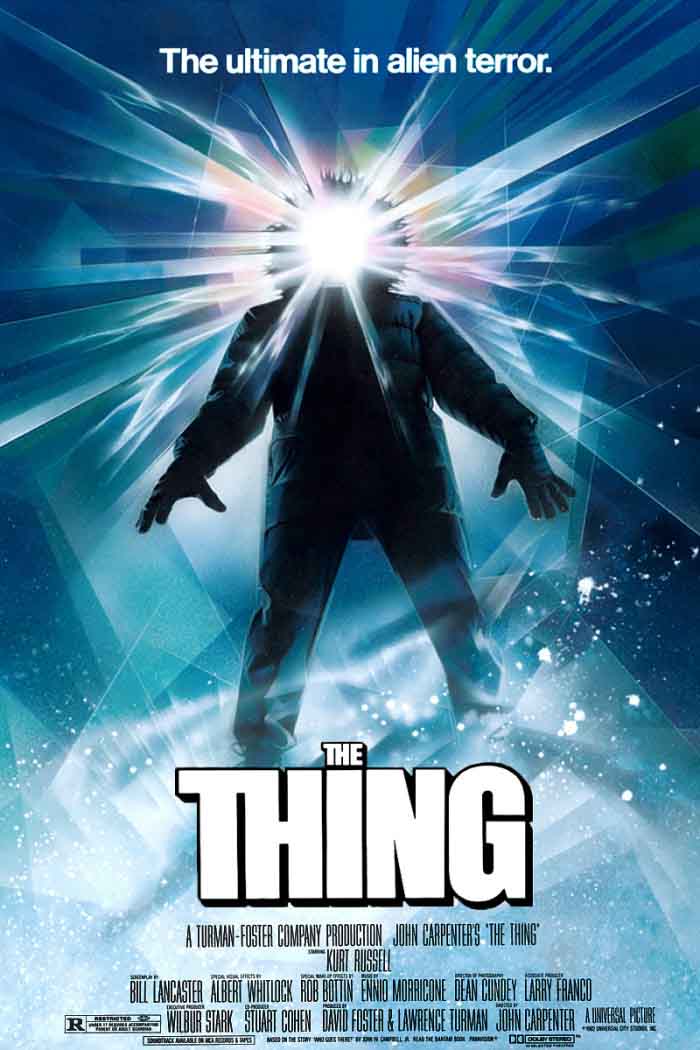
Article by David Rosales
The eighties, as any other decade, had its own particular flavor, and popular culture had turned to fantasy and horror as a sort of addictive drug. The most grueling slasher films with fake yet more tangible appearances than the digitized reproductions directed at desensitized audiences that we have today. It may be guessed that a lot of this was an outlet for repressed feelings of hopelessness towards the end of the Cold War, in the midst of death squad strikes and political assassinations throughout the world by the very pseudo protectors of liberty.
The menace of a nuclear holocaust made the idea of a post-apocalyptic scenario not so much the stuff of dreams but a possible (and plausible) future not more than a few decades ahead. There was terror in the air, as desperation and fear had already become the habit of a whole generation raised in the shadow of the fairy tales of the great wars and disarmed through the enhancing of shadows on the wall as their very protectors backstabbed them.
The kids born of this former failed generation of proper workmen and citizens grew to distrust all the bullshit thrown at them. Growing up in this era of tension and constant threats outside a bubble of hypocrisy and bigotry made young men of a more realist mentality long for the collapse of the system of lies built by the ‘mature and responsible’. This is the world that gave us death metal as Slayer’s lessons were ran through hardcore punk and then grindcore.
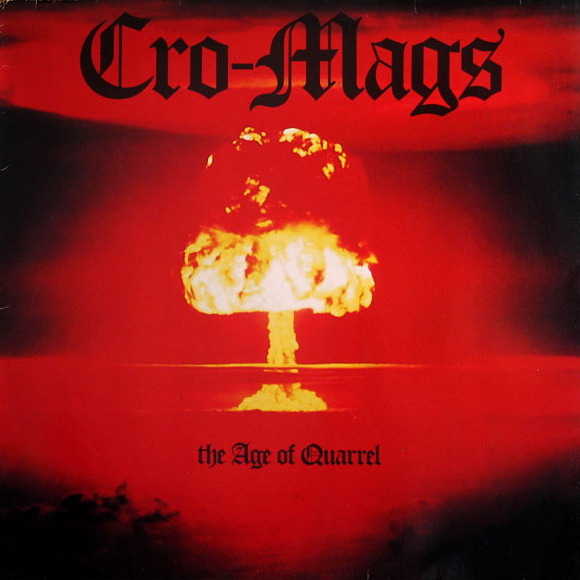
1. Cro-Mags – Age of Quarrel (1986)
Expressing the most bare-bones discontent with society with a sincerity that only the punk spirit can deliver, Cro-Mags adopt metal riff phrasing techniques to give further elaboration to paint pictures of collapse and humanity’s demise that are more grim and nihilistic than the lyrics themselves.
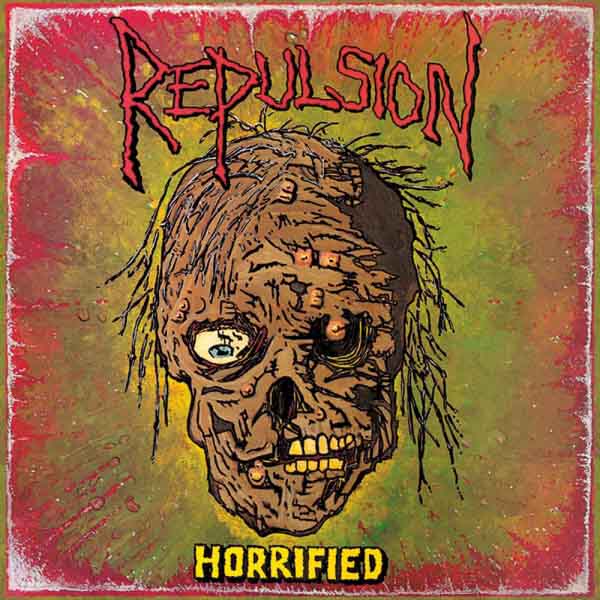
2. Repulsion – Horrified (1989)
While Age of Quarrel is the image of a decadent civilization malfunctioning its way to its own zombification, Repulsion shows us the explosion and its aftermath. The first is fear of impending doom, this latter is terror, desperation and psychotic breakdown in the face of monstrous reality.
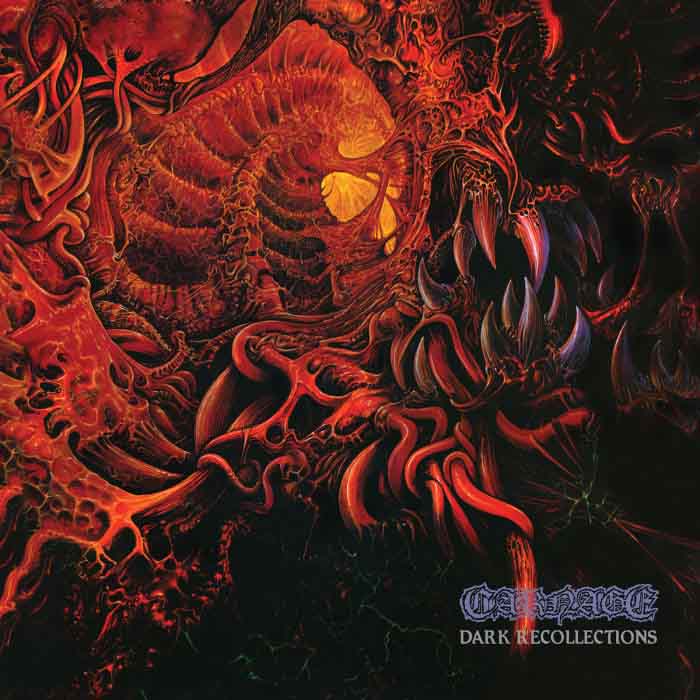
3. Carnage – Dark Recollections (1990)
Beneath the blatant visions of disaster and discomfort, the reveling in what is seen as an unavoidable outcome, or perhaps an already present state, is laughed at with the humor of a cancerous patient that knows no clean escape from his own impossible situation. It takes death metal to come out as the triumphant anti-hero, shotgun in hand, ready to do away with the weakness of modern man.
14 CommentsTags: 1980s, carnage, clickbait, cro-mags, Horror, playlist, repulsion