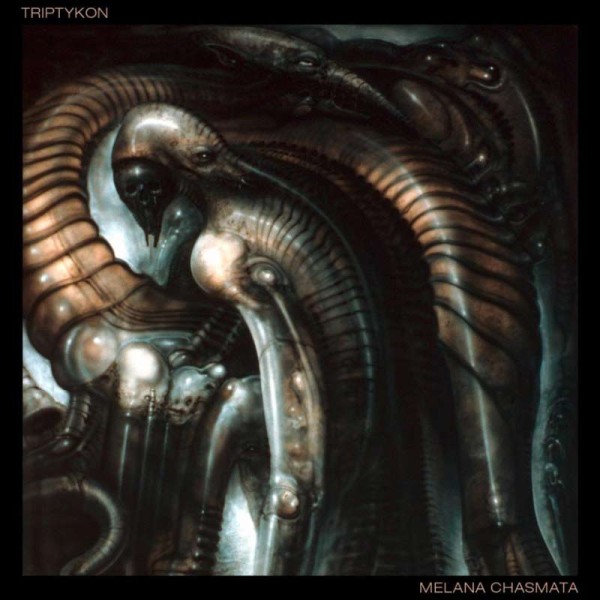
Back in 1990, Celtic Frost released Vanity/Nemesis. This album was tasked with redeeming the fans’ respect after the affair that was Cold Lake . Straddling the gap that existed between that album and the style of inventive proto-death metal that had made Celtic Frost worth hearing, Vanity/Nemesis was a rather mediocre album. It was reasonably competent and it attempted to blend in with its contemporary milieu, but the album was artificial and uncomfortable to listen to.
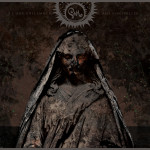
In many ways, Melana Chasmata is the linear descendant of that album. First, this is an album with an astute grasp on the market it is attempting to exploit: like Triptykon’s debut, production is crystal-clear, uniform, and decidedly modern. Tom Warrior’s vocals have continued their changing form begun on Monotheist and now share the monotonous, ranting tone more in common with nu-speed metal bands such as Pantera. Riffs, as well, have “progressed” in a similar fashion. Although Eparistera Daimones‘ riffs were minimal, single string sequences, some intriguing melodies arose. For the most part, these are missing on Melana Chasmata, at least on the traditional metal tracks.
Where this album genuinely attempts an artistic statement is during attempts to merge noir-electronic music with the aesthetics of metal instrumentation as was introduced on Warrior’s last two albums. These tracks are worthwhile in that melodies are allowed to develop in a subtle, restrained manner before the climax of the tracks strike, in contrast to the uniform faux-aggression of the rest of the album. Greater tonal variation as evidenced by clean vocals, mildly pentatonic clean guitar sequences, and melodies confirm Warrior’s avowed interest in artists such as Gary Numan. (For a similar, contemporary album in spirit, one might point to the comeback album from Amebix , which also attempted to merge post-90s metal with popular, but slightly “outside” music). These tracks, while superior to the other fare, ultimately lack in the same core way as the others: there is no great resolution, or purpose inherent in them.
For those who hoped that Eparistera Daimones would be but a stepping-stone back to a more traditional Celtic Frost type of composition, they will be disappointed. If death/black metal is one’s primary interest, Melana Chasmata will almost undoubtedly not be worth listening to. However, for those who will admit to being Warrior fanboys (such as the author) or those who are interested in the other aspects of music on this album, it may be worth investigating, if only for curiosity.
Most metalheads know the name Dallas Toler-Wade from Nile, the modern metal band that dropped static riffing and late-1970s guitar rock structures into death metal and paved the way for a new generation of hybrids and mythological themes in metal. However, before Nile, Toler-Wade created music with his cohorts in the band that has become Narcotic Wasteland.
Narcotic Wasteland, which just released its self-titled debut album, picks up with an even more modern style which resembles the deathcore/percussive death metal mix that Suffocation shifted to around the turn of the millennium. Its emphasis is more on memorable songs than spurious guitarplay. We talked to Toler-Wade to find out more.
You’ve just launched an entirely new project, Narcotic Wasteland. How does the style of this band differ from the band you are quite well-known for, Nile?
This band musically is getting back to the things I was writing before I joined Nile. Now you will here some similarities in some of the musical ideas, but that’s part of the reason I was interested in trying out for Nile back in 1997 to begin with.
Do you think death metal is still relevant in a time of modern metal?
I think that all music that comes from the heart with the intention of connecting to other people will always be relevant to like minded people.
What spurred you on to create Narcotic Wasteland, and how did you choose your fellow musicians?
I had these ideas brewing for quite some time. When I am home one of the things I do most is record ideas. As far as the lyrical ideas for Narcotic Wasteland I really had some things to get off my chest. I have lost a lot of friends over the years to hard drugs, and I just had this confusion, anger, and sadness boiling in my stomach that I needed to purge. But not all of the songs are about this. I don’t think any band should be limited to just one subject. they should be able to do whatever they want.
As far as the musicians that make up Narcotic Wasteland I knew I really wanted to jam with my long time friend Edwin Rhone again. We worked very well together in the past, and the sound of our hands are very similar. Edwin is a great songwriter and player as well. Edwin recommended Chris Dupre for bass and vocals. Chris is very creative, and he totally fits the sound of the music. It was really hard to find a drummer with the right style. it took a couple years, but George Kollias recommended Erik Schultek for the drums, and once again the style really fit great.
All of the guys are super cool, super talented, hard working musicians. I really think the next release with all of our heads together will make an even better record.
It sounds like you’ve gone for a more explosive production sound. How did you achieve this, and how happy were you with how the album as a whole turned out, production-wise?
I am very happy with the way this record came out. I did not want it too polished, just tight and clear with not too much flash. I did not want to put just another squeaky metal album out there. I wanted it to have attitude, and sometimes things get so clean the aggression gets mixed right out. After all it’s metal as long as you can hear everything then people will be able to hear the ideas.
Is Narcotic Wasteland a conceptual band? Or is this first album conceptual, and will you be doing something unlike that for other albums?
I really feel we have created something kind of different. I think we will only expand on what we have already created.
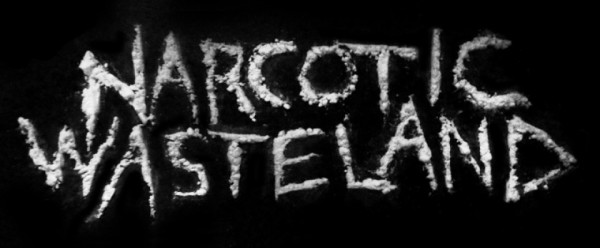
Every time I see the Narcotic Wasteland logo (of some intoxicating white powder cut into the letters of the name) I am both stunned and intrigued. Why did you go with this logo, as opposed to a “traditional” death metal style logo? Did you make it yourselves with physical powder?
I wanted the logo readable for sure. There are too many bands out there with non-readable logos. I thought it would be something heavy and real that deals with real topics. It’s death metal, and when you look at that logo it’s like looking death in the eye.
Heavy metal has always been somewhat apocalyptic. Does your music address a collapse in process (as society or at least parts of it devolve into narcotic wastelands) or are you speaking from after the collapse, telling us how to rebuild, or something else?
I think that we are living in a Narcoitc Wasteland, and yes it is causing people not only death, but financial ruin, and also people with addiction problems cause anguish for their friends and family.
Your songs are technical but not extraneously so. What guided you in composing these tracks? What effect did you hope to have on the listener?
No matter what kind of song I’m writing I really just want to connect with the listener. I have gotten messages from lots of people saying that it really hit them in the heart. For me that’s what it’s all about, and metal has always been strong emotionally.
You’ve got your debut album out and seem to be selling it at a fast clip from the website. What’s next? Are you seeking more label interest, touring, or composing new material?
We would love to play shows. As far as labels — sure why not? — but we really want to see how far we can push it on our own steam for now. The more work we do ourselves the less anyone else will need to do. So far we have done everything in house from the recording, songs, video, and website. I think it’s very important for a band to be as hands-on as they can with everything. And yes we are already working on the next release.
According to your biography, Narcotic Wasteland seems like a continuation of a musical partnership that began before you joined Nile. How does it feel to be back, and how has your music changed in the intervening years?
It is great to be working with Edwin Rhone again. I always thought we made a great guitar team. I think we have all grown musically over the years. And music will almost always change as long as you keep learning the craft. I just want to be a better writer and player for any band I am part of.
What are Sadistic Metal Reviews? The only path to metal glory is to make music that is metal both in form and content, and upholds the spirit of conquering the unknown and crushing the empty and pointless. Anything else fails and shall be mocked! Come for the impotent rage, stay for the occasional standout…
Vrolok – Void (The Divine Abortion)
After taking much, much too long to get started (by the way, the ‘tension building’ here is hitting an open E chord for 2 minutes), the first proper track begins with a drum beat that I’d expect to hear from GZA or Del Tha Funkee Homosapian. It only gets worse from there. This album sounds like someone took Burzum, Strid, xanax, and nu-metal and threw them all into a blender. The downright hilarious vocals are just as laugh-inducing as Nattramn of Silencer, and the bass drums sound like bongos. The tracks that aren’t overly long suffer from a lack of direction, and end much too suddenly. What a mess. No wonder this band has gotten much more exposure, they have all of the ‘eeevol’ ingredients that make their music sound scary to the tweenies, but to the experienced listener this is like hearing a group of circus monkeys play Aske.
Hirilorn – Legends of Evil and Eternal Death
As black metal became awash in a sea of imitators, distinguish quality grew difficult due to the sheer number of bands that were releasing albums in the post-1996 entropic period of black metal. Thus it is refreshing to discover a release from that time with spirit and wonder in its construction. Hirilorn’s first and only album is that kind of release.
In a similar fashion to Enslaved’s classic Vikingligr Veldi, this album consists of lengthy songs with subtle harmonies and adventurous structures. Unlike Enslaved, however, Hirilorn are a power metal hybrid but not in such a way that sabotages direction in their music. A particularly outstanding element is the lead guitar, which often plays variations on the melodies of the main riffs throughout the song. It is very much in the forefront of the mix, which is quite unusual for black metal, but here the melodies are evocative and compelling, so this approach works. Vocals are a consistent mid ranged shriek, but occasionally clean vocals are used (such as in “Through The Moonless Night”). Though they are a bit shaky, the result is similar to listening to Quorthon’s singing; it’s not very ‘good’ but it is honest and therefore has a distinct charm.
Where this album succeeds is in creating a world to journey to; these songs tell stories which one can envision easily upon several close listens. It is performed well, ambitious, and seeks to create something new from black metal’s framework. Its failures are a tendency to be overlong and as a result this album feels unfinished at times. Still, this is an interesting work which is a definite highlight of the creatively uninspired late 1990s period of black metal.
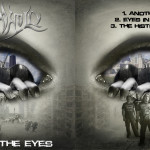
Stormhold – Eyes in the Eyes
Once you strip away all the layers of other aesthetic, this is metalcore of the melodic “death metal” type, like a hybrid between The Haunted and Dark Sanctuary, which is essentially very basic heavy metal with reliance on too much unison between vocal rhythms and guitars. Good metal leads with guitars and vocals follow, because that allows the most expression; bad metal sets up a vocal rhythm to make people feel comfortable and has guitars echo it, which ends up sounding like a TV commercial.
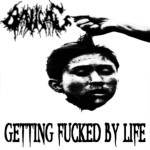
Ballgag – Getting Fucked by Life
Extremely middle of the road grindcore. It’s hard to screw up grindcore, since there are no rules. This band keep their songs compact, balance between punkish open rhythms and grinding riffs that crunch momentum. Vocals are incomprehensible which makes all of this into one uniform texture. It’s both quality and unexceptional. Maybe drop the pretentious name and try to be a Napalm Death style grind band. Essentially, there’s raw material here that could be good and more importantly, the will to pare down songs so that they’re not random, but the band are unwilling to choose a direction. The nonsense shock name and nonsense shock album title are clues here, but even more so is the utter middle-of-the-road choices the band makes in tempo and riff that obscure its contributions. Refocusing this band would involve a lot more guts and probably a great deal more glory than this innocuous release will garner.
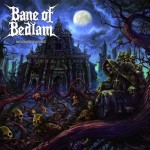
Bane of Bedlam – Monument of Horror
This strong band is divided between trying to be 1980s speed metal and attempting to fit 2010s “modern metal” into that framework. The verses are rhythmic, single-chord muted strum playing with quick turnaround fills. Choruses use melodic guitar riffs and more expansive patterns to create a sense of space. Unfortunately the vocals tend to influence the music, both by forcing metalcore/post-hardcore guitar-chasing-the-vocals riff-writing and vocalizations of the emphatic type that modern metal uses, where the vocal rants out a beat and then relies on lengthy decay for the last few iterations. Waa waa waa, waa waa, waa waa waaaaaaaaaaaahhhhh. This in turn drives drums to play a catch-up role. The result is that this band’s strength in riffing and song assembly is buried under poor choices. They integrate radical contrast riffs into these songs like a 1980s speed metal band, and while they don’t do as many dynamic shifts in rhythm, they know how to avoid hammering a trope into the ground as well. If this band wants to get ahead, it’s time to drop the modern metal vocals and influences and focus on finding a unique voice in 1980s-style speed metal. Otherwise they’re going to get lost in the modern metal morass, which is producing ten times as many bands as it can sell, and find itself offering the same thing others do without being fully trendy and modernized.
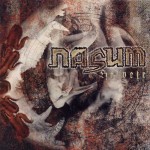
Nasum – Helvete
If you’re someone that is just getting into grindcore, it’s easy to see why this release might appeal to you. It’s got a pretty good handle on riffcraft, good dueling vocals, coherent songs, and is very punk in spirit adn approach. However, Helvete quickly loses its luster. The songs are incredibly simple to the point where one can guess what will happen in most by hearing the first few seconds. It also gets too groovy (moronically so), throwing out a lot of the actual grind for this.
The fact that it is very punky is another shortcoming; a lot of this music is just that — hardcore punk with some blast beats and nu-metal inspired groove — with very little actual grind to be found. What is left is aesthetic only and that tires quickly. Many do not wish to give this band bad reviews on account of the tragically unfortunate death of the singer/mainman, but it would be an insult to the artist to not grade this honestly: a C/C+ at best. If one is really interested in this band, their first album and the material before it are much more compelling, but you could always just listen to Discordance Axis or Blood instead. Turd chunder.
Skeletonwitch – Beyond the Permafrost
This is like the soundtrack to some pimply-faced kid wherein he imagines beating up the bullies and emerging victorious; except he never actually does this and continues to get beat up because he’s a wimp. That’s what this album sounds like. Retreat into a fantasy world that is incongruent with reality, dress it up with some weak black metal shrieking and Gothenburg riffs, rinse and repeat. It’s no wonder this stuff’s so popular – it hits all of the right marks to endear it to the mall going young teen demographic. None of these riffs even sound menacing, most are major scale based. So you get weird happy sounding riffs in music that is trying to sound evil. This band even labels themselves ‘thrash’…..well if this is thrash then I’m the new leader of the DPRK. Someone call the US government to let them know we have new suitable music for torturing prisoners in Guantanamo.
Abyssic Hate – Suicidal Emotions
When bands claim direct inspiration from one other band in particular, one must approach this description with caution. Does said band actually take techniques/methods of their influences and incorporate them into new song structures? Or does said band merely try to sound as close to their influences as possible? For this album, it’s the latter.
There are some truly excellent, somber riff passages here. The problem is that instead of building up to a conclusion (such as in Burzum or Graveland, the two biggest influences on this recording) Abyssic Hate just drone on in repetition of the aesthetic influence. Three of these tracks could have had several minutes shaved off of each and they’d be no worse for the wear. The shortest track is the most complete, but that is only by virtue of it not being as overly repetitive as the longer tracks can be. If this group could develop its sharp riffcraft into more adventurous song structures, we’d be looking at something interesting. It doesn’t, so the end result is something that is atmospherically soothing, even a little eerie, but after a few minutes that wears off and you’re left with the sounds of a radiator buzzing for 40 more minutes.
Artists who produce great and powerful bodies of work leave behind less-noticed works that are by no means lesser. Bruckner’s Symphony No. 2 is actually his fourth symphonic work, and is relentlessly overshadowed by his more intense symphonies such as the lengthy and crushing Eighth, which produces a pervasive sense of inexorable conflict and restless destructive renewal.
The Second on the other hand builds quietly from a nearly pastoral origin to a peaceful state of mind that then like a dragon rising from the mist turns to fire and warfare in the tumultuous and restive finale. Beginning with a gentle interweaving of naturalistic themes, the first movement assembles them in a style not dissimilar to the riff sequencing of Celtic Frost or Incantation, a type of prismatic construction that excels in placing repetitive in sequences interrupted from within such that each recurrence is a return with new knowledge to a familiar theme and thus an expansion instead of a reiteration. These build to the two middle movements which reflect more of an inner state of mind, in which melodies are carefully organized into a developing sequence which shows balance and harmony. Expert organ improviser Bruckner shows his true power here in his approach to the sonic tapestry where resonant sequences gradually alter themselves and through negative space and absence generate a higher intensity of presence. These techniques expanded with his later symphonies but can be seen in a lighter application here as part of a focused series of techniques.
The finale rotates between nascent versions of several triumphant melodies, bringing each one out of primordial chaos so that it can develop, then detouring to another, then returning, so that these melodies complement each other and explode in a triumphant final martial processional followed by a meditative recapitulation of the mood and theme of the earlier movements. The result is a breathtaking dynamic that shatters not just expectations but the intractable egoism of humanity that renders them closed to the inherent adventure of life itself.
Listening to Bruckner always reminds me of the secret of life that hides in plain sight. These immersive and epic symphonies etch out a clue that all of life is pervaded with meaning and holiness, and we deny it only to feel “in control” which is nothing but pretense. I don’t care what religious tradition you come from, or even a negation of religion, because you can access this sentiment through any viewpoint. It is simply this: life is an intricate and balanced design of great beauty and thus, truth, and through this we learn why we endure, and even more, why we strive.
This outlook is always just below the surface of all that we perceive, but it hides from us, because we must be open to it to see what is potential, and thus, what is immanently real. Although most people choose death and control over being part of the great complex beauty that breathes incessantly around them, Bruckner reminds us that the option is always there to lose ourselves and gain a cosmos.
What are Sadistic Metal Reviews? When people decide that life is worth living, try to make good music. Unless they hope to make a quick buck, in which case they disguise bad music as “innovation.” We separate the good from the bad — with a machete. Come for the misery, stay for the occasional exception…
Divine Circles – Oblivion Songs
The mainstream assimilation of metal continues. This is basically coffeehouse femme-folk-rock like Jewel would have spun two decades ago when metal was still doing something relevant. Instead, it sounds like a Taylor Swift/Janis Joplin hybrid on piano while someone strums a lightly distorted guitar in the background and some bell-bottomed burnout bangs a cowbell. I can appreciate the similarity to neofolk bands, especially Hekate, or even the folk-rock tradition of the Americas. But it’s most similar to the goddamn crap they play in Starbucks or our local “alternative” (read: clean every other Tuesday) coffee shack. A girl sings about fanciful things, there’s some guitar and a lot of slightly exotic rhythm. But when you leave and drive home, you’re thankful for the silence. This has nothing to do with metal and should go back to the coffee shops.
Slipknot – Slipknot
For people who thought Korn was too musical, Roadrunner has saved the day. ANGRY MAN babbling over death metal riffs reduced 100 levels of complexity, with random vinyl scratching noises and sampling thrown in for…some reason. These riffs were lifted from a White Zombie album which lifted them from a Metallica album which borrowed them from a NWOBHM 7″ which probably borrowed them from the rantings of cavemen etched into sandstone near the local juvenile detention center. To these basic speed metal riffs, they have added abundant bounce and doubling the internal rhythm on the offbeat, which gives the illusion of complexity for about ten seconds, and they’ve wrapped them around rock melodies. Speaking of wrapped, why aren’t we calling this rap/rock? It’s obviously rap music sanitized for the people too uptight for even backpack hip-hop, thus it gets injected into rock and to disguise the obvious lameness of this combination they cover it in heavy metal stylings like melted chocolate poured over a corpse. Lyrics are moronic, riffs are moronic, album art is moronic…is anything in this band appealing to functional humans? If a vengeful god were to rain napalm on America for producing this album, it would be justified.
Éva Polgár & Sándor Vály – Gilgamesh
Art music faces one ultimate test: will people listen to it on a regular basis, in regular lives? I’m not talking about the heroin and cigarettes crowd in Williamsburg with their postmodern degrees from Brown, but normal people. Thoughtful, intelligent, realistic, well-adjusted people. Do they listen to it? Or is it something they think is neat, maybe would be good in a movie, and then politely clap and never hear it again? Gilgamesh qualifies as some of the better art music I’ve heard. It is an sonic backdrop to the famous tale, rendering in quickly played piano riffs while other instruments fill in background chording. This has more in common with industrial music and avantgarde jazz than rock, but each track creates a series of emotional sensations corresponding to its chapter of the Gilgamesh saga. It is artfully done and powerful but is too abrasive and repetitive for every day primary listening. Further, it is too arty and conceptual to find a place in the balanced life. It would make a killer soundtrack for a silent film however.
Fear of Domination – Distorted Delusions
Music designed to pander to newer listeners is often excruciating. First, it must have an obvious novelty in style that usually defeats common sense. Next, it must appeal to people whose first instinct is essentially disruption and chaos. As part of this, they favor weapons like repetition and garish aesthetics. This album will not disappoint on those points. Mixing clubby techno (itself suspiciously like disco) with metalcore and crowd-positive industrial like Rammstein, Fear of Domination spit out music that is essential keyboard-led but has background guitar and bass which are entirely obliterated by the harsh, chanty and repetitive vocals. There is not a single metal riff on the album. There is also nothing new to people who have experienced even Ministry, but a form with novelty gives this some of the appeal of more austere industrial bands. Still the repetition level and degree of obvious manipulation makes it excruciating for people who have heard more than a dozen albums.
Benighted – Carnivore Sublime
In the absence of Nu Metal, everyone is rushing to take over the territory of Limp bizkit or Korn. From bling bling tech-core band Despised Icon to recent Napalm Death to streamlined Unique Leader sounding Morbid Angel palm muting riffs, Benighted blend everything that’s hip and br00tal in the scene together as the perfect sonic weapon for the frustrated school kids. This whole album is full of preachy and overreacting jerking noise. The band’s new music video reflect all of these: attending school is bad and teachers are evil, the world is insane, so buying this album is the right way to the first step of revolution. The hilariously out of place cleared-throat howling choruses sound like any metalcore rather than death metal, they make me want to put on the Korn records instead. Nothing from Benighted’s album is remotely exciting to the ear of a longtime metal listener. The volume is louder than Grammy performer Metallica, but the music is just as bland. Benighted and their far relatives Insane Clown Posse and Fleshgod Apocalypse are definitely worth exiling from the metal world.
Fluisteraars – Dromers
What is problematic about post-metal/indie-metal, and rock music itself, is nto that it’s distinctive. Rather, like a good product, it’s created by audience surveys. What do they respond to? — put that in. What got bad response? — take it out. What was neutral? — reduce it. The problem is that you need all the colors of the rainbow to paint a picture, so just because audiences prefer blue over yellow does not mean yellow should be removed. In fact, it aims to create a monotone picture where all of it is the color audiences want in their living room and none is the less favored colors. But art is a communication of a mental journey between two points. It shows us someone emerging from a state to a higher realization and then acting on that for triumph. It reveals a mixture of emotions that signal an ultimate resolution, or at least a clarification in the mind. But what we call “modern metal” — itself a clone of the late hardcore, post-hardcore, emo and indie movements of the late 1980s through middle 1990s (Jawbreaker, Rites of Spring, Fugazi) — is like rock music designed to just be that perfect wallpaper for your life. The right shade of sweater, the right ironic frames for your glasses, the purse that makes you look like a wandering boho hippie who might just happen to have a degree in art history. It’s the cult of the ego, and the ego demands only what serves it in full and denies the experience required to get there. This is because the ego wants nothing to do with the external world, and prefers that which is “human,” namely itself and those it socializes with. Fluisteraars is 2/5 old school black metal like Enslaved and Darkthrone, and the rest the newer material in a dronining long form that uses multiple riffs derived from a single theme, like Pelican. The result is very pleasant to listen to but when it is done nothing has changed in your life. You are back shopping for wallpaper, ignoring anything outside of yourself, and consequently, missing out on anything that can be called soul.
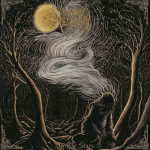
Woods of Desolation – As the Stars
Most of people can’t tell the difference between shallow light-hearted commercial product and art, therefore the conformists can always make some metallic indie rock to troll the underground. Woods of Desolation is the black metal version of Explosions In The Sky; both of them use the highest notes of the guitar chords to outline the weary lie-down-and-die pentatonic melodies while songs build around the sweeping textures. Just like the prototype of this sub-genre Alcest, Woods of Desolation’s music is nice and sweet and flawless, it make one hard to criticize them. But the reality is, three months after the hype, those who praised it like hell initially would throw this album away for these spun sugars annoying them just as the morning wake up cell phone jingles.
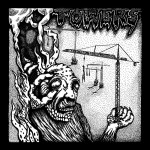
Towers – II
Post-rock and post-metal generally mean attempts to recreate emo through expanded minimalist sound. Towers takes an approach more like Swans where they build a drone and then layer it with interesting textures. The result is rhythmically motivational, like a march, but ultimately can’t go anywhere because like the notion of “concept music” it can’t go anywhere but to its furthest extreme. Thus what we have is interesting, but not something you’d want to repeatedly listen to except in the background or as part of a movie soundtrack. It is not terrible in any part, and on the whole it is bland and inoffensive once you get past the “extreme” style. Arguably, Towers is the best example so far of how to make post-rock/emo into something that is not terrible. The problem is that listening to it feels like being driven over by Friday 5 pm NYC traffic, and so it’s unlikely that anyone will turn to this for repeated listens that bring out some positive aspect of being alive.
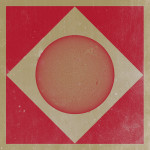
Sunn O))) and Ulver – Terrestrials
Background drone of distorted guitar vibratto and feedback. Foreground slow chords, standard post-metal. Melody slowly layered, then repeats. It goes on in a big loop. Any given second of it is inoffensive and seems like something cool might be happening, but then, if you listen to the whole thing, you realize its fatal flaw is that it’s boring. Nevermind that Lull and Fripp did this years ago but better. Nevermind that these bands were both wrecking balls to metal’s integrity. Just listen to the music: it’s repetitive, doesn’t development, and basically does nothing but establish a drone and a half of a mood. What would you do with it? Listen to it? No, this is music for you to explain to your friends. The point is that you know something they don’t and you can thus explain how profound it (and you) are. It’s no different than people going to rap concerts to pose at being gangsters or young girls who cry when Shakira sings about her hips. It’s just more pretentious.
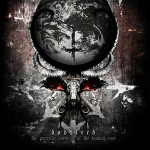
Dodsferd – The Parasitic Survival of the Human Race
Despite the ideologically-correct title (for black metal), this band shows us the true death of black metal: it has been assimilated by punk music. This sounds, with the exception of a couple black metal open strum riffs, exactly like the same droning hardcore bands were pumping out in the early 1980s. That music was the source of the stagnation that launched underground metal. I’ve listened to this thing three times and it has no negatives. There is nothing wrong with it. There’s also nothing compelling about it; it’s just more void. Technically, it all fits together. It’s just boring and expresses nothing. It is essentially hardcore punk music from the early 1980s with better drumming and production, maybe a black metal riff every seven riffs. But if you already own Discharge and Darkthrone, there’s utterly no reason to listen to this. Even if you don’t, it makes no sense to try to listen to this instead.
Gris – À l’Âme Enflammée, l’Äme Constellée…
Oh wow. Titles in French, looks misanthropic, maybe Vlad Tepes has returned! Second coming of Loudblast, even? No, it’s emo. Riddle me this: if emo isn’t like the fat girl addicted with meth that you woke up next to in the basement and felt great shame for the next, why do people keep trying to hide it? This is the same droning yet bittersweet minor-key background noise that Jawbreaker put on their albums and before that, that emo bands kept trying to insert into punk. What is emo, after all, but the very basic tonalities of rock music translated over an upbeat groove into power chords with dissonant voicings? When you look at what can’t be used, you see what is left. In the same way that the blues scale is the classical diatonic major scale with the key-centric notes removed (and a blue note for color-note rhythm comp fudging), emo is what happens when you take all the life out of music and translate it into rules to keep an audience in suspense. It doesn’t ever go anywhere, just shifts between these same few interval progressions. And yet, there it is. And people who apparently know nothing about thinking keep buying it. This is very frilly, dressed-up, entertaining variety, but underneath all the stupid pet tricks and gaudy clothing is the same old tedium. This is the sound of a genre dying.
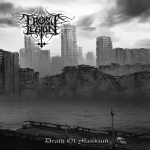
Frost Legion – Death of Mankind
Crossing punk and heavy metal styles with a black metal aesthetic of constant high-intensity drumming and droning riffs, Frost Legion make black metal that often sounds like it is assembled from spare parts but tries to keep a focus on the melody and savagery of black metal. Vocals are a constant rasp that varies inflection as little as possible, over active double-bass drumming reminiscent of later Ancient Rites. Riffs are often drifting melodic constellations formed of a few chords which work through permutations of loss and re-acquisition of a root note. Often the riffs are very similar to each other which causes an unsettling loss of orientation, and frequently they bring out melodies which resemble music from the 1930s, but the effect is to create a sense of longing. One thing this band could do better is dynamics; it uses nearly constant intensity most of the time which is exhausting. While song structure is essentially riff-based, these riffs may need to correlate to something else in order to make the composition memorable. The constant melodic riffing is reminiscent of Carcariass and bands of that ilk who are deeply invested in guitar creativity and sometimes lose sight of memorable songs. This is a good start and it will be interesting to see where these guys end up after they’ve had a chance to contemplate the results of listening to this album several dozen times.
Aethereal – Faceless Messiah
We walk among you. We are legion and yet can travel unnoticed in the midst of your cities. We are those who try too hard, and many of us ended up in black emtal. Aethereal brings many strengths but suffers from trying too hard. Coming from the wilds of the USA, the amazing thing about this demo is that it attempts to shape the melodic architectures of a European band. It seems caught between a more vicious Behexen-style assault and a traditional melodic metal attack shaped around Sacramentum, Dissection and perhaps even Sentenced. Most would argue this into the black metal camp on vocals alone, but it has aspects of many genres of metal. Technically precise and musically coherent, these longer songs more resemble the ambitious music before the Great Partition in black metal which set the classics in the past and brought a deluge of imitators to attempt to pollute the genre. The first track, “Scornful Skies,” launches from a battering assault of melodic chords resembling rainfall in sheets to a neo-Celtic style intricate lead riff, fading into a Dissection styled mood piece before evaporating into an interlude of gentle strumming without distortion and a return to a contortion of its origins. The second track, “Qliphothic Reflections,” resembles much more of the black metal of the post-initial era, with low use of dynamics and high intensity blasting with transitional melodic riffs leading us through a semi-circular structure. Both tracks show promise if developed. But again, the problem is trying too hard: looking at what all the great songs have, and trying to make your own version without knowing what connects them. If these guys trust their gut instinct and what they like to listen to rather than what they think they should be creating, they would do better. Take it from a guy who tries too hard in his biggest failures as a writer.
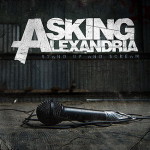
Asking Alexandria – Stand Up and Scream
If any of you were to discover that your testosterone levels were too high, and your doctor advises you to take estrogen injections: before doing that, consider listening to this album – in approximately 3 minutes, you will feel immediate results. An album like this could be created only by the results of a CIA project designed to make people believe malls are desirable. (Somewhere, Bill Hicks is turning over in his grave.) For the rest of us, upon hearing this we wish that we were in that grave. This band has the uncanny ability to not only make every song sound identical, but also every riff. Then again, most people listening to this are undergoing “spiral learning” – the repetition is something they’re used to. Please don’t listen to this. If you don’t have enough respect for yourself to avoid this, just go all the way: go to Starbucks, pick up a la- oh alright, that joke is overused. This band sucks. That’s all.
Some modern “black metal” is superior to others; and not all of it is created by flannel-wearing, latte-drinking hipsters (just around 70%). Thankfully, there are some albums around that will not turn the listener androgynous after a single spin.
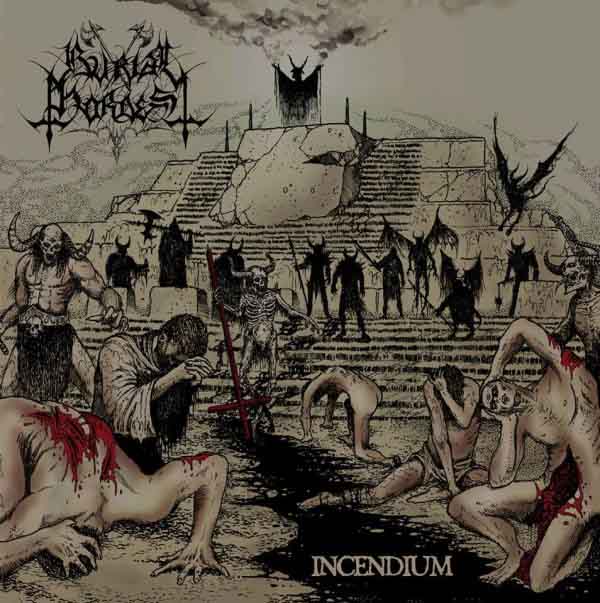
Greek black metal band Burial Hordes’ recently released album, Incendium, takes a death metal flavored approach to the modern black metal problem. Carrying on the early Incantation/Profanatica and Demoncy single-string riffing style, the band updates it to the millennium’s expectations: production is clean, ambiguous arpeggiated deviations abound, and linear tremolo-picked guitar lines rise above the churning mass below. Vocals have more in common with death metal than any other genre.
Doubtless this album will achieve some measure of success, as it adequately fulfills several niche roles: death metal riffs for “old-school” fans, whilst the newer will be entertained by experiencing a presentation that challenges them while simultaneously remaining in a place safe enough to understand.
Indeed, that last part is the most damaging criticism of this release: it does not attack the listener in the ways the aforementioned bands did; it remains heavy, but essentially pleasant music to listen to. For that reason it remains unclear how long this album (and genre) will endure, as the less dedicated fans will eventually leave to whatever new release is in the press next week, consigning each modern black metal release to a week of interest before being retired to a dark corner on the shelf.
Interesting compilation from Debemur Morti productions that you can listen to online:
1. Behexen – “We Burn With Serpent Fire”: the generic black metal that’s always playing in the background of record stores. This is it.
2. Porta Nigra – “Megalomaniac”: there’s clean singing and rockin-in-a-boat rhythms. Get it away.
3. Setherial – “The Neural Cage of Self Infliction”: cool song title. Cool first couple riffs. Then campfire melodic heavy metal.
4. Nunfuckritual – “Parthenogen”: slightly boring track produces mildly melodic drone with compelling rhythm. But would you want to hear it more than twice?
5. Manetheren – “II”: strobing melodic drone of some type of metal/emo crossover, but is the best so far from this genre that I’ve heard.
6. Sidhr – “Hex”: spanky hardcore/black metal crossover that doesn’t really go anywhere, substitutes frenetic energy for songwriting.
7. October Falls – “Bloodlines”: more emo, very typical, flee while you can.
8. Archgoat – “Penetrator Of The Second Temple”: churning tumescent sonic violence, raginginly primitive with riff-based song structure.
9. Blut Aus Nord – “Epitome II”: this band was always primitive and not quite put together black metal, but now they’re linear droning emo. It kind of churns on an on in a single mood. For wallpaper lovers.
10. Rex Muendi – “The Flesh Begat”: a boring and predictable version of early Bathory set to disco beats.
11. Wallachia – “Dual Nothingness”: bog-standard melodic black metal that melds into a 80s heavy metal/Goth mix. Screechy.
12. Infestus – “Down Spiral Depersonification”: an attempt to fuse post-metal with the harder edge of black metal, this is both a welcome addition of musicality and screamingly obvious, which makes it useless for repeated listening.
13. Monolithe – “Monolithe III (excerpt)”: When black metal went from “pick the best” to “approve of anyone in case they’re in your social group,” music like this got encouraged. It’s musically literate in about five styles and works through them, from a basis of rather poppy, melodramatic doom metal with basic and obvious chord progressions.
In the 1980s, the term “poseur” or “poser” was used to near-death by people trying to describe those who were involved with the music simply to make themselves look cool.
In the 1990s, we had “scenesters” who were people who hung around a musical scene to use it as a justification for their lifestyle. If someone questioned their lack of success or purpose in life, they pointed to the “scene” that they were part of.
And now, as the hands of time have run down further, we have hipsters: people who use music as a form of lifestyle adornment to explain why their life is better than yours. Generally they do this from a position of outsiderness, and by proving to be more obscure in their tastes than you, make you look like a herd-sheep in contrast.
What all these definitions have in common is that they reflect people who are using music in a backward thought process. Most people listen to music because they like it, and use their social life as a means to that music. Insincere people use the music as a means to the end of having a social life, and eventually drag down the community by forcing it in irrelevant directions. Entropy, in other words, caused by social need.
Recently No Clean Singing entered the fray with their analysis of the hipster gradient to Deafhaven:
What bothers me is that some people seem to be judging albums (and labeling the music “hipster”) mainly because they’ve become very popular, to the point of becoming “crossover” hits. We all know that the more successful, the more popular, the less “underground” a metal album becomes, the more it’s going to be put down within the community of metal. It’s a kind of perverse streak that our community seems to have.
I hope this author allows me to respectfully dissent here. The problem isn’t that these albums are popular; it’s that they’re not metal. Metal like most outsider genres has a strict sense of identity and purpose, and it fears adulteration for good reason. If metal starts admitting regular music into its inner sanctum, then metal will become assimilated by mainstream music.
We think of mainstream music as some bold direction but, if you look at history, it’s not. Pentatonic music appeared in Europe and Asia as a way to create popular music without having to wrangle with key or mode. The song form we now know as the pop song came from English drinking songs, the percussion from German waltzes, and the call-response format from gospel churches. This music isn’t a single direction; it’s what was compatible between many different directions, a lowest common denominator.
Metal broke away from this and went in its own direction. Part of being an outsider genre is to police your own borders. The only thing that gives you integrity is that spirit that allowed you to break away and have a different vision of reality. The problem is that you are constantly under assault. To the majority, you’re a threat because you’re doing things differently. And yet they wish they could be you, or at least be as seemingly cool as you are.
Hipsters are what happens when a social scene invades a musical movement. Instead of people working toward the music, people are using the music to justify their lifestyles, show off their outsider status (which is a raised status), or give themselves a unique purpose in life that others do not have. When people call Deafhaven a hipster band, they’re acknowledging the obvious: musically, Deafhaven has more in common with emo and indie rock than it ever will in metal, and we want the traitors out.
Coming from the Arghoslent/Sacriphyx school of rock-based melodic death metal, Minneapolis’ House of Atreus offers a metal experience for those who might prefer a bit less total extremity in the music.
Receiving media coverage from No Clean Singing and Zero Tolerance magazine, among others, the band has raised itself in the public eye. Not bad for a bunch of guys who named their band after a Virgin Steele album.
Curious about this oddball band, writer Kevin Ord went in greater depth to get the story about House of Atreus, its rock/metal hybrid style, and the path it is taking to get recognized in the underground.
Could you give us a little history of the band?
House of Atreus started out as a self project called Ashend. It was my first attempt at conceptually writing material on my own. I had contacted Paul Lovrien (The Burning Cathedral, Autumnal Winds) about helping me record the material as I had envisioned it. As we worked together he had some great ideas and eventually we decided that he and I would develop the project together as a studio only excursion. This became House of Atreus. Eventually Paul decided music wasn’t his route anymore and I invited my good friend Andy Lindbloom to join in. We incestually adopted Jordan Davis and Allen from Maledicere as we have all been friends in the same circles for years. Before we became a live group out of the studio we used the services of George “Lithras” Tzitzifas (Nordor, Among Ruins) to record the drums for the Into The Brazen Bull material.
You have a lot of groove, melody, and rock in your galloping death metal so I assume you have a lot of different influences. Who are the bands that have influenced House of Atreus’s sound?
Since we have so many unnamed contributing members the influences are pretty vast. For this project Arghoslent, Varathron, Running Wild, Rotting Christ play an important roll. Since Andy has been invited to start writing more intimately with us he will bring his influences to the table. He very much enjoys the styling’s of Fredrick “North” Norman, Holocausto and Pogrom, Athenar of Midnight and other chasers of the perfect riff. The writing process skips between whole songs being written by myself or another, or a song passed around between friends for a time. This makes it really fun and keeps egos from being inflated among many other benefits.
There has been some controversy surrounding the band because you have a sound similar to the band Arghoslent. Could you elaborate a bit on this misunderstanding?
House of Atreus isn’t a racist outfit — I say this apologetically to all the muckraking coffee shop frequenters that are launching keyboard threats and sabotaging our shows. No matter how many times I say that it won’t matter. These olfactorily-challenged naysayers are addicted to the controversy that listening to truly diverse music creates so it won’t ever end. It’s gotten so bad they send guys in establishments we frequent and try to “race-bait” the employees into saying something off color, so they can blow a whistle. What shameful behavior.
Arghoslent rules. I don’t really care about the politics although the lyrics are really out there. I wouldn’t consider this as a deterrent from listening to them though. Most people who appreciate the music have to become closet fans. It’s fucking art. Racism is extreme but it can be a part of the music just like anything else and nothing beyond that.
As an example, I love Satan in my metal but I am certainly not a Satanist. It’s funny, being a Satanist doesn’t merit enough extreme opposition for the terrified kids that have flooded the Minneapolis scene with their tight red pants and stinky haircuts for them to rally against, so they leave it alone. They are looking for the “grave racial injustice” of the guy sitting in his truck on his lunch break casually listening to something extreme that he may or may not agree with politically but appreciates the art that motivates the music.
A lot of “neo-punk” minded people forget that there is actually skill that goes behind playing an instrument and composing songs. Turning a knob on a console and screaming into your pickups about not subscribing to society doesn’t fucking count asshole. They’re all like little angry Hitlers. They can’t write anything worthwhile, so they have to try and kill everything else they cannot duplicate successfully.
How strong is the metal scene in Minneapolis?
It seems like it is breathing anew. More and more people seem to be coming to shows. Now that we have a great record store to go to things are getting more interesting. Also, one of the main places promoters targeted to have shows at (for some reason) was shut down. This afforded the other venues in town to get involved and pick up some of the larger shows and have been quite successful doing so. I think this reset button on our city forced everyone to evaluate what they wanted out of their scene. Also, having show promoters who actually enjoy good metal really helps out a lot.
Are there any bands from Minneapolis we should be checking out?
The best bands here in my opinion are Obsequiae, Celestiial, Maledicere, Masshu, Diabolical Sacrilege, Vothana, Canis Dirus, Blood Folke, Algamest, Hohl, Veil, Azrael. There are many others as well.
You have an EP coming out called Into The Brazen Bull. Is there a concept to the EP and what can a listener expect?
Expect arrogant galloping riffs, great drums, thoughtfully crafted lyrics, and solo’s you will hum through the day. The concept behind this EP is captive enslavement, war, and some historical accounts of the earlier Greco-Roman era. You can also expect tracks 2 and 3 accidentally swapped around in the booklet and the back of the CD. This was my fault.
Your excellent first demo is sold out. Are there any plans to re-release that material?
I have spoken with Antitheist Recordings about this. It is possible we would put this out on a different format. I would like to revisit a couple of the songs on this demo since after hearing them revised for our live show I feel we can better convey them and may do so on our full length.
Has there been any interest by a label in putting out a full length?
I have discussed this also with AD and if it’s possible we will. We would like to spend some time playing some shows and having fun with our material before hand.
Do you have any touring plans for 2014?
So far, no. I would like to do so in the summer/fall of 2014 if the opportunity arises. Given we have the vacation time and the means.
Does House of Atreus have anything else in the works?
We performed “Archon” on Azermodoth Record’s tribute to Rotting Christ just this past month. These should be available directly through him. You have to hear some of the other bands on this thing as well. Truly fucking stellar artists. House of Atreus also plans to take over several small countries in Europe, create a perfect class of human beings, and cleanse the world…
What are Sadistic Metal Reviews? Heavy metal is either art, or like the rest it’s a product to make sad people feel better about their empty and pointless lives. Brutal honesty is all that separates us from that abyss. Remember, tears are a sign that you’ve really reached people…
Evereve – Seasons
Nuclear Blast, this is NOT “music to mangle your mind.” This is the AIDS of the music world. Cheap, hokey synths ramble under tepid saccharine guitar melodies while effete whiny crooning that makes Morrissey sound like Tom Warrior radiates in the background. You can just about hear the teenage bedrooms of America, reeking of self-pity and masturbation, where the obese and inbred listen to this. It’s OK, kid, everyone gets turned down by a fleshlight at least once. If you can imagine heavy metal with all of its soul removed, candied like one of those disgusting little fruits in a fruitcake, this would be it. There is nothing here that is metal except under the flimsiest of pretenses. “Evereve” is more like “Summer’s Eve.” Seasons could be a forerunner for HIM. If you ever hear a note of this, you’re going to need hormone replacement therapy.
Covenant – Nexus Polaris (also released as The Kovenant – Nexus Polaris)
The cheese of “black metal” circa 1998 is on full display here in this one album. Considering the Dimmu Borgir membership and the touting of a drum performance by Hellhammer circa his “help, I need money and even joined Arcturus” days, you know this will be bad. The vaudevillian sideshow vibe of later Ancient and Cradle of Filth is tricked out to sound like a joyous PG rated sci-fi soundtrack is playing over a rock opera, making this all sound more absurd. Imagine the music from a children’s variety TV show but with some drunk guitarist in the background hammering out heavy metal riffs with black metal stylings as he copulates with close family members while wearing a tutu. If you heard a “black metal” parody in recent times, chances are it sounded like this.
Immolation – Majesty and Decay
This album brings to mind Dogwin’s Law for metal: as a metal band ages, the probability of it reverting to its influences becomes one. Immolation started out as a speed metal band, then detoured into death metal for a few albums, and now is back to heavy metal but in a simplified form using death metal technique. When they did that cover of Mercyful Fate, it shook something loose, and Immolation thought, “Why spend hours fitting twisty riffs into intricate combinations?” Verse, chorus, break, solo — done! Collect check, buy motorcycle parts. This is the metal equivalent of baby food: over-cooked, pre-ground, sweetened and without any difficult parts. Gone are the wildly imaginative riffs and catcomb-like song structures. Instead it’s The Jets covering Bryan Adams put into power chord riffs. Embarrassed by their own non-output, Immolation tries to hide the emptiness by getting emo on the choruses but nothing can save this pile of paint-by-numbers metal. This is metal’s equivalent of Bangerz with some guy howling along in the background about stuff he read on Infowars.com.
Morgoth – Feel Sorry for the Fanatic
Another case of mid-90s “evolution,” Morgoth ditch the Death Leprosy worship for a sound more akin to Voivod at their most commercial playing Killing Joke at their poppiest. Vocals sound like a parody of Amebix, lots of mumbling and tuneless sung-shouts. Verse-chorus structures and an industrial rock production suggest this band was attempting to cash in on the industrial/cyber image trend of Ministry, Godflesh, and Fetish 69. With waves of label hype behind it, Feel Sorry for the Fanatic failed as only the falsest of marketing hype can. Creating a neutered album with fringe-accessibility to an audience that didn’t exist the year this album was released left the band to fall on its face in embarrassment and dishonorably disband.
Wolves in the Throne Room – BBC Session 2011 Anno Domini
This band of hippies in denial have improved in the songwriting department, but by so doing reveal the underlying emo to their music. It’s clearer than ever before that Wolves in the Throne Room were never black metal. This two-song release allows the “post-metal” to shine, but musically “post-metal” is identical to emo, a subset of late hardcore/indie rock hybrids of the late 1980s. Musically, nothing has changed since that time, so if you’ve been in a cave since 1984 you might enjoy this band. These two tracks are far less random than previous Wolves in the Throne Room output. While they try to ape black metal with heavy guitar distortion and howled vocals, in harmony and choice of scale this material would fit in on a Jawbreaker or Rites of Spring album more than any black metal album. In fact it’s a complete sham to ever list this band as black metal because it misses out on what they do well, which is a very slow version of emo. Droning emptiness portrayed with slighly dissonant tracks that sound like self-pity incarnate. It evokes a lot of different feelings that boil down to the same state of suspension, in which mixed-emotions and self-pity that brings self-doubt resolve all things to the same. I wouldn’t recommend this for any metal fan or anyone who remembers the late 1980s.
Solar Deity – Devil Worship
If you approached a black metal band as if it were a doom metal band, you might end up with something like Solar Deity. Very musically literate in a way that is reminiscent of Necrophobic, with understated melodic riffs and good rhythm, this band nonetheless suffers from a type of drone syndrome where just not enough changes to keep interest, although there’s nothing offensive. Clearly mostly inspired by the first two Gorgoroth albums, Solar Deity attempt to set up a number of songs to narrate and develop theme, and do a reasonable job of it, but their riffs are rather lukewarm and repetition-intensive as is their usage. The result would be great if designed for doom metal, but as black metal ends up being an abrasive drone and sense of confused purpose within otherwise well-composed music. It might be good background music for repetitive tasks. You know, really feel that tedium as you clean water heaters, file taxes or chase hipsters off your front lawn with a shotgun (aim for the knees).
Tribulation – The Formulas of Death
Death metal isn’t hard rock. If it wanted to be hard rock, its members being honest people, it would have elected to simply be that instead. However, there’s a huge market in dressing up regular boring corporate product rock music as something “edgy” like death metal, which still hasn’t been conquered by the civilizing forces of socialization. Like previous Tribulation releases, The Formulas of Death is ambiguously in the death metal realm and in fact treats its death metal elements with ironic scorn. The result is a pretty good hard rock band embedded in a bunch of unnecessary stuff. Get a real vocalist, throw out the token chromatic riffs and d-beats, and re-style this album as something along the lines of early Queensryche or Cinderella and it would be great. This will make just about every “Best of 2013” because people can’t tell the difference between turd and steak tartare but also because it’s catchy. Simple music for simple minds.
Skeleton Witch – Serpents Unleashed
If focus groups found a way to slam Sentenced Amok and At the Gates Slaughter of the Soul into a metalcore product that panders to Adult Swim viewers, then Skeleton Witch would be the abomination unleashed. Tired and generic riffs more bound to cliche than tradition power an interchangeable series of mellow-deaf parts stitched into galloping rhythms. Although it appears to be like metal from a distance, I suspect if MC Hammer knew how to play a guitar, he’d come up with something like this. Poppy and bouncy background noise for people who value video games and Comedy Central more than music, Serpents Unleashed might be the sonic equivalent of a middle schooler’s diary: covered in stickers and glitter, but the content within is more than predictable in essence even if not in particulars, and in ten years it will humiliate them if unleashed.
Beyond – Fatal Power of Death
The problem with retro works is context. What was once a whole context is broken down into techniques, “moments,” transitions, tempo changes, riff-archetypes and melodic frameworks, and then reconstituted. However, since there’s no motivation except to be retro, there’s no new context except appearance. Thus the bands doing this tend to default to the simplest elements possible, which are either age-independent but average stuff the original genre tried to escape or conventions of the present age. The result is that you get the same stuff, but someone has covered it in retro-feeling-stuff. The end result is like a bison spray-painted with corporate logos, a contextless mishmash that’s oblivious to its own true nature. Beyond make a credible effort but they are trying to fit riffs together, not use riffs like words or colors on a painting, and as a result, nothing is communicated by frenetic energy, doubt and disorganization. Moments of this release are stunning, but the whole does not add up to much because it’s not about anything.
Every death metal listener has at some point heard some variation on the statement that death metal bands are untalented, and that instead of mellifluous singing, there’s some guy “just standing there screaming” (that’s from my Mom, about 25 years ago).
Despite three decades of these vocals, they remain vastly misunderstood. Leaving aside for a moment the question of their purpose and effect, there’s also the technical question of how they are produced. And how does this compare to regular “sing-a-long” vocals?
When heavy metal vocal coach Lane Taylor reached out to us here at Death Metal Underground, we asked him if he could resolve this issue. Is screaming singing? Is it a technique, with a right way and wrong way?
And most of all, what’s the right way? Here’s our interview with Lane.
You’re a vocal instructor for metal bands. How did you find this path in life?
Heavy music was my first true love. I was hooked the moment I brought home Metallica’s Black Album at the age of 10. As the years progressed and new styles of metal developed I decided to join a couple local bands to try my hand at composing the music I love. I enjoyed minor success in the local music scene and actually came pretty close to getting signed around 2007. As life would have it things didn’t work out with the band so I decided to get into teaching. There are a million guitar teachers out there so I decide to be different and study the art of screaming heavy metal vocal styles. I had already taken plenty of singing lessons at this point but could never find someone who taught screaming! For years I read every book and watched every instructional tutorial I could find on the subject and then later developed my own approach. The lesson feedback from my early students was great and so I decided to make a go of becoming a heavy metal vocal instructor!
Are death metal vocals a form of “singing”?
Technically no. When you sing you are singing musical notes in the keys of A,B,C,D,E,F or G. Musical notes fit together like a language to form musical scales. Screaming is a bit different in that you scream at a pitch instead of singing musical notes. When you scream it is done at a low, middle or high pitch.
Many people would say that metal vocals don’t offer much to the technicalist. Do you have some favorite examples that prove that talking point wrong?
Perhaps screaming is not that technical in a musical note sense but that is because it is a different beast! Metal music as a whole in my opinion is the most technical music there is! Many of today’s metal vocalists sing AND scream in their music which is very tough to do while still maintaining a clean powerful singing voice. Finding the right balance of singing and screaming when performing is technical in its self. Of course it is just my opinion but I believe Randy Blythe of Lamb of God is a pretty technical screamer. The man can do a lot with his voice! He has a lot of awesome vocal tones and really can mix it up with his screams.
Do you instruct people in death metal vocals? What methods do you teach?
Many of my students are into death metal bands like Cannibal Corpse and Bolt Thrower to name a couple. One of my first students even had a tattoo of the band Deicide – now that is a loyal fan! Since guttural low screams are a signature element in most death metal bands I will start the student out with a focus on the lows. After taking the student through several breathing and vocal warm up exercises we get into the meat of the screaming exercises which include “The Medicine Ball Toss”, “The Barbarian Hey!”, “Dog Barks and Growls” and “The Karate Voice Throw”. More information on these techniques is available at Scream Like A Rockstar!
Can you describe, in technical terms, how death metal vocals are produced?
In your throat you have the true vocal cords which are very thin pieces of tissue that allow you to speak and sing. These vocal cords block the escaping air that is pushed up from your diaphragm muscle and this creates a tension on the vocal cords. As the air pressure escapes through these cords they vibrate and produce speech or singing. There are thicker more durable pieces of tissue attached to the vocal cords and these are known as the false cords. These false cords are what a screamer relies on to produce a scream. When these cords come together with the right tension and air pressure it basically turns your throat and mouth into an echo chamber and your scream is produced. The false cords are very necessary in heavy metal vocals because they take much of the strain of the true vocal cords. Without the false cords the true vocal cords would be damaged very easily by screaming.
What are the benefits to a metal vocalist of receiving instruction? Are there ergonomic and health benefits as well as performative ones?
For the beginner screaming lessons are a must! If you are new to screaming and practicing with poor technique it is important to correct it so you don’t injure yourself. Just as it takes time to build muscle at the gym the same is true with building up strong vocal cords that can handle this type of extreme music. For a seasoned veteran screamer a good instructor can provide great ways to warm up which will help ward off vocal injuries and will also help to increase vocal stamina when performing. In my program I also provide vitamins and supplements you can take if you get sick on tour or need to bring down vocal inflammation.
How do people avail themselves of your services, and do you work remotely?
I am based out of the North Bay area here in California but for those who aren’t local I also have an instructional DVD at my website Scream Like A Rockstar. The DVD took 3 years to make and contains lots of goodies to help metal musicians reach their rock star dreams! At the website I also run a blog with some good free tips to help novice screamers. Thank you very much to the staff at Death Metal Underground for allowing me the opportunity for this interview!