Sadistic Metal Reviews 12-05-13

sand_dunes

What are Sadistic Metal Reviews? If you treat heavy metal like a form of art or culture, it suddenly reveals its inner depth. Labels want you to see the surface only. To separate the two, we must be brutally honest. Look for the occasional gem in the sands of sonic feces.

cemetary-phantasmaCemetary – Phantasma

Claiming to be tired of the “dungeons and dragons metal stuff”, Cemetary mainman Mathias Lodmalm stops trying to rip off Tiamat and Sisters of Mercy for Nuclear Blast fan boiz and unleashes his last pose. If his progressively more AIDS-influenced output didn’t clue you in, this last Cemetary album feels like a garage band project done for the purpose of emulating Nine Inch Nails or Skinny Puppy. It shows how interchangeable most poppy industrial is, so I can see something like this album succeeding on the radio, but as luck would have it, this is just another faceless electronica product in a sea of many. The only thing this release has in common with the previous Cemetary output is the same sub-standard quality that left them entombed in the chasms of out of print Black Mark releases no one cares for.

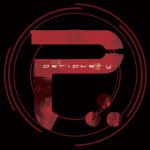
periphery-periphery_ii_this_time_its_personalPeriphery – Periphery 2: This Time It’s Personal

It’s important to note that borrowing a few techniques from the metal genre doesn’t make you a metal band. Underneath the “harsh” vocals and “crazy” drumming are mechanical Nu riffs and mathcore noodlings. Whiny crybaby vocals and pop-choruses make this nothing more than a commercial product for socialization amongst Xanax-addled teenagers who are somewhere between dropping out of high school and becoming Che Guevara shirt-wearing low level pot dealers who often lapse into 9/11 conspiracy rants. The whole thing is organized to seem more like an emo album with its pop-punk cheerfulness and feminine vocals that reflect a feeling of being “hurt” by “mean society and girls with standards,” much like their clone targets in Sikth. If these people were more honest with themselves, they would drop the superficial “EXTREME” portions and become the next Hawthorne Heights.

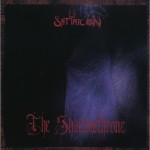
satyricon-the_shadowthroneSatyricon – The Shadowthrone

If you are looking for the start of black metal’s disintegration, it can be found here. Taking liberal inspiration from bands that preceded it, this album is the blueprint for how semi-talented musicians can copy a genre’s sound while embodying none of its spirit. The songs are narrative on the surface; however, when the listener attempts to peer beyond appearance it is quickly apparent that there is nothing of depth, the musical equivalent of modern poetry. Tracks meander from one location to another, never providing any causation for why the arena is changing. The riffs are tiring in their simplicity and irrelevance, and motifs are at best uninspired. The band also deserves blame for introducing drunken popularizations of folk melodies that distract listeners from the vapid quality of metal present, which has been the operating principle of folk metal for the last 20 years. The only people who can appreciate this album are the deaf and fans that lack standards.

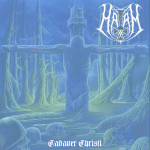
harm-cadaver_christiHarm – Cadaver Christi

The real way to be a reviewer is to assume that nothing is free. No one gets a promo. Everyone must pay mall prices. There are no buddy hookups, freebies from the cutout bin, and you have a budget that’s commensurate with that which the average 15-27 year old can field. It doesn’t matter that the wiper blades for your Lexus cost more than even an album from overseas; the question is what your audience can afford. Your readers. And knowing that they have finite money and time, what’s worth spending it on for them? Music is a zero-sum game. If you can buy only five CDs a month, you want to buy the best five possible. All of this is what was once called common sense, apparently, but now is voodoo quantum dark energy esoteric witchcraft knowledge to most people. That being said, I’m sure the guys in Harm are nice people but this album is dismal. It’s bog-standard Swedish-style mid-paced death metal with every cliche of bad metal involved, including the highly derivative riffs, emphasis on vocals as lead instrument (a fatal failure for metal bands), plodding pace and lack of melodic or structural development. Avoid unless you’re so average that anything else is over your head.

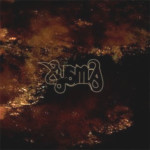
xysma-first_and_magicalXysma – First and Magical

Starting life as a Carcass clone, Xysma have progressively been perverting that band’s Symphonies of Sickness formula into becoming a more accessible “rock” product through perceptively mainstream blues and psychedelic moments as well as the “angsty” sounds of then “nu” radio hit band Helmet. With liner notes claiming The Beach Boys as an influence, it all comes together as a light-hearted parody of underground metal through the juxtaposition of “happy” and “trippy” moments amidst blasting death/grind fare and two-note groove riffs. Arguably the first death n’ roll band, Xysma could be held responsible for the mainstreaming of death metal through the use of elements the genre at that point have fully filtered out of its sound. While I don’t think the band meant any harm with this release, it has nothing to offer except “light-hearted fun” and seems like a bizarre interim period between their old Carcass-influenced sounds and the Helmet style they would adopt on their next album Deluxe. Similar to what Tiamat and Entombed did, Xysma saw the potential for material gain in emphasizing grooves and so got rid of the vestigial underground baggage to embrace commercialization.

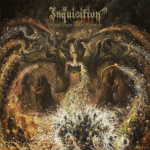
inquisition-obscure_verses_for_the_multiverseInquisition – Obscure Verses for the Multiverse

Inquisition has been a constant within the American metal scene for over a decade, churning out albums that differ little in quality from one another, though with still enough distinction to be recognizably different. The band’s latest release, Obscure Verses for the Multiverse, is a continuation of the band’s recognizable style.

On this album, the band further perfects its rendition of the rock-influenced black metal genre, with many similarities to bands such as Satyricon or Marduk. Rather than a connected narration binding each song together, tracks are riff composites that sacrifice atmosphere for chaos and disorder. In compensation, riffs utilize ornamentation such as harmonics, bends, and minor chord strums in order to retain interest as drums blast away incessantly. This succeeds for approximately 30 seconds before the listener realizes that he could derive the same effect by shaking a glass container of marbles as a phone rings in the distance, simultaneously entertaining and a source of exercise.

However, this author has no desire to be unjust: the album undoubtedly will be praised by many a Wacken attendee and provide each an hour of entertainment, and truly; that is the goal of metal. After all, it certainly couldn’t be art!

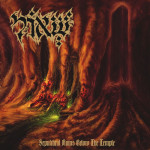
sheol-sepulchral_ruins_below_the_templeSheol – Sepulchral Ruins Below the Temple

This is a really good effort but ultimately isn’t distinctive enough, and it’s not a matter of style. The style applied here is mid-period death metal hybridized with the latest trend, which has been Incantation/Demoncy worship by people who love linear riffs that internally counterbalance themselves with extended chromatic fills that crush melodic tension. Sheol have put a lot of thought into the amount of variation in each song, the coherence of the style, and in adding distinctive elements like intros, melodic accents and rhythmic breaks. However, ultimately this is a churning stampede of riffs that are relatively similar in approach and thus form, and the result is that it feels like listening to the wind while riding a train with the window open.

harm_wulf-theres_honey_in_the_soil_so_we_wait_for_the_tillHarm Wülf – There’s Honey In The Soil So We Wait For The Till

I had a grandfather who traveled the country as a journalist, interviewing union leaders. This generally happened on Greyhoud buses, because if you were a man of the people back then, you wanted to be seen in the common man’s transportation. During a disproportionate number of these interviews, someone was softly playing a guitar in the background and singing. It sounds exactly like Harm Wülf. Despite the cute somewhat edgy name and the aura of mysterious darkness, Harm Wülf is a fifteenth-generation copy of a copy from four generations ago. Soft guitar playing uses only about three strum patterns and gently loops over a verse and chorus while the half-whispered, half-sung vocals are the real focus. This is how college weenies have been getting laid since 4,000 B.C. It seems deep on the surface, but it’s really a pile of cliches, starting with the awkward and obviously imitative title. It wants to emulate a well-known post-Neurosis project, but that’s actually good. This is just rehash, reheated and disguised behind a single sprig of parsley.

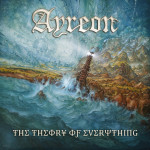
ayreon-the_theory_of_everythingAyreon – The Theory of Everything

Oddly, this band merges 1970s prog rock sounds with 1980s pop and ends up mixing in a number of diverse influences that, per the nature of ambitious merges, default to a common ancestor. Thus this album ends up being ambitious AOR with periodic metal riffs, a lot of keyboards, and a lot of cheesy vocals. If you like walking turds like Helloween’s Keeper of the Seven Keys this cheese-fest will delight you. It is not as pretentious as the 1970s progressive rock that defined the genre, but it’s also uncannily pop which makes it hard for an experienced listener to tolerate. Musically, it is better than average, other than a lack of melodic development or use of harmony and key as we’d expect from a prog band. Aesthetically, it’s the contemporary equivalent of Boston or Asia or any of those other prog-soundalikes that never crossed that line to got full-on hardcore.

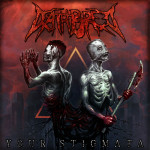
deathbreed-your_stigmataDeathbreed – Your Stigmata

Fairly standard deathcore, Deathbreed sounds death but doesn’t feel deathy. That is, there’s a lot of quoting of classic motifs from death metal, but they don’t get developed, and the band has no agenda so they end up at a musical LCD that’s basically rock made like a punk band would if using metal riffs. The result is predictable, but that’s not its problem. What kills it is that it has nothing to express. Even teenagers bleating out predictable platitudes about their trivial problems would be more realistic than this photocopy of a photocopy (with added jump-beats for the slower kids).

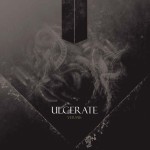
ulcerate-vermisUlcerate – Vermis

On Vermis, Ulcerate once again fool the gullible into thinking that “if it’s needlessly discordant and has growls on it, it’s the NEW and EVOLVED death metal,” only it’s not that apt. Underneath all the wankery, you’ll discover the songs never really go anywhere beyond the idea established in the beginning. All the superficially chaotic sounds render a meta-atmosphere of insanity through discordance, but the one fixed mode of expression this dwells in makes it all very obvious by the first track’s conclusion.

14 Comments

Tags: , , , , , , , , , , , , , , , ,

Interview with Shane and Amy Bugbee (Milwaukee Metalfest, The Suffering and Celebration of Life in America)

the_suffering_and_celebration_of_life_in_america-shane_and_amy_bugbeeShane Bugbee and Amy Bugbee, who wrote The Suffering and Celebration of Life in America which featured interviews with Possessed, Averse Sefira and Gene Hoglan, answered our interview request with a flotilla of good information.

These are the two writer-artist-metalheads who hopped into a decade-old Suburban with $200 and drove across America, spending a year touring the USA to figure out what Americans actually believe and where the soul of America rests.

During the process, they interviewed Possessed’s Jeff Becerra twice, Gene Hoglan, Ian Mackaye, Averse Sefira and many other underground figures who have featured prominently in the evolution of metal.

They also caught the spirit of metal in their critique of society and its tendency toward herdlike conformity, along with a refusal to join in. The resulting adventures were insightful and humorous, and you can read them in the book. But for now, the interview…

I’m here in Tampa, Florida questioning Shane Bugbee and Amy Bugbee about their new book, The Suffering and Celebration of Life in America. We are most definitely not firing shotguns, drinking whisky and listening to old Sarcofago bootlegs. Let’s see what they say when I whip out this list of questions written on an old receipt for ammonium nitrate and fuel oil…

AMY: Hi Brett, thank you for asking questions, glad to answer them, thanks so much!

When did you first become a metalhead? Why? I assume it would have been easier to get into AOR or country.

AMY: I have been a metalhead since I was little girl, and when I think back to where it began, I must have been in 3rd Grade. I had a sister 5 years older than me, and we grew up in a working class community on the industrial South Side of Chicago. We would pool our allowance ($3 a week each) and buy an album — AC/DC, Black Sabbath, Led Zeppelin, Judas Priest. The first time I heard Black Sabbath I was hooked. I can remember when Ozzy left Sabbath, I remember when Bon Scott died, I was 9 or 10 and I was devastated. 

We had a record store in downtown Hammond, Indiana that we walked to almost every Saturday, called Hegewisch Records. They used to put album art on black t-shirts with hundreds of bands, I started wearing them in 4th grade. That place was like a secret world, I loved it. (The owner was murdered in 1991 – shot five times, never solved – but that’s how it is where I grew up!)

SHANE: my uncle was digging on sabbath, led zeppelin, ac/dc & zz top when I was a wee lad, so, that was a start… the first 45 I was given as a gift was elvis, the first full record, kiss destroyer and, the first cassette, van halen/fair warning… seems like my uncle liking hard rock bands helped to influence and guide me, that and the clan-ish war beat of heavy metal/hard rock that naturally attracted me…. I think the metalhead is a lost culture/clan that is split up through kings or natural catastrophe… we find each other through the music… my earliest metal memories are listening to the radio in a chicago suburb and wanting the first ozzy solo record so bad I said out loud I’d sell my soul to the devil for it… I wound up with a copy the next week… kiss on TV, I can’t recall exactly, but maybe when kiss appeared on mainstream, prime time tv, I think is was CBS who aired phantom of the park… buying a bootleg led zeppelin record from the classified ads in rolling stone – these are some of my early metal memories.

What were your favorite metal bands? What made you like these more than others?

AMY: As I mentioned I really loved Black Sabbath, and a lot of what I would now call “Hard Rock” bands. At 14, I was introduced to Metallica, Slayer, and that whole second generation of metal through a crew of friends I’d begun running with. I thought Metallica, Motorhead, and all those bands were  great, but my real loves were Venom and Slayer. I remember running to the record store the day Slayer’s Hell Awaits came out. I was working my first job at a Dairy Queen in Harvey IL, and I got myself a decent stereo and bought albums with most of my paychecks that summer. I would immediately record the albums onto cassette tapes and I took them everywhere. I was the person everyone turned to for music after a while.

So much great music then — Mercyful Fate and King Diamond, Exodus’ Bonded by Blood.  I am lyrically inclined, so Venom was something I was really drawn to. Today, there is a lot of really good and a ton of really bad metal out there, as always probably. 

Sad to say, since I lost my entire music collection I have been less inclined to buy music, and listen instead to a lot of internet metal radio and even our local community station. 

SHANE: it’s impossible for me to make a list of favorites as they will move and change, sometimes daily… here’s a quick retrospective and some of those I’ve loved through-out the years…

  • van halen
  • ozzy ozbourne
  • deicide
  • obituary
  • slayer
  • ac/dc
  • black sabbath
  • king diamond
  • destroyer 666
  • dark funeral
  • electric wizard
  • sepultura w/max only.

that’s a hard thing for me to put a reason on taste… I’d say the overall thing that sticks with me through all art is aggression and honesty… be it a painting or a song. there is of course my influences as a child, influence from peers.

seems like my uncle liking hard rock bands helped to influence and guide me, that and the clan-ish war beat of heavy metal/hard rock that naturally attracted me…. I think the metalhead is a lost culture/clan that is split up through kings or natural catastrophe… we find each other through the music…

Shane, I remember that you were involved with the Milwaukee Metalfest. I don’t think metal fans today remember how important that event was, but it was like the industry conference for metal fans (not the metal industry, which didn’t exist). How did you get involved, and what did you take away from the experience?

SHANE:
the metalfest was quite the gathering point, wasn’t it. boy, those were the days… I got involved because I had a zine (Naked Aggression) and was trying to sell jack koshick (metal fest founder) some ads, I told him I could help with sales and wanted to sell vendors tables and publish a program book I could sell ads in… I felt they could profit off of the show without all the ticket buys (pay to play) they made low end, un-signed bands take part in… I really hated the pay-to-play deal and wanted to help make the fest better… it was cool, I made enough money to live off of for six months a year but the metal fest only crumbled due to too many pay-to-plays and the fest became less and less about the music and all about the money… funny thing is, I quit because so many brothers in metal came up to me during my final metal fest, they would yell and scream about the shitty pay to play bands and the schedule, telling me they’d never play the show again, so I quit thinking I’d give up the 6 months worth of payment working on the metal fest and I’d start a fest for all those bands that would never play the metal fest again… I was going to do it for the ‘scene’ !!! hehehe, yea, right… the scene!!! the second we put together the expo of the extreme, the scene turned its back on our show and each and every band that said they’d NEVER play the metal fest, RAN to play the metal fest, and if you told the promoter of the metal fest that you were going to play my show it became the fastest way for a band to not only get booked, you’d also get paid and a decent stage time on the metal fest stage… so, the biggest take away was the ‘scene’ or ‘art’ within the metal community had gone away – it became a business and was striving to be an above ground and exploitable job vs. a pure expression… I should have just continued to play along, fighting against it all was personally satisfying, but it didn’t help my bottom line and I lost a lot of friends over that war of principles.

the black metal underground gave me hope for a bit, and on the net I’ve re-found the metal underground, so it didn’t die, it just stays in the cave.

For “The Suffering and Celebration of Life in America,” which has one of the most metal titles of any book I’ve read recently, you interviewed a number of underground metal legends, including Jeff Becerra, Gene Hoglan and Averse Sefira. How did you manage to meet so many fascinating people? Why do you think they granted interviews to you as opposed to the rest of the metal press?

SHANE: we simply asked trusted sources, friends of friends… a lot of luck went into whomever we eventually spoke to… traveling with no $$$ meant that we would find work, then a place to crash, then a gas station, then the highway. if we were lucky an interview we planned from the beginning of the trip might fit in…

as far as the interviews with us VS the metal press??? I don’t see us as metal press, just press. The metal press talks metal, so they are by their nature, predictable… and about the business of their industry… me, us, our trip was something different and exciting and I think top tiered metal heads are always looking for excitement vs. business.

AMY: I think, as with everyone we spoke to on our road trip, we were coming at things from a unique angle or perspective. We were not asking about their latest record or whatever BS they hear all the time so they were interested in being represented in a different way maybe.

I had interviewed Jeff Becerra on my defunct radio show some time back, and Gene Hoglan we’d met while living briefly in LA after our “shunning” – I’d invited him to a porn party via myspace, he said he wouldn’t know anyone, I said we just moved here so we don’t know anyone either, and he actually stopped by. Turns out a bunch of metal guys were at the party, I remember one guy falling to his knees to praise him when he walked in. Averse Sefira was a recommendation from a wise internet friend, as I was unfamiliar with their work before that. They turned out to be one of our favorite interviews.

Amy, you started out as a teenage metalhead and still proudly wear the Possessed shirts of your youth. How did your friends and family react to you being a metalhead? Can people cope with it these days at all?

AMY: To be honest, I have nothing left from my youth, my t-shirts and my record collection were lost while on the road, Jeff gave me that shirt when we stayed with him, but I get what you are saying…

As I said my sister got me into metal, our crowd was metal. We were the hardest of the hardcore in our town, but not for metal, more for drugs and mayhem and stuff. Our crew included druggies, thieves, pimps, prostitutes, guys who worked for the biker gangs and other criminal syndicates. Most of them are dead or in prison nowadays.

Ironically, the very friends who got us into Slayer and that whole wave of metal hated it when my sister and I started going to lots of shows in Chicago – to see bands like Possessed, Dark Angel, and even some hardcore bands.  They said that was just noise — Silly boys, just could not handle we were more metal than they were!  In reality, getting deeper into metal and spending less time with those people in Calumet City probably saved my life.

As far as family reaction, I was raised Atheist in a Catholic community so we were always outside of society. I’ve never been baptized, read the bible, or attended church. My parents were logic minded, they were spiritual but not Christian. I was told I was going to hell for attending public school and biting my nails by the Catholic kids on my block.  In public school, when everyone was preparing to do communion or whatever they do in second grade, and kids realized I didn’t attend any of the local churches, I was called a devil and a witch, and they stopped talking to me, so I was never part of society. If you always live outside what is “the Norm” it has no meaning to you.

You two launched yourself out on the road with what, an old Suburban and $200? Were you afraid? I think most of us are afraid to leave the morphine drip of our paychecks and grocery stores. What motivated you to do this?

SHANE: when I look back I can see a lot of feelings… but I cannot feel those feelings. I’m not above being afraid, just don’t think of it that way… this was a reverberation, a creative reaction to an aggressive action against my family… so our expression to that aggressive action was survival and revenge all rolled up into one. so, the motivation was to stay sponsored as I had been with my newspapers and creative enterprises, while at the same time finding creative ways to enact revenge on the town of ely, but responsible revenge… I wanted the world to know about ely… I wanted the world to think about ely. not the town, but the mindlessness of the collective mind. I also felt it was time our art became understood, the stuff amy & I had been doing was so-misunderstood it was easy for the other side to paint us into a corner… my friendship with Dr. LaVey, the obscene books I published, the angry, pro violent art… for me, the nucleus of what I did has always politics, I have always seen stuff like my association with the church of satan to be an artistic and political movement and NOT a belief or a religion, more of a political expression… everything I express is based in politics… so one of the major reasons I wanted to do the trip was to let our politics/art speak for themselves and, not in such an abstract way as art sometimes expresses itself, I wanted our misunderstood expression to be communicated through visceral, real life, in the flesh action… so, it was time to hit the streets and meet the enemy.

AMY:  We were terrified! But even more terrifying was the thought of canceling after months of planning, and being failures. We already felt we had so much to prove, we’d just been shunned and run out of a town, we were sleeping on my in-laws basement floor. When our sponsor pulled out and left us every reason to cancel, the alternative of having to eat crow, and find shitty jobs, and get a shitty apartment, and be stuck in some awful suburb of Chicago while the in-laws gave us the “I told ya so” speech daily was more than we could deal with, if we died on the road that was just as well. Better to go and die than stay and be failures.

Plus, when we were tipped off Adam Curry was going to take our idea and replace us with some of his contract podcasters as soon as we signed the contract (he had it in the fine print thinking we would not read it), there was no way we were going to let that false metal loser do that to us.

I understand that you were involved in a community, and were accepted and valued there, until people found out that you’d written — not worshiped, written about — the dark lord himself. They ran you out of town. Oprah wants to know “How do you feel about that?” but I want to know how you think this reflects on the nature of religion and dogma. Does it make us into monsters, or does it take one monster to turn a town against people?

SHANE: one of the main questions we asked of americans was “is there a difference between religion and spirituality?”

I felt strongly that it was the religious, not the spiritual who were the flock of blind and ignorant followers who are ultimately soldiers for corporate buffoonery… maybe a simple question, big deal, the years leading up to our road trip and this question I assumed any and all religious/spiritual believers were harmful to the future of human evolution, but at that point in my life I had met a handful of decent christians and others who were spiritual and unshakable in their beliefs and it was always these kind of spiritual folks who would have no problem hanging out with amy & myself, but the religious… beyond fearful, so afraid, they didn’t want to know.

so, our trip and the “is there a difference between religion and spirituality” question, along with all of the great answers confirmed my thoughts that religion is for weak minded scared little sheep, but, now I was able to add to my philosophy a compassionate thought about the spiritual, those who find and define a personal spirituality are thoughtful, they think, they work at it, they listen to others, the exact opposite of the closed off religious. as far as the human animal being a monster, well, the human can be scary, and if enough of us humans get together with an idea to control and manipulate people we can certainly create a monster or two for use as a tool of fear, but you need blind followers to give a monster life, so I’d say it takes a manmade monster and a whole lot of ignorant followers to turn a town against people.

AMY: It did not matter that we’d moved to the northern Minnesota wilderness because my father, who had retired up there some 15 years earlier, had had a stroke.  Everyone in my family wanted to put him in a home or stick him in their basement, and I knew either choice would kill him, the only chance he had to recover was to be where he loved to be – in his home near Ely, MN. We gave up a lot to be there for him, we had just sold our house and were planning to move to NYC. This was the total opposite of that plan, but Shane made it work, he came up with a gourmet Blueberry soda pop and soon we were bringing in semi-trucks of it. It was really taking off.

Then, we decided it was weird a tourist town had not updated their visitor’s website in over three years, so we made our own, and that expanded to doing a podcast — the first one in the Northwoods, we started an arts paper. We didn’t make a dime off that website or paper, we did it to help.

We donated a pallet of soda to help the hockey team keep their ice maintained all season, and we were trying to save the school’s art program with an event for the movie A Christmas Story when the shunning began.  

None of those good deeds mattered to anyone. Those good Christians cared not for our deeds that they could see right in front of them, or the positive relationships we had built in the community. They decided we were bad based on online work we’d done, websites in the virtual world, interviews Shane had done, some a decade old.

Even the so-called artists and thinking people of the community turned on us because they did not want the finger pointed at them. 

It all came down to an anonymous letter that three or four people were behind, it called us devil worshippers. Because of it, stores pulled our soda from shelves, I was unhired from a new job, not because people even thought what was in the letter was true really, but because they did not want to go against the grain. 

We really did not have a chance. The worst part of all was leaving my dad. 

It has had terrible long lasting effects for us. I’ve still lost jobs over this stuff, it really follows you, it scares people, and it makes us seem paranoid.

A few years back I read that more than half of the kids in “gifted programs” listen to metal, and maybe that is just it, even metal it seeks its own level, there is metal for the not-too-bright, and there is metal for the kids who are too smart for the world they were born into. I think many kids who are super smart are pretty cynical about things, and if you are sensitive or compassionate the suffering of the world is crushing.

That being said, why do you think it is that metal is fascinated with evil, Satan, murder, war, sodomy, disease, power, control and torture? It sounds like the musings of either an abused child or a child abuser. Is there any connection to how our society chooses to organize itself?

SHANE: our tribe/clan may have been broken up by war or natural catastrophe, maybe metal is a base and visceral sound for the underclass tribe/clan we all seem to belong. … or maybe metal is the sound of war and those who are attracted to metal are either natural warriors or those individuals that have stepped into a mind for war based on circumstances beyond their control… I’ve always seen metal as a life force, a clannish beat that has once again brought us together by empowering the used and abused. so maybe you have a point, I’m not sure, for me, metal is in my earliest memories… it seemed natural to me and I was abused as a child and as I recall, the early metal shows did seem to be a place where all the abused and lost met up… either that or the punk rock shows, though, it’s always seemed to me punks have very different politics vs. metalheads so, maybe it’s not the abuse, or the warmth of a parent, or the lack of attention from a teacher that drove us to leather, spikes and denim, maybe it was our natural politics of might makes right/survival of the fittest that has brought us together.

AMY: That is just who we are as metal heads, we are the people from the wrong side of the tracks, we’ve seen too much too soon, and no one in society holds out any hope for us.  We are the throwaways.  

Bands sing about what they know and where they are from, and they sing to kids who know the same. If death and destruction is what you experience, that is what you will be attracted to musically. 

I never liked pop music, it just meant nothing to me. AC/DC’s ‘Problem Child’, now THAT I could relate to. A happy kid from a nice community is not gonna want to listen to Venom. 

A few years back I read that more than half of the kids in “gifted programs” listen to metal, and maybe that is just it, even metal it seeks its own level, there is metal for the not-too-bright, and there is metal for the kids who are too smart for the world they were born into. I think many kids who are super smart are pretty cynical about things, and if you are sensitive or compassionate the suffering of the world is crushing. You got to get that out somehow, and aggressive music is as good a way as any.

I started going to a lot of metal and hardcore shows when I was in high school in the mid to late 1980s, the scene then was really small, and everyone knew everyone. There was a kinship there because we were all messed up.  In those days, if you fell in the pit someone always picked you up. There was a unity in the metal scene, it felt safe. I can remember the most outrageous hardcore people being worried if we would get home okay, driving an hour out of their way to take me home, or offering a place to stay. 

Sure there are exceptions to every rule, but I would say most metal heads are smarter than their opportunities in life provide for, and that creates frustration. Not only are they smart, but they are sensitive, maybe more sensitive than most, kind of like how tribes can pick out the kids who will become the shaman, they have that added ability to feel the world around them, I think metal heads are a lot like that. Perhaps that is where the connection comes from.

If you had any advice for teenage metalheads, based on your successes and failures (we’ve all had them), what would it be?

SHANE: dream, but do the work to manifest the dream.

through out my time producing and publishing, a lot of folks will meet me and it seems they look me up and down and try to understand how I, a person they automatically discounted could, let’s say, own his own soda company or, publish books, and the big difference between me and them, I work long hours at it, I’m totally dedicated, and when the project no longer becomes fun, I continue to struggle through it and I work even harder.

as far as my failures go, they all stem from childhood issues that took me far too long to figure out, so I would advise the metal youth to understand themselves and the reasons they are angry and then work on re-directing those energies into something creative or at the very least productive… depression is for the food of the world, don’t be food.

AMY: The best advice Shane and I got on the road – “You don’t have to be what people say you are”. That came from an 88 year old lady who really knew about the world. It may be the best advice ever.

The world is vast, and the teen years matter so little once you get out of them. If your life sucks read a lot, learn how to manage your money, and plan your escape. The kids I knew who had no goals are mostly dead.

Don’t let yourself be trapped in stagnation from fear, we are all scared.  Standing still is way scarier than moving forward if you are on a tightrope, just keep moving forward. 

And, you know that saying “You got to have something to fall back on if ___ doesn’t work out?” It’s a lie. If you have something to fall back on you will. Give your true passion 100% then if it fails, and you have exhausted all possibilities, that is when you work on plan B.

9 Comments

The Best Underground Metal of 2012

The year is done. It brought many things: a new wave of hipster metal that blipped and died, an old school revival that’s been percolating for years, drama and sadness with the recent death of Rigor Mortis’ Mike Scaccia. Above all else, however, it brought us some quality music, some of which is heavy metal and some of which is metal in spirit only. Enjoy this survey of the best of 2012.

The Best Metal (and related) of 2012

  • Abhorrence – Completely Vulgar This legendary band existed before Amorphis and plays a grittier style of the bold, warlike and heavy yet melodic music that graced Amorphis’ first album, The Karelian Isthmus. These Abhorrence tracks show the band that would later write that album as they emerge from early grind/death stylings and gradually work more melody into their work. This is metal’s holy grail: how to be both epic and amoral in the nihilistic sense of worshipping power, darkness and nature, but also use melody and harmony to give the works some staying power. As this collection of re-released demos progresses, the fusion of the two gets more confident and deft, leading us up to the point where the greatness of the first Amorphis album was inevitable.

  • Angel Witch – As Above, So Below After a lengthy absence, this classic NWOBHM band returns with an album that shows integration of more recent influences, specifically American heavy metal and progressive metal, but still keeps up the power. These songs are not as distinctive or as oddball as the heavily personalitied offerings from their self-titled album, but As Above, So Below is important because it takes disparate influences and places them under the control of one voice and style, which gives others room to build on. The oil-on-water aspect of bands switching between influences is gone and replaced by a smooth enwrapping of these styles into the substrate of Angel Witch’s lauded and learned evil heavy metal.

  • Beherit – Celebrate the Dead If death metal was modernism, with its emphasis on structure, black metal was postmodernism, or an attempt to show through atmosphere the many facets of an idea in a clarity which could not be confined to a single statement. This was a quest as old as humanity, which is how to communicate in such a way that people who do not understand it do not simply imitate it from the outside-in and make something that looks about like it, fooling most people. Since the late 1990s Beherit have been at work inventing the next wave or movement of metal, one in which multiple statements co-exist in contradictory opposites that reveal the shadow or silhouette of an underlying truth. Two forms are in tension here: the “loop” form of traditional ambient music, in which layers are poured on top of a basic dub to create a simple sonic tapestry, and the pure narrative form which electro-acoustic music (and even some dubstep) touches on, in which a story is told through the change of riffs. This is closer to the original death metal idea of structure, but it is structure created through atmosphere, like old Tangerine Dream and Brian Eno albums, or even classical music. To this end, Beherit has re-released two demo songs from Engram which are ambitious longer (13- and 15-minute) works which show a deepening and changing of atmosphere, using both looping and narrative constructs at the same time. This is a valiant and clear-headed attempt to resurrect black metal, which has fallen into the hands of those who imitate the “external” aspects of the early classics like simple riffs and fast songs, but understand none of the underlying ideas or songwriting methods. While it seems unconventional at first, Celebrate the Dead is a return to the truest form of black metal by expanding its orthodoxy to include the transcendental narrative of those more experienced in both this world, and the realms beyond. Be not fooled — evil pervades this release, so subtly that you will not know until it has seized your soul.

  • Dead Can Dance – Anastasis For their return after some absence, Dead Can Dance have taken the style on Spiritchaser and refined it even more with the sensibility of modern club music and soundtrack influences. Rhythms and tempo work like you might expect a big label ambient album to work, fitting very much into the slightly picked up chill-out range with gentle backing beats that are still identifiable enough to make it easy to listen to. Consistent with even earlier work, songs use extended structures, but they fit the pattern of an early MTV video or short film more than a musical one. The result is that these are immersive little sonic ventures that are both easy to hear and not surprising, and also, rewarding in their consistency and adept arrangements. Melodies themselves are not as adventurous or period/locale-specific as older Dead Can Dance, and in fact more lifts from earlier influences can be heard (check out the Doors “The end” inspirations on the first track). For a purist, this will not be the best Dead Can Dance album, but for something that has stepped into the Loreena McKennit or Enya range of “accessible,” this is far beyond what most would encounter otherwise and makes for a pleasant listen on its own.

  • Demoncy – Enthroned is the Night Along with Beherit, this shares the top spot as album of the year. In 2012, a wave of bands like Cruciamentum and Heresiarch rediscovered the sound of classic Incantation from the Onward to Golgotha area. Having come from the same school, joined to Incantation by Ixithra’s former band Havohej’s primary composer, Paul Ledney, having been an original member of Incantation, Demoncy launched into the same by creating a faithful followup to 1996’s Joined in Darkness. In this case, Demoncy add a bit of melody and atmosphere, channeling from first album Unleashed and other Swedish death metal classics, thus combining the two most intense areas of death metal into what is really a death metal album with a black metal sense of atmosphere. The result is a descent into a dark and primal place in which occult spiritual warfare transpires through the battling of motifs in this complex album made of simple parts. Like Joined in Darkness, it is otherworldly and foreboding, but a bit less purely alienated; instead, this album creates a sense of symbolic significance emerging like melody from the clouded obscure. Very little black metal of this intensity has been made since the mid-1990s which makes this both faithful to the spirit and pushing the boundaries of the genre, a simultaneous advancement that eludes most musicians and fans alike.

  • Derkéta – In Death We Meet Arising from the ashes of Mythic, the all-female doom-death band from the early 1990s, Derkéta follows in a more purely doom metal path including some of the juicy 1970s heavy metal style doom metal that audiences enjoy with bands like Pentagram and Witchfinder General. 24 years later, this album is the first for this promising band, and holds back nothing. Like Mythic, the music is formed of giant bolsters of tunneling power chords colliding slowly over a changing melodic landscape. Atmosphere emerges from within. The simplicity of it removes the glitz and contentless enhancement of current doom metal bands, and takes the listeners back to the essence of the genre, which is an unsettling sense of pervasive dread. A prominent Candlemass Ancient Dreams influence seems to be present in these compact and droning songs.

  • Desecresy – The Doom Skeptron Desecresy approach Finnish death metal the way others might approach doom metal, using melody and abstract song structures to convey an experience not unlike watching the helmet camera of a pilot flying through a vast and ancient underground cave in which demons seem to lurk behind every stalagtite. Comparable to a hybrid between Amorphis and Skepticism, this album nonetheless keeps up the umptempo riffing and lets its melodies emerge to construct an emanating atmosphere. The result is both aggressive and enjoyable from a purely death metal perspective, but where appropriate, it uses the moods of doom metal to complete that raging insanity to produce an experience that is like a journey. There are doubts, fears, joys, rage and sadness, but pervading all of it is a sonorous melancholy which indicates a change in viewing life from orientation toward what is safe, to prizing what is adventurous and as such being alone on a planet of people concerned with safety labels and microwave cooking.

  • Drawn and Quartered – Feeding Hell’s Furnace Imagine a hybrid between Angelcorpse and Num Skull. These songs are extremely basic, like the melodies of horror movies, but are put together with interlocking rhythms that propel them forward and give them atmosphere. As a result, their themes feel intuitive like paths through a forest remembered from a childhood story. There will not be surprise at the ways these tunes twist and bend, but appreciation for a well-done interpretation on a necessary idea. In the same way you might appreciate an excellent sword or well-executed painting of a familiar subject, these songs will be appreciated for how well they do what they love. Just as most musicians make their best work when they design it to be enjoyed repeatedly by people with their own tastes, this faithful and yet creative interpretation of the old school death metal genre will be shared among those who can appreciate it, for taking the past and making it live on by keeping it current to itself and through inventiveness, an enjoyable listen.

  • Faustcoven – Hellfire and Funeral Bells This release is not particularly metal, or at least underground metal, even though it aspires to the aesthetics of it. Rather, this is like Marilyn Manson interpreting classic heavy metal in a gothic doom metal context as informed by death metal aesthetics but not technique. It’s basically blues rock with short phrase power chord riffs and highly compelling rhythm, underneath leads that are reminiscent of a friendlier version of St. Vitus. Good use of theme allows this release to be a faithful listen and also have some staying power for those who like this style. Like most doom metal, it is designed to build a repetitive atmosphere that is part curl of enjoyment, and part linear path of a melancholic mood. The death metal vocals would normally be out of place here but with the heavy reverb they take a backseat and let the guitars talk, which is the point of this band. It will probably not delight those who like underground metal, but if you’re looking for someplace to go for your next Cathedral or Sleep fix, this furry doom band holds the ticket.

  • Grave – Endless Procession of SoulsGrave return to the Swedish style which they helped make famous. Like later Fleshcrawl, this music is simplified from the original riff-salad which was reverse-assembled to make a journey into darkness emerge from thin air, but although it uses plenty of verse-chorus segments, they are not the entirety of each song. There are enough labyrinthine twists and turns to be fun, a good motivational rhythm, and an atmosphere of darkness and aggressive that is also (oddly) comforting and natural. Although musically this is fairly basic, like early Grave, it shows more use of melody and harmony, which adds an appreciable dimension of compactness and centering without falling into standard rock music. The result is easy to listen to and yet brings out its power in moments of sudden clarity which, as in life, make the listener think there might be more afoot than the obvious.

  • Imprecation – Jehovah Denied This four-song EP shows the resurrected Imprecation: more consistent in its songwriting, slightly less manic, and more inclined to create a pervasive atmosphere of darkness. The occult death metal founders from Houston originally shone in the early 1990s, when their demos and later CD were released, but returned after inaction and the lending of band members to other acts. Their earlier material had more of a Morbid Angel influence and presented itself as clear occultism, where the newer material goes back more toward where Possessed and early old school death metal (Morpheus Descends, Massacre) were headed back in their day. Mood-enhancing use of background keyboards gives an aura of the mysterious to these dark melodies and the organic rhythms which suffuse them. Influences on this music span from pre-death metal, through the walking and stalking rhythms of speed metal, to the later black metal works in song structure and atmosphere. This EP presages a killer full-length but stands on its own as quality music with a voice particular to its worldview.

  • Incantation – Vanquish in Vengeance With new personnel and possibly the strongest sense of unity in a long time, Incantation very sensibly took influences deliberately from their own two greatest successes: Onward to Golgotha and Diabolical Conquest. The result is an album that self-consciously borrows from those albums in style but tries to create new songs to wrap in that style, and with the aid of new guitarist Alex Bouks (ex-Goreaphobia) shapes its works around melodic shapes but does not adorn them in melodic riffing, creating a sense of an inner region of hidden energy within the exterior of rugged chromatic shapes. The result is one of Incantation’s most conventional albums but also a festival of the methods that made early Incantation so distinctive and powerful, which combined makes for a good later death metal listen.

  • Legion of Doom – The Summoning of Shadows This oddity of an album begins with some form of sung prayer and launches into songs that are both adorned in the harmonic glaze of melodic playing and also possessed of the manic simplicity of early black metal. Like the primitive era of black metal, these songs are specific structures fitting the content of each song, with droning riffs that interact and build to a culmination before dissipating. On this album, Legion of Doom use more death metal and speed metal technique in with their Burzum-inspired black metal, ending in a result that sounds more like an ornate and elegant version of Gorgoroth’s Destroyer. Like all Legion of Doom releases, The Summoning of Shadows features songs that accelerate thematic intensity in layers and produce an immerse, ambient experience that suspends reality through the sheer dominating power of its riffs. This album is more efficient than the last couple of releases of this band, and by embracing a listenable style, makes the type of outsider album that Marduk or Watain wish they could.

  • Lord Wind – Ales Stenar If you want to immerse yourself in ancient sensation, Graveland axeman Rob Darken’s ambient/neofolk/soundtrack project Lord Wind is a good place to start. Unlike previous Lord Wind efforts, Ales Stenar mixes real vocals and violin with electronic music that is roughly inspired by the Conan and Red Sonja soundtracks. The goal however is less like the rock-ish folk songs of neofolk, or the grand accompaniment for cinema provided by soundtracks; this is music like Burzum or Graveland that is designed for the listener to lose themselves in its repetitive hypnotic surges, like a catechism or mantra. Its soaring melodies and plunging dynamics give it a familiarity like the rush of blood through veins in the ears, and the result feels natural and yet inspired to rise above the mundane at the same time. Like entering a forest, the songs open up to repeated listens and soon each part is distinct, but our natural way is to hear it all at once and derive a sentimental feeling, perhaps warlike, from it. This is the most proficient and perhaps most profound of the Lord Wind albums, proffering a complete escape from reality to a world that is both fantasy and more real than the stuporous dream of modernity.

  • Master – The New Elite Over the past few albums, punk/heavy metal hybrid Master has steadily been migrating toward late-1990s death metal. This new album presents a more technical view than the verse-chorus-exposition songs that Master (and related Speckmann projects) evolved from. Much like On the Seventh Day God Created…Master, riffs are strummed with precision at high speed and tend to lead away from stable grouping by adding riffs to the existing loop. These riffs use longer progressions and more chromatic fills, giving the music a mechanical terror that makes it sound like technocracy taking over. Speckmann’s vocals are tighter than in the past and urge the music along, but somewhere in this musical process of evolution, his overall tone has started sounding less like protest music and more like a cheering of the coming conflagration. Seeing that Master keep improving over time provides a great incentive to follow this band as they evolve further.

  • Profanatica – Sickened by Holy Host / The Grand Masters Sessions Sometimes, in order to reach your next aspiration, it is necessary to part with the past. Profanatica have done this in grand style by accumulating old tracks and re-working them in parallel, with one disc containing newer versions done in the early 1990s style, and the other containing older session takes on the same songs, interspersed with acoustic landscapes by Aragorn Amori, the band’s much-admired deceased former guitarist. Through its long history, the entity known as Profanatica/Havohej (or: Paul Ledney and friends) has consistently released material showcasing a truly artistic brilliance. Usually, between moments of brilliance there are experiments and less intense offerings that make it easy to forget that when they are in full swing, these musicians are unstoppable forces creating a unique type of black metal that is closer to ambient death metal but unlike most black metal at this time, possessed of a full mythos and unique view of the world. Like the best of Profanatica/Havohej, these two discs are ripping sonic terror that transcend daily life and divulge the essence of the feral spirit of pre-civilized humanity. In that vision of evil, Profanatica offer us something both inspiring and instructive, and do so through some of the best music of their career.

  • Terrorizer – Hordes of Zombies People love change if it is constant and hate it if not. Terrorizer misstepped with their first post-World Downfall album, but came back with a strong contender on Hordes of Zombies. It does not attempt to be World Downfall II which is intelligent since outward-in emulation of the past usually produces hollow shells, and a good many classic bands have gone to their graves in disgrace by doing the same thing. Instead, this aims more at the territory scoped by Napalm Death with Fear, Emptiness, Despair: a modern form of grindcore that is musical and listenable without being commercial, and aims less at creating an atmosphere of terror and misery than creating motivational, energetic and yet literalist/realist music. These songs convey a desire to look at a dangerous situation with hopeless odds, then jump in and fight it out. It’s war music, but music of a normalized war, like going out into a declining civilization and fighting for mundane survival. Hordes of Zombies does this through a somewhat overused metal metaphor, that of the zombie takeover of society, but as a movie/musical trope this theme has remained consistent since the 1960s because it so aptly describes egalitarian society. Consumerism, mass trends, fads, panics, elections, Black Friday sales, save-the-children; it’s all in there. Terrorizer may be brilliant satirists for transforming all of that mass neurosis into a simple symbol and then making these engaging songs about it. Each piece uses a combination of rhythmic and slight melodic hook to lure us in, then pits grinding riffs against one another while fitting them into bounding rhythms that unleash an inner fury in their conflict between the fear and the mundane. The result is a stream of ferocious riffs in songs that hold together as songs in the Terrorizer tradition, creating an experience of immersion in conflict that is both justified and everyday. For a genre such as grindcore, this more stable form is preferable to re-living the past or trying to “innovate” by including outside elements. As a result, Hordes of Zombies is not only a great listening experience but an archetype others will follow.

  • Thevetat – Disease to Divide One of the more interesting entries comes from ex-Ceremonium musician Thomas Pioli who has assembled a new team to make music that sounds like early NYDM mixed with the melodic undertones of heavy but intriguing bands like Montrosity, Malevolent Creation and Gorguts. The result hits hard with a rushing wall of chords and then drops into socketed rhythms that invoke a change in riffs, causing a twisted inner torment to emerge in Protean form. This gives old school death metal a new life without giving it a new form, since the form is the result of the content, which is essentially unchanged but slightly updated since 1992. No concessions to “modernization” (a/k/a mixing death metal with rock, jazz, metalcore, disco, punk, etc.) occur here, which allows this music to be in touch with its own spirit and flow freely from the source of its own inspiration. It is thunderous and yet perceptive, bringing with it the spirit of doom metal and its introspective melancholy. Although a three-song EP, this release beats out most albums released this year for pure death metal intensity.

  • Timeghoul – 1992-1994 Metal developed its own sense of “progressive” and “technical” music long before it imported jazz-fusion in order to help it. In fact, part of metal’s birth was from the original progressive rock in the 1970s and the soundtracks of horror movies, which gave it a predilection for this direction. “Progressive” itself is a misnomer since nothing new gets discovered in music, but probably more accurately means “complex”: music with unconventional song structures, extensive use of harmony, melody and key; possibly linked to some kind of story outside the music itself and the usual topics (love, sex, drama) of pop songs. These songs craft winding riffs and intricate structures, using embedded melody to transition between more chromatic riffs, and culminate in odd twists of fate that translate them into seemingly the reverse of their initial outlook. Culminating in the epic 10-minute “Occurrence on Mimas,” this collection of early works by this band showcase the enjoyably weird variety of death metal in its early days.

  • War Master – Pyramid of the Necropolis This modern band attempts to revive the death metal style, starting with the deathgrind of its namesake Bolt Thrower and incorporating influences from many of the bands of the era, and succeeds by staying true to its own enjoyment. As a result, it’s working in a style, and not from a template; the band want to create old school death metal, but aren’t doing it by imitating songs or styles, but by writing in that style based on similar inspirations. As a result, this band has its own voice despite being very familiar in technique, and has chosen its own path for subject matter and thus the arrangement of many of these songs and the types of riffs used. Its aesthetic mixes the grinding mid-tempo riffs and repetitive choruses of grindcore with the circuitous riffing of death metal and its tendency to unveil changes in layers of rhythm, guitar and vocals. While the style shows the influences of later death metal, its sensibility is firmly grounded in the early years, which makes this a great old-school death metal experience. However, its most salient factor is that it’s also interesting music. Songs are formed around their topic, with riffs and structure contorting to resemble the object, and riffcraft shows learning from the past but creation of its own new forms. Guttural vocals which maintain an ascetic detachment from the emotional content of the music help to give Pyramid of the Necropolis the ultimate death metal point of view, which is as a dispassionate observer amongs the ruins detailing the conflict that created this mess, and must endure after its collapse.

Disappointments of 2012

Abigor – Quintessence

Apparently this is new and old material. The shift between the new and old is like jumping out of a sauna into the snow. The newer material shapes itself to an expectation, much like the newer Swedishy bands in the style of Watain, that combines melodic punk with raw and random riffing in catchy rhythms. The result is like a painting made of painted dog turds, in that from a distance it is appealing, but as you get closer its mundane nature is revealed. Abigor have always suffered from being too quick-thinking and inventive for their own good, because they can always throw together a bunch of quality riffs and make most people think a song happened, but here that model breaks down. The songs feel more like slide-shows than organic wholes. The older material is good however.

Absurd – Asgardsrei

This remaster of the 1998 album was in theory supposed to improve sound quality. Had they simply done that, this would have been a shining victory. Instead, it has been standardized. The drums have been pumped up to emphasize rhythm, and the guitars doubled and bass-maximized, with vocals shrouded in reverb. Alone that removes much of the distinctive sound, but attempts have also been made to lower the volume on elements that are not orthodox black metal-cum-oi that Absurd makes now. The result is a loss of detail and an emphasis on the simpler parts of each riff, not the interesting interplay of riffs. They’ve made this album sound more like their remakes of earlier material and by pandering to one audience, lost a lot of what made Absurd interesting.

Acephalix – Deathless Master

A highly-praised release, this album purports to combine Swedish death metal and crustcore. What it ends up with is neither, but a mishmash of riffs around a rollicking beat, changing entirely at random. You hear a little bit of old Entombed, some Dismember, and a lot of filler riffing that really goes nowhere. For about three songs, it’s pleasant listening because you can tap your toes to it and it reminds you of Left Hand Path. Then you realize the songs never went anywhere. They’re like wallpaper. And to the horror of any crust fan, this is built on the bouncy beats and song structures of pop-punk. It’s closer to Blink 182 than Entombed or Amebix.

Aura Noir – Out to Die

Once upon a time, I referred to Aura Noir as a black metal Britney Spears because their music is pop dressed up as black metal. However, it’s normally fun pop with high energy and catchy riffs, even if in verse-chorus structures so repetitive that you have to background it. But with this album, they go into the boring zone. This is almost like a drone with a horse galloping in the background to keep up energy. And yet, like the lady that doth protest too much, the more “energy” you need to inject, the less the music is actually compelling. And on that level, this album is basically the same speed metal/Motorhead style riffs that bands were rehashing back in the 1980s, but now revived in an even more exhausted form.

Coffin Texts – The Tomb of Infinite Ritual

The people behind this band are good, and their intentions are good. The result of their efforts however is bog-standard death metal, not so because it imitates anything else, but because it is unreflective of any purpose outside being death metal. It’s predictable in the sense that nothing is surprising, and yet, it doesn’t really gesture at anything more than being death metal itself. I hope these guys stop trying to be whatever they think they should be, and find whatever they actually enjoy instead. Best yardstick for your music: what you enjoy and would listen to on your own, even if you knew no one in the band.

Graf Spee – Reincarnation

Some things should stay in the 1980s. This is prescient in that it emphasizes the kind of bouncy riffing that fits on the spectrum from Anthrax to Meshuggah and onward to metalcore, but it’s disorganized, inconsistent with the vocals, and feels more like a pile of spare parts than a smoothly running engine.

Hellevetron – Death Scroll of Seven Hells and Its Infernal Majesty

2012 was the year everyone rediscovered Onward to Golgotha. I agree, it’s a killer album. There’s nothing wrong with Hellvetron, who seem like competent musicians, but this album attempts to imitate the outward form of Onward to Golgotha without grasping the underlying tension in the music that makes it work. As a result, Hellvetron impose current song structures (loops) and standards onto the aesthetic of the past, which makes for a decent listen until it becomes apparent that it’s not really about anything except itself.

Impiety – Ravage and Conquer

It’s hard not to enjoy this album, which is like a hybrid between Angelcorpse and Mortem with a squidge more melody. However, it is highly repetitive because it doesn’t go much beyond that concept. Like Krisiun before it, the concept is full speed ahead skull-crushing aesthetic, and this is so powerful it squeezes out most artistic content. This leaves you with some creative riffs, some talented use of tempo, but nothing that holds together long enough to listen to for a decade.

Inverloch – Dusk | Subside

These ex-Disembowelment musicians have a bit of a cult formed around themselves. Part of the reason is that unlike almost every other band before black metal, they knew how to write melodic music, which they do here as well, in something that resembles a cross between death-doom like Asphyx and melodic doom like Candlemass or Paradise Lost. Crashing riffs coexist with gentle melodic fills and overlays that create a dense atmosphere of nocturnal wonder. However, beyond that, the direction seems confused, which is appropriate for a re-entry EP but excludes it from this year’s best of.

Mantas – Death by Metal

Before the first Death album, Chuck Schuldiner tried out his riffcraft in Mantas, named in tribute (by educated guess) to Venom. There’s a reason these sort of re-releases are confined to collectors, and that is that these demos show a young band trying to get the order of riffs in its songs correct and at the same time develop an image, sound and voice. The result is great, if you like listening to parts of the same six songs 18 times each. A true-blue die-hard ultra-kvlt collector will put this on the stereo next to “Scream Bloody Gore” and “Spiritual Healing” and start working out each riff until he’s sure how everything works. Then again, with the hindsight of nearly thirty years, we know exactly how it should turn out, which means that for the rest of us, this will sit on the shelf in perpetuity except as a conversation piece.

Maveth – Coils of the Black Elite

This album reminds me of middle period Immolation, in which creative riffing often fell into very similar rhythms and as such, the songs sort of became a continuum which resembled pulled taffy: cut off a length of Immolation, let’s listen to that. Oh look, sliced Immolation! It’s the same way here. Maveth has very creating riffing with excellent right-hand control, but the songs themselves are a muddle because the riffs are the direction and as such, there’s not really a way to put the riffs together that makes sense, so the band converges on a mean and drops into very similar trudge rhythms to make the songs catchy. At first listen, especially the first three tracks, promise is everywhere; by track five, it’s clear that circularity has occurred.

Purtenance – Sacrifice the King

This EP suffers from a primary flaw, which is disorganization. It’s not random, but it’s what happens when you decide to make death metal and so treat that as a container, and then “write to fill” and twist the riffs into place so they work with each other. It’s not about anything, and thus is “random” in the sense that it could mean anything. As a musical experience, it mostly conveys a sense of disorganization and frustration. The best bands mold that sort of raw emotion into something which rises above the confusion and achieves clarity. If not beauty, truth, goodness, etc. at least something that is desired more than it is hated, and so inspires them, even if that goal is hatred itself.

25 Comments

Tags: , , , , , , , , , , , , , , , , , , , , ,

The Best Metal of 2011

I’ve just completed reading the 2011 “best of” lists from a number of popular websites. The results are predictably dismal. Are these people incompetent or just deaf?
(more…)

33 Comments

Tags: , , , , , , , , , , , , , , , , , , , , , , , , ,

Sadistic Metal Reviews 11-19-11

Vallenfyre – Desecration

If you can imagine a cross between newer Bolt Thrower, old Paradise Lost and recent Fleshcrawl, you would have a good basis for the rock from which Vallenfyre carve their death metal hybrid. They use the Swedish buzzsaw guitars and the kind of melodic hooks that would make Watain proud in that these riffs are simple and hard to get out of your head, but then use a layered style of riff and response that comes straight from old Paradise Lost, with fewer of the heavy metal touches. If this EP gets its pop influence from anywhere, it would be Brit electro. The riffs are reasonable, and while sparse in the longer song constructions, the band’s habit of treating them as phrases and thus giving them multiple endpoints creates a sombre and contemplative atmosphere. Looking forward to seeing what the full length will bring.

Pestilence – Doctrine

Attempting to keep up with the times, Pestilence make a Meshuggah-style version of a deathcore album and add in their trademark ecclectic tone-twisting jazz leads. As if thinking that fans now must be blockheads to like such music, Pestilence deliberately dumb down the music with lots of chanting verses and repetitive, ultra-simple riffs based on old heavy metal tonal patterns. They vary these up with breakdowns and interludes, using abundant percussive strumming to shake two chords into forty seconds of constant texture variation. This is well-executed and unlike their previous album, does not feel off-the-cuff; attention has been paid to making these songs flow well and stay together. However, like most djent and textural music, it’s almost binary and thus is exhausting from a mental perspective. If you can imagine Celtic Frost Monotheist combined with Meshuggah’s None and Coroner’s Grin, you have a good idea of what Pestilence is doing these days. As an improvement over the past, Doctrine gives me hope, but I still think these guys are best when making complex, twisted, ingenious old school death metal.

Antidote – Thou Shalt Not Kill

NYHC came in on the punk scale halfway to thrash, being very much based in the more extreme school of UK hardcore. This album of short, straight-up, anthemic songs belts out a paean to working class existence in New York by combining the catchy choruses of punk with the fast, nearly technical riffs of later UKHC. Vocals are eerily similar to what Kurt Brecht did in the same year with DRI, a youthful voice shouting itself breathless and yet managing to capture cadence and through it, the hook of the chorus. Guitars are minimal but pick more challenging rhythms in order to underscore the chorus and its lead-up in the fast ranted verse lyrics, giving these songs like early speed metal an insanely infectious quality that borders on frustration with how the message bores into the brain. This is almost like the Circle Jerks sped up 4x with the middle class faux angst translated into rage at the three-block area surrounding the squat.

Atman – Like Pure Unawaited Magic

This CD would stand a chance if it weren’t so goofy. The intrusion of operatic vocals at random times with maximum pretense and minimal musicality pretty much kills its chances of ever having people want to listen to it, but underneath it are good, simple minor key melodic riffs like early Abigor or Emperor simplified. Huge parts of this CD feel pasted together, as if the artist kept creating as many different elements as possible to extend a song, and many of the melodic riffs are too similar in structure for this to really take the top shelf, but it has moments that match the intensity described by the title.

Evil – Pagan Fury 1994-1996

Probably the only band that can compete with Ildjarn for turning the obvious into the profound, Evil are high-speed pneumatic drums with a languid bass following searingly distorted, simple riffs that rise into sublime three-note melodies. While this is well executed, this is all they have to offer; if you like Ildjarn and Blood, you’ll like this because it sounds like a cross between the two. Songs generally feature two grindcore riffs and a melodic black metal riff to unite them, which produces a sense of high energy potential flowing into a melancholic panorama that encompasses the moods previous.

Aosoth – III

The only underground trend to counter metalcore can probably be blamed on Thorns and the emergence of the 7-string guitar. In this style, open chords or oddball movable chords are strummed in quick sweeps to produce a wash of sonic possibility; this can give great power to a quality song, like the “sonic cathedral” approach of some classical composers, but with a directionless series of riffs it falls apart like later Mayhem. Aosoth strides the line, sometimes sounding like Portal or Molested in the harmonic possibilities unveiled, and other times sounding like an avantgarde acoustic band that somehow got the wrong guitar rig. The tempos and riff styles are compelling but songs often do not pick a direction other than restating their theme, which leaves us stranded in the sonic wash between what could be and what is.

Denial Fiend – They Rise

These guys have a unique intepretation of old school death metal. Imagine proto-death like early Master, but instead of faster tremolo riffs, the kind of muted strum chugging that distinguished bands like Exodus predominates during verses. A Misfits influence rides the vocals and the hookish rhythms of the choruses, but otherwise this is 100% straight-ahead metal. Like many of the caveman bands from the past, no silly punches are pulled here and it is refreshingly free of ornamentation and other artifice for the sake of disguising its basic simplicity. Percussion keeps energy high by creating a forward momentum that catches itself in tidy pockets that drive it forward like tempo changes; vocals are a hoarse yell with the riot delivery of Demolition Hammer or Exhorder.

Nunslaughter – Demoslaughter

This primitive, rhythmic metal is hard to justify as anything but five-note modal stripes bent into song through riffcraft, but for the old school primal style this band is at the top of the curve. Vocal rhythms and the ratio of riff rhythms used in transition resemble Deicide; some riff patterns approximate early Death; many of the more sing-song riffs evoke early Mayhem. Nunslaughter on some level understand the “soul” of death metal, in which a riff puzzle constantly expands in context like a winding journey that descends into profundity. Nunslaughter, despite having many holdover elements from early punk and radio-friendly heavy metal, understand this essence of underground metal. The result is primitive, at types awkward, but represents a surge of energy toward expressing an idea of such magnitude that among the 56 tracks offered here, much as on other micro-omnibus albums like Impulse to Destroy, Expositions Prophylaxe and From Enslavement to Obliteration, a complete vision of humanity and where it stands regarding its ultimate purpose is expressed.

Shrinebuilder – Shrinebuilder

To kill a darling, raise the knife above your head; there is no point pretending contrition or doubt. While sludge and stoner doom metal are the darlings of the industry at this point because they appeal to legions of new fans bleeding over from rock, they are not the heir to the throne of metal. In fact, they are taking it in the opposite direction back down the evolutionary ladder, a man devolving to chimpanzee to mouse. Since the inception of metal, industry has sought in vain for a way to adopt the rebellious image of metal and slap it on music basically indistinguishable from other rock; this way, they maximize profit by using interchangeable parts for the music and handling the “genre” through studio fakery. This album could easily be a U2 album. It is three-riff rock music, with one each for verse and chorus and one for the bridge or jam interlude, and as a result it relies heavily on repetition and basic harmony through which a “melody” (fragment of melodic scale + pentatonics) rambles. If you can imagine early Crowbar and later Eyehategod mixed up with some Sonic Youth or Nirvana, that roughly describes what you get here. It probably helps to be stoned so you have a short memory and cannot notice how repetitive this album is.

NYC Mayhem – Discography

It is not difficult to see why metalheads loved this band. Like Agnostic Front and the Cro-Mags, these guys are a hardcore band that shied away from the simplified rock songs of most punk bands and instead went for metal-like riffs, thrash tempos and a brutally post-human view of the world. Riffs are phrasal and have actual shape, unlike hardcore riffs which were boxier; there are plenty of moments that resemble Slayer or Destruction. These alternate with punk-style riffs returning to a single chord for stability instead of remaining open-ended or slammingly conclusive. Vocals fit the hardcore style of a masculine shout without the bassy tone of later voices. Song composition is closest to early COC, with an effort made to distinguish each song by use of varied structure and introductions, interludes and unique changes in tempo. They write great riffs, but never manage to keep momentum in each song, which causes a process of acceleration followed by breakdown that is somewhat exhausting to the listener. The decrepit garage production merges sounds together into an organic whole, showing us a window into history with grit on the edges.

Calciferum – The Beast Inside

Inside of this old school styled album lurks a new school sensibility: a random collection of riffs, vocals taking over from guitars as the primary instrument, bouncy rhythms and a theatrical sensibility imposed on top of the music not emanating from it. It is tempting to like this, but it’s too linear and too random at the same time. Underneath the slamming exterior is a good sense of binary pop, but its vocabulary is limited, which creates the effect of a listener thrown into a washing machine on spin cycle, ratcheted back and forth by a relentless and circular process.

Anu – Opus Funaerum

The intro to this album captures a vision of chaos rising from order that exists only in one other art form, which is structured noise music from Japan. What follows is pleasant black metal that sounds like Kvist and Gorgoroth had a baby. The band tend to make good use of the harmonic minor scale to achieve a lasting atmosphere, and write some pleasant basic riffs. The problem is that atmosphere is all that is offered here, and it is very 1994ish, right before black metal jumped the shark, meaning that there’s no exceptional direction. If you want competent and pleasant music that does not distinguish itself particularly, this will be OK, but this musical elitist requires more.

Agalloch – Marrow of the Spirit

Do you remember positive jazz and lite rock from the 1980s? Hopefully not: it was the crossover between Muzak, or elevator music, and the new jazz fusion and adult rock categories. Industry needed music that it could play in communal areas and not offend anyone, so they took the soul-searching out of jazz and rock and came up with two super-consonant, super-upbeat and uplifting formats that they then used to beat the heart out of us. Post-rock is the new positive jazz (Kenny G) and lite rock (Michael Bolton). However, in order to cater to a new generation of self-pity, the lords of industry have made this both minor-key and self-reflexively super-balanced, so it’s like uplifting music that tells you it’s not your fault and watches Napoleon Dynamite with you. It is impossible to distinguish post-rock from the audience who listen to it, who are indie-rockers and hipsters, or those who have found no meaning in life so they focus on themselves, and accessorizing their personalities with beaucoup “ironic,” “unique” and “different” things. Industry encourages them because they are perfect consumers who will quietly work as web designers their whole lives, stay single and keep buying entertainment products, and despite all their grumbling are only too happy to report to work. Agalloch make an interesting meshing of textures and styles in Marrow of the Spirit, and there are no musical grounds for criticism. Artistically, for all its attempts to be different, the underlying songwriting is more like regular indie rock music and so while it’s “unusual” for metal, it’s actually the usual thing when you look at music as a whole. Summary: Agalloch make great rock music and should drop the metal pretense and just get bigger than Dave Matthews, because their current style panders to insincere people and those so clueless they think novelty in style is more important than clarity and meaning in content.

Triptykon – Eparistera Daimones

Tom G. Warrior, although an artist of great talent, gets sidetracked into trying to “stay current.” This happened to Celtic Frost in the late 1980s, and it now happens with Triptykon, which tries hard to be modern metal with touches of Rammstein and Marilyn Manson yet keeping the underground honest morbidity. This impossible task results in Triptykon dumbing down their music through repetition and really obvious, repetitive choruses that rant out memes in raw form and pound them into our heads. Songwriting is good although directionless because all else has been shoved aside to keep those “catchy” ranty choruses, and some interesting melodies come of this, but I don’t want to listen to it. It’s annoying and reduces consciousness to a background hum because it’s so loud and repetitive. What we loved from Celtic Frost was the atmosphere; Triptykon is the anti-atmosphere. It’s too bad because if Tom G. looked honestly in the mirror, he’d see that he is loved for the quality and content of his music and not its style, so he should get more honest with the style even if it seems 20-30 years out of date. Who cares what the trends are? In three years they’ll be gone along with this album, and in 30 years kids will still be learning to play “Triumph of Death.”

Abraxas – Damnation

Nothing wrong with this band — standard late-model death metal, like Vader crossed with Devourment. Not bad but nothing particularly exciting. Overuse of “intensity” makes this monolithic, like reading a page of zeroes. Like the band named Damnation, it hammers too hard to achieve any kind of variation in which a story or drama could play out, and so the result is like Napalm Death’s “Scum” if the songs had been five minutes instead of ten seconds, and rigid instead of sloppy. Nothing is done wrong here but the whole does not add up to much of enduring power.

Decrepit Birth – Polarity

Someone crossed Cynic’s Focus, Death’s Human and modern technical death metal to get a fruity sounding progressive band embedded in the midst of blast and breakdown. Individual parts are great, the whole is hilarious and absurdly unclear on any kind of direction. In fact, it reminds me of modern society: the salesperson goes through the list and ticks off all that is required, and then it gets passed to the factory floor, where they bolt everything together and hope it flies. The result here is really goofy and entirely misses the grandeur and imagination of metal. Flee.

Bahimiron – Rebel Hymns of Left-Handed Terror

Against all odds, this band have reinvented themselves with a new sound. This new styling works because the band have both stripped-down what they do and focused on making every bit count. The songwriting sounds hasty but as if a very deliberate focus were placed behind each piece, so that the band knew what they needed and fought until they found it, even if it went rather quickly. Combining the Demoncy “Joined in Darkness” cum Profanatica “Profanatitas de Domonatia” sound of fuzzy, foreboding, inverse-march riffs with the remnants of the original Gorgoroth-inspired sound that propelled this band into focus, albeit with bits of the Southern style (Down, Eyehategod) and classic death metal mixed in, the new Bahimiron makes fast songs in the style of hardcore punk but gives them a uniquely metal vibe. They aim at being incomplete; the songs themselves are complete, but the emotional concept they express is one of partial completion. Plenty of speed and power in these riffs; no particularly groundbreaking variations occur, and the noisy lead guitar (Watain “Rabid Death’s Curse” style) creates no enduring atmosphere. Even the EP itself tapers off, bringing in a few speed metal riffs and even modern metal influences toward the end (blame Krieg’s latest) but the riffs wrap up in hard-hitting songs that are not scattered random thoughts and as a result, create a memorable listen. Glad to see these guys returning on a high note.

22 Comments

Tags: , , , , , , , , , , , , , , , , ,

Of Power Metal and Other Tales

1. Introduction
2. The Two Faces of the Genre: European and American Power Metal
3. European Power Metal
4. Power Metal of the United States
(more…)

No Comments

Tags: , , , , , , , , , , , , , , , , , , , , , , , , , , , , , , , , , , , ,

Sadistic Metal Reviews 7-23-10

Being a music reviewer is like playing a neighborhood game of softball. Most people just toss the ball at you in an underhand heave, figuring you’re probably too incompetent to hit it most of the time. Every now and then one comes in at a crazy angle, either because it’s the one kid who can pitch even if he’s tossing you a giant rubber ball with the aerodynamics of a bison turd, or they let the retarded kids play. Either way, that crazy pitch is one in a hundred, and I live for those. Either it’s the rare CD that has some intent behind it, and some feeling to it as a result, or it’s some immaculately oblivious basement dweller here to amuse us with failure. The rest fail just by being ordinary, unexceptional and therefore, completely forgettable.

Kayo Dot – Coyote: This King Crimson tribute project likes to use diminished melodies, atonality, and chaotic combinations of instruments, but at its heart it is pop music with a simple variation on a common theme — instead of using pairs of riffs, the band assemble their phrases in groups of three so that you can shift between them and feel a sense of motion without unnecessarily complexity intervening. Many songs rely on long passages of “building up” harmonic energy through texture, which are like fun jams that then dissolve into structured song again. Songs vary enough to keep interest but are aesthetically unfulfilling as they aim for an aesthetic of randomness and barely remaining organized, which flattens the emotional dynamic possible because every moment is a cliffhanger. In addition, the vocals are like a really bad version of Sigur Ros and will annoy most people who like aesthetically coherent experiences. The most common mistake in making progressive music is to throw everything but the kitchen sink into the pot and hope it sticks, but the best bands always worked from a very simple plan and then spun layers of detail off of that. The horns dominate and guitars are relegated to rhythm and noise. Individual instrumental performances are excellent however so if you are a basement guitarist hit this like a cuffed protester.
Aggression – Forgotten Skeleton: If you crossed Nuclear Assault with Dissection, and gave it punkish choruses borrowed from Cryptic Slaughter, you’d get Aggression. Lots of classic speed metal riffing that will delight anyone who really loves the period after Metallica but before the Dark Angel/Kreator/Destruction/Sodom influenced morphed into death metal, and linear riffing that’s reminiscent of Powermad. On the whole, it’s somewhat random like Destruction and the chanted choruses over the offbeat kickhappy drums sometimes makes me want to make origami out of an IQ test, but this is a credible effort. I just don’t want to hear it again.

Daughters – Daughters: If you crossed Mindless Self Indulgence and Talking Heads with the Beastie Boys, you might get this whacky indie band that uses drums like an industrial band and keeps a theatrical, almost vaudeville level of hysterical intensity with lots of background noise. The vocalist half-talks half-sings and the guitars follow a song structure of extended versions textured in found sounds and different guitar riffs but essentially like all good dub following the same rhythm. Unfortunately, it’s also abrasively annoying because it is essentially simple with many distracting sounds packed into its core. “Daughters” has a spacious sonic profile and weaves some catchy riffs cloaked in noise throughout it, delighting those who thought post-rock should be weirder than slowed-down shoegaze/emo mashups.
Battalion – Winter Campaign: I keep a clay pigeon launcher next to my reviewing station, and when a disc irritates me beyond all reason, I send it flying out over an oblivious world. This is bounce metal, this Battlion stuff, which means it’s like Exhorder crossed with something jaunty and stupidly hard rock like Motley Crue. Although they use a lot of death metal riffs, the majority of playing time goes to riffs which are straight out of the most cliche days of speed metal: chuggachugga chuggachugga chug chuggachugga chuggachugga chug, chug . It is so obvious you have to hold your head up to avoid slumping into a stupor. Not sleep — who can sleep with all of this noise? — but a stupor as if you had someone present to you a 19-hour lecture on how to pick your nose. Mundane is the word. Throw this out as fast as you can find it.
Grave Miasma – Exalted Emanation: There’s a recent spate of these “simplified Incantation/Demoncy” bands. The only one I like so far is Cruciamentum; they vary just enough to be a solid B level death metal band. Teitanblood and Grave Miasma are so obvious it’s just painful to listen. Grave Miasma in particular seems to draw inspiration from Grave, who would use basic chromatic progressions in the most obvious way in rhythmically very basic ways, such that the boldness of it made you want to like it, as with early Napalm Death. But then you’d reflect on it and realize there wasn’t much there unless you really enjoyed the guitar tone. So it is with Grave Miasma: standard song forms, plodding progressions, little harmonic or melodic development, and not particularly compelling rhythm — unlike Demoncy and Incantation, who used minimalism creatively, this is just minimal. I’d like to love this, or I’d love to like it, but I don’t want to listen to it again.
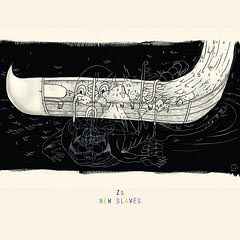
Zs – New Slaves: Tribal drumbeats with metallic noises for harmony, deconstructed sound and effects, and a wailing saxophone make up this experimental band that uses the dub structure of layered sound. The beat established early in a song almost never changes, although it may cease at strategic moments, as in a primal ritual; within the spaces between beats, additional percussion instruments lend their timbre as an electric guitar and/or saxophone make repetitive oddball sounds with minor textural variations, giving the sensation of the album slowly surrounding you like chocolate icing. While most will not have the stomach for the abrasive wall-of-noise technique, the ritual rhythms and ceremonial pacing to each song make it an enigmatic sonic wallpaper for the background, reminiscent of the K.K. Null/Merzbow project “Absolute Null Punkt” if hybridized with The Electric Company.
Diamondsnake – Diamondsnake: This band cracks me up. Well-known ambient dude Moby created it with some of his friends from non-succeeding metal bands. It sounds like middle period Motley Crue done by pop punk brats Blink 182, with lots of extra cheese and sleaze, more with tongue-in-cheek irony than attempting to really provoke a parent or legal guardian. For hard rock listeners, this album is about as clear as anything else in the genre, and has some retro appeal with its very “Quiet Riot 1985 turned up to 11” sensibility. One oddity is that the production is so thin and designed to resemble a pop band, because the reedy hum of guitars cannot compete with today’s louder and thicker sound. However, it captures vocals, which with infectious four-note melodies are what really drive this band, since the riffs are if not generic at least cut from historical archetypes. Like most popular music, it’s children’s songs — really basic 3-4 note patterns repeated as “melodies” — but it’s catchy, fun, and not half as bad as most of the trve kvlt releases we get here.
Catapult the Smoke – Unearthed: Stoner metal is about half Black Sabbath, with the other half being filled by the rock heritage that comes into metal through bands like Cream, Led Zeppelin and Iron Butterfly. This CD contains competent stoner metal with unsteady wailing for vocals, but its essence is rock ‘n’ roll wrapped up in a bunch of metal riffs. In fact, it could well be a case of regression to the mean; this band is not substantially musically different from the Night Ranger clones of the 1980s, but they used lower tuning and have a greater vocabulary of metal riffs, namely Candlemass and Cathedral. Song structures are very much radio rock and these songs suffer greatly because there’s no emotional dynamism in them, where we feel a sudden change in difficult emotions that has the effect of stepping onto a three-story water slide and riding out of control. Instead, these songs claim a space and fill it, but there’s not much internal change or feeling of any emotional conflict, so they end up being more like leaving a fan on at night for comforting white noise.

Vuohivasara – The Sigil: Sounds a lot like Niden Div 187, namely fast melodic violence with lots of chromatic fills and a basic riff/chorus construction. Not bad, not as good as Mythos.

Trauma – Daimonion: Metalcore-influenced modern death metal, reminds me of a cross between Pestilence and Eisenvater, but it does the thing every bad metal band does which is repeat a basic rhythm through everything. Vocals/guitars synch and chant. Riffs are very similar too.

Master – Slaves to Society: Paul Speckmann is a genius of metal who sometimes leaves things half-finished as he does with this album. Riffs are similar, and guitar wankery fills in the gaps. In addition, his chorus-chant heavy metal just makes for repetition. There are some awesome moments but it’s not Master’s best.

Beherit – Unholy Blessings: Compilation of demos. The early demos sound like the first album, the second album demos sound like the second album played hastily, and the live set is chaotic and brilliant but not really something you need recorded. Blasphemy cover is a nice touch. I love this band but don’t see the point to this bootleg.
Skeletonbreath – Eagle’s Nest, Devil’s Cave: I like this because it reminds me of what Carbonized attempted to do on their second and third albums, which is leave rock music and jazz behind by giving songs a pattern of development more like that of a movie soundtrack. Using drums, adroit bass, and a violin, Skeletonbreath create carnival-esque longer songs that resemble soundtracks for the greatest movies you’ve never seen. These songs have clear theme and develop through a series of melodies that comment on one another, creating a real sense of atmosphere and through change, emotion. One of the more interesting CDs I’ve heard recently and musically, head and shoulders above the rest.

Xasthur – Demo 2005: Xasthur is easy to like, at first listen, because it’s actually musical in the formation of its riffs and use of vocals. The problem with Xasthur is that songs don’t go anywhere; this is the same problem every “Burzum-influenced” band has, which is that it’s much harder to string together riffs into an atmosphere than maintain it with one riff and a few breaks. This demo represents the furthest evolution of Xasthur in that songs vary between several moods, like how in your average house, you end up in one of three rooms most of the time. It’s very pretty but doesn’t stand up to repeated listenings.

Wiht – Wiht: First track sounds like a cross between Capricornus and Celtic Folk; it’s very bouncy and very intense on repetition with layers of simple technique on it. Sounds a lot like early Abigor mixed with Samain and early Hades. Not bad, but needs more direction.

The Austerity Program – Backsliders and Apostates Will Burn: Melodic punk music interrupted by extended periods of bass/drums while some dude sings a faux Jim Morrison/David Bowie melodic ramble which is not so much directed as responding to itself. The chaotic result is really abrasive for the most part but has its moments of beauty. I’d like to like this CD but it forgets about the listener and has made a theoretical object instead. Most people will as a result find it annoying.

Antediluvian – Under Wing of Asael: This is like a death metal version of war metal. Take some of those two-chord rhythm riffs that Blasphemy made big, add a musically unrelated fill, and make it a song… then repeat. It’s not bad, it’s not great, it’s on the low side of good but too repetitive to listen to again.
Pyramids with Nadja – Pyramids with Nadja: Often when reviewing failed black metal projects, my thought is that the musicians involved are simply in the wrong genre. Our personalities determine our ideologies, and from that what we find good and what we find bad, and if those don’t match up with the genre, we’re out of place. Nadja the shoegaze emo black metal band is insipid crap; here, however, with personnel from Pyramids as well, the Nadja people are in their element and a great album results. This most reminds me of Mick Harris’ Lull fused with post-Godflesh project Final, if supervised by My Bloody Valentine, because it is layers of organic sound like distorted guitar usually not even playing notes so much as skimming strings and using vibrato directly; they use bass as percussion much like Final does, and layer their distorted waves like My Bloody Valentine, but the sense of songs arising out of silence through chaos into pleasing drones is pure lull. Piano serves here as a guiding voice that brings the surging noise back onto something resembling a melody; voices can be heard, like a Greek chorus in distant space represented by reverb, filtering through. The result is pure texture like noise music, but it’s a texture that takes harmonically related notes and builds from them a fullness that is gentle and intricate enough to hold the attention. This is where these musicians belong; burn your Nadja CDs, because they are nothing in comparison to this.

Aosoth – Ashes of Angels: This is very similar to Anael, in that they use a couple of additional power chord shapes to fake a sonic tapestry. Dissonant chord, consonant chord. Always a binary, like a nu-metal band: here is soft and sensitive, and now it collides with rough and tumble. This technique is as old as 1987, which is when I first heard it and these chord voicings used by emo bands. This release doesn’t understand the spirit of old school death metal, or how it’s composed, and the result is a boring, lukewarm, soulless and repetitive listen.

Cleric – Regressions: Metalcore mixes hardcore, emo and metal into music with the compositional style, pacing and chord shapes of hardcore, but often throws in metal riffs, textures and vocals. The result is like a bag of kittens, each one scrambling to be nearer to the top, and the result is pure chaos. Cleric throw in some droning guitar feedback that’s quite pretty, some odd pauses and lots of prolonged open chord strumming, but musically this is no different from 100,000 other bands since 1987.

Apostasy – Sunset of the End: This album inherits the worst of speed metal, which is lots of strumming in the background while drums race to keep up and some dude “white guy raps” over the top. They’re good at their instruments, and know that intersection of riffing between Artillery and Destruction that is so fertile, but it doesn’t hold together. My head hurts.

Blut Aus Nord – Memoria Vetusta II Dialogue with the Stars: When an album like this comes out, Mossad should be dispatched to the homes of the perpetrators to find the “Black Metal Paint by Numbers” kit they used to make this. Even the worst band made by 15-year-olds is preferable because in its randomness, it is not predictable. This is entirely linear and pulls every trick to sound black metally. There is no direction; it’s a school assignment, “write a black metal album.” And it takes forever to end.
Angel Eyes – Midwestern: Alternating between droning higher-end sound that resembles a siren Doppler test through a smoky sky, and a very basic hybrid between sludge metal (Eyehategod) and stoner doom (Sleep), Angel Eyes create a post-rock opus that almost escapes its roots in indie, emo and modern hardcore. Songs unfold like a rambling house with rooms of different sizes built onto one another in a gradual process of accretion. There’s a room for spacy electronics and heavily reverbed guitar throbbing across a mostly empty sonic platform, and there’s a room for metalcore riffing with about 50% more indie rock taming it from incoherent raging into sensible sound. There’s even the room — shows up frequently, like a storage room linking two wings — for a lack of distortion while simple sweeps echo radiant through the ears. Much of this material succumbs to the linearity of non-linearity, where it both tries to be out there and because it needs to be listenable, shapes its deviance around a very simple core. However, many songs develop in interesting and poetic ways. The weak spot in this band are the predictable elements it inherited: the metalcore riffs are predictable and don’t add much to the song, and the vocals are really pointless. Dropping those would let these guys do what they’re good at, which is designing sound like a playground, with interesting nooks and slides and tunnels and bridges to explore even though you know you’ll end up back at the sandbox eventually. If you want an example of post-rock you can believe in, this would be it.

Cenotaph – Saga Belica: Bands commit suicide after albums like this. The interesting facet is that it’s a cross between later speed metal, like Destruction, with symphonic metal like Emperor or Therion. That means lots of Testament-style riffing that bounces around a chord while vocals rage all over the place, then the verse/chorus slurry runs straight into a pause and keyboard fill, then accompanying guitar/keyboard melodic run. It’s as ludicrous as it sounds, and this album is as directionless as you might imagine. Sad as this was a once-epic band.

Harvey Milk – A small turn of human kindness: This music is really obvious. It’s really stylized, but really obvious. I don’t think anything else matters. If you fall for this, you like listening to first-turn-off-the-main-road variations on metal riffs from the 1970s which, because they’re in a dramatic format full of lots of high school drama student Pauses, are assumed to constitute songs. But songs don’t happen here. Loops of riffs do, and then there’s a bunch of noise and something that sounds like a Walrus on PCP howling, and then the song “peaks” by being super-chaotic then smooths out into normalcy, which is the usual boredom. If you were fooled by Boris and Opeth, you might like this, but otherwise it’s just a treacle of boredom tugging at your heels.

Cerebral Effusion – Impulsive Psychopathic Acts: This is straight off-the-shelf deathgrind of the Y2K+ variety. Breakdowns, pauses, lots of long battery runs with blastbeats. Not incompetently composed but the style is so painfully blockheaded that it’s hard to want to hear.

Dark Half – Reborn: Standard punk music played with metal flavoring, namely a minor key and some metally riffs. For the sense of tempo alone this band should be shot over an open pit, but the completely shrinkwrapped standard black metal riffs dumb this down even further. For bonus points, it’s half speed metal so you get the same hackneyed fifteenth-rate ripoff riffs that have been around for thirty years. Songs go nowhere, but you guessed that by now. If this band were an individual, it would be on the police blotter for stealing empty safes. People waste their lives trying to make themselves like crap like this.

Desexult – Demo II: For your convenience, we have compiled all of the blockhead riffs from the first month’s practice of every metal band ever created. It’s like Hellhammer, but without the insightful incompetence; it’s just sort of part of the ride. I can’t imagine why anyone would keep this around.

Disaffected – Vast: Painfully predictable technical speed metal/death metal. Obviously, these guys listened to a ton of Testimony of the Ancients, but never got their act together to find a style or direction. Lots of speed metal riffs and “wait for it” off-time paused-based riffing, like Pantera on a Dream Theater kick. Plenty of shredding but little going on. Save yourselves before it’s too late.

Disgorge – Consume the Forsaken: Standard totally incomprehensible deathgrind of the Y2K+ variety. Breakdowns, chug-a-lot, blast beats, gurgling vocals and very similar riffs. In fact, this band seems to specialize in the non-riff, or the linear chord progression played with different rhythmic emphasis. It’s a real brain drill, this CD, as you try to remember what you were thinking before the incessant chug-gurgle-blast invaded your mind. What was I saying?

Eradication – The Great Cleaning: Much as I stand behind the idea of killing off the stupid, this band missed at least one, which is this album. Predictable melodic black metal with dramatic pauses and blasts. The result is insipid because it recycles the past without a direction, so you feel surrounded in make-work interpretations of other, better bands.

Ereshkigal – Ten Years of Blasphemy: God is safe from these blasphemers. Really, really safe. This really lukewarm black metal merges the truding mid-paced sound with the goofy, placeless keyboards that Master’s Hammer could use to effect but Ereshkigal manage to use like some bizarre punctuation that intrudes wherever, somewhere, a retard shits himself. It’s not even interesting enough to be random. How did they not fall asleep when writing, or recording this stuff? Oh well just send it to the pressing plant, someone will like it. Anyone… anyone…?

Execration – Syndicate of Lethargy: Guys, you didn’t forget anything. You didn’t leave anything out. This brutal blasting death metal incorporates melody, Gorguts-style odd timings and melodic fills, and New York style harmonics and stop/start riffing. The problem is that it’s disorganized, so you get a ton of unrelated crap that has to streamline into the linear to complete itself. And then it’s boring.

Exmortem – Nihilistic Contentment: For a metal band, it’s easy to confuse “frenetic” with “has content.” This very busy — “chaotic” — thrashing madness has constant clanging bass, battering drums and whirring guitars. What it doesn’t have is any particularly unique or insightful view of the world, or an aesthetic experience that rewards consciousness with an expanded view of life. Instead, it’s like cramming your head into a tiny box and then beating on the sides with your tiny impotent fists.

Fatalist – The Depths of Inhumanity: Oh fucking awesome, it’s just like the early 1990s when the Swedish death metal gods ruled the world. Except that somewhere along the way, Fatalist lost its soul. They’ve aped the sound of the guitars, and play derivative riffs at the same pace, but the songwriting is a mess. Sure, all these riffs are in the same key, but they don’t relate to each other that well and aren’t that interesting. To compensate the guy doing the vocals rants in a really predictable cadence. The result is mind-numbing and lacks all of the interesting song structures, melodies and atmosphere of the original Swedish death metal, or any music more competent than jingles in commercials for cleaning products. If you wanted to know what it’s like to be a retarded child, listen to this extensively.

An Albatross – The An Albatross Family Album: This CD tries to capture the experience of taking bong hits while you flip through a random selection of cable TV channels, with a metal CD going in the background and something really intense on your mind. They patch their songs together from metal, punk and indie riffs broken up with sound samples, keyboards, and radically sonically different interludes and transitions that resemble the intensely emotional conclusions of nature channel documentaries. Much of this music plays with being on the edge of deliberately super-annoying, and so will fail the “do I want to listen to this again?” test, but as an exploration of pushing the limits of style, it raises some interesting issues that someone else could develop in a more coherent and expressive way.

Faust – From Glory to Infinity: Very linear music, embellished with technical metal frills, but this cannot disguise the basic blockhead approach and lack of aesthetic opening that defines this music. Reminiscent of a faster and harder version of later Rotting Christ, this is melodic metal trapped in the middle of absolutely predictable overractive rhythms. It’s a mishmash of speed metal, Meshuggah, and death metal riffing that ends up just wearing you down with its insistence. This band really needs to just step back and figure out what they’re expressing. This is a highly competent mess.

Faustcoven – The Halo of Burning Wings: This is hiking music, meaning that it keeps building on a single two-step throbbing rhythm and hopes you follow along. I’m sure there are tasty granola bars, and maybe topless female hikers at the next rest stop, but this is boring as hell. Trudge, chant sing-song verse, then chorus and dick around with some riffs before you end the song. I’m trapped in that two-dimensional mirror thing they used to store bad guys in the Superman movies. LET ME OUT

Child Abuse – Cut and Run: The postmodern music of the late 1990s onward has confused cause and effect. When music is unique, the cause is a unique view of life and a burning desire to express it (put it into symbols and sound). When music is not unique, you cannot make it unique by dressing it up in everything “different” without making a mess that’s both chaotic and annoying. Child Abuse sounds like what would happen if a nu-metal band decided to make grindcore with math-metal and metalcore influences. Lots of odd noises, weirdly bent guitar riffs, and then standard grind/punk riffing while vocals shriek and feedback imitates the stall warnings of a 747. This really is not a path to success.

Faustrecht – Demoniak: Now that every metal band has an intro, let’s be sure to include one. Make it especially wandering and pointless. Then speaking of wandering and pointless, let’s put together high-speed Venom-style riffs and Donald Duck quack over the top. Even better, let’s keep it as verse/chorus as possible. Minimalism is like being closer to Satan. Then a really catchy chorus, but don’t make it too distinctive, or it might offend our advertisers (lobotomy wound care products, no doubt). So it ends up insipid, but that’s convenient, because so is the rest of this disaster of an album. I’m sending it to the Large Hadron Collider people because “Demoniak” is so bad it will make time itself slow down. Hope you’re not feeling your mortality while you waste irreplaceable seconds on this turd.

Fear Factory – Mechanize: Staying true to the title, I think they outsourced this album to a Perl script. It does that annoying white boy rap thing for the verses, and then choruses are the dude howling three syllables over and over again. It’s like the worst parts of Godflesh and NIN, but they added VNV Nation style techno touches. But we’ll be DIFFERENT and throw in some singing to make you know hey, it’s not like the other brick-stupid obvious stuff out there; there’s SINGING! Did we mention the SINGING? Still it’s so driving yet invariant and depthless that it’s good for nothing more than driving your parents, if you’re deaf and so immune to this wreck. I think they clearly designed this for people new to music who don’t mind really obvious and prosaic music so long as they get the message. And with this degree of high volume repetition, there’s no way to miss it.

Fractal Gates – Altered States of Consciousness: This sounds a lot like early Nuclear Assault to me, but with death metal vocals and uptempo. Good melodic hooks, riffs are obvious but not out of place, and there are some pleasant melodic diversions. Very Gothic in its use of melody, like a short bus version of Gehenna or later Rotting Christ. I wouldn’t call it profound, and as a result, wouldn’t listen to it again, but it’s far more “together” than most of the shit in this review pile.

Funeral Moth – Funeral Moth: The good thing about a gimmick is that you don’t have to work on the content of what you do. Let the gimmick sell it. You’re a Japanese doom metal band; what else do you need? Never mind that Winter, Thergothon and Skepticism all did the very slow riffs thing better and they did it by developing those riffs. Just get totally linear. No one is going to be listening anyway, because they’re too busy talking about how you’re a JAPANESE DOOM METAL BAND. Exotic, dude. Pass the PBR, and continue half-listening to this insipid hipster nightmare.

Gammacide – Victims of Science: You wanted some chaotic speed metal? Good, because this is pure chaos. Fast riffs flow into faster riffs and then they get into the staple of 1980s speed metal, the trudging riff that’s basically a lot of fast strumming of a recursive but rather slow progression. Chanty vocals with jaunty rhythms are par for the course too. But there’s a reason this band never really took on the world. This stuff has personality, but you wouldn’t say it really nails it, or expresses anything interesting about life. It’s there and it’s metal.
Gorgoroth – Quantos Possunt Ad Satanitatem Trahunt: Droning misery. Constant drumming. Harsh background screams with predictable rhythms. If this is Satan’s music, I’m getting a Bible. Interestingly, other than the fast strumming, this music is identical to the mediocre crap that came out of the late speed metal era, including the riffs that are based on Slayer patterns but, to distinguish them, random notes get tossed in. When you think it can’t get any worse, they do a “dramatic” pause and then start up, or throw in melodic black metal riffs that are about as new as erosion. If you are busy doing something really difficult, you won’t notice this background noise is pointless and boring. But listen to it? It has the soporific effect of a televangelist’s sermon.

Grabnebelfursten – Schwarz Gegen Weiss: It must be that Reader’s Digest is offering a series of helpful articles on handy home repairs and making symphonic black metal. These riffs sound like the guitarist is feeling them out and just trying semi-random stuff as he goes, and the composition modus operandi of this band is to find something they like and pound it into the ground, then toss in something totally different so you don’t get bored. The result is circus music that’s comedic in how little it relates to itself, or anything else. Vocals are also of that ptomaine poisoning hurl that sounds like the vocalist is straining to keep up with the random clatter beneath. I think they should refer to this as “suicidal black metal” because unless you have the option to turn it off, death may be your only deliverance.

Gravferd – Demonized: Hi everyone, I’d like you to meet my Down’s syndrome child, Gravferd. He sits in his room and practices stuff he knows other bands have done, and then vomits it back in a random order so that there’s enough for an album. Any time he gets confused and starts to cry, we just double the tempo and then he starts barfing out incomprehensible lyrics recycled from a giant pile of cliches we keep in the diaper room. You might recognize intense moments from the last twenty years of black metal, stripped of all context and power, rendered incompetently. But he’s my tard, so I’m going to put a gold star on this fucking thing and publish it. File under G for “glazed over.”
Greymachine – Disconnected: People love ambient music because you can turn on the drum machine, start jamming over a simple progression, and by dumping layers of noise, found sounds, keyboards, vocals and guacamole on it you can gradually shape it into a song. Then you turn off the tape machine and mail the thing to your record label, who start talking about it like it’s the esoteric holy grail of lost musical genius. Let’s dial it back to reality: this is very stoned people dicking around in the studio, and it shows none of the genius that occured on Streetcleaner all those years ago.

Holocausto – Campo de Exterminio: You have to get this, it’s a classic! Undiscovered cult metal from the early 1980s… and there’s a reason it was undiscovered. Do you remember those record players they made in the 1970s for playing Disney records? They were all plastic and had cartoon characters molded into them. This album belongs on one, because it’s kiddie music. It’s super-basic, not in a profoundly disturbing way like Discharge or Sarcofago, but more like a cross between old Sepultura and Anthrax. Like Anthrax, it’s simple-minded. Like old Sepultura, it’s fast and blasphemous with incomprehensible vocals that sound like tearing Kleenex. Like much of 1980s speed metal influenced material, it has the uncanny ability to kill time by hanging out on a very linear, obvious series of variations on a rhythm. I really wish this was buried treasure, but it’s not.

I – Between Two Worlds: Predictable hard rock, meet black metal vocals. Yes, it sounds like a toad on meth, and the riffs that came out of the 1970s but now come at you twice as fast just make the ludicrous more painful. Even worse, the increased tempo means that there’s no breathing room, just constant cliche at top volume. Then when you think you’ve heard enough, the shitty guitar solo comes in to make you long for peaceful silence. Unless you’re a moron. Then this must seem like it was made just for you.

Homicide – Dale of Lost Souls: Here come the police — where can we hide this collection of stolen ideas from the FAIL file of bad 1980s speed metal? Oh look, we can stuff them into this blackened death metal band and no one will notice. Mainly because no one is listening because this sucks. It’s all over the place and to hide the fact they have no idea to develop a song, the musicians here rely on repetition to remind you which song you’re listening to. It’s the one with that borrowed, dumbed-down Exodus riff. Oh wait. That didn’t help. It’s the one that’s a microwave TV dinner version of Devastation… that won’t help either. Throw this out.

Ignivomous – Death Transmutation: I wonder how these musicians memorize these songs. Since the riffs fit together in tempo and key only, and make no sense as a metal tune, and the only transitions possible are dramatic pauses, it’s likely they have a mnemonic to this. Probably something like GDHJJKFLX because the whole album is incoherent. Good guitar tone, zero on the content, and like all shitty metal bands they have to shout it at top volume to try to distract you from the suck. The best course of action is to go do something more stimulating, like mow a lawn or punch out gargoyles.

Impurity – Lucifer Vomiting Blasphemies Over Christ’s Head: No, it’s Impurity vomiting inconsequential noise over your head, and over your wallet, if you bought this. This noisy foray into basic death metal sounds like war metal, which is to say that it’s near constant tempo incoherent riffing with a drunk guy gurgling while the drummer does basically whatever he wants because no one is paying attention. You can do better than this, probably with a pair of castanets and a broken fan to howl in the background. This album is the comical disaster that your parents would imagine upon hearing the title. Well, at least it presents itself accurately.

Infected – Crawlspace: Sometimes, when you get infected, you get a bad headache and you lose 20 IQ points. That’s what happened to this band. This is stop-start “wait — I’ve got to crap — look — some open ground” style semi-skeltonic brain-absent chanting over recycled riffs from failed Exhorder clones who perished in prison where they got sent for ripping the warning tags off of mattresses. The total failure of imagination, or connection to what makes music good, gets us this headache which has zero flow and zero appeal.

Inflabatan – Wanderer of Grief: Every melodic black metal album, boiled for 12 hours to ensure no flavor remains, served with peas steamed in dishwater and a tasty glass of fortified wine gone to vinegar. It’s not bad, it’s far from good, it’s just there. Kind of like when you have a late assignment so you write I ATE MY OWN ASS AND LIKED IT on a sheet of paper and hand it in so you at least don’t get a zero. It’s not a zero, but maybe like a 36.

Inquisidor – Inquisidor: You know, disco had its moments. It had melody. The songs often were distinctive, and sometimes, reminded you of a moment in life where you felt clarity and got excited about what was to come. Inquisidor is “generic” in the oldest meaning, which is that it fits into its genre dead in the middle and is exactly what you’d expect. Fast Kreator riffs, in songs structured like those of Sodom, with urgent blasphemous vocals. If it were the first of this type I heard, I might like it but find it a little boring. Now I just flee.
Inquisition – Magnificent Glorification of Lucifer: I can see why people like this — it’s competent. The rhythms fit together, and riffs work together. The problem is that it’s composed in an idiotic style, and is as a result limited. This is the fusion of war metal and Judas Iscariot-style slow ambient black metal, so you get (a) more repetition than you know what to do with (b) simple riffs on a bouncy rhythm and (d) detached, disconnected vocals. It’s about two riffs per song, often variations on the same theme. While they all fit together, and the result is pleasant to listen to because these guys are five times as competent as the average black metal band, it’s still boring. Nothing happens: what is going on when the song starts is what happens when it ends. That result doesn’t feel evil, or challenging, but kind of dance-y like later Napalm Death.

Wreck of the Hesperus – The Sunken Threshold: Imagine an indie-metal/doom metal hybrid. What you’re imagining even with half a brain is what you get with this release. Slow limbs of chord progressions rise and crash while drums keep a busy, jazz-inspired distraction going. Songs move slowly, verse/chorus, then conclude in a trailing out to insignificance. If Winter, Thergothon and Skepticism did it too well for you, here’s a generic version.
Vektor – Black Future: Hipster music. I say that because it’s dressed up (ironically) like Voivod worship on the outside, but it’s pure aesthetics; there is no understanding of the composition or content that made Voivod great. Instead it’s standard war metal, slowed down by 1/4, played with some of the chord voicings Piggy used. Songs are standard format, very busy with lots of chaotic drums and messy riffing, but no concepts that tickle the brain or even amuse the gut. On the surface, it’s Voivody. Beneath, it’s the standard punk/metal/rock that hipsters like, dressed up in a unique way. Watch this band disappear quickly.

The Shadow Order – Untold: This is probably the best Burzum clone I’ve ever heard. If you can imagine Burzum writing songs that transition from state “A” to state “B” directly, you’ve got roughly what’s going on here. It’s simpler, similar in spirit, and slightly more ear candyish (e.g. confines itself to conventional consonant voicings) but on the whole is pleasant to listen to. It’s unlikely to stand up to repeated listens well, but will occupy a position like the first Infernum album of being a reasonable alternative.

Inveracity – Extermination of Millions: This is a good solid release in the Deeds of Flesh/Suffocation percussive death metal style. It’s more linear than Doug Cerrito’s inspired riffing, but has a good sense of putting together a basic song and stacking up parts that contrast each other, so doesn’t fall into the monotonous camp of most material in this genre. While it is good, it falls short of exceptional and thus radically distinctive, so it’s always going to lurk in Suffocation’s shadow until it develops more of its own voice.
Insect Warfare – World Extermination: If you crossed Terrorizer, Assuck and Nasum you’d get something a lot like Insect Warfare. This is grindcore that sounds like some very energetic people dropped whatever they were doing, rushed to their instruments, and bashed out short but furious songs. These songs are well-composed; however, they’re also extremely basic and rely on riffcraft that alludes to much of extant grindcore. As a result, it’s kind of a neat album if someone hands it to you, but hard to want to reach for it when much more personalitied and diverse offerings like the early Terrorizer material exist.

Kaamos – Lucifer Rising: Pure speed, awesome Swedish(tm) production, and intriguingly blasphemous sound titles cannot compensate for having depth to your music. Kaamos is, like almost everything but the original wave of Swedish death metal, screamingly obvious. These riffs are almost entirely linear and capture no melodic or harmony; not only that, they aren’t shaped into interesting phrases rhythmically. The result is a CD that instantly descends to background noise. It’s pleasant-sounding but empty.

Liturgy – Renihilation: Get the hipsters out of metal. If you like emo-style melodies played really fast over chaotic drums, or the former hybridized with riffs from old Metallica clones but played in a kvlt black metal style, you may like this. I find it really obvious, although clearly musically more erudite than the trve kvlt types. The problem is that despite all of these interesting elements, the songs express nothing, and chord/note progressions are very similar from track to track. The frenetic drumming and vocals only accentuate, not conceal, this deficiency.

Malign – Divine-Facing Fireborn: You and I would really love to like this. It has all the promise of older black metal: a cross between Sarcofago and Merciless, interpreted through the filter of later Mayhem (lush chording, odd slow tempo changes, murky sounds) with the viciousness and yet very pop sense of melodic hook that all the Swedish black metal bands wield. Yet, that’s it. The surface traits are all; what’s underneath is unmotivational. So you end up with black metal wallpaper and an empty soul, but also, a bored one.

Maim – From the Womb to the Tomb: These guys have an interesting approach, aesthetically, in that they try to be Autopsy but mix in the speed and pacing of older Entombed. Sonically, it’s a great approach but not much changes in the song between the beginning and the end. It’s less like a big loop than a spin cycle: you start looking at something, then rotate around it and hey, there it is again. In addition, riffs are really basic variants on forms we’ve seen before from Kreator, Destruction, Atrophy and numerous death metal bands. They are very basic, very interchangeable, and lack the feeling of having been designed to fit together into something distinct with a meaning of its own. That depthless nature to these songs makes this album an endurance contest.

Perished – Seid: Strip away the death vocals and fast drumming, and this is plain boring hard rock like you might find on a Motley Crue record. Aesthetically, it sounds like Immortal, but without the greatness of personality that made At the Heart of Winter a great album, or the spark of insight that made earlier Immortal even superior.

Pathology – Incisions of Perverse Debauchery: Cross Deeds of Flesh with Dead Infection, and you get this gurgling deathgrind which is relentless and not bad, but also not exceptional enough to merit a re-listen. In particular, songs are streams of thudding riffs and relatively similar textural shifts, which makes it difficult to distinguish between them, although the radically varying production helps. I respect this more than most bands because it has a simple goal and fulfills it, although it’s hard to want to go through the experience when there are more interesting listens out there.

Pantheist – Amartia: If Paradise Lost and Skepticism had a baby, it would be this ponderous doom metal band. Songs are glacial with melodic underpinnings and a bit on the pop side, although they love their sonic dynamism and intense distortion. It’s competent but not particularly compelling in form or content, and the vermicular pace does not help us get over that.

Overthrow – Within Suffering: It’s a hybrid of Beneath the Remains era Sepultura and early Sadus, and it’s well-executed but not a standout in that these songs follow fairly cookie-cutter speed metal patterns. Riffs: you’ve heard their archetypes before. Vocals: they do that thing where they chant on the beat as the kickhappy drums crazy go nuts next to some chugging guitars — fucking annoying. On the plus side, they change riffs like Dark Angel so that there’s always tempo, harmonic or phrasal motion (or when disordered: commotion) going on. And lots of solos that sound like later Nuclear Assault going hog wild on the pentatonics. Ultimately, I find this really annoying but if you would let Sadus mount you from the rear, you’ll love it.
Pensees Nocturnes – Grotesque: This promising band confuses aesthetics and content. They’re good songwriters, with an apt grasp of the technical side of the music, but because they have never found an aesthetic “voice,” end up piling random types of stuff on top of one another hoping that summing up parts magically makes the whole bigger. This sonic collage features crashing slow metal riffs which give way to fast melodic riffs reminiscent of Enslaved’s Frost, and are periodically interrupted by transition material with piano and string instruments. On top of this, some guy is bellowing like he is getting raped by an elephant. While in general I’m all for overlooking aesthetic dislike to get to the core of a band, in this case the lack of aesthetic ties an arm behind this band’s back as far as songwriting is concerned — too much is lost as they try to conform to this bizarre format. In addition, they’ve picked up some of the chord progressions and bad habits of post-rock bands, with huge parts of this album resembling the lost Maudlin of the Well “Dave’s got the purple shrooms” sessions. When they are able to put together an aesthetically coherent part of a song, it flows well, but then drops back into their bad habits and crutches. My advice to Pensees Nocturnes is simple: standardize your vocals, become a doom band, and use other instrumentation at strategic points in each song instead of as a general technique — look at the first At the Gates album. Less is more, if that less is more organized than the more. But use more oboe.

Prevalent Resistance – Dynamics of Creation: I’d like to like this because it’s easy to listen to, is pleasant and comforting. Patterned after Dimmu Borgir’s Stormblast (the first version, with the video game music) and a smidgen of early Dissection, this album is candy for the ears. But that’s the problem. There is no tension, no moral conflict, no desire even for pointless destruction. It’s trying to make friends. Like a warm puppy nose on the leg. In fact, it resembles the indie rock of the last decade: slick, studied, and very good at writing a melodic hook into the end of a three-step phrase so that it gets that Hallmark(tm) “uplifting” feeling. I think if I wanted smoke up my ass, I’d just listen to indie rock. Musically this is adept, artistically it gives blowjobs for $10 at streetcorners.

Diabolicum – The Grandeur of Hell: I have tried to like this 1999 album for literally 11 years. It has all the right elements, and it starts well, but becomes shapeless in the middle. I don’t think this has anything to do with how industrial it is. I think it ran out of steam in terms of songs and what they are about. Typical of Swedish bands, Diabolicum write great melodic riffs and then have no idea how to develop them, so end up in circular song structures that leave you unsure of why a song ended; it just ended, when it did, semi-arbitrarily. The result is that there’s no reason to keep these songs in your head other than as a pleasant distraction.

Oxbow – Fuckfest: This music is both spectacularly annoying, and good but fairly standard. If you took a Motorhead/Black Sabbath crossover, made it more rock ‘n’ roll early friendly, then chopped it up with fast rhythms and dissonant syncopated riffing, you’d get this. The vocalist howls like he’s in the Bad Brains but with little of the musicality. I think they believe this is revolutionary. Musically, it’s not terrible but aesthetically it’s like a screeching siren in your head, making you wish the world would end.
Die Apokalyptischen Reiter – Licht: Most people are going to identify this band as a heavier version of Rammstein, but that’s only half the story: this ostensibly industrial band is a three way hybrid between pop punk, melodic death metal and very danceable industrial. They write their songs like At the Gates, with several riffs cycling during the verses after the first introduction, and they shift between these like rally racers taking shortcuts through the old neighborhood. Vocals are very pop punk, with a rhythm similar to Bohse Onkelz or other brainier punk, and riffs are often power chords staggered in the death metal style with an emphasis on the stop/start rhythms that industrial, speed metal and rock favor. However, this is in a very literate musical framework where subtleties emerge from what are initially very basic melodies, and songs develop around this melodic core and end up being quite beautiful and infectious. After about ten minutes, you no longer hear the heavy riffs, and you feel like you’re listening to a more touch-and-go version of Wolfsheim on guitars. This isn’t my type of music, but I respect it — which is more than I can say for most versions of most genres.
Droids Attack – Must Destroy: We were chilling on the porch trying to figure out what to call this new style, not yet quite a genre, where they put bands like Red Fang and Droids Attack. It’s like fast, bombastic, hard attack versions of stoner doom songs; this CD, “Must Destroy,” sounds a lot like the first couple Sleep releases: bluesy, hard without being aggressive, bounding party rock. It’s like they took the Detroit underground rock/punk sound from the 1980s (before The White Stripes) and merged it with Motorhead and the MC5, and got out of it this entirely rockin’ style that isn’t metal but borrows a lot from it, and isn’t punk but attacks with the same sheer verve, but then sticks into the heavy bounce of guitar rock like Grand Funk Railroad or Iron Butterfly. It’s easy to listen to but more motivational than techno, even, so makes great music for partying or cleaning the house. On this CD, the style is expertly implemented with lots of space between bounding riffs for introspective parts, like the calming parts of the ritual of a rave, so that you can listen without getting washed out by pure bombast. I see a great future for this style and this band as people get sick of the twee effete hiding-in-basement styles that have been popular for the last decade.
Nun Slaughter – Goat: When most people talk about old school metal, they’re thinking of bands like this that combine the barebones essentials of heavy metal (Venom), death metal (Master) and speed metal (Nuclear Assault) into one high-energy package. What propels this CD is its ability to keep momentum. Riffs follow each other logically and transfer energy like a locomotive hitting a truck full of bowling balls. This energy conservation is harder to do than one might think, because if a band just plays really fast, it doesn’t happen. It takes an awareness of the music and a love for the metal craft of putting riffs together so that they talk to one another and keep kinetic inertia. Clearly this band know their metal, as the riff forms — the basic phrase and arrangement upon which these riffs are based — descend from all generations of metal, but have been adapted to fit the song and NunSlaughter’s trademark crude but adept songwriting. Most songs are verse/chorus riff cycles with discursive bridges that lead back to triumphal restatements of theme, but given the rawness of the music, nothing else would really fit without making this a modern animal. If you like bands like Onslaught, Sodom, and Merciless, this band stays within the same range but is immediately distinctive. Like fellow midwesterners Cianide, they hide their subtlety and distinctiveness underneath a desire to make a riff language out of metal’s heritage and use it to sing of their specific experience, which seems to be a conglomeration of Satan, rape, blasphemy, violence and sodomy. Given this framework, however, it’s clear this band is a thoroughly enjoyable ripping ride through the dark recesses of human visceral emotion, and no matter how much people wail about it being derivative or lowbrow, it’s great stuff.

Morser – Two Hours to Doom: We should christen this band the German version of Human Remains. They play in the modern metal, or proto-metalcore, style innovated by those founders, meaning that they put metal riffs in punk-style songs. The result is an emphasis on individualism through deconstruction shown through the juxtaposition of random images, which if you think about it is the origin of all modern art. Instead of continuity and order, they show you many individual perspectives which don’t agree, further isolating you in yourself. 1980s crossover thrash on the other hand tried to make radically different riffs fit together like a storyline. While this style provides unbalanced listening as a result, it exceeds the competence of its genremates by making these songs fast and to the point, even if that point is a binary song with a fairly random third option introduced in the last third of it. Later on, bands took this style and threw technical death metal done in one dimension into the mix, but for now it’s honest punk borrowing from every style under the sun in a fast and precise but not show-offy fashion. You’ll hear the blues riffs, funk bass, prog trills, and even quotations from soundtracks and ethnic music, all done at high speed in blisteringly distorted guitar. It’s no wonder this release has, for a flavor of the day genre like modern metal, stayed in demand over the years.

Black Funeral – Vampyr: If you put a simplified Emperor/Ancient hybrid to Darkthrone percussion, it might sound like “Vampyr” — an unknown quantity of death metal rhythm, and ambient black metal made with the flourish of symphonic metal, but in the simplified and abraded sound that also qualified early American bands like Havohej and Demoncy. This is a very American thing, both North and Sound hemispheres, to simplify song structures to a standard form like in hardcore, where much of what made early Nordic black metal beautiful was that song structure was defined by content — in the way that early American phrasal death metal like Incantation was. While this album makes for more recognizable listening, and is clearly the musical peak of this band, for artistic reasons a discerning listener may prefer other works.

Chthonic – Seediq Bale: This symphonic metal band from China sounds like Dream Theatre melded with Cradle of Filth, as played by later Therion. More focused than any of those acts, it takes advantage of compiled conventions from the various constituents of this genre, and makes a distinctive version of them. If they more seamlessly integrate this with the indigenous music of China, it could be a powerhouse; for now, it’s a better option for Dimmu Borgir fans.
Blazemth – Fatherland: This short release charms the listener with its beauty, brave pasted-together emulation of black metal heroes and honesty in expressing something of significance even if at times the methods are crude. In essence, this band is a hybrid between early Emperor and Graveland, hoping for sweeping melodies interwoven with keyboards and spoken/acoustic dirges, creating an atmosphere that it then delights in breaking with riffs sounding like they come from the melodic heavy-metal-influenced black metal of Rotting Christ and Hades. This band specializes in contrasting textures of riffs: a mostly open simple riff will abrade when a flowing tremolo melody follows it, and chromatic death metal shredding offsets windswept sweep picking. While the individual parts are less graceful than their archetypes, they are nonetheless beautiful in the same way early punk was: individuals captured in their striving for an ideal that they may not achieve, while enjoying the struggle.

Blazemth – For Centuries Left Behind: Template driven from the early works of black metal, this band achieves an ambient black metal sound by attempting a simplified version of Emperor and other early black metal bands. Riffs are simple, production distorted enough to background guitars into a roughly harmonized blast of noise, and keyboards unite the rest into a smooth flow of sound. Emblematic of this album is the spoken introduction with which it begins; this is a guileless take on black metal that is not afraid to be ridiculous, but because it is earnest, never irks like the commercial cluelessness that followed. Its strength is an immersion in mood, but its weakness is that individual parts ape classics like Emperor and Burzum, just in an interpretation specific to this band. Although this will not blow anyone away with its breaking of ground, it remains more convincing than most post-1996 black metal because it has a clear ideal in mind and pursues it making creative use of what techniques and elements are within reach. Their followup, “Fatherland,” reflects more development; on this short CD are themes you have heard before, done uniquely in the homebrew style by this straightforward and committed band.

Jodis – Secret House: You have to have a high tolerance for slowness with this album. A chord plays, rings out, the distortion crumbling as the sound loses its solidity; then, two notes jangle with the seeming discordination of a snapping clothesline or the slow decay of metal in abandoned factories. Someone bellows. More noises, feedback zoning in and out like lawnmower noise across the street as you try to nap your way through a summer day. More bellowing. The songs are like hailstones, formed of layer after layer deposited upon the last. If you unfold the surface it forms a great linearity, like a giant strip of paper covered in words that blur together. Time goes by unheeded. You get up and change the CD.

Nihill – Grond: Standard uptempo Darkthrone black metal clone with really emphatic, dramatic, emo-style vocals still done in the guttural end of black metal sound, Nihill is technically competent but makes binary songs, meaning that they alternate between two moods until the vocals are done ranting and the song can end. When Darkthrone did this, it was to great effect because their songs centered around a contrast that conveyed a greater sense of mystery or discovery. Nihill is just cyclic and offers no hope, only a sense of inevitability. I could see this appealing to fans of Judas Iscariot.

Eradication – The Great Cleansing: An attempt to merge “Following the Voice of Blood” era Graveland with “Ugra-Karma” era Impaled Nazarene, for the most part this album works. The randomness of its melodies and the drone-strum technique from the Graveland side gently obscure some of the rough edges and more obvious riffs, which feed nicely into the full-speed-ahead woodchipper riffs from the Impaled Nazarene side. It’s a solid B+ for content, maybe a A+ for technique for being both original and nuanced enough to give this band its own voice.

Vile – Depopulate: If the Deeds of Flesh style second-wave percussive death metal bands simplified things a bit to the level of the first Deicide album, and chose very basic bouncy riffs with melodic accents like Brutality, you could well end up with Vile. It is both good and bad; it is good insofar as it develops, but it is bad because that’s often two steps of thinking away from a double-strum on an E5 chord. Chortling vocals battle it out with gurgling rasps over pleated sheets of power chords where the offtime notes are played in a muted strum, giving this a pirate shanty bounce which is then torn apart by drums like a multi-legged battle robot scrabbling through the ruins of a city. There are messy leads, and often ludicrous “my attention shifted suddenly when I noticed the shotgun” song structure deviations. While they do what they do well, this style of death metal limits itself too much for repeated listening.
Gifts from Enola – Gifts from Enola: Someone crossed Kyuss with uptempo indie heavy metal and threw in the developments in the last ten years of stoner doom metal, creating a jazzy and fluidly composed album that moves about at the pace of early Black Sabbath. With very little intervention from vocals, the band jam in this style with droit, jazzy changes and variation in riff types from psychedelic lead-picked atmospheric to droning power chords to harmonizations on par with what Iron Maiden did. These songs are relatively linear, with breaks and resumptions, but form a kind of sonic texture that is easy to absorb, comfortingly varied, and most of all — unlike most post-rock — pleasant to listen to because it contains an internal balance and musicality. If you’re familiar with the jazz fusion of the late 1970s, nothing here will be a surprise musically, but it’s in a new form with more force behind it and the crossing over of the loud and abrasive with the subtle and beautiful gives it an elegance jazz fusion could never hope to have.

Urna – Iter Ad Lucem: Cross Ras Algethi with a post-rock band and you have this mess. The chord progressions are typical of that emo, shoegaze and indie rock fusion that is “post-metal,” which in most cases but not all has nothing to do with metal except that thanks to black metal’s extremity, it’s what the angry activist life-did-me-wrong failures are listening to these days. The worst sin here is that nothing really goes on in these songs. A few notes go up; a few go down. This is repeated with layers of vocals, a la Teitanblood but more artsy, and drums that keep busy outside the main event like those in a doom band, but ultimately songs don’t evolve and only gain structure through linear variation on known themes. In addition, if you step back and listen to this, it’s ludicrous. Like Krallice, it’s soft rock trying to be evil and as with all paradoxical and half-witted goals, has instead made a squirting fecal mess of it.

So there you have it — like a cheap buffet lunch, mostly FAIL with some tasty nuggets stuck in there, only half of which will come out whole in your stool. If I had to design a record-shopping trip from this, I’d pick up the Nunslaughter and Gifts from Enola and call it a day.

No Comments

Tags: , , , , , , , , , , , , , , , , , , , , , , , , , , , , , , , , , , , , , , , , , , , , , , , , , , , , , , , , , , , , , , , , , , , , , , , , , , , , , , , , , , , , , ,

Refreshing metal: Avulsion

Avulsion – Dimensions of Darkness

Production: thick and blurry like sound behind a curtain.

Review: As death metal diversified from its roots, a branch extended from those who made their death metal at slower paces. The cavernous impact of Avulsion emerges from the mental moment of this conception even if the music was released some years later: trudging, echoing, flattening sound that like a vortex of destruction immerses a listener in a sense of the vast before dissolving it with retrograde motion.

The most obvious influence on this album comes from Incantation, whose riff styles and tempo changes appear throughout the work, including the title track, but Avulsion develop their own style with a feral mixture of primitive death metal and the thunderous doomy styles that Obituary, Gorguts and Therion made into a language. This album broadcasts its American tendencies but also reveals influences from a panoply of metal bands worldwide.

Like doom metal, this music roars slowly into a medium pace with a compelling rhythmic hook, and then through a series of full stops and redirects builds up to a tempo change, after which it takes off only to decay, shift timing again, and then end in a complementary riff in the same rhythm. Similar to the interlocking passages of a maze, it unites itself through constant contrast.

Vocals rush over the microphone in a whisper-infused roar, and drums guide each song expertly with a wide range fashioned from simple techniques. Guitar composition favors harmonically localized riffs, giving these songs an ashen feel in the absence of melodic development, but makes up for it with motivational rhythm. In the old school death metal style, Avulsion makes complexity from simplicity and intriguing aesthetics from morbid droning.

1. Nocturnal Wrath (4:16) mp3 sample
2. Disgorged Entrails (4:09)
3. Skin Defilement (4:53)
4. Inexorable Suffering (3:44)
5. Near Death (4:07) mp3 sample
6. Dimensions of Darkness (3:54)
7. Desecrated Ground (3:43)
8. Gathered in Ashes (3:44) mp3 sample

Avulsion – Indoctrination Into the Cult of Death

Avulsion’s Indoctrination into the Cult of Death is a record that scratches the same itch that Blaspherian does: oldschool without being “retro”. It’s a very dark album that melds together the slow parts of early Carcass, spooky Finnish stuff like Demigod, and the doomier side of NYDM and Swedish death metal. The atmosphere it exudes is comparable to that of the first Demoncy album, which makes sense, seeing as the band features members of Demoncy. – Chapel of Torment

No Comments

Sadistic Metal Reviews 10-18-09

God is love, they tell me, and that universal brotherhood is the way to peace and happiness. But I’d rather have answers than peace, and I’d rather have really intense peaks of experience than absence from conflict. This is most true in music: absence of hatred, war, chaos, loss, tragedy, sodomy and demons means boredom and lots of twee “mixed emotions” poignant ironic dweeb-rock that some scenester in plaid and chains is going to lord over me like the hidden magics of Merlin. Attention hipsters: your music isn’t special. In fact, you’re only pretending it’s special because it’s not and you want a reason to feel really cool and to try to make me feel like the dweeb. But then again, I’m not the one wearing an ironic ensemble designed to tell the world I’m not a sheep. Because telling the world you’re not a sheep is not only transparent, it’s also one good way to get trolled by a large corporation. We’re here to dodge the sheep/anti-sheep dichotomy and just look for interesting music. Welcome again to Sadistic Metal Reviews.

Iron Age – The Sleeping Eye

Many things have two masters, but this band has two souls. The first sounds a lot like Manilla Road, with more of the aggression of later Destruction and the progressive vibe of Atrophy, with the nu-hardcore vocals of later At the Gates. The second is early alt/indie progressive speed and doom metal that sounds like a cross between Sabbat (UK) and St. Vitus, or any of the doomy hard-rock influenced bands like Sacrilege (“Turn Back Trilobite”). Lead guitar is the real standout, with solos that seem to wander around the obvious but chart a path right for the major theme and then spell it out offhandedly, as if unveiling a card trick, without losing the musician’s sense of spirit and audience that keeps them from being gimmick. Riffs are more of the European style, with one or two chords offset against a rhythm played in fairly inconsequential chords or open strings. From this the band modulates into its second soul, one in which a good Sabbathian doom riff must play out evenly against a changing backdrop of tempo, which through its permutations selects variations and complements to that theme. Compared to underground metal, this sounds sparse and somewhat like a Model T, with tempos and architectures of an earlier time. However, it’s quite good and puts both most doom metal bands and most speed metal bands from the post-1994 era to shame.

Evoken – Antithesis of Light

From the epic doom category inhabited by Skepticism and Disembowelment, Evoken make dark long slow heavy metal with melodic underpinnings and plenty of slow chords and arpeggios. They create as a result a mood of lightness and suspension of belief in the midst of a glacial motion, grinding forward into minor key melodies. On the whole, it is lighter and more conventional heavy metal than Skepticism, which is its closest stylistic cousin. The music is good but not particularly compelling.

Wardruna – Runaljod – Gap Var Ginnunga

Remember how hippies used to gather at any kind of “cultural” event to play music, and how, just like with the Grateful Dead, it was impossible to tell the difference between songs? Wardruna updates the hippie model by using traditional Norse instruments and chants in what are basically organic dub pieces. Organized around a beat, they grow through layers of vocals, jawharp, and other instruments, but layers come and go in a cyclic pattern which means that at some point the dub fades toward the horizon. It’s a neat experiment but not very listenable, mainly because in order to keep content bland, it does not let these songs breathe or grow.

Hopewell – Good Good Desperation

Technically, I s’pose, this is post-rock. Really it’s just a very cool updated hippie jam from the 1970s. Think MC5 in collision with the Grateful Dead as if executed by Motorhead and you get the general idea. Advantages are that it’s instrumentally dense rock music that’s still easy to listen to; downside is that it’s still stranded in rock ‘n roll land where everything must bounce and be dramatic. This sort of kills the overall dynamic. Parts of this are a David Bowie love fest, and other parts are reminiscent of a dark rock version of Sisters of Mercy. But on the whole, the bouncy ironic party atmosphere — like Talking Heads colliding with Faith No More — swallows up everything else, reducing it to a predictable cycle.

Caspian – Tertia

Post-rock with few vocal additions that works at building a mood through ambient repetition, using layers sparsely and mostly working a noisy but gentle mantle of sound, this CD is one of my recent favorites — for background use. It’s not too dissimilar to the forest style of black metal where you have droning riffs build up, then a solo that sounds designed for traditional instruments, and a slow fading away. It’s also very close to guitar ambient like Robert Fripp, but with active drums in the background and frequent use of punk/black metal/shoegaze hybrid riffs. It’s soft like a fountain in a garden, sweet like that well-intentioned nerd who tried to take your sister to a date at the Natural History museum, but also, kind of boring on repeated listening.

Meshuggah – Contradictions Collapse

With all the attention given to retro speed metal, it’s important to mention the best releases from Meshuggah. Clearly this band always intended to work jazzy technique into Metallica-style speed metal with Prong influences, meaning a more flexible sense of rhythm and harmony, in addition to a death metal-descended vigorous riff salad that often re-uses riffs at different tempos or broken into puzzle pieces and reassembled in different order and scalar direction. Solos are the kind of diminished scale, oblique harmony noodling that made jazz fusion fun for the first few years. There’s a bit of bombastic bounce in the Exhorder/Pantera style of howling verses and riot shout choruses, which makes this album sound dated. I can also pick up Destruction and Nuclear Assault influences. Hetfield influenced these vocals. This is by far the best thing this band have done because it shows them at their most honest making music they’d like to hear and judging by the subtlety of it relative to their later works, this was the last time they were freed from a cynical vision of their audience as wankers who love anything that sounds “technical” as it builds up their own egos. Other than the style being abrasively 1980s I’d listen to this, which I cannot say for anything else this band did save None, their EP before they got fully cynical and dollar sign oriented.

Heaven and Hell – The Devil You Know

This album represents a huge improvement on other Sabbath-related efforts over the last decade. Borrowing a page from the AC/DC book, it focuses on simple rhythms and movie soundtrack “epic” riffs mixed in with the heavy metal standards. Lyrics manage to capture a sense of the vaguely sinister and ironic, and vocalist Ronnie James Dio delivers them with even-handed clarity and force. The magical sense of songs developing into some protean animal unknown to their origins is not here, but the full dose of classic heavy metal feel with the relentless energy of contemporary AOR makes up for it. Instrumentalism is reined back; Iommi’s solos are fragmentary and cut from whole cloth, and bass follows guitar, which sticks to middle-of-the-road power chord riffs, but the result is not bad. It’s easy to listen to and enjoy with half a brain, and for that has some pleasant melodies and rhythms, all while keeping an almost trademark heavy metal sense of obsession with the dark, conspiratorial, occult, and inverted symbols. If you can imagine Mob Rules hybridized with Blow Up Your Video with a touch of Motorhead at the fringes, you can see why this album has more appeal than the hidebound retro attempts of other classic bands.

Lugubrum – Winterstones

We all try to like this. It’s Burzum-technique applied to a doom metal band. So it trudges, then picks us up with a little melody, then goes back into the deep harmony. Again and again. Without making any really clear points, or showing us an adventure not of our own projection. So after awhile, hey look what’s on TV — you know, they’re showing those commercials again with the annoying chick with the hipster hair. I was doing something, and there’s some kind of music on in the background, but it seems really generic. What the heck? Oh, Lugubrum. Not a bad effort but nothing I want to hear again. This artist needs to take some risks and show us what’s in his/her/its soul.

Christ Inversion – Obey the Will of Hell

The musicians behind this demo studied their black metal well, but never quite figured out how the composition of the music differs from regular old heavy metal and punk. There’s too much emphasis on verse/chorus structures in the punk style, and leaning on harmonic “sweet spots” with trudging repetition the way heavy metal makes choruses, ending up with something that sounds very much not like black metal. Songs are pretty basic and relatively musical but not memorable. Vocals are pitch-shifted and irritating, and riffs show a ton of BEHERIT influence but none of the grace. I guess it’s OK. I also guess I don’t care since I can find 400,000 demos that meet this description.

Land of Kush – Against the Day

After a lengthy 1970s ambient noise track from which you can smell the idealism and psilocybin lifting like a cloud of morning fog, this band detours into spacious ambient rock with chanted murmur vocals over insistent beats with serial changes and extensive instrumental soloing. This is enjoyable to listen to but it’s hard to imagine putting on except as background reality tuning, which it does well: dropping us into the hopeful deconstruction of the 1970s with the savvy layering of our contemporaries. It’s like Morcheeba without the affected digital disco urban funk.

General Surgery – Corpus in Extremis

It’s unlikely the broom will ever evolve beyond what it is now and has been for a thousand years. For certain needs, the response doesn’t need to change. General Surgery have tried to escape being a Carcass tribute band by shifting their vocals to later Carcass style and trying the modern death metal thing, which basically means death metal that writes its songs like metalcore and tries to distract/annoy like nu-metal does. There’s a lot of tribute to the old school in various riffs, but just as much tribute to sped up heavy metal and modern metal. It reminds me of the recent Seance and fails for the same reasons: too busy, too ambivalent about its own style and lacking any kind of refinement of message to an insightful, profound, gradually-revealing passage through experience transferred.

Eyes of Ligeia – What the Moon Brings

In that interesting intersection of indie rock and doom metal, Eyes of Ligeia is a veteran I remember first appearing in the middle 1990s — and to their credit, they’re making the same style of music but have improved it in every way over the years. Not many bands are able to define what they want and then instead of getting wide-eyed with trying to make their style fit an audience, divert their energies toward making their content and form mate each other more ideally. Eyes of Ligeia drone quitely under rasping black metal vocals, using either carefully picked open chord riffs or power chord earthmover doom riffs, but using both in complementary pairs with background keyboards that provide a deepening sense of mood. Reminiscent of ritual music, this repeating loop of sound produces a hanging atmosphere like overtones to a chord slowed down to the milisecond scale. For many of us, appreciation of this band is natural even if we find the sub-genre — doom metal — to be too repetitive for our tastes.

The Chariot – Wars and Rumors of Wars

Thrash bands broke into two groups, the punk-style and the metal-style, although both were mixes of metal and punk.Same way with metalcore: ranty, new style hardcore defines the sound of this metalcore band. The “core” in hardcore comes from the love of abrupt riff changes and random riff combinations, with really enigmatic choruses, and here it’s put to good use so that we hear loud angry ranting that changes abruptly like a car wreck, then there’s a recognizable pseudo-emo chorus. Do we need another band like this?

Drudkh – Microcosmos

Boring candy. That’s what you need to know. Every part of this CD sounds sweet, but it’s also boring as hell because like music they play in grocery stores, there’s no change in mood. There is no journey in these songs. They turn on; there’s a mood; they throw in all sorts of stuff to obscure the fact that it’s static and dimensionless; then it ends. Sum total change in outlook: nothing. It’s Britney Spears, like Aura Noir without the aggression. Notice how heavy metal shredder guitar coexists with Burzum derivations, Graveland folkish parts, and the occasional prog metal riff. And then a cheesy heavy metal solo that meanders. What does it mean? It’s the anti-meaning, which is to say there’s no direction other than self-reference. That’s why it’s boring. It’s candy because these are like pop songs very pendulum-like in their transition between recognized forms of non-threatening order. The prog parts remind me of Kong, the black metal parts of Abyssic Hate and Ved Buens Ende crossed.

Brutal Truth – Evolution Through Revolution

Like Sounds of the Animal Kingdom, this album shows Brutal Truth with more refined technique but a lack of gestalt that decreases the status of this album as something pushing a genre forward. Instead, it’s waving the flag but does so without finding an angle of its own on the genre, so it ends up being standard grindcore played with Brutal Truth technique by arguably the most proficient musicians in the genre. There are moments of sheer brilliance in riffology, and the cynical nature of these songs more resembles early DRI than the boiled tasteless political partisanship of recent grindcore, but nothing is going to really floor you despite having many powerful aspects.

Teitanblood – Seven Chalices

After everyone in the underground was done praising this new work as a resurrection of the spirit of the 1980s, there was a brief lapse in the hype as people re-thought their extravagant praise. Now it’s time for some reviewer to come along and haul out two names: Deathspell Omega, and Blasphemy. This CD doesn’t sound anything like Deathspell Omega, but it uses the same tactic of working its aesthetic like a Hollywood fashion designer. Lush layered voices, monastic chants, interludes and lots of guitar noise during songs make this “sound like” (to our conscious minds) it has depth, richness, different experience. But like Deathspell Omega, once you strip away all that art director frippery, you find a pretty ordinary CD. In Deathspell Omega’s case, it’s a long-melody fetish derived from early Ancient. In Teitanblood’s case, it’s a desire to use Bathory’s ideas, especially vocal ideas, in a form of death metal that emphasizes doomy passages alternating with a slamming interruption of cadence. The result is laborious. Get ready to let your monkey brain get distracted by the aesthetic while very unexceptional music bleats on by like a stream

Tragedy – Nerve Damage

People kept hearing me listen to Transilvanian Hunger and they’d say, “No way dude, you need to check out Tragedy, they started this style.” I have come to the conclusion that they never heard Discharge, GBH or Sarcofago; however, they’re partially correct. Tragedy is a very metal-oriented take on what it would sound like if Disfear covered a whole bunch of Blink 182, Offspring, Ramones and Sex Pistols songs. These are melodic bouncy punk that eschews the UK82 stylings for rock-style pocket drumming and Motorhead vocals with emo chord progressions melded into standard punk. Harmonically, it’s rock music on a series of power chord shapes. Structurally, it’s sugar pop with a big dose of AC/DC and old punk. For this type of music, it’s great and extremely catchy and fun listening, but it’s going to bore anyone who got into Transilvanian Hunger or Tangerine Dream (its inspiration) and grasped how much a non-linear atmosphere expands the enjoyment of music.

TheSyre – Exist!

This CD has absolutely nothing to do with black metal and death metal. I would style it instead as a hybrid between later Metallica, Amebix and Strapping Young Lad. Most of it is speed metal riffs that ride a bouncy rhythmic pocket, then deviate into harmonically oblique fretruns borrowed from the classic days of metal and rock but informed with an odd, rock-opera sensibility that gives each one place in an evolving narrative. As a reviewer, I have avoided this band for years because for the most part I avoid speed metal, and this is very speed metal in a style like a crossing of …And Justice for All with Kill ‘Em All: hard-edged muted-strum riffs rebounding from a bold heartbeat rhythm. The odd uses of harmony are SYL-ish, but the Motorhead-cum-Exploited vocals are pure Amebix as is the expanded but theatrical song structure to this thirty-two minute piece. If this recording has an undiscovered strength, it is its ability to make refreshing and new some classic riff patterns and put them into complex songs; if it has a weakness, it’s that like Amebix, it divides up its epics with aesthetic elements like sound samples and rhythmic pauses, and so doesn’t achieve the degree of musical integration it might like.

Orthrus – Tyrants of Deception

Imagine if Helstar, Forbidden and Coroner had a big orgy and decided to spawn an offspring with death metal vocals and speed but the German-inspired speed metal of the late 1980s. Within that context, this CD plays it right down the middle: nothing new, but well-executed, if not ambitious enough to make you reach for it again.

Pest – Rest In Morbid Darkness

This is the most schizophrenic band heard recently. It thinks it’s black metal, but really it’s head cheese made of ground up Slayer riffs with big thick chunks of heavy metal, speed metal and underground remnants. It’s good if you listen to each riff, but not really distinctive, and after a few tracks it becomes clear there’s no direction other than upholding an already well-known form.

Nagelfar – Hunengrab Im Herbst

Melodic black metal. They nailed the technique, but then wrapped it around very linear songs. They avoid carnival music, but don’t make it beyond one dimension of mood. Semi-comical vocals also make this dismal, as do recycled riff styles from speed metal.

Necromantia – The Sound of Lucifer Storming Heaven

This immensely creative music uses black metal vocals but is basically Judas Priest styled heavy metal with a dose of Queen or maybe Vangelis to give it an epic character. It is admirable for its variation and mastery of the rock/heavy metal form, but might not appeal to underground listeners.

Solis Aeterna – Sol Triumphalis

If you can imagine Lord Wind with simpler instrumentation and longer phases of repetition, you can visualize the style of this entry project, although it has a worldview all its own. What makes this enjoyable is that it attacks with the bombast of a movie soundtrack, but then dissipates until it resembles a background drone. The objective seems to be a mental tuning of the listener toward moods in which one can appreciate the eternal. Like Burzum’s Baldr’s Dod, Solis Aeterna applies entry-level synthesizer sequencing skills to layers of background rhythm and slow-changing tones, over which lead keyboards riff in rough time with the tribal drums. This project will improve in clarity as time goes on, but it might be best for simply unfocusing the mind as if listening to rain at midnight.

Incest – Misogyny

This Texas band produced one demo and then vanished. They attempted to make avantgarde death metal in a style like Timeghoul and Goatlord colliding with Nuclear Death in the wings. Vocals are from the “stand back ten feet and howl at the mike” variety, and drums are surging bashing in the punk style, but guitars make spidery lead riffs wend their way between the punchier power-chorded material. There are many attempts to mix melodic riffing with more putrescent, organic rhythms, and a desire to make song structures that interrupt the cycling of riff and chorus with a series of breaks to interludes which make good use of the aforementioned melodic proggishness. This is more interesting than all but a few things we get sent yearly, but it never really manages to take wing because it comes across more as a theatre of the violent and maladjusted than something we’d want to listen to, and the lack of melodic development reduces each song to a circularity of the inconsistent. Still, I wish they’d developed this further as there’s potential here.

Crematory – Wrath from the Unknown

People have always talked about how important this band is, but it — sounding like Obscurity, Lobotomy, Suffer or Grave — resembles some of the more battering and simplistic Swedish death metal, meaning that this is almost purely rhythm riffing with little melodic or harmonic organization, and as a result, songs are unified around the synchronicity between a slower rhythm and a series of faster ones. Like the heavy American bands, Crematory favor trudging and pounding patterns with lots of walk-up and breakdown action in the middle, battering us about with the change in tempo and rhythm but in a desperate bid to be nihilistic reducing music to the threshold of simplicity. While it is not bad for that style, it is also completely uninspiring in light of the better options out there.

Actors and Actresses – Arrows

This is indie rock shaped into shoegaze with the pace of a modern jazz band, like an early version of REM playing through the haze of Ride while covering the slower songs from Sting or a postmodern Dizzy Gillespie. The major asset here, besides musicians who can do coffeehouse sparse without coming across as dead air merchants, is the purring Morrisonian vocal track, which guides us all like a hypnotic trailblazer through this forest of pop sounds reformed. It is calming, however.

Mutiilation – Sorrow Galaxies

Someone decided to make the Hollywood version of a Mutiilation album. Instead of those long, deepending moods, we’ve now got carnival music, that like carnivals tries to distract you with something new and unrelated every second. It’s like walking between the stalls at a state fair: here’s a roundabout riff, then the bumper cars, then a droning Drudkh-style black metal riff, then the fortune teller, then a Burzumy moment — and a break for cotton candy — then back to the circular passage through songs. These are very sing-song, pleasant and not dark at all. It’s questionable why you’d listen to them since you can get the same thing from Dimmu Borgir with better production and keyboards.

Gorefest – Rise to Ruin

Let me up out of this one, O narrator. No matter what people claim is “new” in metal, it always sucks and involves simpler, catchier rhythms and more rock ‘n roll touches. This CD is no exception. It’s chock full of two chord riffs that feature a lot of repetition and sudden reversal in a rhythmic hook, and then a sort of extended jam session in the middle. Like all bad metal, everything is calibrated to the ranting, riot shout pace of the vocalist, which might “work” for Sepultura’s Chaos A.D. but here just dumbs down a great band. It’s death metal if you mix it with Led Zeppelin and a crowd chanting for free bread. While no part is horrible, the sensation of listening to all of it is dizzying numbness of the forebrain.

Voivod – Infini

No one wants to give this thing a bad review because it’s like kicking Piggy, Voivod’s dead guitarist, when he’s down. However, it’s painful to listen to this thing. It sounds like Motorhead, updated through Prong, covering the Doors. Lots of really dramatic vocals, rhythmic riffs like boots scudding across a waxed floor, jaunty choruses, and occasional flashes of the lush dense chording that once defined Voivod. Percussive structure is equal parts plain and dramatic. Anytime you find yourself zoned out on the fairly unexciting riffs and the Nirvana-ish whiny vocals, there’s a constant pounding drum to remind you that you’re listening to music and you-are-glad-you-paid-for-it. Piggy was brilliant; some of the work on this is almost to that level; however, Voivod was heading downward since Negatron and this album continues the fall.

Dawnbringer – Sacrament

While this band is compared to At the Gates, a better comparison would be to Children of Bodom hybridized with Aurora Borealis. Chord progressions are very indie rock and technique comes from decades of melodic metal, while vocals sound like Motorhead, but the whole package would be more at home in the pop genre than metal. Simple-hearted melodies are in themselves good for their three-note span, but melodic development gets either so gratifying it’s impossible to appreciate, or is so predictable the other shoe dropped before the first. Nothing in particular to dislike here, but no reason to hunt it down.

Sick – Satanism Sickness Solitude

Very basic black/death metal written as if it were punk music, with simple loops of verse and chorus riffs, Sick incorporate some cyber elements like samples and vocoder but are essentially really basic metal not much changed from the early days of Metallica. While they do better than average at being this type of band, nothing really memorable stands out here, not just stylistically but compositionally — we’ve heard these combinations of notes and rhythms before, and no amount of “industrial” touches or even 400 lb transvetite divas could save us from the ordinariness of this offering.

Cryptic – Once Holy Realm

This is death metal made to sound like black metal, and it has a lot more common with a faster rippling less percussive version of standard Tampa metal than any esoteric origins. Melodic riffing fits into this framework, as does as a blackmetal rhythm, but song structures are closer to death metal riff salad and notes seem to be picked from very evident progressions. Like most reviews, this one concludes with “you won’t miss anything.”

Textures – Drawing Circles

Abstract song titles, cool conceptual name, obviously a lot of power thrown into production — oh hai, it’s post-Cynic “post-metal” metalcore that is like a cross between Jawbreaker and Spyro Gyra. And I really wanted to like this. The hackneyed punk riffs meet the hackneyed metal riffs and then explode into jazz-fusion cliches with angry Phil Anselmo(tm) vocals ranting over the whole mess. It would be impossible to give less of a shit. Where do the metalheads who like progressive/technical music go? This stuff has little in common with metal; it’s basically punk rock in that later quasi-emo style (Jawbreaker) with a lot of Pantera and nu-metal mixed in with the technical influences. That isn’t a direction, and you need to have a direction to articulate anything worthy enough of technicality.

Amorphis – Tuonela

This album is painful because it’s so well-executed, but so soulless and comical. It’s basic rock music that slightly reminds me of VNV Nation because Amorphis use picking of high notes in the background to highlight bassier foreground riffs, like if U2’s The Edge started taking on the sequenced keyboard trills VNV use in the background of their songs. There is something in the Scandinavian mentality that has them living in a paradise of social order, and longing for the grittier, weirder world of rock. Here it manifests itself in a stadium heavy metal version of the same kind of odd, introspective indie rock found on Quorthon’s “album.” They can’t quite leave metal behind, or underground metal at least, but want to make this really edgy (no pun intended) indie rock. On a musical level, it’s not particularly exceptional but is well-composed and can stand shoulder-to-shoulder with the big bands for mastering the art of songwriting that makes a crowd get together and enjoy the music. Lots of bluesy solos, and odd honky-tonk keyboards overlay this busy, bombastic somewhat sentimental music. I can’t stand it but when I take my car in for an oil change, I’d prefer to hear this over the radio heavy metal in the newer, jump-metal style. But compared to classic Amorphis, on the level of expressing something artistic that is not caught up in the desires and confusions of the individuals and sees a transcendent picture of reality… this is a train wreck.

Magnum Carnage – More Unreal Than a Box of Precious Metal and Radioactive Ore

It’s hard not to like this audaciously homebrew release. If you can imagine an American version of Carcariass, meaning fast chaotic melodic heavy metal with death and black metal stylings, that’s what you’d have here. It’s more American — like a hybrid between North and South American types — in that it throws everything it can into each song and likes really abrupt breaks between genre influences. Sometimes it sounds like the Doors, sometimes it’s Judas Priest (“Painkiller” era), sometimes Led Zeppelin and then equally as frequently, a hybrid between Fallen Christ, Angel Corpse and Dissection. Mostly it’s a showcase for extremely interesting solos, fast riffs and some deft harmonic changes that give the listener the sense of a pit dropping out beneath the music and then a new pseudopod of sound rising from within it.

Gifts from Enola – From Fathoms

Let’s make one thing clear: one variant of post-rock is “techno played on guitars.” That means a layered style of composition, where themes are introduced and overlap to make patterns of their combination, and their coming and going has emotional significance. It’s an effective method. However, it’s also one that’s prone to formula since with the riff-length available to popular music, it means very simple three note fragments and literal-key soloing, which over time runs out of tricks. Gifts From Enola start with a swingin’ rhythm, and slowly add stuff in the mix so you can watch the colors change much as you would when cooking with a dough mixer. Watch the cinnamon red mix into the beige! See what happens as the egg dulls the ochre! It’s not bad but it aims for an atmosphere, and achieves degrees of lessening or intensifying, but beyond that, it is limited: the goal was not dynamic change but dynamic change serving the goal of a relatively static, semi-ritualistic emotional conditioning. It’s not terrible at all but like much music that tries to replace structure with creative repetition, rapidly becomes static. The surface creativity of this album is amazing as they blend sounds from pure noise to post-punk/emo guitar work to a dozen popular music genres including the world’s first disco grindcore, but underneath it is basically the same stuff we’ve been choking down since 1931. What’s nice about it: no vocals.

The Syre – Resistance

By casting aside any sense of genre allegiance, this French Canadian powerhouse have made their best album to date: equal parts indie, bluegrass, punk, oi, Motorhead-style metal and Devin Townsend or Probot style experimental material, this CD like a minstrel show adopts the guise of its influences to act out a theatrical journey through the different modes of human thought. Dominating by its rapidly changing aesthetic, this album is a concept piece that’s every bit as foot-tapping as Amesoeurs but has the raw aggression and bouncy determination of bands like Revenge or the aforementioned Motorhead. Clearly a lot of thought went into this. Its music does not aim to be groundbreaking, but like a concept album or modern folk, tries to unite theatre and music with idea and create an almost Jungian symbolism of the same. For those looking for an alternative to the now-hackneyed black metal, this is a deliverance in a form where one wouldn’t think to look.

No Comments

Sadistic Metal Reviews 9-11-09

In the United States at least, there’s a lot of talk about “death panels” and “eugenics” because of some political thing or another. We just have to ask: if we’re talking about metal bands, what’s so wrong with having a death panel to clear out the garbage? As long as you appoint competent people to the death panel, they’re going to kill off the stupid, bland, symmetrical, tasteless and blockhead bands, and leave behind the interesting, talented, insightful and visionary. If you support good metal, please use this link to tell President Barack Obama that you want death metal death panels.

Cock Sparrer – Here We Stand

With age, comes self-referentiality: scenes no longer write to the world at large, but comment on themselves to themselves. This album manages to avoid the staleness of that fate, and like middle period Iron Maiden, is melodic and exercise-inspiringly rhythmic in a way that the best power pop is, but it keeps itself rooted in a hybrid between The Clash-style light punk and the more pungent Oi from which this band originated. Every second of this record is highly crafted and without an ounce of extra fat, both hitting hard and being gratifyingly fun to listen to in an emotional but not maudlin way like the best of punk. Lyrics are positive, encouraging people to take a stand and move past the destruction around them, but it’s not a wallowing as much as a dismissal. This band has not just aged, but matured, and they’re riding a fine line between pop punk and truly dangerous music, but in the meantime, it’s here for us to enjoy and anyone who likes a good insurgent punk tune will love this.

Bahimiron/Unchrist – Last of the Confederates

Trying to forge a sound out of black metal is difficult because like a new universe, it expanded and diversified so rapidly as to become a wide field of options formed from the same basic elements. Bahimiron have taken the grimy, gnarled, ugly and digestive black metal of their debut EP and infused it with an Impaled Nazarene-style sense of all-ahead-go, taking the best of “war metal” and making out of it simple melodic hooks like were found on the first two Gorgoroth albums and other classics of violent, primitive black metal. About every other song really captures a sense of epic emotion rising out of disorder, and the others, like the first Krieg album, succumb to their own chaos and fade into the background noise. There’s a good sense of dynamic here, especially on the majestic “Blackest Morning Coming Down” and “Texas Witch Hammer,” which are the real reasons to own this CD. The latter ends with a Burzum-style lead rhythm solo that sounds straight out of Ancient and an Oi band making sweet love. Unchrist, on the other hand, are trying to be — much like Phil Anselmo’s project Christ Inverted — a classic deconstruction act, tearing music down into its very basics and doing so at high speed with unique aesthetic. Like all things deconstructive, it converges on the ghetto into which punk fit itself, and despite catchy rhythms never goes anywhere. This fits it squarely into that place reserved for all extreme bands that are competent but never found anything to express, where we all shrug and ask “Why would I listen to that?”

Red Fang – Red Fang

Imagine making a modern version of the punk/blues hybrid of early Motorhead, like mixing in 20% more Z.Z. Top and then rendering the whole thing through a computer programmed in modern indie album-oriented rock. There’s a fair amount of metal, except in song composition; there’s a lot of bluesy fills, bouncy driving hard rock rhythm and solos, punk riffs and then vocals straight out of the more recent Phrase For a Name style bands. A good deal of the vocal delivery and riff styling comes from the hard-driving honky-tonk blues/hard rock bands of the 1970s, and this rounds out this style to make a listenable and high intensity stream of sound, although over time it does not develop depth (like, we presume, a fine wine). Forget progress, subtlety, sincerity, emotion or artistry: This is straightforward gritty bar fight hard rock for your inner beast, designed for you to want to start drinking hard and smashing skulls. Don’t question it.

Atrocity – Contaminated

I love metal, but see no need for about 98% of the genre. The reasons for discarding this majority vary with each release, from artistic irrelevance, incompetence, vapidity, and simple boredom. In the case of Atrocity (US), I’d like to like this CD but it’s like a droning fever in the background. The primary influences on this are probably Repulsion and Slaughter; there’s a lot of two-chord riding rhythms and chaotic noise, interspersed with Slayer-style chiasmatic chord exchanges. Active bass really guides these songs, forming a doppler convergent nightmare sound, but repetition is high. The album is really high energy. It’s not high on organization or form however, which makes it sound like a less advance version of Angelcorpse.

Taranis – Flandriae

Black thrash…is like Destruction, but twenty years too late, with a full black metal rasp. If you’re looking for nostalgia, this does OK, but the Slaughterlord album or later Merciless is more powerful. Like Destruction, there’s so much emphasis on a foot-tapping, shout-chanting chorus that everything else gets simplified. However, this band use chords like an American band: sparsely, emphasizing a few clear notes and then dropping the rest into fast muted strum of open strings. It’s not terrible, just simple-minded, and you already have that Destruction album. Rasp to it and you’re ahead of the game.

Stinking Lizaveta – Sacrifice and Bliss

Postmodern fragmented rock jams that maintain a hard-driving rock rhythm but try to do the unexpected, the songs on this CD are spacious and noisy and tempting to like, but they try so hard to be “different” they forget a voice of their own. In fact, much of the music on this CD seems to be having its own dialogue such that each time a change occurs, the song must comment on that change to obscure any similarities it has with other music. These changes however are aesthetic; underneath the skin, this is standard indie rock that has been broken and re-arranged with a cut-up technique that leaves us peering toward its inner structure through layers of repetition. There’s not much to dislike, but the whole is formless and so becomes an exercise in trying to extract a motif from something whose technique is its own outlook.

Thor’s Hammer – Three Weeds From the Same Root

This fusion of skinhead punk music with simple, Darkthrone-cum-Graveland style black metal mirrors the early development of Graveland, but takes a punk direction instead of a metal one. The result is punk improved: while most of it is riff chorus, transition material gets us past binary riffs to three melodic fragments in motion in some cases; riffs vary pacing and use tremolo to better melodic effect; dynamic and pacing vary to create contrast. If you like Discharge, Cock Sparrer, GBH or any other classic punk hardcore, this CD represents a huge improvement on that style. Subtle melodies interweave with riot-incitement percussion and classic hardcore riffs, giving depth to music that is otherwise pure muscle on the street power. The problem is that it’s still highly repetitive punk-based music, so while much of the majesty of black metal is transferred, many of the people who enjoyed black metal for its depth will find this one-dimensional.

Anael – From Arcane Fires

Channeling early Samael and Darkthrone’s “Goatlord” in the same moment, Anael make a CD that is half indie-rock like Wolves in the Throne Room but uses its open tonal leaps to create waves of atmospheric harmony. It is a good effort; despite its repetition, this CD keeps the sense of feeling high. Unfortunately, that feeling goes nowhere, so it is like entering and exiting an atmosphere, and when the song ends, another repeats the process in highly similar ways. However, it’s a welcome break from the chromatic flailing of burst intensity bands.

Corpus Rottus – Ritual of Silence

Energetic death metal similar to a cross between Deicide and Malevolent Creation, the music of Corpus Rottus keeps momentum and charges forward in constant pummeling roar, but never manages to anchor this energetic rhythm into the sense of tonal dynamic that could give songs distinctiveness. Like Fallen Christ, this music seems to blur together because songs use similar patterns, tempi and textures. All of it is extremely well-played and better than anything from the deathcore era, but this will remain a B-level band for lacking a topography of harmonic meaning or poetic configuration to each song.

Sotajumala – Teloitus

Metalcore is the leftovers of the punk and metal movements. Like a hipster, it thinks it can hide emptiness with external adornments like costume, details of technical playing, and even outlandish behavior, but nothing can hide the lack of clarity in thinking. It’s like a politician who makes speeches about how he organizes files in his office. It’s a withdrawal from life itself. This band is straight down the middle metalcore, sticking in random metal riffs from four generations of metal, but its basic organization is that of punk, or deconstructionism. See how different this riff is from the last. Here’s a guitar solo to distract you. Now we’re going to chant. This riff goes in circles; this next one goes straight ahead. It’s basically random except for key and tempo, and those fail to compel.

Pensees Nocturnes – Vacuum

What if we crossed Mutiilation with progressive symphonic metal? That is the question asked by this rather interesting release. If it has a weakness, it’s a lack of solidly distinctive metal riffs, mainly because it is focused on making the whole thing work together. This artist does best when letting the melodies expand and doesn’t limit them in length or ambition “just because” they’re played on a guitar. Like many symphonic bands, Pensees Nocturnes unleash some of their best work in synthesized keyboards or violins, accenting some metal riffs that are now cut from archetype, namely influences as diverse as Gorgoroth, Ancient and Kvist. However, what this band really understands is the theatrical nature of metal: how each song must tell a story with internal conflict resolving into new contexts, like a poem, and it must do it through dramatic gestures that reinforce this story in a way that we feel it and know it at the same time. This can become a container for generic music, however, since the centrality of guitars is de-emphasized. For this reason, this release is head and shoulders above the rest of the genre, and if it more distinctive guitar riff voices can be built into the mix, will be a powerful force in the genre.

Ninth Kingdom – Where No Kings Shall Roam

This band has great potential, but hovers over a great pitfall as well. Their power is a facile ability to write riffs within several different styles and fit them together into a clean narrative. The pitfall is that this enables them to string together just about anything without some central direction, or narrative of some kind, which leads perilously close to the “circus music” that all deathcore and Cradle of Filth-style metal ends up being, where random riffs form a song without contributing to a central meaning. The melodic technical metal aspects of this CD fit in shoulder to shoulder with the best bands coming out of Europe in this style, and their wise use of faster death metal riffs to break up song development keeps them from falling into either uniformity or too much “hard rock” like, say, COF. It makes more sense to compare these guys to later At the Gates than the latest crop of Dimmu-inspired melodic disorganized black metal. For Ninth Kingdom however, their strength is their weakness; they are good at writing riffs and transitions, but need to slow down and shape their abundance of music into clearly-defined songs that communicate something unique to each song. The most conventional song on this CD, “A Storm on the Horizon,” is probably their most powerful statement. I will be watching this local band as they grow.

Sepultura – A-lex

Taking a slightly different approach to metalcore, Sepultura stick punchy punk rock riffs onto rigid drumbeats and then finish them off with metal touches like basic harmonization, layered rhythm, and chaotic interlude riffs of a chord or two. Like that genre of bands that tried to update death metal without becoming reliant on expectation of complements to offbeat emphasis, Sepultura just keep driving ahead with ranting vocals over a guitar/drum interplay that is extremely linear. Occasional sung choruses drift in randomly; so do noisy, squealing transitions. Drums keep trucking. Songs are simple and begin and end well, but it’s the middle part that runs long. Verse/chorus song structures are the norm, interruptions the adornment. If you can imagine Chaos A.D. with less bombast and more mechanistic forward drive, that’s about where this once great band is now.

S.V.E.S.T. – Urfaust

One man does something, another man sees, and he imitates, then tries to figure out a way to put the meaning into what he’s doing. Unfortunately, meaning comes from intent. S.V.E.S.T. carefully pidgin imitate the Norse and Black Legions past, and make some noisy melodic stuff that is very sweetly poignant, if you listen to the parts, but adds up to a whole bunch of nowhere.

Origin – Antithesis

Once you get past the fireworks, this album is wallpaper. It displays techniques in the same order and adapts them to whatever fragmentary notion of song differentiates each of these. Sweep, sweep; fill; chug-chug; offtime chord chiasmus; sweep sweep; squeal; fast riff, repeat. I consider this album the definitive deathcore archetype because it shows us mixed death metal, melodic death metal, heavy metal and rock riffs in a cycle of randomness that resembles the way punk bands liked to assemble their riffs, not the period doubling style of death metal where each riff makes each previous riff make sense in an expanding context. As a result, it’s highly literate circus music, and joins later Behemoth, Cradle of Filth, Cannibal Corpse and others in writing incoherent stuff and making people like it because it’s technical and has catchy rhythms. Deathcore, unlike death metal before it, is deconstructionist like punk, and leaves us with a sense of the helpless, although some of these sweeps are excellent guitar practice for a moderately advanced player.

Asag – Asag

This is black metal in the Funeral Mist style, which is to put really raw sawing riffs on top of very danceable rhythms and hope no one notices. The result is messy on the surface but if you start tabbing it out, tends toward the ridiculous. They tend to stay within a very narrow harmonic range as well, which makes this essential rhythm music with a few melodic intervals and harmonized chord progressions to keep your attention. There is as the old cliche goes “Much sound and fury, signifying nothing.” They know their black metal moves and put them in a semi-sensible order, but you don’t actually get much out of it as a listener on than the sensation that somewhere, black metal is occurring.

Samael – Above

A painful kind of harmonic symmetry emerges in rock music when bands do not design melodies, but tail basic riffs with melodic fills. As a result, there is a great temptation of beauty, and then a sense of disappointment when one realizes that complementary phrases end in very basic differences. This makes the music breathe boredom like alcohol from a whisky drunk as he sweats, even if the stuff on the surface seems interesting. Samael have returned to metal here by combining Gothenburg, late-model black metal and really basic punk/death metal hybrid riffs. It’s a commendable return to form but musically it’s boring, something they try to counterbalance by keeping a driving rhythm going, which tends to normalize the experience. This is where music is different than passing a test: this CD passes all tests, but still is nothing you will reach for time and again. A better example of this style is the final Sacramentum album.

Cadaver – Necrosis

Bands returning to the death metal genre after a long absence try to update it in some way or another to distinguish themselves, show they’ve progressed, and find a way to appeal to a wider audience. Here, Cadaver try to combine the deathcore sound with the kind of charging technical take on d-beat punk that Impaled Nazarene used to do. If you can imagine Disfear, Impaled Nazarene and Neuraxis in a blender, that’s about corrupt — punk riffs levitate verses, tightened death metal riffs conduct choruses, technical fills end each, and songs fade out into melodic punk alternating with death metal rhythm riffs of the single- or double-chord variety much like later Master. It’s a musically impressive album and catchy as all hell, but when compared to old Cadaver, it lacks the mysterious atmosphere and sense of joyful exploration. This is much more of an adult album, meaning that it aims to be consistent and to remember the milk at the grocery store, but its sense of wonder at the world has been absorbed by a functionalism that is both the source of its consistency and the gateway to its missing openness.

Obscura – Cosmogenesis

I really wanted to like this, but it’s circus music. Technical circus music, but still, it has ludicrous happy melodies that would fit been played from an ice cream truck. These are played in challenging rhythms, but because that involves so much emphasizing and complementing offbeats, they are played at a bouncy pace like Iron Maiden and Parliament writing video game music together. It bounces. It flounces. It knows its scales and chord construction, but it goes nowhere because it’s looking outside-in: it’s trying to use technicality to make art, instead of making art and finding a voice in technicality for that impetus. The circus music aspects come also from their tendency to throw as many diverse possibilities into a song as possible, ending up with a tour of unrelated elements tied together by key and rhythm, yet having no significance other than that proximity. This is far better than the recent Cynic, but that’s like shooting fish in a barrel.

Infernum – Farewell

If later Graveland albums had been less opulent in layers of keyboards, battle noises, and guitars, they might sound like this: a stripped-down and more melodic Graveland reminiscent of Thousand Swords and Following the Voice of Blood merged in an early Emperor filter. Because it’s stripped down, it doesn’t get lost in working through all those layers, and instead develops a very simple point. Like most Graveland, it repeats themes in an attempt to find their ultimate evolution, which keeps it from falling into irrelevance. It’s like the old themes become starter cultures and from it grows a mass of new themes, like throwing yeast into a vat of corn syrup. As a result however, this album seems instantly familiar, and brings on that reality distortion field that is one of the most glorious things about Graveland: you forget you’re listening to amplified guitars conveyed through MP3 on a 2009 personal computer, and think you’re in a deep valley hearing the voice of the wind forming figures around the rocks above.

Suffocation – Blood Oath

Much of what we know of death metal now came from Monstrosity, Malevolent Creation, and Suffocation, who invented the style that Cannibal Corpse distilled and popularized. Suffocation, in particular, was the first band to come roaring out of obscurity with intensely percussive songs where drums led guitars in a series of complex riff conglomeration and destruction. When Doug Cerrito left, a lot of that got replaced by faster riffing and more straight-ahead songwriting. In use of harmony, especially use of scalar harmony to hold songs together, Suffocation has improved to the point where rock and jazz musicians can recognize their musicality more easily. However, they’ve dropped out the focus on rhythmic work; Mike Smith’s excellent drum work now plays along with melodic guitars and muted strum speed metal style full stops. Songs are built around a vocal chant, usually with a creeping rhythm, and the ensuing repetition loses much of the power this band once had. If they return to making the intricate structures, and consequent theatre of pummeling dynamics, that distinguished their best work, Suffocation could easily be the top death metal band performing today.

Asphyx – Death…The Brutal Way

A good summary is that this album upholds the style and feel of the first two Asphyx albums, but more resembles the last few in that while it’s well done, it’s restating known themes. It sometimes does this in a self-aware way, like an artist looking at a past work and trying to copy it from outside. Where it thrives however is in delivering rushing rhythms, like combatants sizing each other up at a run, that ride forward into thunderous climactic theatre. Where most death metal is dusty from the city, this album surges with a post-human viewpoint that creates legitimate fear amongst the herd. However, it never loses sight of making enjoyable rolling thunder music that beats us with the most reductionist approaches to music and yet makes us like them and see them as artful. This band has never released anything but solid music, and although this CD probably lags toward the non-essential end of their release spectrum, it crushes all of the other death metal band comeback albums handily.

Nidrike – Blodsarv

You know how people will take a tiny little Mazda and give it ten grand of ground effects? This band is an improvement on Deathspell Omega, who have the same style: create a harmonically simple song and trick it out with melodies, long discursive passages that seem exciting in their radical leaps of tone but ultimately converge on the same spot, like a tetherball wacked by a retard on meth. Clearly a lot of effort went into this CD but it all went into building up the songs, not coming up with some insightful or unique angle of attack, so at the end of the day you’re back to the same essential chord progressions most black metal uses, even if there’s lots of finger-wiggling to make it seem like an epic melody is going to bust out of that Mazda and pwn your ass.

Death – Scream Bloody Gore

The more experience I have in life, the more I like this album. For starters, Chuck wasn’t left alone on songwriting: he had scene legends like Chris Reifert (Autopsy) and Kam Lee (Massacre) to help him, but also, had just completed jaunts with Repulsion and Slaughter (the proto-death metal band, like a cross between early Master and Necrophagia, but better). What’s great about this CD is that it’s the same old Death, which is a fusion between speed metal and nascent proto-Death like Master, but that it’s pure spirit. There are no pretensions to musicality here, so it’s pure rigid chord progressions and thunderous rhythms, but unlike later Death, it uses the death metal “riff salad” that tells a story better than any modulating-harmonic but static-form rock music could. True, there’s a wipeout or two in the solos, and often these very basic riffs are pretty messy, but the CD keeps up the high energy pace and inventive transitions between riffs that are variations on known themes from NWOBHM and punk, which makes it solid as hell. The second half sort of runs together into mush; I’m guessing that it was partially written or refined in the studio. But unlike the other great Death album, Human, this CD is chaotic and organic like a tradesman’s riot. Human is good but it’s like an introductory textbook to music theory because each song has two parts — (1) getting ready for the big picture and (2) here’s the big picture — and so for all its “musical complexity” it’s a simpler, easier and less interesting composition than this early fire-spitting version of Death.

Karnarium – Karnarium

When conducting audience surveys, it’s easy to confuse a desire for primal music with music that is so basic it becomes boring. The point is to “sound” primitive, not to be primitive. Karnarium confuse the two; it’s a hybrid of early Grave and Cannibal Corpse, resulting in alternating blasts of percussive riffing and fast death metal riffs which limit themselves to four notes. We would all like to like this, but it does not provide any lasting enjoyment of the style, only a battering repetition of discontinuous themes which leaves life more confusing and less coherent than before. Songwriting needs to be focus for this band because they have their technique down but fail to stitch together a meaningful code of these fragmented riffs.

Conjuration – Funeral of the Living

Let’s try being Barathrum or Countess, except as a doom metal/black metal band. Are you excited yet? Umm… yeah, we’ll toss in the extra evil, extra loud and extra repetitive spells, and try for a saving throw with a bluesy undertone to our chord progressions a lot like Cathedral. Are we having fun yet? It ends up sounding like Saint Vitus as if created by Cianide. It’s not bad but song development occurs with typical metal harmonization and abrupt breaks, and the riffs and rhythms are straight out of the late 1970s. Guitar sound is flamingly awesome however. The only problem is the whole MCD is kind of boring. I think they should play this in old age homes and have everyone clap in time.

Inveracity – Extermination of Millions

So that’s where Suffocation went: they got reincarnated as Inveracity. This band is not as fully coherent as Suffocation was for their first three albums, but captures the essence of their technique with a powerful forward drive, much like Deeds of Flesh. They could get from B+ to A by making their songs more clearly express a central theme and a journey toward a concluding mood, which would give them more than a sound a personality and a vision of reality that others could participate in. As it stands, the technique speaks for too much, but it’s done well — an A+ — with more of the melodic leads stitched in among fast ripping power chording, as Deeds of Flesh started doing with Inbreeding the Anthropophagi. Watch this band for future development.

Mordicus – Dances From Left

An interesting hybrid of death metal and speed metal, this album sounds like Destruction riffs put in the less disjointedly repetitive song structures of American speed metal bands like Testament. It flows quite well. The riffs are not unusual to someone familiar with Destruction, Kreator and Forbidden, but they fit cleanly into well-constructed songs. Clearly thought went into this record, which makes it unusual for the speed metal genre. In use of layers and lead melodic riff accents, this album shows a heritage of death metal. Like later Merciless, it is highly melodic and often quite graceful, but the tendency of this genre to like percussive guitar strumming and pounding chorus rhythms may drive away listeners accustomed to the greater subtlety of black and death metal. Still, this is a good record.

Chord – Flora

This project reminds me of the Mitch Harris project Lull, except that Chord have an appreciation for slow-building development through contrast and dynamic variation in songs, where much of Lull was either too abrupt or too linear. However, they’re still facing the challenge of noise (which, since it’s a type of communication using sound for its inherent properties, is probably music, but noise devotees freak out if you call it “noise music”) which is making something that a listener could enjoy repeatedly and not as a novelty. Like Justin Broadrick’s epic Final, Chord choose the distorted guitar and possibly modded electronics as their medium, and specialize in making reverb waves and then harmonizing to them. In the background, dark metallic abrasion noises churn far below the waves of light and atmosphere that are the feedback and sustain-fed echoes of the secondary notes and harmonics in chords and notes, creating a mental scene of a moribund industrial city at war under a vivid sunrise. There are overtones of the Fripp/Eno projects and their tendency to pit counterpoint noises against steadily increasing but repetitive patterns, creating a sense of cosmic order through creation and destruction that is quite beautiful. Of all the noise releases I’ve heard, this is probably the most listenable outside of middle-period K.K. Null.

Himinbjorg – Europa

A tribute to Bathory in a style halfway between Blood Fire Death and Hammerheart, with some updated technique borrowed from the early 1990s Norse revolution, this CD is what Viking heavy metal should be if we update it for the current era. Immediately evident is the restrained musicianship; these gents are not playing at the top of their technique, but have chosen a simplified version to achieve direct communication. The music resembles nothing else except in style, and maintains a good sense of harmony while creating the epic rhythm and melodic riffs that give metal its power. Vocals are probably going to be too Donald Duck for some, and the music is too heavy metal for the black metal fanbase, which could explain why this otherwise excellent CD remains undernoticed.

Electrocution – Inside the Unreal

Welcome to good B+ grade old school underground metal. Thankfully, this band have avoided the “modern death metal” (read: metalcore with death metal riffs) trap and just gone for old school material in the vein of Necrophiliac, Morpheus Descends or Oppressor but have upped the ante with technical improvements. Drums lead songs more accurately through more permutations of riff, and maintain an atmosphere of cadence and not kickhappy offbeat-anticipation patterns. Guitars collaborate tightly and deliver variations on the known styles of death metal riffs from the simple booming patterns fit into complex textures mold. Where this CD could improve is in some variation of the intervals used in writing riffs; too much of it falls into the whole-half variation that eventually gives it a feeling of tendency and an ashen lack of melodic or harmonic potential. For pure rhythm riffing however, this solid death metal album delivers the thrills.

The Warlocks – The Mirror Explodes

Mix Lou Reed, Sonic Youth and early REM and you get this indie for indie’s sake release. It’s quite good power pop wrapped in an aesthetic of decay and loneliness. As with most things, I don’t see the fucking point in the posing. Just be the The Beatles II and write songs about life with a nuance of the positive. I like their ability to stretch out a verse with noise and subtle variations on their main riff, creating a drone in layers that expands Ride-style to wrap a vocal track in lush sound. Unlike most bands, The Warlocks know how to draw out tension like moments before orgasm, keeping the sugar lust explosion of pop away until we’re good and exhausted by their waves of shuddering guitars softened by a lazy room mix. Musically, I like this. Artistically, I fear it’s going to get lost in a horde of others with the same “aesthetic” and “outlook” on life.

Katharsis – Fourth Reich

Unknown to most of us, this band resurrected the war metal tradition: speed up Bathory, mix in some Blasphemy, and make frenetic music which goes nowhere. True, this is more explicitly in the house that Darkthrone built, but even the longer songs cannot hide the lack of direction. Good songs throw pieces on the table like clues to a mystery, and slowly bring out a response to that mystery, so the listener feels as if they are in a combat situation and want a good outcome — but are learning what that would be from the experience conveyed by the music. Instead, this is “hot tub” black metal — it has two stages, getting into the hot tub, and getting out. The song begins and then you’re in the midst of it, with some fairly gratifying riffs, but then it ends without having anything changed in the listener’s mind. You were in the hot tub. In the hot tub, you found life exactly as it was before. Now towel off, and skip this record.

No Comments
Classic reviews:
A B C D E F G H I J K L M N O P Q R S T U V W X Y Z