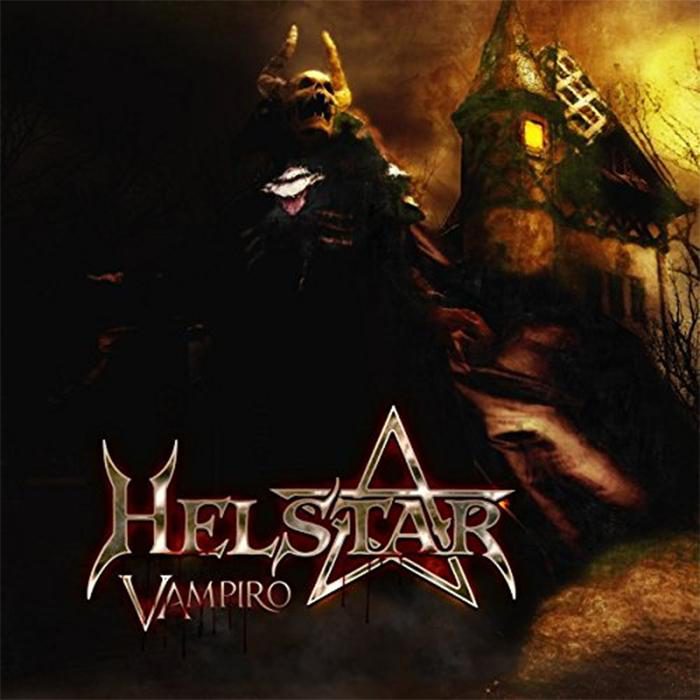
After years of being forgotten and embracing the modern speed metal aesthetic, legendary USPM band Helstar return to its roots in an attempt to create a worthy successor for one of the greatest albums in the sub-genre, Nosferatu.
2 Comments



by Veadtruck
Some people here don’t like negative metal reviews. I disagree, as I believe that pointing out bad music, and more importantly explaining why bad albums are bad, is necessary.
16 CommentsTags: Arch Enemy, behemoth, Belphegor, blut aus nord, dark funeral, dying fetus, immortal, Kalmah, Sewer, six feet under, terrible metal, terrible music, vader
Welcome to the second and final part of the second DMU song contest, where we cherish the winners and destroy the losers in what has been a very eventful and varied list of bands.
8 CommentsTags: Chupacabra, death metal, Funeral of God, Minervium, Pheretrum, Salustiano, song contest, Tardus Mortem, Undermine
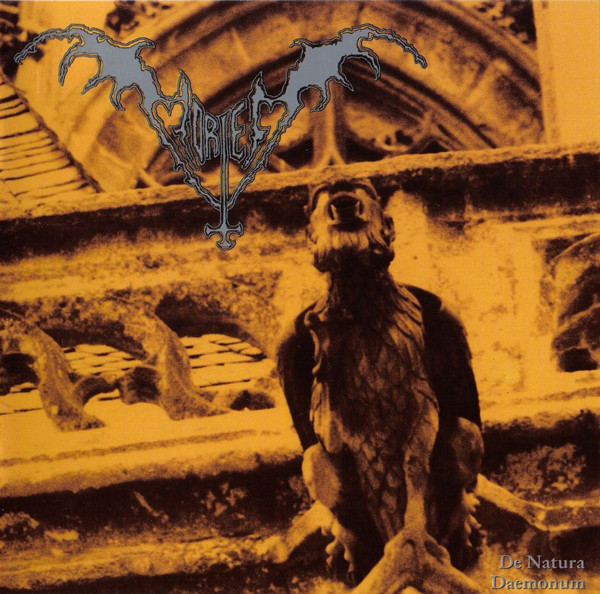
Mortem hails from Peru and needs no introduction. The cataleptic, rhythm-driven songwriting makes De Natura Daemonum a strong sonic bastion in the band’s repertoire.
3 CommentsTags: death metal, fernan nebiros, mortem, Speed Metal
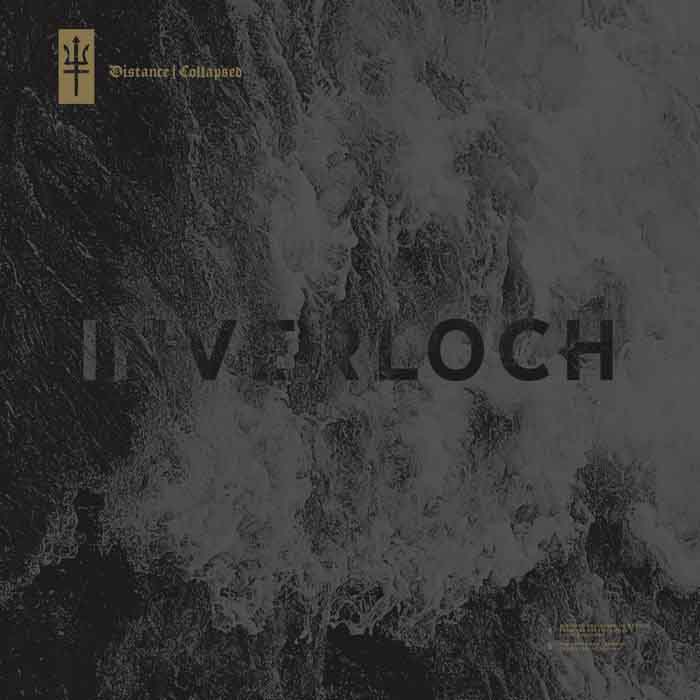
Inverloch are an Australian death/doom four piece mostly known for being composed of half of the members of Disembowelment and for being considered their rightful heir. With projects like these there is a fine line between upholding the heritage of a previous project and reiterating past works in hope of achieving former glory. Inverloch straddle that thin line but also manage to find influence in much more recent branches of death metal and the funeral doom subgenre and overall create an enjoyable piece of work that may push the listener towards the greater releases in the genre, especially Transcendence into the Peripheral.
7 CommentsTags: death metal, Disembowelment, Doom Metal, inverloch
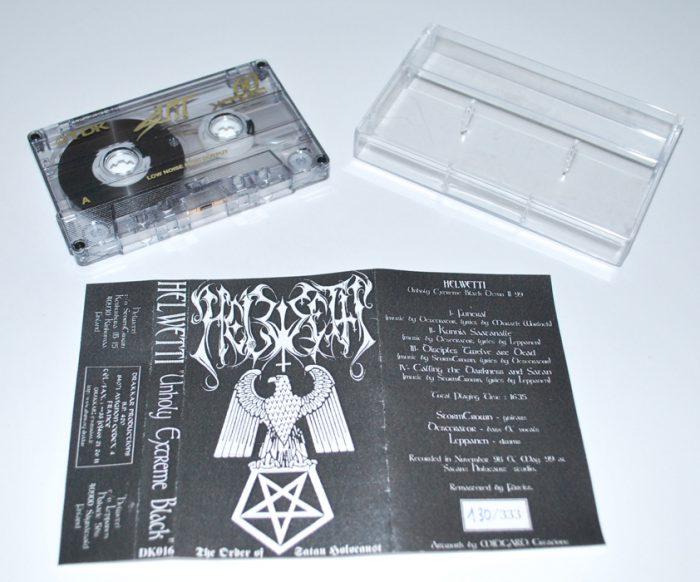
Released in 1999, Unholy Extreme Black is the second of two demos released by the transitory Finnish black metal project Helwetti. Here, Helwetti provides richness through depth in the reach of its rather brief material by making constrained technique malleable to the natural requirements of a flow aimed at bringing in new ideas in a coherent yet always evolving stream. The secret of the elite, almost non-existent underground to producing rare minimalist music of such sublety is a rather bestial and ritualistique effort fueled by dark spiritual ideas founded on enacted reclusiveness. Within this darkness embraced, the true artist manages to bring a powerful invocation of infernal —lower-world, unconscious to the uninitiated— forces in a way that most of the later, allegedly more mature, projects have never reached by a long. The racing melodies of Helwetti’s music in traditional black metal dissonances arranged through percussive changes, opportune breaks and vocal overlays raise its minimalist expression to the best that could possibly be achieved while remaining so simple. The vocals on this recording are an incredible delight to listen to as they express a nuanced wealth of emotions, within this limited framework as the rest of the instruments, greatly adding to the overall atmosphere. The necro sound resulting from the tampering with the original sound gives it a veiled that is certainly not a detriment to the sound of the instruments. Thereby, the clarity of the instruments is not only maintained throughout, but it actually attenuates distractions typical to the metal genre, allowing the merit of the musical arrangements to come to the foreground.
In the matter of technique, guitars do not go beyond softly strummed power chords, not quite fast downstrokes and “tremolo picking” on one string. The bass serves as a proper low frequency holder that does not get in the way but noticeably reinforces the texture of the music. Drums vary between laid back, standard rock patterns in duple time, sometimes with triplet feels, that go on smooth crescendos of double-bass runs; these patterns are then alternated with “d-beats” at different speeds, depending on the location within the pieces. These are all very standard and quite basic techniques, but what raises this demo in musical, rather than technical quality, is arrangement of the parts. Logic is not enough, but a sense of naturality must be expressed that can only be correctly represented by the use of intuition. Black metal in general prides itself in placing intuition before mere logic or the debasing —often clownish and overbearing— technique flaunting of death metal. However, intuition depends entirely on an inwardly developed or innately inherited talent of the individual that is not produced by the application of logic. Also, under close inspection, music resulting from the application of logic (structure-oriented death metal, for instance) is quite different from music prominently steeped in the application of intuition (like the best of black metal). Which means that a lot is outside the normally conscious, calculable control of the individual composing. It is just in this trap that the elitism of black metal lies.
Within the seemingly narrow constraints of raw black metal, we can appreciate how Helwetti creates a rich variety of fluxions which overflow one into the next. Without leaving any question regarding the soundness of their transformations, adjacent patterns are related by transitions that flow smoothly as water downstream. More interestingly, the four different pieces in this demo act as movements within one work. Arguably, many underground demos were compounded in this way. And without there necessarily being a conscious intent in relating it to the classical tradition, the effect is somewhat similar when a release of the stature of Unholy Extreme Black manages to present variety of texture and theme within a coherent and consistent style, bringing interrelated pieces together further under an hidden phantasm grasped by the artist’s senses. It is in communion with “Satan,” “satans,” or “dead things,” and in their consistent, focused sensations thereof, that the black metal musician brings a stream of riffs directed at channeling patterns which vibrate with what is perceived in altered states. The extent to which such a communion is attained, and perhaps the authenticity or the quality of the experience, is what makes the results vary —not to mention actual musical talent. This is precisely the “ritual” to which many a wordless black metal acolytes (For who is truly an adept in this inherently left-handed path?) refer when attempting to describe what this music is as opposed to other kinds of “music” that are aimed at entertainment or technical exercise or narcissistic indulgence.
Tags: 1999, Black Metal, Finland, helwetti, raw, unholy extreme black
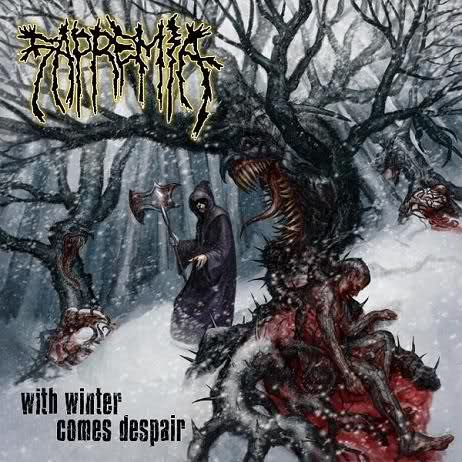
In With Winter Comes Despair, we hear a maturing Sapremia [1] characterized by its ingenious arrangement of phrasal riffs that use common or even simple building blocks to craft meaningfully elaborate statements. (more…)
3 CommentsTags: 2008, death metal, sapremia, with winter comes despair
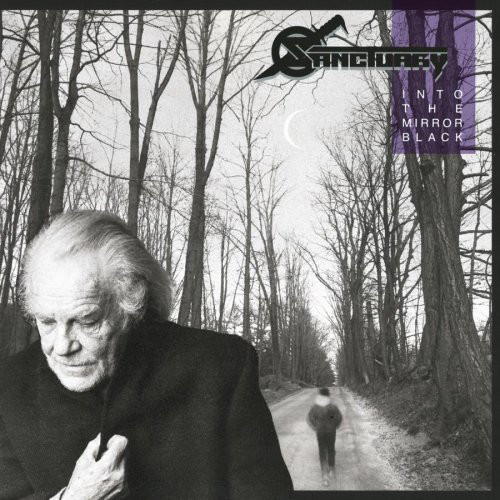
Sitting somewhat uncomfortably in between the heavy, speed and prog metal genres, Sanctuary achieved reputable status with their first album Refuge Denied despite having a fragmented and vulnerable identity. The record itself was a slightly more melancholic take on the style Queensrÿche established on Rage for Order with some carefree thrash moments added in for the more aggressive metal fan. The formula was ultimately more kitschy than timeless, and relegated the band to perennial B-tier status. (more…)
Tags: 1990, Into the Mirror Black, sanctuary
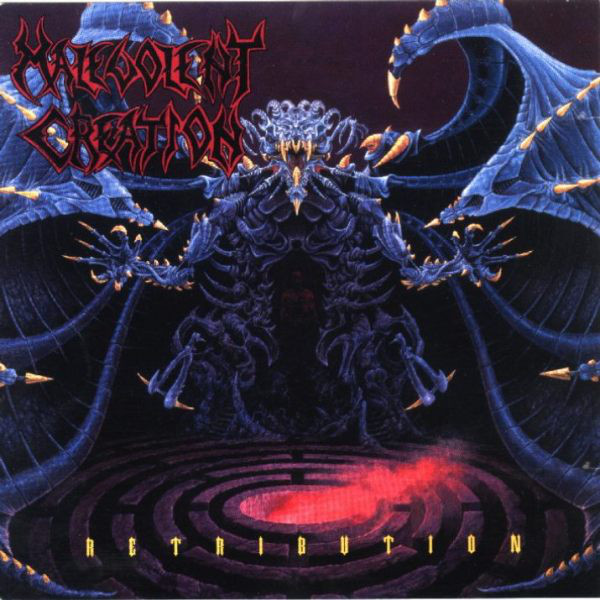
Malevolent Creation have never reached the relative popularity of their Floridian peers, and neither have they received the same degree of recognition. The band members moved from New York in order to follow their dreams of metal stardom, yet they never saw even a quarter of the admiration that Cannibal Corpse and their brand of deficient death metal received. For a short while Malevolent Creation were a band displayed unlimited potential within their percussive style combined with primitive caveman-esque melodies, but they never reached the summits of Deicide, Morbid Angel, Obituary and Monstrosity. The band would eventually fade away due to constantly changing members, drug related stories and the inability to build upon previous works.
(more…)
Tags: death metal, effigy of the forgotten, Malevolent Creation, retribution, Speed Metal, suffocation
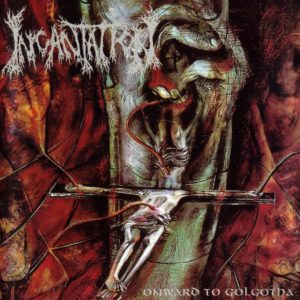
The first riff off “Golgotha” is a fitting introduction to the madness of the early composition of Incantation. It is abrasively confrontational yet more detailed than what its immediacy initially hints at- although the listener is confronted with the familiarity of power chord accents and tremolo picked notes, the arrangement presents an inversion of death metal tropes that echoes the blasphemous lyrical content of the band. (more…)
2 CommentsTags: analysis, golgotha, incantation, onward to golgotha