Metal — and everything else humanity-related — is like the first day of first grade. People are still using the same tactics they used then as the basis of their behavior, mainly because there are only so many options and the goal hasn’t changed.
What is the goal? Society is a cooperation for the sake of survival. We need to get other people to work with us. Most people do that through socializing, others use raw power, some others can only deal with it through the filter of money. But when you socialize, there are only a few paths. You can try to be the over-achiever, with all As and good at athletics. Or you can stand out another way, which is being The Opposite of what people expect. You see this in high school drama departments the clearest, but it’s also present in entertainment and politics among adults.
The tactic is this: stand out by being “different.”
The problem with this tactic of course is that it’s bone-headed, ignorant and predictable. They like blue? You like green. They turn right? You turn left. They like steak? You pick ice cream. Despite it being obvious as heck, this tactic continues to work. You “shock” people and then, using their reaction as a justification for the importance of what you do, rally everyone who hates them to your side. Even if that hatred is concealed.
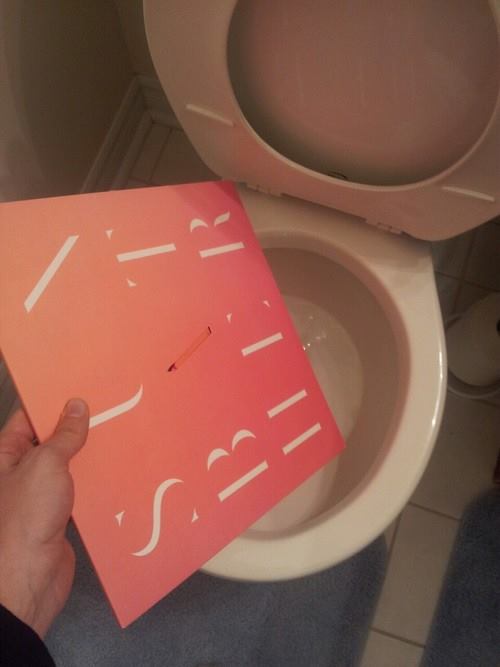
With their much-lauded second album, “Sunbather,” the group broadened the black metal palate with swelling, enveloping guitars oft-associated with the foot-asleep-on-the-distortion-pedal drone of the British shoegazer ranks.
The album won the band an audience beyond the traditional partisans of the harsh, love-it-or-leave-it sound, and as such, Deafheaven was quickly branded a hipster act by scene purists.
In the same passage, the article both calls Deafheaven “different” and then acknowledges that the band is basically ripping off British shoegaze, a genre from thirty years ago.
That’s “innovation”?
Since 1994, we haven’t really had much from black metal. The underground shot its wad, and since only a few dozen people understood it in the first place, it collapsed in on itself while the rest of us try to figure it out. This is one reason that metal academia is important, especially if they stop studying the easy stuff — the newer material and the hard rock like bands — and go to the roots of the genre: Bathory, Immortal, Hellhammer, Burzum, Emperor, Darkthrone, Enslaved, Sodom, Slayer, Mayhem.
Right now our over-written (“foot-asleep-on-the-distortion-pedal”? are you kidding?) media and adamantly clueless fanbase are churning through the ruins of the past. By being “different,” one claims an audience. Black metal was different in a different way, namely that it didn’t try to be different so much as it took off in its own path. So what’s the binary opposite of that? Well, being the same old thing but pretending to be black metal, for starters. Hence the invasion of metal by non-metal bands: Opeth, Boris, Necrophagist, Sonic Youth, Dillinger Escape Plan.
Most of these bands reverted to what was simple and easy to create, which was post-hardcore. With its compositional style that cherished the random over the orderly, and its tendency to drift off and suddenly return to a repetition of its major theme, it was easy to compose. That was probably why it developed the way it did, namely that the punk songwriters who couldn’t come up with Hard Times in an Age of Quarrel or Arise! had to make their also-ran status seem less pointless by “innovating,” or coming up with a half-cooked version of more musically adept genres. Imitators imitating imitators, by being “different,” all the way down.
Deafheaven is no exception. Gone are the complex song structures and the intelligent use of drone. Gone are the troublesome Nietzschean existential questions, where we wonder if life is totally empty of anything, or if we can find a clue to its significance in nature. Gone are even the overtones of Viking metaphysics and Pagan mysticism, the interesting sociopathy for art’s sake, and the rebellious streak that took aim at anything the instant it became accepted, knowing that whatever the crowd likes is a lie. Instead, we get the music you can play at a school dance. Easy beats, head-nodding go-nowhere melodies, symmetry and rock ‘n’ roll conventions from time immemorial. It’s the same old brand new thing.
But really, this act of “being different” can be seen everywhere. Nu-metal was based on being different, or at least on the perceived emotional contrast between sing-song verses and ragey choruses. Metalcore was based on being different in that the riffs had no relation to each other so it was like hearing carnival music on a fast-moving merry-go-round. Later punk was based on being different, in that it was punk but it got in touch with its softer side and went all progressivey and stuff. All different, all the same.
Metal will begin to recover from its 1994-2014 slump when it acknowledges that these easy ways of socializing are gone. Appearance is not reality. The kid who really got ahead in socializing was the kid no one noticed. He made friends by being genuine, made connections with teachers by learning something even if he didn’t get As at all, and everyone knew him because he didn’t fit into any of the easy slots that almost everyone else did.
Or the kid who got ahead because she had an interest that was very specific and just fit her personality, so instead of going for all the drama, she just spent her time on that. Or on being a good friend, and being there when people were in need. Those were the people like black metal, which was the genre that chucked socializing away and focused on both outside reality and the inner spirit in all of us instead. I miss those days. It wasn’t pure whore, all the way down.
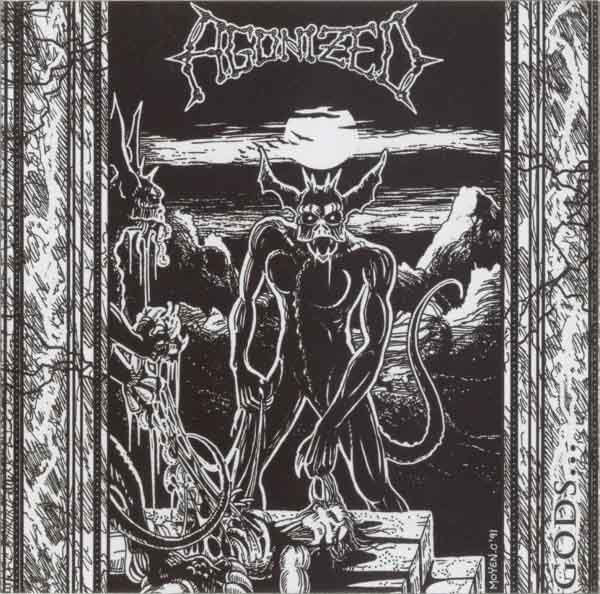
Finnish band Agonized got the break last year that they wanted two decades ago: a horde of people interested in their only demo, “Gods…,” which was subsequently and sequentially released on CD-R, vinyl, CD and tape.
Created in the old school style of primitive rumbling death metal somewhere between Belial and Demigod, “Gods…” comprised four tracks (and an intro) of disturbing inhuman noise shaped into musical form. Since metal has not produced any style more compelling than old school death metal, interest in such material has accelerated over the recent years.
We were fortunate to get in a few words with Jari from Agonized about “Gods…” and the circumstances of its creation, and how and why it endures today…
Was there a “Finnish sound” to death metal, or multiple Finnish sounds? It seems to be popular to group bands like Funebre, Demilich, Xysma, and Demigod together and proclaim a similarity to them. Does this sound exist? Is Agonized part of the group that uses this sound?
I think there was. There was a similar sound to bands of that era. Like there was, or still is “Swedish sound.” It might be pure coincidence that bands played like that. In our case, we listened to Xysma, Abhorrence and Disgrace in 90s so those really had a big influence on our music. Of course every band sounded like their own style, doing their own mix of influences through the “Finnish” filter. You simply cannot say all Finnish bands sounded the same. They just had some Finnish trademark on their sound. I cannot define that better. I am not a musician haha.
What drew you personally to death metal back in the late 80s and early 90s? Did you have any connection to metal before death metal? Do you know if the other members of Agonized had a similar experience?
Three of us grew up together. Me, Janne (bass) and Mauno (drums) were childhood friends and have known each other since we were something like seven years old. We started like any other young kid those days. First there was Iron Maiden, W.A.S.P. and Kiss. I remember I bought my first W.A.S.P. record when I was ten years old. After that we just tried to find more and more extreme and heavy stuff. Then we started to find out heavier stuff like Slayer, Bathory and Destruction to name a few. I think this has been the way many of today’s death metal fans have started. Also I had some sort of punk era in between.
After Napalm Death released From Enslavement to Obliteration we read about them from Finnish music magazines and were like, “Whoa, that must be some cool shit.” At that time only way to get your hands on Napalm Death records was to travel to Helsinki from Lahti by train and buy them.
When I found that Napalm Death LP in Helsinki, at the same time I saw Carcass’s Reek of Putrefaction LP and Bolt Thrower Realm of Chaos. When I got home from Helsinki and put on the first notes of the Napalm Death LP, I could say my head exploded. What an absolute annihilation after listening years of thrash and speed metal. After that I got into the next LP, Carcass… yeah, right… Another deadly hit. Rest is history. I have never survived that actually. So I am still on that road.
When did Agonized form, and what were your inspirations and influences at that time? Did you have any non-musical influences, like literature or other forms of art or culture?
Agonized was formed in 1990 if I remember correctly. Janne, Mauno and I wanted to play some death metal after hardcore/grind experiments but it was really hard to find anyone skilled enough to play guitars. We put an advert on a Finnish music magazine that we are searching some guitarists to play death metal. We got contacted by two dudes (Antti and Mika) from Vantaa and went to see if it would work out. We had a nice playing session and everyone thought let’s play something together. We gathered few times, in Vantaa and Lahti, to play together.
As we were arranging concerts in Lahti for underground bands we played few shows on those events. Agonized had big influences from Bolt Thrower, Carcass and Xysma. Those must have been the most influential bands on Agonized, at least for me. I don’t remember any non-musical influences. No, I don’t think there was any non-musical influences. Agonized was mostly for just having fun playing the music we wanted to hear.
The band put out one demo, “Gods…” Can you tell us how this demo came about? When did you write the songs, and how did you record it?
After few shows we decided to record those tracks we played to tape. Songs on this tape are all Agonized ever managed to come by. Our shows contained only those tracks and I remember we played those twice to play even a decent length of set. All songs was born at those rehearsals we had together. We just started playing and decided that “hey, that sounded cool” and continued to another one.
“Gods…” was recorded in a local studio, we got two or three hours of free use of it with the guy who mixes the tape. Guy behind the desk did not have any idea what to do with this kind of music. I doubt he had never even mixed any metal band. We just listened the results and said “do this, do that…”. Guitars and drums were recorded first. After that we recorded vocals and last bass. Janne had some issues in his life and did not manage to recording session, so Mika played also bass on “Gods…”
Whole thing was ready in those two or three hours we got to be in the studio for free. We could have done it better with more, but were totally broke as we were just a bunch of kids who spent all their money the previous evening getting wasted. So we had to accept the fact that we did not have any money for more studio time.
Apparently the band members went separate ways after the recording of this demo. Do you know why this was? Did you personally want to keep going as Agonized?
After recording, I remember some got bored playing death metal and wanted to play something else. I myself was bored with my whole life and started some sort of seven year period of self destruction with substance abuse and techno haha. So I kind of departed from the whole scene to a completely different world. Couldn’t care less about Agonized or the whole scene. Of course I still listened to some bands but was completely away from the scene for years.
Looking back, what do you think of the demo, and the potential that the band had?
I have always thought it is a good demo. Still we could have done it better. But maybe if we would have done it with more time, it might have lost its primitive approach and become shit. Maybe, just maybe, it was done in the best possible way. Without thinking too much of the final result. Band definitely had potential, if we had just continued playing.
But due to personal problems and interests that just was not possible.
Several former Agonized members reunited in Cadavericmutilator, which as far as I know has never released a demo. What was Cadavericmutilator like?
Actually it was other way around. Cadavericmutilator was before Agonized. It was a noise/grindcore band including Janne, Mauno, me and several various members playing guitars. We made few shows and actually recorded one demo, which was not spread anywhere. It was just pure chaos. Just blasting with some noisy guitars playing whatever and two vocalists screaming with shitloads of effects on them. That demo would have been nice to hear today, unfortunately it was destroyed as I shot holes through the master tape when I was being a bit paranoid years ago hahaha. Well, it was quite crap anyways. So no big loss.
Some reviewers have mentioned that Agonized, while using the classic Finnish death metal ™ style, had more of the pace of Autopsy and the grinding presence of Carcass. Did any of these bands factor into your listening? How do you describe the music of Agonized?
I would describe music of Agonized as a hybrid of American and Finnish death metal. It is just like Bolt Thrower and Carcass mixed with Xysma. At least I think so. Some have compared it to Mortician, but I must admit that any of us did not even know what Mortician was back in the days we were active. So I cannot compare us to them.
I thought it was a stroke of genius how the band (or you alone?) managed to first release a CD-R of the demos, build interest, then get a 7″ released, build more interest, and finally get the CD re-release on Aphelion records. Can you tell us how each of these steps came about, and roughly how many copies of “Gods…” are out there as a result?
Actually this re-release fuzz is completely my fault. I wanted to just have a personal copy on CD-R, but due to high popular interest I decided to release 140 copies of CD-R so that people who want it can have it. Very soon after I did that, Emptiness released a 7″ that was limited to 500 copies. Patches were made at the same time to include with some of the copies. Also Aphelion released a CD version quite soon after this, limited to 1000 copies.
Latest news is that there is coming a tape version that has limitation of 100 copies. This will be released by Dunkelheit. Tape version is a bit different one. After all these other releases I found a nice copy of “Gods…” tape from Mexico (thanks Agata) and tape version uses that as a source. So it sounds a bit different than other versions that use Mr. Moyen’s tape as a source.
What have you done since the days of Agonized? Are you still active in the death metal community? What about the other members?
After Agonized I was away from this world for seven years with my substace abuse problems I defined earlier on this interview. For 15 years I have now been sober and have four great little kids and a wife and a daily job. Sounds boring eh? So I do not have time to be very active in anything. I do collect CDs and mainly they are death metal. New and old. There are excellent new albums and bands popping up every week. But it’s not like I am being active, just listening to same kind of music as when I was a kid. I do not know about other members. I suppose some of them do have some music related projects but no idea what kind of.
Are there any plans to get Agonized back together and write more material? If not, why? If so, what can we expect?
There was some discussion of this with other members. But as for now, at least I think this would not be so good idea. At least not under the name Agonized. I think reunions are not a very good idea after over 20 years of silence. When “Gods…” was released we were 16 year old angry young metal heads with great passion to do what we do. How in the hell that same can be achieved now, when we are like 40 year old dudes with families. I could do vocals, but I doubt it will be the same anymore. I’m not saying that when you are 40 you can’t play death metal, but for sure it won’t be the same band as it was over 20 years ago. It would be completely different story. But… Never say never.
Do you think death metal and underground metal are still relevant? Why do you think people are still drawn to this art form?
Absolutely. Seems to be very alive and kicking. Death metal is here to stay, where would it go. People like me like to listen to it. What would I listen if not death metal? I have grown with it. It is a tool to get away from this every day life for just a while. People want to release their anger by playing it and why not. It gives youth of today a good alternative on all the shit this world hits at you from every side.
Underground metal is a honest form of music and way to express yourself. Not the crap you stumble across everyday to make you dumb. I also do admire bands that have been around since the beginning. That is one hell of an achievement to play this kind of music 20-30 years active, touring and recording. Now that is something.
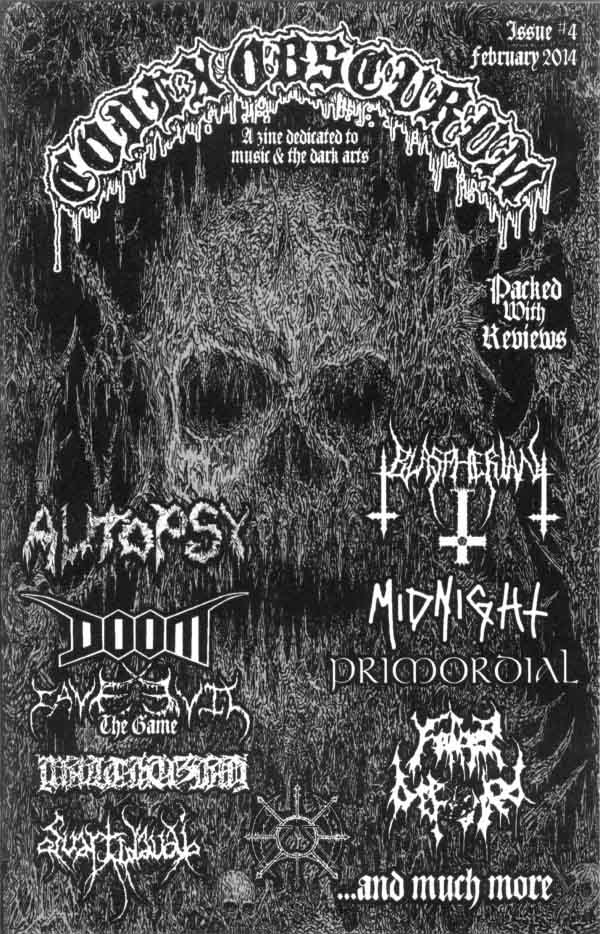
Many of us old school death metal fans watched the rise of zine Codex Obscurum with growing interest because it, like Glorious Times and Underground Never Dies!, represents an attempt to look back at the underground and figure out what made it as powerful as it was. Part of the answer is selectivity, which is a gentle person’s form of “elitism,” meaning that one selects quality over quantity and vigorously promotes and defends the quality. This is what zines did, what radio shows did, and what labels did, back in the day, by choosing some bands over others. The vague smell of blood in the air is the shadow of long-forgotten predation and natural selection that also shaped us as humans, which means not so much “survival of the fittest” but that all who make a meaningful contribution get kicked upstairs and everyone else is forgotten.
Codex Obscurum represents the best kind of selectivity because it targets bands of note but does so broadly, thus you avoid both the “hey kids, everything’s great!” attitude of the commercial providers and the narrow perceptual slot of the kvlt vndergrovnd. This issue advertises swamp death metal band Autopsy, second-wave crust band Doom, cavernous old school death metal band Blaspherian, multifaceted heavy metal/folk band Primordial, melodic drone metal band Sacriphyx, abrasive occult death metal band Father Befouled, Icelandic modern black metal act Svartidaudi, and several more. While not everyone may like (or admit to liking…) these acts, the spread makes it clear that both broad-minded attention to music itself and a high level of standards apply here. This explains why the editors of such a zine might want to go underground and stay there, where they are not beholden to the ugly cycle of advertising revenues and thus being asked to pimp the latest platter of re-heated Carpenters tunes spray-painted with the vaguest appearance of “metal.” Indeed, Codex Obscurum is funded entirely by user purchase price, which is why for $5 or so this arrives at your door with no ads.
For the uninitiated, this zine presents the old school zine style in every detail, which is both practical and a nice atmospheric touch. The hand-numbered issues, the xeroxed pages complete with copy artifacts, occasional typos and sometimes surly answers to perfectly reasonable questions by bands who clearly have done too much press lately, all factor in to the appeal. Use of cardstock for the cover gives this issue a more permanent feel than older photocopied heap zines had, which shows a positive advance of technology. Similarly, quite a few of these interviews seem to have occurred through email, and the use of office software to lay out the zine makes it more readable. The rest is pure old school, from the writing style which is both personal and projected into the mind of an idealized metalhead, looking for that nearly indefinable quality that makes a metal band distinguish itself as a classic in the making rather than news of the week.
The primary content for Codex Obscurum is provided by its abundant interviews, which are conducted in a familiar yet inquisitive style, like the best of Joan Didion-influenced hip journalism before it forgot the word “investigative” in its title. These questions aren’t all softballs like you would expect in a mainstream magazine, but sometimes force bands to confront their own internal struggles for self-definition. To their credit, most of the bands here rise to the occasion and reveal their thinking and intentions in the actions they have taken. The Doom interview is particularly revelatory as the interviewer walks the band through the past and makes connections to consistent patterns across their career. The Autopsy interview makes for a stunning read since it is Eric Cutler giving a candid and somewhat aggressive portrayal of where the band is and how past events shaped their present outlook. The Svartidaudi interview goes in-depth into how this band is struggling to find its own voice while under onslaught from the many trends of current black metal, despite being inspired by the best of the past (which is different from being inspired by the past alone). One oddity that would be called a “quirk” in any less just-the-music-ma’am magazine is the lengthy interview with the creator of the RPG Cave Evil, which accompanies the amazing artwork from that game with a nearly existential exploration of the purpose of RPGs themselves.
Profanatica “Thy Kingdom Cum” (Hell’s Headbangers)
Disingenuous.
You cannot defile nuns
While wearing sweatpants.
The sizeable block of reviews at the back of Codex Obscurum show where this zine is determined to keep its hand in the current music industry. Any band that is roughly connected to old school death metal and black metal, with a wide spread because of open-mindedness, qualifies for inclusion here. These reviews take a conversational outlook which seems too removed from the music at first except when you realize that it’s gonzo journalism of the first order. When writing about metal, don’t pretend you are not a metalhead; it’s a lie. Further, think of what you like and then extrapolate to what others like. It helps them shop for music. It also avoids troubling pretense and complications as reviewers try to get more “in depth” and end up producing thousand-word inspections that result in no clear conclusions. Here, the conclusions are clear — in fact, one section even puts them in Haiku form — and give roughly the kind of synopsis one would get from an experienced record store owner, label head or producer, issuing forth a rough summary of the band, its importance and its staying power and audience, in about a sentence each.
For the past several issues, Codex Obscurum has reserved its final pages for experimental content. In this case, it is facially an inspection of why a famous metal musician flaked on an interview… and beneath the waves, a deft revelation of the disintegration of the underground into warring self-interested parties while no one keeps their eye on the wheel or the road. That leaves the future of the genre up in the air, since everyone is too busy cashing in to steer, and the results are about as you might expect: all the has-beens in warmed over hardcore, emo and indie rock bands have rushed through the breach and set up shop making parasitic versions of the older material, except nowhere near as good. Codex Obscurum shows a good way to reclaim the past of the underground for the future, namely to start paying attention to the steering again and to be unafraid to be selective and to not give reasons why some bands simply suck. Just be honest. The editors and writers here have given it their best shot and it makes for not only informative and entertaining reading, but a glimpse into the old days without the smarmy fug of solicitous nostalgia for marketing purposes that normally hangs around such ventures.
Tom G. Warrior is a relentless innovator and amazing composer. As he details in his book Only Death is Real: An Illustrated History of Hellhammer he grew up in an abusive, uncertain environment within a broken home. He also grew up in “perfect” Switzerland, a place that has more rules than people. These events shaped his personality or rather, the limitations that are still imposed upon it.
What happened was that young Tom G’s ego was crushed and doubt was introduced into his mind. Doubt about the purpose of life, or even his own life. Doubt of self-worth. Fear that at any moment he might find himself without a justification for existing, and be truly discarded and alone. That’s a heavy load for a young person to carry, but the sequential success of Hellhammer and then Celtic Frost lifted Tom out of it. It also pushed aside a healing process.
When Celtic Frost evaporated, Tom launched on a series of attempts to find popularity again, but on his own terms. First, his highly inventive industrial music, and later, attempts to be contemporary. The latest two are below, and they are marked by a duality: a great underlying talent, desperately attempting to ingratiate itself with newer metal audiences. Like all things that do not take a clear direction, they are thus lost on both fronts.
This is not a hit piece on Tom G Warrior. Like many metalheads, I hold him in the highest regard. He is one of the great innovators and farseeing minds in metal. However, his tendency to try to adapt to what is current shows what is currently happening in metal: in a dearth of ideas, the genre is recombining past successes that represent the culmination of earlier genres, and is trying to recapture its lead by offering a buffet of different influences. But alas, like the music of Triptykon, these forays are lost causes.
Currently a morass of subgenre names exist. We can call it metalcore, or modern metal, or math metal, or tech-deth, or even djent, but all of it converges on a single goal: to make a form of that great 1980s speed metal — Metallica, Anthrax, Testament, Exodus, Nuclear Assault — that used choppy riffs made up of muted chords to encode complex rhythms into energetic songs. To that, the modern metal bands have added the carnival music tendency to pick entirely unrelated riffs to add variety, the grooves of later speed metal, and the vocals and chord voicings of late hardcore and its transition into emo.
What this represents is not a direction, but lack of one. By combining all known successes from late in these subgenres, modern metal is picking up where the past left off before death metal and black metal blew through and rewrote the book. The problem is that making music that is intense like those underground genres is difficult, and even more, unmarketable. It approaches the issues in life that most of us fear, like mortality and failure in the context of powerlessness and meaninglessness, and thus presents a dark and obscure sound that makes us uncertain about life itself. Like Tom G Warrior living through a shattered marriage of his parents and a society too concerned with order to notice its own boredom and misery, black metal and death metal shatter stability and replace it with alienated existential wandering.
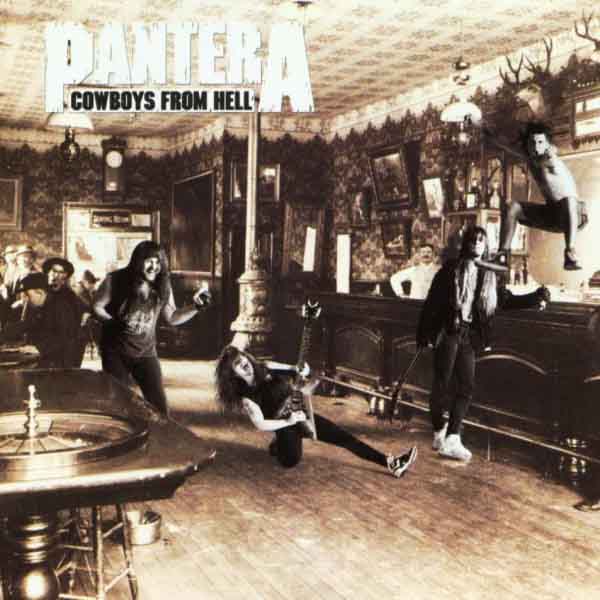
On the other hand, late punk offered ideological certainty and heavy doses of emotion. Late speed metal, which Pantera cooked up out of heaping doses of Exhorder, Prong and Exodus, offers a groove and a sense of a party on the wild side. Inserting bits of death metal, especially its technical parts, and some of the frenetic riffing of Discordance Axis allows these bands to create a new kind of sound. But at its heart, this music is still speed metal. Where death metal played riff Jenga and put it all together in a sense that told a story, modern metal is based in variety and distraction. It exists to jar the mind, explore a thousand directions, and without coming to a conclusion ride out in the comforting emulation of the chaos of society around it.
But at its heart, these bands are speed metal. Like Triptykon who revitalize the E-string noodling and riff texture of more aggressive speed metal bands, with the bounce of Exodus and the groove of Pantera, these bands offer a smorgasbord combined into one. They mix in melodic metal, derived from what Sentenced and later Dissection made popular, to give it a popular edge. However, what they’re really doing is regressing to a mean. This has happened in metal before, when mid-1970s bands recombined Led Zeppelin and Black Sabbath into rock-style metal, and in the mid-1980s when glam metal did the same thing but mixed in the gentler sounds of late 1970s guitar rock bands. When metal loses direction, it recombines and comes up with a mellower, less threatening version of itself.
All of this is well and good if we do one single but difficult thing: recognize that what we’re listening to now is a dressed-up version of what metal and punk were doing in the late 1980s. We’re walking backward in history, away from that scary underground death metal and black metal, and looking toward something less disturbing and more fun at parties. It seems no one has come out and said this, so I figured it must be said. Enjoy your weekend.
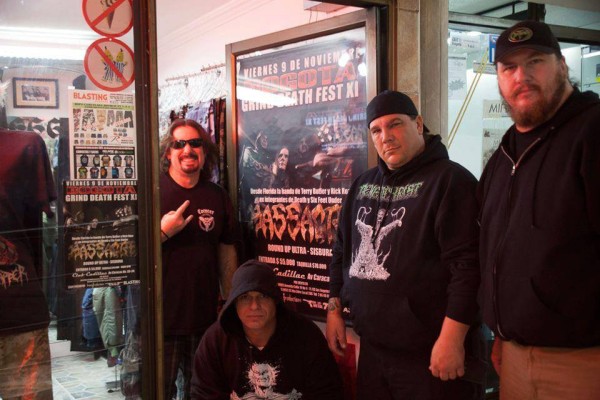
Massacre carved a place for themselves in the death metal community years ago and with their foundational From Beyond, an album of tremolo-picked columnar death metal with big fuzzy production at a time when many death metal bands were still trying to emulate the muted-picked speed metal of the previous era.
Over two decades later, Massacre returns with Back From Beyond which sees release on April 1, 2014 via Century Media records. We were fortunate to be able to grab a few words with bassist Terry Butler, whose work with Massacre, Death, Six Feet Under and other Florida death metal bands has made him a towering legend in the community.
You’re about to unleash a new work, Back From Beyond. Since the title effectively compares it to your breakthrough album From Beyond, can you tell us: how are these albums different in approach, in style and in production?
In the case of From Beyond, the songs had been written five years prior, so when we signed to Earache, we just jumped in the studio and recorded them. We tried to keep the production simple and raw. The approach for Back From Beyond was “let’s not rush and re-hash songs for a quick release.” We took our time with the songwriting and production. It’s been 22 years, why rush? The production is better on Back From Beyond. Tim Vasquez did a great job!
What do you think Back From Beyond is adding to death metal, twenty plus years past its inception?
We are just playing Death Metal the way we like it. Heavy riffs, catchy in your face and brutal. I like rhythms I can remember. As far as adding something new, no one is adding something new these days. It’s all been done. We are just doing what we do.
You released an EP, Condemned to the Shadows, in 2012. How different is that material from what we’ll hear on Back From Beyond?
It’s musically in the same vein. More of the same basically. We re-recorded the two tracks from that EP. They are sonically different and production-wise sound different.
Can you tell us how Massacre assembled? I know it pre-dated Death, but after Death fragmented the members came together for From Beyond. Can you connect those dots for us?
Bill Andrews formed Massacre in ’84. At that stage it was mostly covers. Kam [Lee] joined in ’85 and a three-song demo was released. Rick [Rozz] joined in ’86 and a four-song demo was released. In early ’87, Rick, Bill, and I joined Death. After four years in Death, Bill and I contacted Rick, and Massacre was back together. We signed to Earache and put out From Beyond and Inhuman Condition. After several tours the band split up again. Now 22 years later, we are back. That’s the gist of it. In a nutshell.
At the time when From Beyond came out, most of Florida death metal was focusing on blasting and choppier, more muted strum percussive riffing. Massacre went for the full on fast-tremolo strum and big fuzzy burly warm sound guitar production. What made you take this different path?
That’s the Massacre sound and philosophy. Rick was in Mantas in ’83 writing this way and in Death in ’84 and ’85 writing this way. He wrote most of the material on From Beyond. He wrote half of Leprosy. I co-wrote four songs on Spiritual Healing. So what I’m trying to say is: this is our style. The songs on From Beyond were written in ’86. No disrespect to blasting, but the Massacre sound was cemented years before.
Do you think your different path helped ‘From Beyond’ achieve the cult status it has among death metal devotees?
Yes, in a way. The band didn’t at the time, no, but we were influencing the likes of Napalm Death, Carcass etc. Joining Death, then coming back and putting out From Beyond only helped the status of Massacre. The whole time I was in Six Feet Under, people kept asking about Massacre. For the band to still be relevant in 2014 speaks volumes about the music!
Was Bill Andrews unable to make the reunion? Is he still into death metal at all?
Unfortunately… no. He doesn’t play anymore and doesn’t listen to Death Metal. I still talk to him regularly though. He lives in Japan now.
Rick Rozz has an entirely unique guitar style marked by, among other things, “whammy bar abuse.” What influenced this style, and are we still going to hear the torturing of whammy bars?
The whammy bar is still in effect and deadlier than ever ha-ha… He draws a lot of influence from K.K. Downing and Kerry King, as far as the whammy goes. I personally think it’s a lost art these days.
What do you think determines whether a band is death metal or not? Is death metal the same genre it was back in 1992, or has it changed?
I think it’s mix of music and vocals. Obviously the first thing is vocals. If you put opera vocals over Cannibal Corpse songs it’s not Death Metal, and if you put Cannibal Corpse vocals over Journey songs it’s not Death Metal. Darker, heavier music with low brutal vocals is the formula for Death Metal. I believe Death Metal has changed since ’92, a bit. There are more off-shoots, such as Black Metal, Crust, and Grind, these days. I think Death Metal back then was more about riffs and grooves; now it’s about speed and fashion.
About what mix of old/new songs do you think you’ll play on tour? How are you preparing for the tour?
The mix will be about 50/50. We still have to play the hits ha-ha. We will practice as much as possible for the tour.
From Beyond featured mostly “mythological” lyrics, drawn from Lovecraft and horror movies. It wasn’t so much “social consciousness.” Do you think metal tends toward a mythological direction?
I think it’s a mix of both. Obliviously you have your satanic lyrics and religious themes, but a lot of bands do sing about current events. The satanic and mythological lyrics are kind of written for you already.
How do you all feel about launching a huge new album and tour two decades after you started out? Did you ever think Massacre would get this big?
I think it’s amazing and we are very excited about it. Like I said earlier , it says a lot about our music that we are still relevant after 22 years.
Apparently Kirk Hammett’s Fear FestEvil went off without a hitch, bringing together metal fans and horror movie fans in a celebration of movie artifacts, horror movie personalities and metal bands saluting their favorite genre of film.
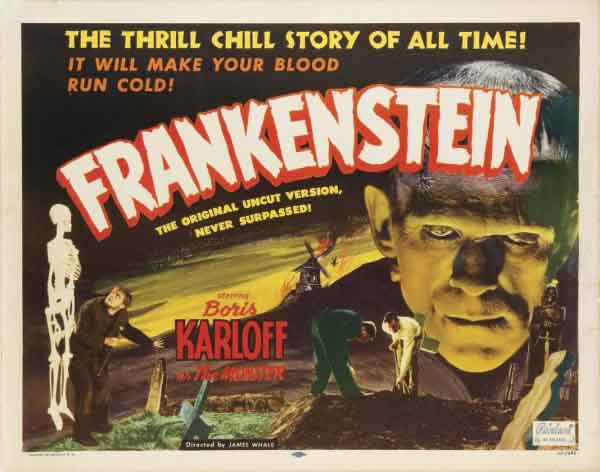
The festival featured performances by Exodus, Death Angel and Carcass, but also had as guests Kerry King (Slayer), Scott Ian (Anthrax/SOD), Doyle (Mistfits) and of course Hammett (Metallica) himself. In addition, you could meet movie legends like Boris Karloff’s wife and son, the man in the Godzilla suit Haruo Nakajima and a number of a directors and actresses from horror movies over the years.
“There’s a lot of horror elements that have been used in heavy metal for a long time ago. I mean, Black Sabbath was named after a movie. And that was the amazing thing. I was a horror fan and then I became a music fan and then I discovered hard rock and heavy metal and I’d see all these little pieces of imagery or song titles or lyrics borrowed from horror films throughout all these heavy metal bands. They’re made up of the same ingredients. For me, a good horror movie is fun, dynamic, exciting to watch, peaks and valleys. A good heavy metal song, for me, is the same way — exciting to listen to, peaks and valleys, really fun and energetic.”
This leads to the broader question of the connection between metal and horror movies on an artistic level. While many writers have focused on the economic connections, shared fanbase, or similar aesthetic, few have analyzed the question as Hammett has by showing how the two gesture in artistically similar ways. But this resembles statements made by Black Sabbath about the invention of early metal:
One day I thought that it seemed strange that a lot of people spend so much money to see scary movies. Nobody really wanted to listen to us, so we decided to play slightly scary music. We liked it and, yeah, that’s how it all got started. That’s the story of Black Sabbath.
As many commentators have noted, Black Sabbath came out of the late 1960s when “flower power” was still in full flourish. The band wanted to inject a note of darker reality into the notion that one could simply peace out and all would be well. In the world that Black Sabbath introduced, darkness was preeminent but invisible, much like the threatening characters in horror movies who owing to their supernatural or psychotic states can never be pinned down and isolated.
Over the years, metal has cemented its relationship with horror films with lyrical and topical allusions aplenty. As various other cultural movements run themselves over cliffs like drunken parties touring the countryside, and yet metal (and horror films) endures, it might make sense to wonder if those who see the darkness were correct after all.
What are Sadistic Metal Reviews? When people decide that life is worth living, try to make good music. Unless they hope to make a quick buck, in which case they disguise bad music as “innovation.” We separate the good from the bad — with a machete. Come for the misery, stay for the occasional exception…
Divine Circles – Oblivion Songs
The mainstream assimilation of metal continues. This is basically coffeehouse femme-folk-rock like Jewel would have spun two decades ago when metal was still doing something relevant. Instead, it sounds like a Taylor Swift/Janis Joplin hybrid on piano while someone strums a lightly distorted guitar in the background and some bell-bottomed burnout bangs a cowbell. I can appreciate the similarity to neofolk bands, especially Hekate, or even the folk-rock tradition of the Americas. But it’s most similar to the goddamn crap they play in Starbucks or our local “alternative” (read: clean every other Tuesday) coffee shack. A girl sings about fanciful things, there’s some guitar and a lot of slightly exotic rhythm. But when you leave and drive home, you’re thankful for the silence. This has nothing to do with metal and should go back to the coffee shops.
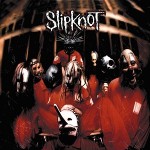
Slipknot – Slipknot
For people who thought Korn was too musical, Roadrunner has saved the day. ANGRY MAN babbling over death metal riffs reduced 100 levels of complexity, with random vinyl scratching noises and sampling thrown in for…some reason. These riffs were lifted from a White Zombie album which lifted them from a Metallica album which borrowed them from a NWOBHM 7″ which probably borrowed them from the rantings of cavemen etched into sandstone near the local juvenile detention center. To these basic speed metal riffs, they have added abundant bounce and doubling the internal rhythm on the offbeat, which gives the illusion of complexity for about ten seconds, and they’ve wrapped them around rock melodies. Speaking of wrapped, why aren’t we calling this rap/rock? It’s obviously rap music sanitized for the people too uptight for even backpack hip-hop, thus it gets injected into rock and to disguise the obvious lameness of this combination they cover it in heavy metal stylings like melted chocolate poured over a corpse. Lyrics are moronic, riffs are moronic, album art is moronic…is anything in this band appealing to functional humans? If a vengeful god were to rain napalm on America for producing this album, it would be justified.
Éva Polgár & Sándor Vály – Gilgamesh
Art music faces one ultimate test: will people listen to it on a regular basis, in regular lives? I’m not talking about the heroin and cigarettes crowd in Williamsburg with their postmodern degrees from Brown, but normal people. Thoughtful, intelligent, realistic, well-adjusted people. Do they listen to it? Or is it something they think is neat, maybe would be good in a movie, and then politely clap and never hear it again? Gilgamesh qualifies as some of the better art music I’ve heard. It is an sonic backdrop to the famous tale, rendering in quickly played piano riffs while other instruments fill in background chording. This has more in common with industrial music and avantgarde jazz than rock, but each track creates a series of emotional sensations corresponding to its chapter of the Gilgamesh saga. It is artfully done and powerful but is too abrasive and repetitive for every day primary listening. Further, it is too arty and conceptual to find a place in the balanced life. It would make a killer soundtrack for a silent film however.
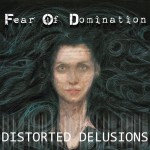
Fear of Domination – Distorted Delusions
Music designed to pander to newer listeners is often excruciating. First, it must have an obvious novelty in style that usually defeats common sense. Next, it must appeal to people whose first instinct is essentially disruption and chaos. As part of this, they favor weapons like repetition and garish aesthetics. This album will not disappoint on those points. Mixing clubby techno (itself suspiciously like disco) with metalcore and crowd-positive industrial like Rammstein, Fear of Domination spit out music that is essential keyboard-led but has background guitar and bass which are entirely obliterated by the harsh, chanty and repetitive vocals. There is not a single metal riff on the album. There is also nothing new to people who have experienced even Ministry, but a form with novelty gives this some of the appeal of more austere industrial bands. Still the repetition level and degree of obvious manipulation makes it excruciating for people who have heard more than a dozen albums.
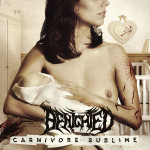
Benighted – Carnivore Sublime
In the absence of Nu Metal, everyone is rushing to take over the territory of Limp bizkit or Korn. From bling bling tech-core band Despised Icon to recent Napalm Death to streamlined Unique Leader sounding Morbid Angel palm muting riffs, Benighted blend everything that’s hip and br00tal in the scene together as the perfect sonic weapon for the frustrated school kids. This whole album is full of preachy and overreacting jerking noise. The band’s new music video reflect all of these: attending school is bad and teachers are evil, the world is insane, so buying this album is the right way to the first step of revolution. The hilariously out of place cleared-throat howling choruses sound like any metalcore rather than death metal, they make me want to put on the Korn records instead. Nothing from Benighted’s album is remotely exciting to the ear of a longtime metal listener. The volume is louder than Grammy performer Metallica, but the music is just as bland. Benighted and their far relatives Insane Clown Posse and Fleshgod Apocalypse are definitely worth exiling from the metal world.
Fluisteraars – Dromers
What is problematic about post-metal/indie-metal, and rock music itself, is nto that it’s distinctive. Rather, like a good product, it’s created by audience surveys. What do they respond to? — put that in. What got bad response? — take it out. What was neutral? — reduce it. The problem is that you need all the colors of the rainbow to paint a picture, so just because audiences prefer blue over yellow does not mean yellow should be removed. In fact, it aims to create a monotone picture where all of it is the color audiences want in their living room and none is the less favored colors. But art is a communication of a mental journey between two points. It shows us someone emerging from a state to a higher realization and then acting on that for triumph. It reveals a mixture of emotions that signal an ultimate resolution, or at least a clarification in the mind. But what we call “modern metal” — itself a clone of the late hardcore, post-hardcore, emo and indie movements of the late 1980s through middle 1990s (Jawbreaker, Rites of Spring, Fugazi) — is like rock music designed to just be that perfect wallpaper for your life. The right shade of sweater, the right ironic frames for your glasses, the purse that makes you look like a wandering boho hippie who might just happen to have a degree in art history. It’s the cult of the ego, and the ego demands only what serves it in full and denies the experience required to get there. This is because the ego wants nothing to do with the external world, and prefers that which is “human,” namely itself and those it socializes with. Fluisteraars is 2/5 old school black metal like Enslaved and Darkthrone, and the rest the newer material in a dronining long form that uses multiple riffs derived from a single theme, like Pelican. The result is very pleasant to listen to but when it is done nothing has changed in your life. You are back shopping for wallpaper, ignoring anything outside of yourself, and consequently, missing out on anything that can be called soul.
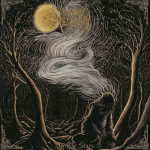
Woods of Desolation – As the Stars
Most of people can’t tell the difference between shallow light-hearted commercial product and art, therefore the conformists can always make some metallic indie rock to troll the underground. Woods of Desolation is the black metal version of Explosions In The Sky; both of them use the highest notes of the guitar chords to outline the weary lie-down-and-die pentatonic melodies while songs build around the sweeping textures. Just like the prototype of this sub-genre Alcest, Woods of Desolation’s music is nice and sweet and flawless, it make one hard to criticize them. But the reality is, three months after the hype, those who praised it like hell initially would throw this album away for these spun sugars annoying them just as the morning wake up cell phone jingles.
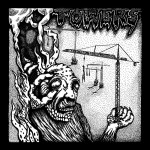
Towers – II
Post-rock and post-metal generally mean attempts to recreate emo through expanded minimalist sound. Towers takes an approach more like Swans where they build a drone and then layer it with interesting textures. The result is rhythmically motivational, like a march, but ultimately can’t go anywhere because like the notion of “concept music” it can’t go anywhere but to its furthest extreme. Thus what we have is interesting, but not something you’d want to repeatedly listen to except in the background or as part of a movie soundtrack. It is not terrible in any part, and on the whole it is bland and inoffensive once you get past the “extreme” style. Arguably, Towers is the best example so far of how to make post-rock/emo into something that is not terrible. The problem is that listening to it feels like being driven over by Friday 5 pm NYC traffic, and so it’s unlikely that anyone will turn to this for repeated listens that bring out some positive aspect of being alive.
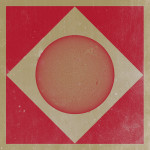
Sunn O))) and Ulver – Terrestrials
Background drone of distorted guitar vibratto and feedback. Foreground slow chords, standard post-metal. Melody slowly layered, then repeats. It goes on in a big loop. Any given second of it is inoffensive and seems like something cool might be happening, but then, if you listen to the whole thing, you realize its fatal flaw is that it’s boring. Nevermind that Lull and Fripp did this years ago but better. Nevermind that these bands were both wrecking balls to metal’s integrity. Just listen to the music: it’s repetitive, doesn’t development, and basically does nothing but establish a drone and a half of a mood. What would you do with it? Listen to it? No, this is music for you to explain to your friends. The point is that you know something they don’t and you can thus explain how profound it (and you) are. It’s no different than people going to rap concerts to pose at being gangsters or young girls who cry when Shakira sings about her hips. It’s just more pretentious.
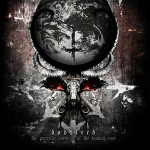
Dodsferd – The Parasitic Survival of the Human Race
Despite the ideologically-correct title (for black metal), this band shows us the true death of black metal: it has been assimilated by punk music. This sounds, with the exception of a couple black metal open strum riffs, exactly like the same droning hardcore bands were pumping out in the early 1980s. That music was the source of the stagnation that launched underground metal. I’ve listened to this thing three times and it has no negatives. There is nothing wrong with it. There’s also nothing compelling about it; it’s just more void. Technically, it all fits together. It’s just boring and expresses nothing. It is essentially hardcore punk music from the early 1980s with better drumming and production, maybe a black metal riff every seven riffs. But if you already own Discharge and Darkthrone, there’s utterly no reason to listen to this. Even if you don’t, it makes no sense to try to listen to this instead.
Gris – À l’Âme Enflammée, l’Äme Constellée…
Oh wow. Titles in French, looks misanthropic, maybe Vlad Tepes has returned! Second coming of Loudblast, even? No, it’s emo. Riddle me this: if emo isn’t like the fat girl addicted with meth that you woke up next to in the basement and felt great shame for the next, why do people keep trying to hide it? This is the same droning yet bittersweet minor-key background noise that Jawbreaker put on their albums and before that, that emo bands kept trying to insert into punk. What is emo, after all, but the very basic tonalities of rock music translated over an upbeat groove into power chords with dissonant voicings? When you look at what can’t be used, you see what is left. In the same way that the blues scale is the classical diatonic major scale with the key-centric notes removed (and a blue note for color-note rhythm comp fudging), emo is what happens when you take all the life out of music and translate it into rules to keep an audience in suspense. It doesn’t ever go anywhere, just shifts between these same few interval progressions. And yet, there it is. And people who apparently know nothing about thinking keep buying it. This is very frilly, dressed-up, entertaining variety, but underneath all the stupid pet tricks and gaudy clothing is the same old tedium. This is the sound of a genre dying.
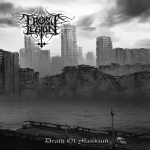
Frost Legion – Death of Mankind
Crossing punk and heavy metal styles with a black metal aesthetic of constant high-intensity drumming and droning riffs, Frost Legion make black metal that often sounds like it is assembled from spare parts but tries to keep a focus on the melody and savagery of black metal. Vocals are a constant rasp that varies inflection as little as possible, over active double-bass drumming reminiscent of later Ancient Rites. Riffs are often drifting melodic constellations formed of a few chords which work through permutations of loss and re-acquisition of a root note. Often the riffs are very similar to each other which causes an unsettling loss of orientation, and frequently they bring out melodies which resemble music from the 1930s, but the effect is to create a sense of longing. One thing this band could do better is dynamics; it uses nearly constant intensity most of the time which is exhausting. While song structure is essentially riff-based, these riffs may need to correlate to something else in order to make the composition memorable. The constant melodic riffing is reminiscent of Carcariass and bands of that ilk who are deeply invested in guitar creativity and sometimes lose sight of memorable songs. This is a good start and it will be interesting to see where these guys end up after they’ve had a chance to contemplate the results of listening to this album several dozen times.
Aethereal – Faceless Messiah
We walk among you. We are legion and yet can travel unnoticed in the midst of your cities. We are those who try too hard, and many of us ended up in black emtal. Aethereal brings many strengths but suffers from trying too hard. Coming from the wilds of the USA, the amazing thing about this demo is that it attempts to shape the melodic architectures of a European band. It seems caught between a more vicious Behexen-style assault and a traditional melodic metal attack shaped around Sacramentum, Dissection and perhaps even Sentenced. Most would argue this into the black metal camp on vocals alone, but it has aspects of many genres of metal. Technically precise and musically coherent, these longer songs more resemble the ambitious music before the Great Partition in black metal which set the classics in the past and brought a deluge of imitators to attempt to pollute the genre. The first track, “Scornful Skies,” launches from a battering assault of melodic chords resembling rainfall in sheets to a neo-Celtic style intricate lead riff, fading into a Dissection styled mood piece before evaporating into an interlude of gentle strumming without distortion and a return to a contortion of its origins. The second track, “Qliphothic Reflections,” resembles much more of the black metal of the post-initial era, with low use of dynamics and high intensity blasting with transitional melodic riffs leading us through a semi-circular structure. Both tracks show promise if developed. But again, the problem is trying too hard: looking at what all the great songs have, and trying to make your own version without knowing what connects them. If these guys trust their gut instinct and what they like to listen to rather than what they think they should be creating, they would do better. Take it from a guy who tries too hard in his biggest failures as a writer.
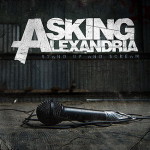
Asking Alexandria – Stand Up and Scream
If any of you were to discover that your testosterone levels were too high, and your doctor advises you to take estrogen injections: before doing that, consider listening to this album – in approximately 3 minutes, you will feel immediate results. An album like this could be created only by the results of a CIA project designed to make people believe malls are desirable. (Somewhere, Bill Hicks is turning over in his grave.) For the rest of us, upon hearing this we wish that we were in that grave. This band has the uncanny ability to not only make every song sound identical, but also every riff. Then again, most people listening to this are undergoing “spiral learning” – the repetition is something they’re used to. Please don’t listen to this. If you don’t have enough respect for yourself to avoid this, just go all the way: go to Starbucks, pick up a la- oh alright, that joke is overused. This band sucks. That’s all.
This issue is about to explode into public discourse because the rise in new-style metal bands has forced this question upon us all.
What is the underground?
Before even reading this article, keep in mind that there are some excellent resources. First, The Heavy Metal FAQ provides a complete answer. Second, Underground Never Dies! is a whole book dedicated to this topic through the eyes of metal bands from the 1980s-1990s underground era.
But we can come up with an even quicker definition.
The 1980s through early 1990s were a different time. Not only was there no internet, but music distribution was fairly strictly defined. Mainstream stores got what the big distributors had from the big labels and a select few smaller labels that pushed their way in. If you wanted a wider selection, you went to an “alternative” music store which stocked smaller labels. Often you bought imports, at a 50% markup. Most stores were completely uninterested in stocking something such as death metal, because it appealed to a small and antisocial niche audience. Why bother with selling a single copy of a Deicide album when you could sell 20 copies of Motley Crue without even trying?
In addition, there were forces of opposition to any metal that was not radio sanitized (which meant speaking on code words, probably encouraging deviant behavior to a greater degree). Very few people now remember when Tipper Gore and her Parents’ Music Resource Center (PMRC) were a powerful lobby for parental warning stickers on questionable albums. In addition, the threat of such people caused record stores to actually card people for buying violent rap or occult metal. You had to be 18 and prove it, or they would not sell to you.
And getting it on radio? There was college radio and also a handful of independent radio stations but these faced the same problem. Why play death metal when you could throw on a few sets of Sonic Youth and Rites of Spring and have 20 times as many listeners? Even among alternative music, death metal was unpopular because it was abrasive and did not have a large social movement behind it which made people like it. NWA was a violent, misogynistic and hilarious rap group that got banned just about everywhere, but there was a large social movement behind their work. It was easier to find that than your average, or even your top-selling, death metal band.
What underground meant back then seemed to be that it was offered through alternative channels. A few record stores, some college radio stations, tiny record labels run on a basically non-profit basis, and photocopied hand-assembled zines made of a pastiche of typed content and tattoo-style margin drawings. How did most people find new music in the early days? They hooked up with pen pals who would mail them cassette tape mixes of new music they found, often dubbed from cassette demos from the bands. Sometimes these tapes were many generations down the line and you could barely hear the band under the crepitant tape noise! But they did the job that mainstream media, record labels and magazines would not.
Toward the middle of the 1990s, this situation relaxed. First, the rise of used CD sales meant that smaller labels were making it into bigger stores via a backdoor. Second, magazines like Spin eventually gave coverage to death metal. Finally, changes in the way music was distributed opened up the middlemen who supplied record stores to the smaller labels. This meant that the traditional split between underground and mainstream was going away. Record labels, scared by the possibility of used CD sales eating up the profits from big mainstream releases, which relied on novelty to sell and interested their audiences for only a few months, started looking toward “niche” sales. But what really blew it out of the water was the notoriety of black metal.
Starting in the mid-1990s, rumors of the black metal movement in Norway and its legacy of violence — church burnings, murders, and stockpiling of military grade weapons — began to leak out through the zines into the magazines. Then the whole drama exploded with the trial of Varg Vikernes, who conveniently also ended the old black metal era with Hvis Lyset Tar Oss, an album so deeply nuanced and impossible to follow that most musicians shrugged and went back to three-chord, “punk style” black metal instead. He raised the bar at the same time bands like Darkthrone codified the genre with Transilvanian Hunger, an album that was difficult to create but easy to mimic. As mentioned in the documentary Until the Light Takes Us, black metal witnessed the decay of an idea. This decay happened through emulation that, because it looked at the outward traits like distortion and blast beats, missed the actual meaning of the genre which caused musicians to make such similar music in the first place.
It’s hard for people to realize now but black metal was initially viewed as slightly touched in the head. Death metalers often hated it violently; almost everyone else seemed to criticize it for its lo-fi approach and almost childish use of blasphemy and antisocial imagery. Many of the albums sounded like they were performed by people who had barely picked up an instrument and might have zero social graces. It was roundly mocked… until it started to become popular. Then the tables were turned. Within five years, black metal was in mainstream record stores (this shift happened in about 1997) and became really popular with a new generation.
After that point, the term “underground” seemed to lose meaning. The internet had come and made music and information about it universally available, and the proliferation of high-powered desktop computers meant that recording an album, running a label or making a zine involved far less labor and looked and sounded a lot better than the DIY labor of the 1980s (or even 1960s-1970s, when proto-punk and punk bands innovated it). At this point, people started going for an “underground sound,” which meant artificial lo-fi, simple three-chord songs, lots of ranting about antisocial topics including the occult, and a deliberately offensive resistance to any positive reinforcement.
The other issue that’s sparked controversy is exactly which bands get press — take Deafheaven and fellow shoegaze black metal band Alcest, who both benefited greatly from non-metal-centric coverage in 2013. The idea of using these bands to open of the gates of metal and let readers discover a new musical genre (or actually take it seriously) is a contentious one. One of the issues is the promotion of palatable metal bands that could potentially reach the masses with a sound that isn’t “metal” in the classic sense. Instead, these bands have been referred to as “extreme,” a catch-all, provocative phrase guaranteed to attract listeners who are looking for a more intense metal fix – and to satiate that self-satisfied outsider-metal “cool factor” that insecure metal fans love to laud over the pop-music contingent.
In the years from 1995-1998, the underground basically rehashed itself. It had no ideas, and more importantly, the bar was raised. To be a good death metal band, you had to be at the level of Morbid Angel’s Covenant or Suffocation’s Pierced From Within. To be a black metal band of note, you had to be at the level of Burzum’s Hvis Lyset Tar Oss or Enslaved’s Frost. Not many bands could do that and so an alternative underground built up based on fan-driven metal. Most of this was in emulation of the previous years and took the form of three-chord simplified versions of the more complex originals. The result was that, outside of a small cluster of people hanging around internet forums, this music went nowhere.
Nature abhors a vacuum, so from 1999-2006 or so, metalcore took over. This was also music designed to be easy to make. It took the randomness aesthetic of late hardcore punk and combined it with death metal riffs, making chaotic songs that made no sense but were plenty distracting and extreme. The music industry flogged this dead horse walking (to brutally mix metaphors) for five years before the trend started to die. Then from 2006 through the present, the music industry took a different tack: instead of trying to make a new genre, emulate something that has worked in the past. They found the fertile ground of the post-hardcore years where indie rock, shoegaze and post-rock coexisted in the same sphere of influence. This was generally what was called “alternative rock” before “alternative rock” became a brand for flannel wearing bittersweet droning hard rock bands from Seattle.
Deafheaven is a polarizing band becomes it comes from this tradition. Listening to it, it is not clear there is any metal in it at all. But labeling something “metal” or “underground” or “extreme” excites interest, mainly because few people trust the aboveground media. Thus there is a huge financial incentive to classify Deafheaven as metal, and for smaller blogs and magazines to go along with this fiction as well, if they do, they get advertising revenue and possibly a shot at the big time.
This leaves us with a complete quandary: does the term “underground” have meaning anymore at all?
My suggestion with my last article, “In defense of elitism,” was that underground is a misused term. The point is that metal has a spirit which defines it and separates it from everything else. That spirit must be expressed but it is of a nature that does not trust the dominant paradigm. Black Sabbath wrote their music to rain on the hippie parade of love, drugs and pacifism; their point was that altering our perspective does not change reality. Underground metal had a similar message and was unwilling to alter it in order to fit with the expectations of people who would rather hear about the denial fictions of love, drugs and pacifism (underground rap did the same thing in parallel, but with a different set of issues and a different set of denial fictions).
What makes a metal band underground is that it is unwilling to compromise its vision of truth for what people want to believe is true. It is unwilling to compromise its aesthetics for what people believe is comfortable and pleasant. It is committed to the idea that the only legitimacy comes from the art itself, not its popularity or album sales. Some would identify this as the ultimate non-“bourgeois” statement, in that it casts aside comfortable oblivion in favor of a raw blast of cold hard reality. This sense of underground is more fundamental than how the albums are sold or which zines write about them. It is an attitude and discipline. Underground means that which puts truth first and popularity second, which is a dramatic reversal of the way everyone else goes about it.
Metal is not the only genre to have an underground. Punk was originally underground but as it became fashionable in the late 1970s hardcore punk bands started vanishing into squats, playing midnight parties in abandoned foundries, and selling their music on 7″ records out of shirtsleeves. The noise movement in Japan remains underground to this day, with artists like K.K. Null constructing elaborate and beautiful pieces from raw noise, instead of making harsh blasting rebellious stuff like record labels had hoped. Robert Fripp, former guitarist of King Crimson, uses electronics to make his guitar sound like an organ and plays small concerts across the world. Underground is not a term specific to metal, but a term to describe any activity that is not encouraged in society at large yet believes it has ideological, artistic and/or political value.
You aren’t going to hear about any of these artists in big media and you may not be able to buy their CDs in regular stores. However, that is the symptom, not the cause. The reason they’re not in regular stores is that they’re not only niche, but also not given to comfortable oblivion. In a time when people can choose the artistic equivalent of a cheeseburger over the more challenging and substantive art, people tend to do so, which marginalizes actual art. As a result, the actual art is alien and threatening to most people, which makes it a terrible product, which means that it ends up in small record stores, small zines, and small labels.
If anything, the internet has exacerbated this tendency. In an age when we can find anything by googling it, the real problem is knowing what to google. Even worse, Google uses a search engine algorithm that moves higher links up the chain, thus burying marginalized results. We have all the information in the world but without a guide to it, none of us know what to do with it. It is for this reason that traditional media has won out on the net and the sites that attract the most eyes are the ones that are promoting essentially mainstream music.
What Deafheaven represents to a metaler is the triumph of mainstream music. There is nothing in Deafheaven that challenges the listener to even a second of soul-searching or discovery, or whatever it is that art does — that’s a separate debate — in contrast to what death metal and black metal provoked in us. Deafheaven in fact is the listening equivalent of wallpaper, a pleasant series of repeated images that make us think about shopping, perhaps. Whether it is bad music or not is irrelevant. “The medium is the message,” we’re told, and in the case of Deafheaven, the medium is inoffensive pop pretending to be “extreme.”
Since then, anything “new” and “innovative” done in metal has involved musicians stepping outside the boundaries of the genre more and more. Shoegaze, industrial, post-punk, krautrock, progressive rock, jazz, trance, dubstep. It’s been happening gradually over the past ten years, but Deafheaven’s 2013 album Sunbather just might be the first major splintering that will eventually see “extreme music” separating completely from actual heavy metal. Although my opinion on the album has already been published and will not change, it remains the most critically acclaimed album of 2013, of any genre, marking the first time an album that has occupied that grey area between “metal” and “extreme music” has captured the attention of so many mainstream critics and audiences. Some critics still call Sunbather “metal”, but to do so is to forget what makes heavy metal heavy metal in the first place, merely clutching to the few metallic threads in an otherwise richly varied musical fabric. In reality, Sunbather is a tremendous example of extremity transcending the metal ethos entirely.
In other words, there’s a reason Deafheaven doesn’t sound like Beherit, Demoncy, Imprecation, Blaspherian or any of the other bands which have resurrected the underground sound over the past five years. Deafheaven represents the mixing of mainstream sounds into underground metal, while Beherit represents underground metal growing and developing on its own terms.
If anything, the underground is in a renaissance because it has finally escaped the old standard of lo-fi music sold on cassettes/vinyl through dodgy mail orders and reported on only by small zines. We have gone from alienated from society to accepted (grudgingly) by society, and so now we are “niche” music. But what defines this niche is that it is underground. We face the hidden truths and evoke concealed emotions, and thrust a fist in the face of oblivion. That is what makes us underground, and it’s why the masses chose Deafheaven over Demoncy to report on as a face of extreme music.
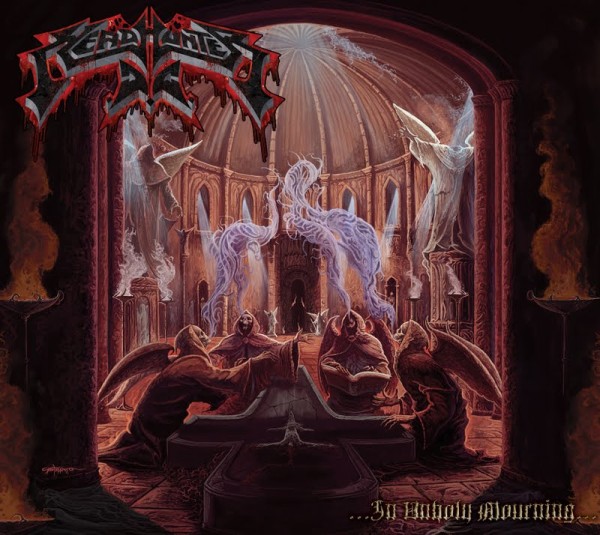
At a time when most crosshairs were aimed at Tampa, FL or Sweden as being “death metal capitals” some of us trained our sights further afield to places like Canada and Brazil which to their credit were home to a great number of pioneering bands. Headhunter D.C. are one such band who built a fanbase in their homeland of Brazil but are generally not known outside South America.
With …In Unholy Mourning…, the band crafts the same type of music it made in the 1990s but with better production it can compete with releases from bigger labels. This is part of the ongoing process by which bands from the 1990s are finally availing themselves of more powerful aesthetics. Folks tend to forget that in the 1980s we often found ourselves thinking, “Wouldn’t it be killer to hear so-and-so with a professional production?”
…In Unholy Mourning… may be the most mature release of Headhunter D.C.’s long career, exceeding even the high standard set by the fertile Brazilian scene. Abundant excellent riffs and arrangements pervade this recording and show what we have been missing out on all these years. The second track “Dawn Of Heresy” follows the introductory non-musical piece entitled “Rotten Death Prayer” with classic Acheron-esque opening rythms that chug into the punky skank beats which made death metal the natural bastard-child of metal and punk during the pioneering era.
The album varies pace throughout, accompanied by the vocals of Sergio Baloff which are likely the best output of his career. Guttural death metal howlings spend most of their time at the low end, fluctuating to higher mid-pitched expressions indicative of reading a piece of prose; there’s no monotone drab cupped vocals to be found here and no need for a lyric sheet. Baloff keeps the natural Brazilian flair to his voice and pronunciation yet enunciates the words so they can be easily deciphered. This creates an unusual vocal clarity in a genre where instruments or some other factor normally pollutes the ability to understand the words. He has faced criticism for making his vocal delivery dynamic in this way, showing that perhaps a large part of the listenership would prefer hearing the same thing ten times on the same album.
Magnifying this idea is the inclusion of the almost PERFECT cover of Thrashmassacre’s “Into The Nightmare,” which is more of a deathrash tune saluting the 1980s pre-death metal evolution within Brazilian extreme metal and although obscure became a highlight of the album. You would not immediately think of it as a cover, as it fits well into an album which is replete with tropes of its region, including the group vocal choruses on “Hail The Metal of Death” which are a nod to the glorious times era of Brazilian metal.
Headhunter D.C. deserve praise for coming up with a rewarding end result after obviously throwing their blood, sweat and tears into this effort, especially in a time when metal is so sterile, safe, consumerist and bland. …In Unholy Mourning… is not as slick and geared toward being a product as the new releases you find in glossy magazines and on big internet sites, but instead this is honest music with a fervent message that has finally gotten the production it always deserved.
As people who enjoy heavy metal in all its forms and wish it to succeed, we keep an eye out for upcoming metal journalism and history projects that have a realistic yet spirited portrayal of the art form and its origins. One such project was , written by author Salva Rubio, who has now launched his newest venture, Stormbound Books.
Unlike most metal publishers so far, Stormbound Books aims to bridge the gulf between academic metal writing including histories, and the type of popular metal literature that exists for the music fan whose interest is primarily in the music and not the study of it. Read on for a description of the publisher, its team, and how it plans to conquer the world of metal journalism.
What will Stormbound Books offer that is not currently available to metalheads?
On the other hand, we will publish books dealing with larger subjects, and we will offer the English-speaking readers translations such as “Extreme Metal” by Salva Rubio, which has gotten great reviews in the Spanish speaking world, or “Slow Metal”, an study in doom, drone, sludge, etc currently in the works by the same author.
Who do you think are the people who will be interested in your texts?
But also, we think experienced metalheads will find studies of their interest, such as the aforementioned “Diabolus in Arte: Satan in Western Culture and Extreme Metal” and other thematic studies currently in the works, such as “The Universe of H.P. Lovecraft in Extreme Metal” and the tentatively called “Battle Cries: War themes in Western Culture and Extreme Metal” which will be finished in the next months. Also, we are very open to the idea of publishing other authors. Check our guidelines and let us know of your projects.
You have an unusual business model involving “giving away” texts and asking people to pay for them later. Can you tell us how this will work?
This is actually a very common strategy in the e-book market: we plan to freely give away some titles to use them as promotion samples and we aim to have interesting “special sales days” in which we will drop the prices and give freebies for a limited time. This is a rather difficult thing to do in the “paper book” industry, but it’s really manageable in the e-book industry.
If you are interested in receiving these freebies and promotions, we sincerely advise you to join our mailing list, since it will be our main tool for communicating them.
Reviewers, bloggers, journalists, etc interested in getting copies for review should contact us here, making sure to tell us which magazines / zines / webzines you write for.
What’s the background on Stormbound books’ staff, and how did all of them get involved with metal?
We like to think of ourselves as one of the many small, underground record labels in Metal (only that we will publish books instead of records), created by a musician (writer, in this case) to distribute our own, and others’ material. This is our ethos and of way of working.
Right now, Stormbound Books is comprised of me, Salva Rubio, author of the majority of the books to be published for now. I am into Extreme Metal since the early nineties, I am an Art Historian, I have played in a couple of metal bands and I am the author of the book Metal Extremo: 30 Años de Oscuridad (1981-2011) which is currently running at its 4th Edition in the Spanish speaking world. Should you want to know more about me or the book, check my profile at DeathMetal.Org.
As for my partner, Jimena Díaz Ocón, she is mainly into Black Metal and Industrial and she is a graphic designer, layout artist and website / book programmer, so we are a really small yet complete team.
We are fortunate enough to have an experienced writer such as Brett Stevens from DeathMetal.Org (as you know, “the net’s oldest and longest-running metal site”) taking care of the copy editing and style correction.
Do you think we’re at a turning point for heavy metal texts, such that there’s more interest than say ten years ago?
That is correct, I definitely think there is more interest because most of the texts published until now about Extreme Metal have been written mainly from the journalistic or critical points of view, but there are many cultural fields (literature, aesthetics, philosophy, politics) that can uncover many interesting points in Extreme Metal and Heavy Metal and which fans and readers are willing to discover and discuss. That is our goal.
Salva Rubio: author, screenwriter and metalhead. From his website.