Interview with techno-slam-deathcore band Cuff

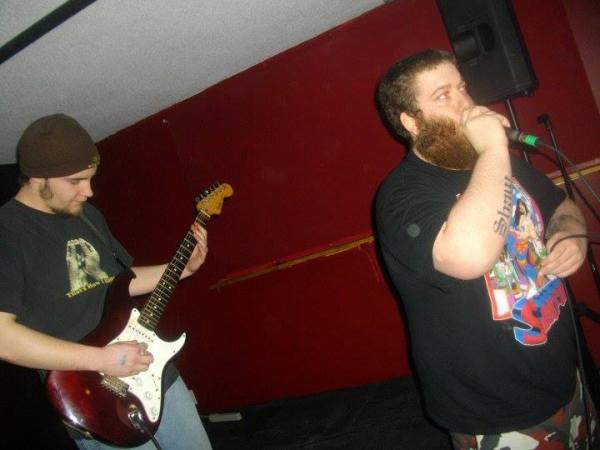
cuff-live

The metal scene is not a static thing. It goes on, and you either participate or accept it as is. For this reason, many of us are looking into newer styles of metal.

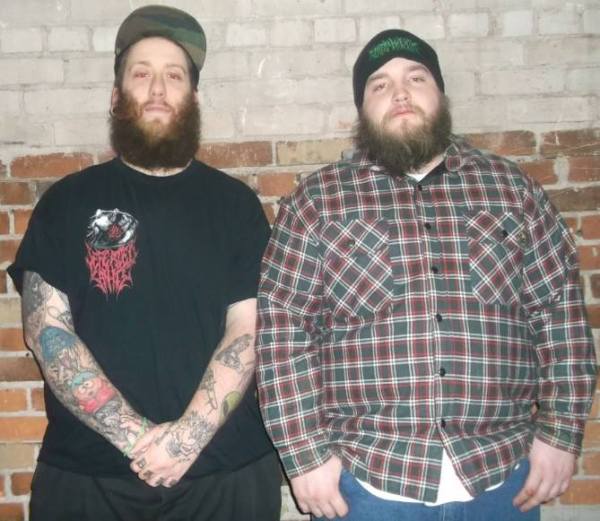
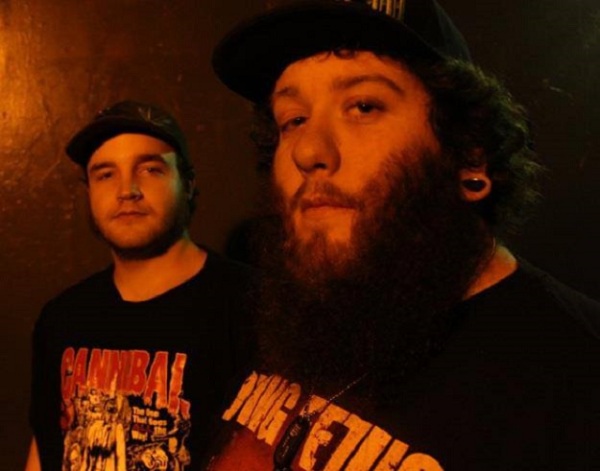
Cuff combine Cryptopsy-inspired deathcore with slam and a Voivod-inspired technological fascination. Comprised of only two guys, Bob Shaw (vocals) and Zach Smith (all instruments), this band has bashed out an incredible number of albums.

Zach Smith took the time between beard agriculture and research of tortures to answer our questions:

You’re a two-person band with one person doing all vocals and the other doing all instrumentals. How does that work out? Do you collaborate on the songwriting or contribute roles as you can?

Mostly the songs are written by me, with input from Bob as to where or how the song structures should be. I think it works well the way we do things, at least it’s worked for the last 8 years We both write the lyrics , so it’s pretty equal what we do as a band.

As a Canadian band, you have a rich history to live up to… including both Cryptopsy, for your general musicality, and Voivod or Dead Brain Cells perhaps for the sci-fi lyrics. What made you choose to go in this direction?

It was an obvious choice to us to go with the sci-fi stuff, it felt like it matched the music and tone of the band perfectly.

The French metal scene is amazing, we made a trip out to Montreal last year and were met with open arms by some of the coolest fans/bands on the planet.

As for our influences I think we borrow more from American brutal death metal than anything Canadian, but Cryptopsy is an obvious candidate for an influence.

cuff-band_members

Inevitably your album will be compared with West Coast technical gore-grind but other influences seem to be there. I hear Cannibal Corpse, and notice at least one of y’all wearing a Dying Fetus tshirt. Can you tell us what your other influences were?

My influences vary between styles of music, anything from Zeppelin to the Beatles and back to Devourment. It’s a whole mish-mash of interesting things indeed! Bob’s influences include of course Dying Fetus along with Wormed and Jenovavirus.

Transient Suffering Through the Ergosphere is your third album. What were the other two like? Is there a continuing storyline between them? If so, what part does this third album tell?

Well actually it’s our 8th full length and 24th release in total!

The album is a continuation from our last album from Gore House Productions called Forced Human Sacrifice to the New Gods of Earth. We have plans for a third album in the storyline somewhere down the road but try and keep that between us!

With only two men in the band, it doesn’t seem like you would have the advantage of being able to jam on this material. How do you compose? Are mathematical formulas, laser pointers and graph paper involved?

Lots of riffs and demos in the recording process, and we rehearse with our drum machine named Montgomery a few times a month. We’ve played live with a lot of bands as well over the years. Almost played with the legendary Anal Cunt but Seth had to kick the bucket right before the show was drawing near!

How do you describe the music you make?

Our music, to me, is organized chaos. It has a real dark vibe to it that stands out among other little things like sound design and song structure. We’re heavily influenced by Jenovavirus, Dying Fetus and Devourment mostly for their ‘slam’ elements.

Can you tell us about recording this album? Was it a challenge, where did you do it, and did you achieve the sound you wanted? Were there any production hacks necessary to make that come about?

We recorded it in a little building down the street from our houses with a good friend of ours Ken Coul.

The studio is called Black Cloud Recording Studio and we did get the sound we were looking for and more. It’s our best sounding album to date with the most crushing slams and fastest grinds we’ve written. No frilly production was used other than amp presets and some reverb. It’s all natural!

What’s next for Cuff?

An EP, a new full length, new merch and definitely a tour are sometime in the near future. We really need to get out there to our friends across the world (and also to please our label GHP! Haha).

All in all, we’re keeping busy and that’s what matters.

You can check us out on Facebook and our Bigcartel sites.

cuff-band

38 Comments

Tags: , , ,

Sadistic Metal Reviews 10-18-14

kvlt_juggalette

What are Sadistic Metal Reviews? As you lie on your deathbed and look over life, you will divide everything you know into things you will miss and things you have forgotten already. Some metal is worth remembering, but the vast majority is just background noise. We hail the former and smite the latter, salting their wounds with our sardonic laughter…
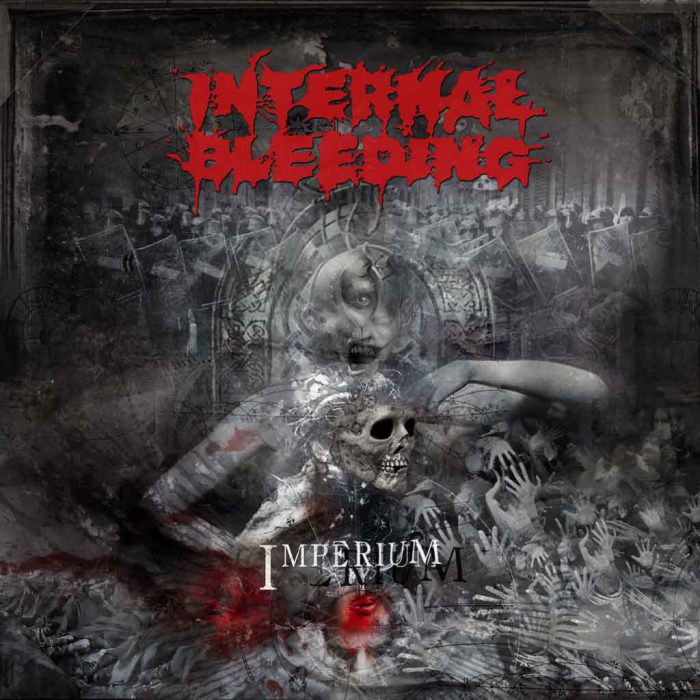
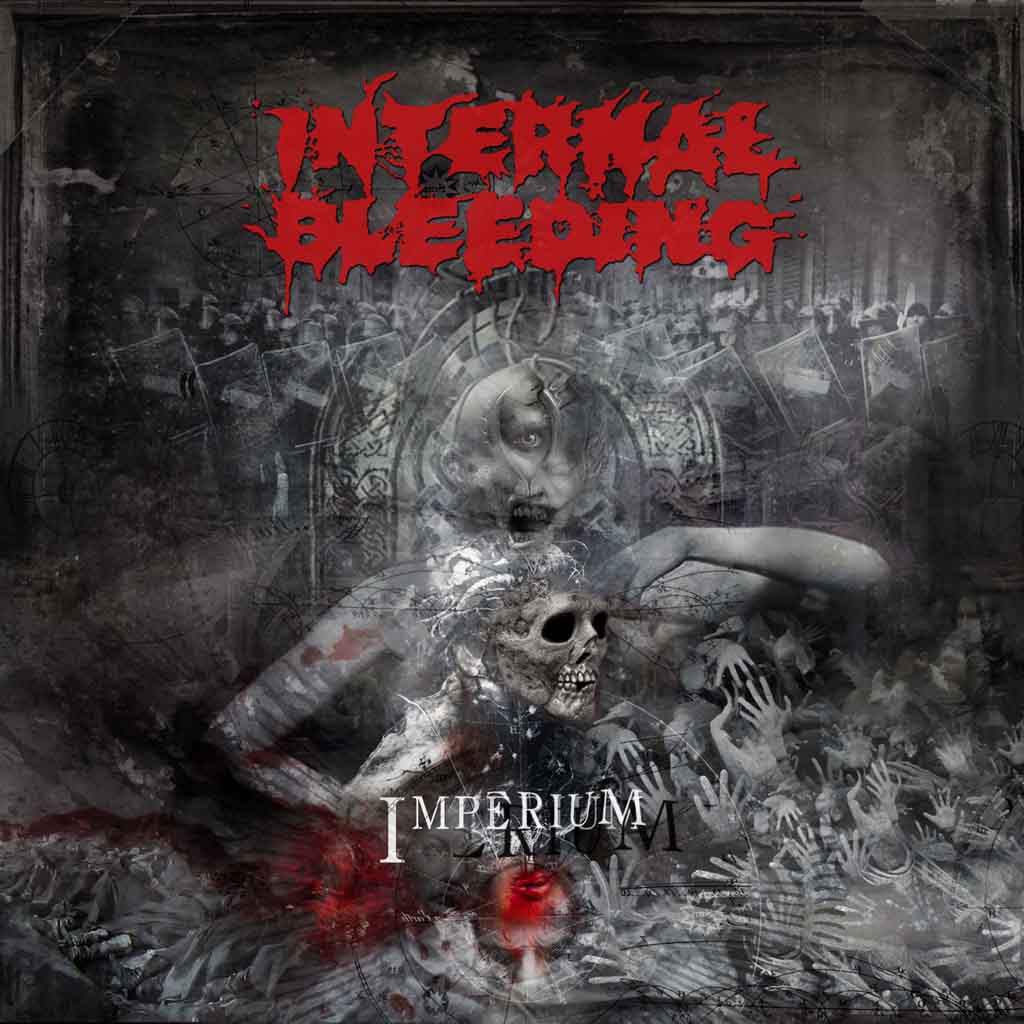
Internal Bleeding – Imperium

After Suffocation got big in the mid-90s as the next big direction for death metal, lots of bands took the Cannibal Corpse hint and started imitating the easier parts of the Suffocation percussive death metal approach. Unfortunately, doing so creates music that is dumber than malformed concrete, and Internal Bleeding quickly distinguished itself as the death metal version of Pantera: brocore for bros who like to you know drink beer and punch their heads into walls. Checking in with them 19 years later, it seems little has changed. These songs are hook-laden and not fully random, but the hook relies on the most basic of rhythms and their expectation, sort of like watching a chihuahua chase its tail. The band tries to compensate for their basic and unexciting music with really active vocals and occasional melodic touches on guitar, but nothing changes the fact that these songs are based around extremely basic patterns designed to numb and erode the mind. The famous breakdowns are back and serve to break up some of the constant muted-strum chugging and ranting vocals that shadow the rhythm of the guitar riff, but even if they dropped occasional symphonic parts into this Internal Bleeding could not hide the fact that most of this music is designed to destroy brain cells or appeal to those who have already voluntarily obliterated their own minds.
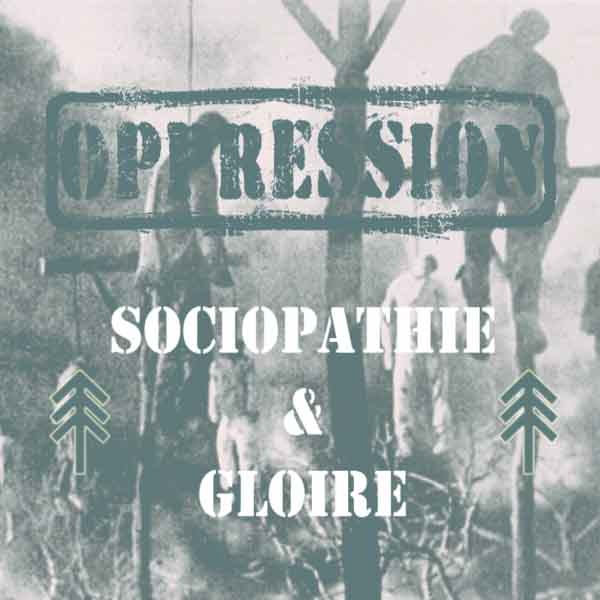
oppression-sociopathie_and_gloire

Oppression – Sociopathie & Gloire

This band will be overlooked by many because the production on this album makes it hard to hear anything but bass, vocals and metals (cymbals and high-hat). However, what lies beneath the obscurity is a quality melodic punk album that verges on Oi and shows us what emo could have been in the hands of quality songwriters; you could compare this to the Descendents and the Misfits because this band write quality vocal melodies over melodically hookish riffs and rhythms, producing a sense of familiarity and yet a sense of weight like that of history or topics that pop up in every life no matter what age. Vocals alternate between a black metal-ish rasp and sung punk vocals, with the latter being more convincing. As with Misfits, the composition of these vocal melodies defines the song, combining old world melodic intensity with a casual punk sense that favors the simple and almost childlike. Touches of metal technique accentuate the harmonic space created by these rather open melodies, but generally, what you hear is punk that sounds as much like Blitz or Reagan Youth as something more recent. The result brings together the best of punk in its attempts to combine its energy with depth, and provides for a good listen, if the listener is able to hear past the abysmal production.
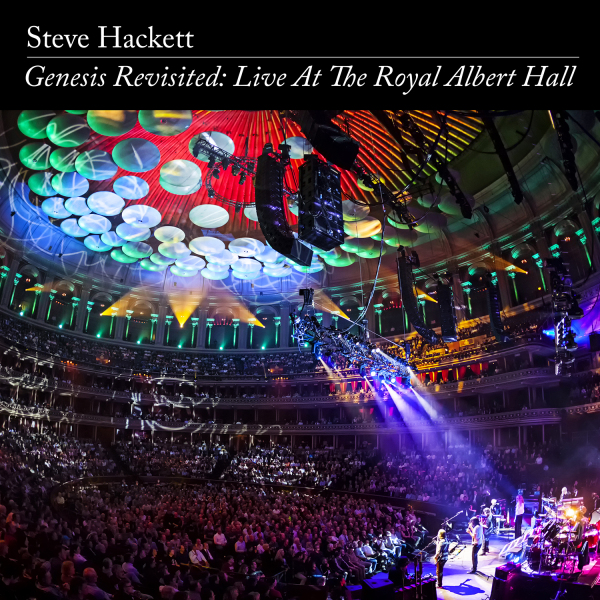
steve_hackett-genesis_revisited_live_at_royal_albert_hall

Steve Hackett – Genesis Revisited: Live at Royal Albert Hall

Among the 1970s progressive rock bands, Genesis is frequently mentioned but often forgotten. It seems to me that the reason is that its vocalist, not its guitar-keyboard duo, dominated the composition and thus it drifted closer to the regular-rock tinged Pink Floyd style of “light” progressive rock, without getting as populist and compact as Pink Floyd or Rush did. However, it would be a mistake to overlook the first few Genesis albums which were ambitious although steeped in a self-righteousness which seems more pretentious than the usual self-indulgent musically masturbatory egoism of progressive rock. On this live recording, Genesis guitarist Steve Hackett revisits the older Genesis material with the benefit of an extensive solo career and an entirely different band. The result makes Genesis sound more pastoral, with greater emphasis on vocals and mood in the style of later-1970s big radio rock bands, but also brings out some of the more aggressive guitar that got buried under keyboards and vocals on the originals. Vocalist Nad Sylvan manages a more soulful and less starchily self-referential voice than the original, and all accompanying musicians are excellent including a cast of highly talented players who, while not fully noticed by name in the mainstream, have demonstrated their abilities in complement to larger acts in the past. While all of this shines, the fundamental problem with Genesis remains the “oil on water” feel when it switches between something that sounds like Queen and a sort of extended figurative structured jam. While highly musical, Genesis often seems atopical and thus lost between its rock drama and its progressive underpinnings, and in many ways, having Hackett reinforce the role of guitar both reduces this gap and highlights what is left. For Genesis fans who wondered what this band might have been like with a different internal balance of power, these re-envisioned tracks will provide hours of exploration.
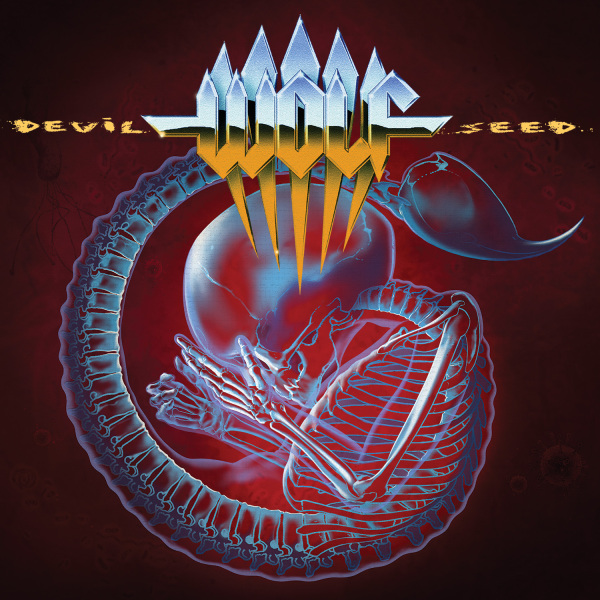
wolf-devil_seed

Wolf – Devil Seed

This album takes the speed and intensity of a speed metal album, adds in Accept-style power metal vocals, but underneath the skin is something more like a hybrid between the first albums from Motley Crue and Queensryche. The result is… well, there’s no nice way to say this, but: annoying. Highly skilled and highly repetitive, vocally demonstrative and vocally over-dramatic, catchy and infectious and yet cloying, it hammers out the earworm qualities of glam metal at the pace of speed metal with the production and sound of power metal. If this is your first album from this style, it might be interesting to own, but probably difficult to listen to on a regular basis because of the similarity of the tracks and the consistently high levels of sentiment and bounding energy. The 1980s varied moods of glam metal have been replaced with the aesthetics of techno or punk, and it just keeps going and eventually even drowns itself out. Musically, nothing here ventures outside of the camp of what has worked before and become established, although a few adept variations give greater power to the framework. As with most metal/rock hybrids, what brings it down is the need for vocals to lead which crowds out other instruments, in turn squeezing the space available for song development. While the vocals are impressive, when they become too predominant like this they lose some of their power; Halford or Dickinson (or Di’Anno) would have been more selective in the use of their full-bore intensity and emotional depth.
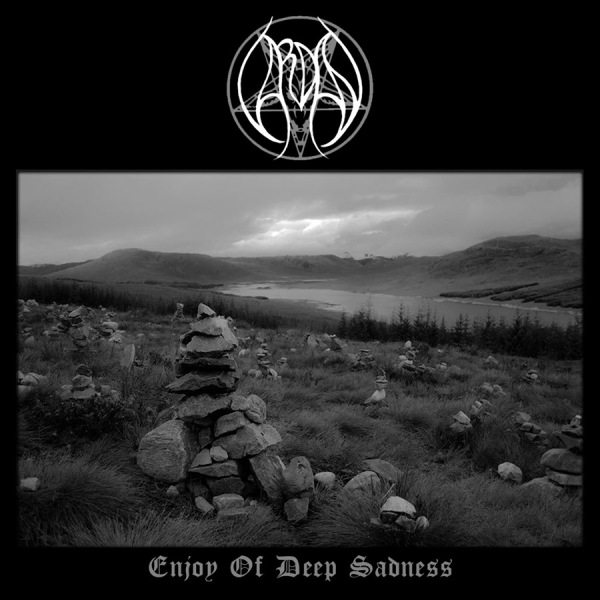
vardan-enjoy_of_deep_sadness

Vardan – Enjoy of Deep Sadness

This band combines “suicidal black metal” with the shoegaze/emo/indie variant that specialized in certain minor key chord progressions turning upward at the end of each phrase to convey a sense of misplaced “hope,” much in the way early 1990s emo-punk bands did. The result is merely a new aesthetic slapped on top of very ancient and pointless music, since the “mixed emotions” sensation has been popular in rock music since the 1960s and produces the type of emotions one might want in the background of a movie about losing your favorite race car, but apply not at all to any life with depth, where the emotions are more than mixed but intertwined in some way more than a balance of sadness/joy that seems like it came off a greeting card. This isn’t bad in execution; it’s soulless in intent. While the former is forgivable, the latter renders this music irrelevant to anyone who is here to live for the purpose of living, because to such a person confused self-pity and weepy “hope” is completely non-applicable. In the same way it is entirely possible to listen to this entire EP, nod once, and then read a book on database administration and be more thoroughly moved by its depth and emotion than anything Vardan will ever record.
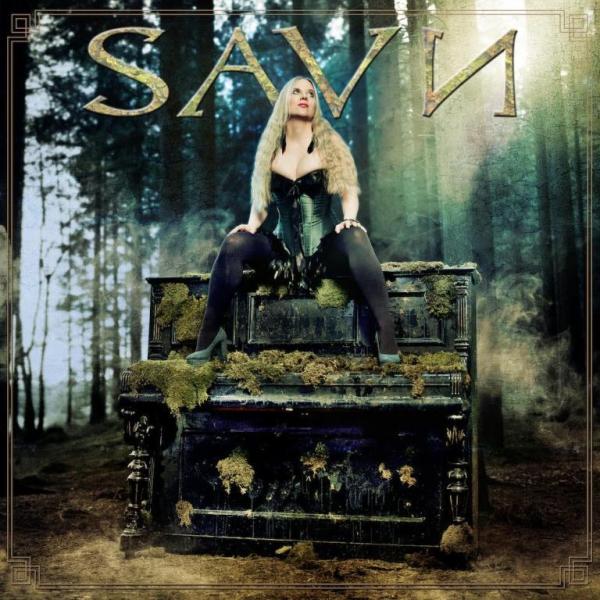
savn-savn

Savn – Savn

Anyone else remember The Gathering? They had a female vocalist, a quite good one name Anneke something-impossible-in-Dutch, and she was not only adorable but also could sing. But that’s the distraction. The question of whether a metal band can have a female vocalist is never asked when the female vocalist goes the route of Doro or another high performer. It’s when the presence of a female vocalist changes the sound of the band that people start wanting to talk about that instead of the music. And Savn cleverly starts out with very black metal sounds, then the keyboards kick in, and then very pretty female vocals intrude. Excellent production. There’s even a harmonica, for the sake of Zuul. The whole nine yards. But if you stop hearing the distortion for a moment, you realize you’re hearing standard folk rock that has been 100% consistent from the 1960s through the present day. It fits the female vocal and range but even more, it fits the needs of people in boutique shops that sell crystals to feel vaguely empowered, slightly sad and yet charged with some kind of great Meaning that has lifted up their insignificant lives of watching television and answering phones at work to the focal point of some vast collision between human emotions that form the basis of the cosmos itself. You can imagine Jewel belting out this album, or Linda Rondstadt, or even Taylor Swift. Savn would do better to just run Doris Day vocals over old Burzum albums. I do not contest the assertion that they are talented, good players, imaginative, and that the production here is amazing. I just question what it has to convey. The answer is feeling good while you shop and pretend that the universe is not a cold empty place, and that somehow your emotions derived from pop music are totally relevant and might even determine the future. On an emotional and artistic level, this release is poisonous; on any other level, it is simply a product that doubtless will sell many crystals, possibly cube cars and haircuts too.
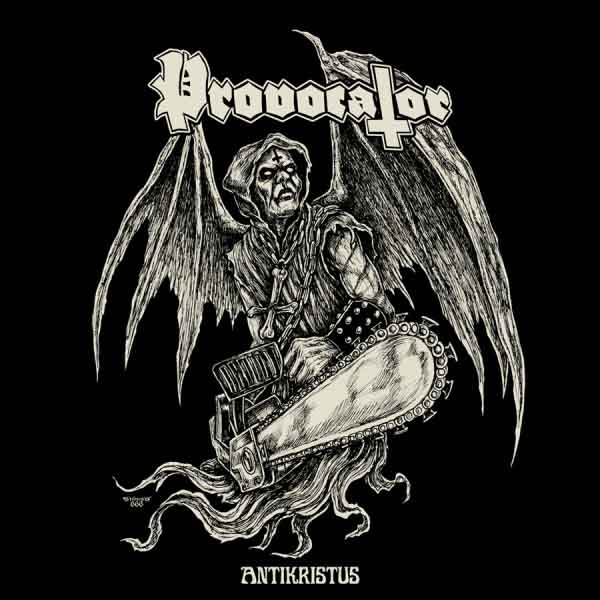
provocator-antikristus

Provocator – Antikristus

Joining on the primitive black metal thread which bands like Von thrust to the forefront, Provocator crafts simple sawing black metal based on extremely rudimentary chord progressions that are nonetheless not pure chromatic, giving it a more accessible base of tones to expand upon. Like Acheron or Ungod, these riffs rely on building momentum and then redirecting it with quick rotational motion, but the repetition of this technique wears thin. Extensive demonic vocals crowd over the top but instead of giving this depth, simply distract from both the underlying guitar and the effect of the vocals to the point where it sounds like trying to listen to a portable radio in a busy train station. Nothing on this is terrible or misplaced, but it also provides no particularly compelling content and no reason to revive this style as a result. While it plays, the comfortingly familiar Sarcofago-style drone and chaos at the right BPM will make most black metal fans accept it without a further thought, but the real question with any release is whether you will seek it out again. In this case, nothing is offered that cannot be found elsewhere in a less repetitive form. Although this is no reason to choose an album, the blasphemous song titles and Blasphemy-style prison escape vocals add to some enjoyment but cannot compensate for the fact that this is like listening to a throttle test on a ’78 Camaro.

28 Comments

Tags: , , , , , , , , , , , ,

The Electric Guitar in Popular Culture conference issues call for papers

les_paul-log

The Department of Popular Culture at Bowling Green State University will host the The Electric Guitar in Popular Culture conference on March 27-28, 2015. The conference will examine the study of electric guitar and its effects on popular culture, but also look at how it has changed music itself.

Matt Donahue, conference organizer, issued the following statement: “The Electric Guitar in Popular Culture aims to examine the roles of the electric guitar in cultures throughout the world. It is intended to serve as a space for academics, professionals, hobbyists and fans to engage in dialogue about topics related to the electric guitar and its cultural influence.”

The conference organizers also suggested topics that might be of interest and solicited papers on these topics. Interested parties should send a 300 word abstract describing your individual presentation to electricguitar2015@gmail.com with “The Electric Guitar in Popular Culture” in the subject line. Questions for analysis include:

  • How has the electric guitar altered music and the lives of musicians throughout its history?
  • How has the electric guitar impacted local music scenes in northwest Ohio and those throughout the world?
  • Have changing representations of the guitar in popular culture impacted aspiring musicians?
  • How have advances in technology impacted the production of electric guitars for both producers and consumers?
  • How have various cultures and perspectives surrounding the electric guitar shifted over time?

Additional topics for consideration include:

  • Representations in Popular Culture
  • Globalization of the Electric Guitar
  • Current Trends & Artists
  • Ohio Guitar Shows
  • Guitar Collecting
  • Album Artwork
  • Guitar Magazines & Publications
  • Guitar Manufacturing
  • The Guitar and Education
  • Race/Ethnicity and the Electric Guitar
  • Gender/Sexuality and the Guitar
  • Fender vs. Gibson
  • Guitar As Icon
  • The Guitar in Video Games and Toys
  • Genres & Associated Artists

Deadline for submissions is Sunday, December 21, 2014.​

9 Comments

Tags: , , , ,

Details on Compilation of Death issue three

compilation_of_death-issue_three

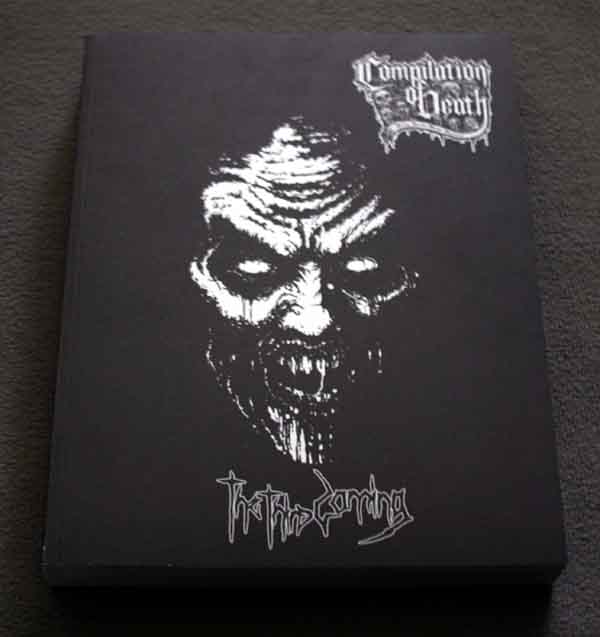
DMU reported recently that Compilation of Death zine has issue three back from the printers and ready to distribute. Like many of you probably were, I was intrigued by the use of the term “zine” to describe what looks like… a book.

In the grand spirit of investigative metal journalism, DMU reached out to Gabriel Andres Gatica Kretschmer, editor of the Compilation of Death. He answered our questions about the new issue and created anticipation of the new issue with his answers.

How many pages are in the new issue? Are all of them illustrated?

Aesthetically this new issue might be seen as a book because of its large number of pages, but this appearance was not premeditated. Independent of the size, we are and we have the essence of a fanzine: Compilation of Death is created by fans for fans. Our new issue has over 390 pages but keeps the spirit and outlook of a xeroxed ‘zine. And yes, all of the pages are illustrated!

What bands are in it?

  • Features
    • SADISTIC INTENT (in depth special)
    • Brutal Assassin
    • Decomposed (Usa)
    • SINDROME
    • DREAM DEATH
    • PHLEBOTOMIZED
    • Druid Lord
    • DR SHRINKER
    • VOID OF VOMITS
    • EARACHE RECORDS (Interview about the history of the label)
    • Necroccultus
    • HEXX
    • BLOODBATH (Serbia)
    • SORCERY (Sweden)
    • AUTOPSY (Fucking big interview)
    • Nephrite (Norway)
    • DISSECT
    • DIABOLIC/HORROR OF HORRORS/UNHOLY GHOST
    • ENTETY/COFFIN TEXT
    • AGRESSOR (Fra)
    • FATAL (Usa)
    • CIANIDE
    • THANATOPSIS (Usa)
    • OBLITERATION (Nor)
    • BLOODSPILL (Usa)
    • DEATH THREAT (Usa)
    • DECEASED
    • DEATH YELL
    • ETERNAL DARKNESS
    • NILE
    • ROTTREVORE
    • Embrional (Pol)
    • NECROWRETCH
    • ETERNAL SOLSTICE
    • PENTACLE (Studio Report-Live review by Costa Stoios)
    • PROFILES
    • MAGNUS (Pol)
    • Pages of pure fucking Damnation (Chat with old fanzine editors)
    • Aaaarrghh Magazine (NZ)
    • INVOCATOR/MACERATION
    • GOD VOMIT’ Zine
    • RATTLEHEAD ‘ZINE/BLOWING THRASH ZINE
    • DECIBEL OF DEATH ZINE
    • THE BOOK OF ARMAGGEDDON’ZINE/ RAGE RECORDS
    • RAM METAL SECTION (The section of LAURENT RAMADIER)
  • Interviews
    • Gino Marino & NOCTURNUS/INCUBUS
    • MUTILATED (Fra)
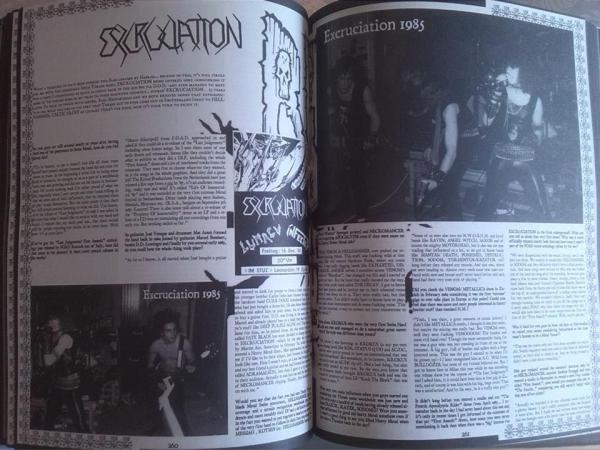
    • EXCRUCIATION (SWI)
    • INCANTATION
  • SOME DIE, OTHERS ARE BORN (New section with over 50 new bands)
  • DARK AWAKENING (Review Section)

Is this all-new content? (I assume so, just verifying)

All the content is new, from our own staff and some guests as collaborators in interviews. But we also have some reprints of old interviews from old fanzines.

How is this different from past COD issues?

I think the essence is the same, we just have more pages, therefore, more interviews and articles. We also add a new section with more than 50 upcoming bands where you may learn the basic and essential information about bands who have only been around for a few years and have few releases. We continue with an in-depth special about the history of a band; last issue this was IMMOLATION and in this new edition is been SADISTIC INTENT.

Where can people get this, and about how much will it cost?

HELLSHEADBANGERS from USA is our official distributor; they were responsible for printing our new issue. Some labels in Europe like APOCALYPTIC EMPIRE, IRON BONEHEAD, THE SINISTER FLAME, UNHOLY PROPHECY, TERROR FROM HELL, MEMENTO MORI, WITCHCRAFT ‘ZINE, etc. are distributing our new issue as well. All who are interested in distributing our new issue should contact HELLSHEADBANGERS Records directly and ask for wholesale pricing.

Can you tell us a bit about your background in metal, in writing and in zine publishing? What are you listening to now?

Previously I edited a fanzine called Brutal Passion in Chile, it was something generic, nothing new, you could find the same in other 100 fanzines. I’m a crazy fanzine collector and I decided to do something different and create Compilation of Death zine as a tribute to the old fanzines and focused on the development, history and continuity of a style like death metal and its closest branches.

I see Compilation of Death as a link between the forgotten and the present time… I listen to many things depending on my mood, but these days, the new album of ZEMIAL, OPHIS, DEAD CONGREGATION, DOMAINS, DROWNED, GORGUTS, HAEMOPHAGUS, RUDE, ATARAXY, DISMA, BEYOND, SHEOL, INCANTATION, RIPPER (CHILE), U. KULTEN, PROCESSION, etc… I listen to almost all styles of metal, especially a lot of death metal and heavy metal. My favorite band since I was a child is RUNNING WILD for example…

compilation_of_death-sample_pages

2 Comments

Tags: , , ,

The early days of metal online: the Metal AE

apple_ii_plus

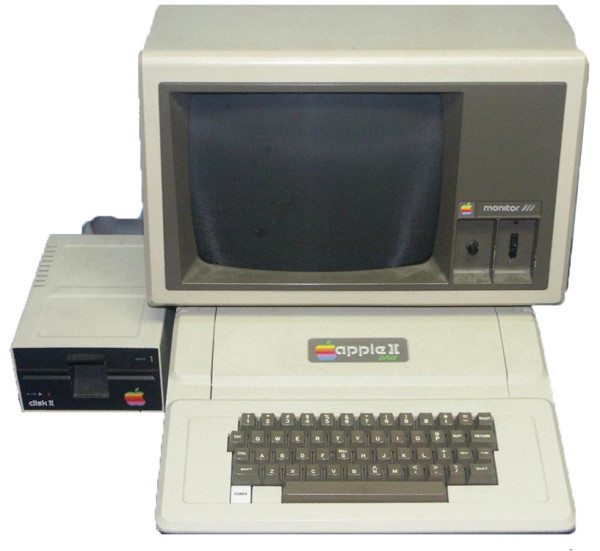
Before there was high speed access, or even AOL and dial-up, or even access through your favorite local educational institution, there was a network of hackers and metalheads who traded information with each other through person-to-person dial-up. These were primitive days for technology with most computers maxing out at 1MHz and 64K of RAM, which is like 1/10,000th of a smartphone.

At that time one of the most revolutionary acts was to run an AE (for “Ascii Express,” the program used) line, which was like a 4chan for 1986: completely anonymous, where anyone could upload any file and anyone else could download any file. Metal fans swapped lyrics, reviews and concert information through these online resources, as chronicled in my articles in Perfect Sound Forever and 2600.

The Metal AE served as the ground zero for all metal-related communications and people calling in from all over the world, blue-boxing or otherwise phreaking calls or even using corporate networks to dial out locally. This is where I started, publishing the reviews that eventually became the Dark Legions Archive. The tribute site whose link follows contains some of the flavor of early days of metal on the net.

1 Comment

Tags: , , , , , , , ,

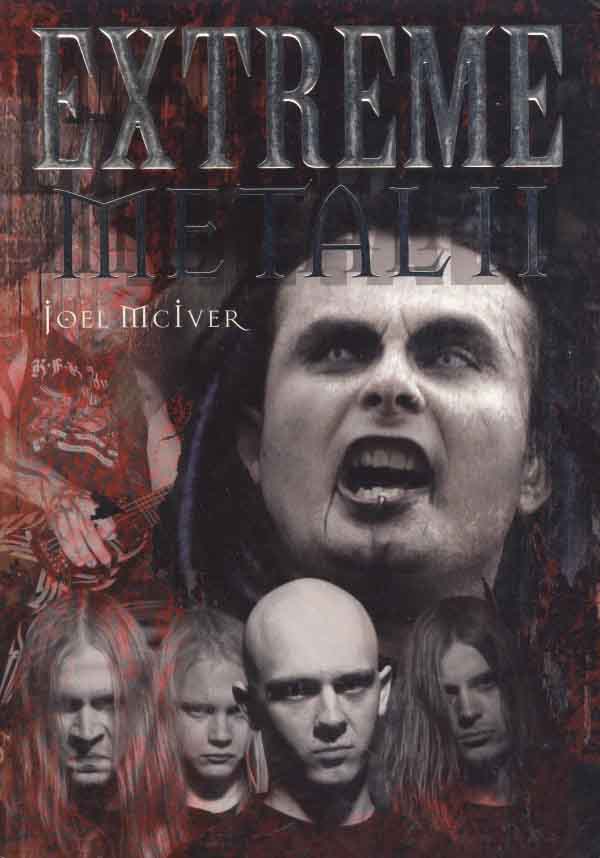
Extreme Metal II by Joel McIver

joel_mciver-extreme_metal_ii

For a short book that you can finish in an afternoon, Extreme Metal by Joel McIver packs a great density of information of unusual breadth into this deceptively simple volume. Comprised of brief introductions and then combination profile, history and review of the major works of each band, this book applies a flexible strategy to information and dishes out more on the more important bands but refuses to leave out essential minor ones.

McIver released two versions of this book: an original (2000) and this update (2005). With each edition, the book gains more factual information and the writing kicks it up a notch. I first read Extreme Metal I shortly after it came out in a bookstore and noted how some of the writing was boxy and distant, but how (thankfully) it did not drop into the hipster habit of insider lingo and extensive pointless imagery. In Extreme Metal II, McIver writes according to the journalistic standards of the broader media and skips over the conventions of music journalism and especially metal journalism which are less stringent. If there is an Extreme Metal III, the language will be even more streamlined and relaxed.

A good book on metal includes not only information but interpretations; all books filter by what their authors think is important, and one of the strengths of Extreme Metal is its ability to zoom in on not just the larger bands but a number of smaller ones that contributed to the growth of the genre. With each of these bands, McIver presents the information as relevant to a metal fan interested in learning the genre but also in hearing the best of its music. After an introduction by Mille Petrozza of Kreator, Extreme Metal launches into a brief history and afterward is essentially band profiles in alphabetical order. McIver includes all of the big names that one must include especially in any book that wishes to have commercial success, but devotes a fair amount of time to focus on the underground and the odd details that complete its story. He displays a canny instinct for rooting out the important, even if obscure, and relating it to the progress of the genre as a whole.

Written in a conversational but professional style, the book unloads a large amount of information with a low amount of stress and reads much like an extended magazine article covering the growth of the extreme metal genres. Depending on what sub-genres a listener enjoys, parts of the book will be skimmed, much as some Hessians glaze over whenever anything related to nu-metal emerges. McIver displays the instincts of a metal listener and refuses to sugar-coat his opinions, but does not drift into the trendy internet sweetness-and-acid diatribes that afflict those who rage at the excesses of the underground. Instead, the book assumes that its readers are open-minded enough to listen to any good heavy metal and tries to dig out the best of it, even if those standards need to expand when nu-metal or metalcore float by.

Massacra

Massacra was a French ‘neo-classical death metal’ band and was formed in 1986. Three demos landed them a deal with Shark Records from Germany and later, the major label Phonogram. However, the band was put on hold in 1997 when a founding member, Fred Duval, died of skin cancer at only 29. Some members of the band formed an industrial band, Zero Tolerance, and released an album on the Active label.

Recommended Album: Final Holocaust (Shark, 1990)

Among the truckloads of paper published since Lords of Chaos convinced the industry that money could be made in books about underground metal, Extreme Metal distinguishes itself by being open-minded and yet straight to the point. Most books pass over perceived minor bands like Massacra, Autumn Leaves and Onslaught, but this book fits them into context and explains their relevance in a way that is both enjoyable and informative. While major bands like Metallica will always get more coverage, here McIver works to tie his write-ups of those bands in with traits of other bands who both helped make that success happen and carried it forward.

McIver has gone on to write other books including a best-seller about Metallica, a biography of Max Cavalera of Sepultura, retrospectives of Motorhead and Black Sabbath, a band history of Cannibal Corpse and most recently, a book about alternative band Rage Against the Machine. He demonstrates comfort at every level of above-ground and underground bands, but his instinct as a fan makes him a writer worth reading as he tears through metal, sorting the entropy from the growth. While one can write about underground metal to any depth, Extreme Metal strikes the right balance of information and expediency and produces an excellent first step for any fan or researcher looking into these sub-genres of heavy metal.

1 Comment

Tags: , , , ,

Happy 63rd birthday, Rob Halford

rob_halford

The legendary Judas Priest frontman (born 1951) is 63 years old today, August 25, 2014. Introduced to Judas Priest bassist Ian Hill by his sister, Halford became the vocalist for the group and quickly defined his iconic style of singing and found a way to adapt it to the new style.

With Stained Class, Halford adopted what became his trademark visual imagery, which is the leather and studs clothing that spread throughout metal after that time. He later expanded this imagery to include military gear, motorcycles, whips and chains.

Judas Priest defined much of 1970s heavy metal by taking its NWOBHM sound and adding the album-oriented stadium rock feel, giving the music greater accessibility, but simultaneously focusing on strong lead guitar and use of multiple riffs to create a puzzle-piece feel.

Without Halford, Priest might have accomplished this role but not in such an iconic sense or perhaps with such amazingly flexible vocals. Halford joins Ronnie James Dio, Ozzy Osbourne and Tom Arya among others in the category of legendary heavy metal vocalists. Happy Birthday!

7 Comments

Tags: , , ,

Krieg releases single from new album Transient

krieg-transient

Post-metal/black metal hybrid Krieg unleashed the first single from its new album Transient in the form of “Order of the Solitary Road.” This track shows Krieg begin with a standard post-metal introduction, then segue into Taake-era black metal, then ride out most of the track in a Motorhead-inspired road riff. The result is notably better than most of this genre but the introduction of post-metal elements somehow fractures its message and leaves the black metal portions seeming isolated in an oil-on-water mix. Perhaps the direction for this band is to ditch what various music magazines think is a good idea and also discard the black metal, and focus on these Motorhead-style riffs that seem to fit its persona.

The first release from Krieg in over four years, Transient will be released on September 2, 2014 by CandleLight Records. It includes a guest appearance from Thurston Moore of seminal indie band Sonic Youth, and also features a cover of “Winter” by founding crust-punk act Amebix.

The tracklisting is as follows:

1. Order Of the Solitary Road
2. Circling the Drain
3. Return Fire
4. To Speak With Ghosts
5. Atlas With A Broken Arm
6. Time
7. Winter
8. Walk With Them Unnoticed
9. Ruin Our Lives
10. Home
11. Gospel Hand

10 Comments

Tags: ,

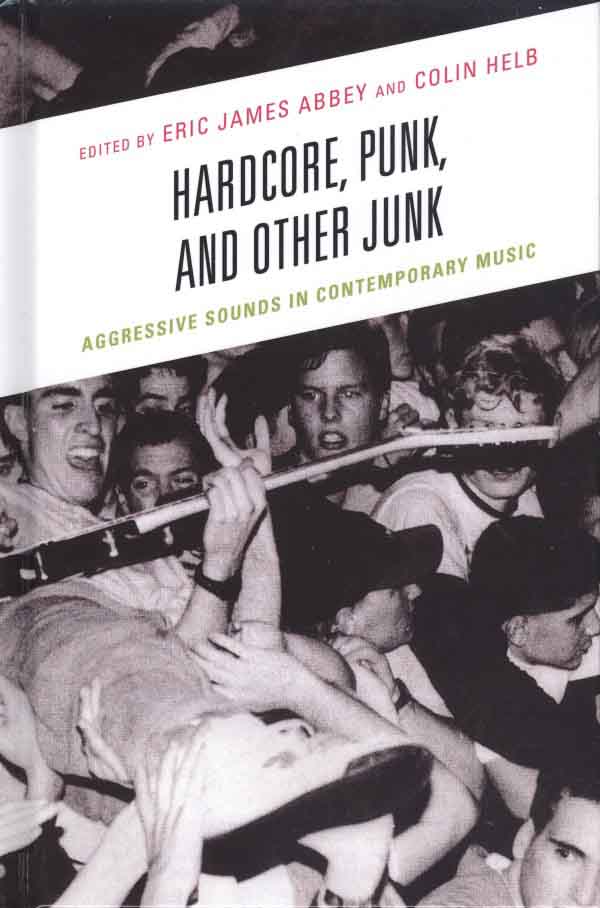
Hardcore, Punk, and Other Junk: Aggressive Sounds in Contemporary Music edited by Eric James Abbey and Colin Helb

eric_james_abbey-colin_helb-hardcore_punk_and_other_junk.

Metalheads tend to distrust academia. We distrust the machine in all of its forms, and since the machine accepts academia, we believe the voice of academia is tainted by interest toward social acceptance. Academia also has a habit of finding ways to cram reality into its theories rather than the other way around. However, some academics make insightful contributions to the study of metal and Hardcore, Punk, and Other Junk: Aggressive Sounds in Contemporary Music provides an example of the best of this process.

This collection of essays looks at extreme music in general and extends this to metal, hardcore punk and punk rock communities. Sadly many authors make the mistake many do of incorporating recent pseudo-metal hybrids as some form of legitimate metal, which spams their results with some nonsense. The balance of results however turns out for the best because these academics look at detail-level reproducible phenomena and so are able to avoid the kind of craziness that would happen if they took “modern death metal” to be a legitimate form of the genre. Since metal and hardcore punk share a heritage both influencing and as influences of one another, the multiple pieces on that topic serve to bolster the understanding of metal.

Ross Hagen‘s piece “No Fun: Noise Music, Avant-garde expression and Sonic Punishment” ventures into the world of noise as music and explores a number of theories of its appeal. His most tantalizing riff zeroes in on the idea that society attempts to control noise and categorize it by the containers used to sample it, thus the tendency of irregular acoustic noise is to overthrow the social control imposed for the convenience of society having categorical dominance. While this piece does not seem to be directly on point to metal, it explores the same sonic space that metal uses and suggests reasons for it that may overlap with the psychology of metalheads.

Nelson Varas-Diaz contributes writing that analyzes Puerto Rico as a metal scene and the historical antecedents for appreciation of metal in this unique context. While his research involves statistical analysis, the best part of it may be the narrative aspect where he explains the history of metal in Puerto Rico as a type of struggle to be heard. In this piece also can be found extensive information about founding and contemporary Puerto Rican metal bands.

While it is beyond the scope of this review to cover every piece in the book, several others merit immediate attention by the wandering metalhead. Mika Elovaara looks into the meaning of metal lyrics and finds something akin to the mythical-historical view expounded upon in these digital pages. As if clarifying Lords of Chaos, one of his research subjects from Norway opines:

I feel that it is important that people understand why they have been born and that other people fought for our well-being and to preserve our culture and society. Our cultural heritage is going to die because people ignore it or do not even realize its significance. Viking and Norse mythology have been described as something evil and distant, but in reality, it is close to home and not necessarily evil at all. That it is not Christian does not mean it is evil. I use the mythology to describe situations in the world and politics, actual topics that were part of our lives a thousand years ago just as they are today. One can be proud of one’s heritage and identity without any racist or nationalistic tendencies. And Satanism is quite outside of this.

His extensive interviews bring up other similar flirtations with the taboo which makes sense as metal is “edge music” that exists to push social standards beyond what they normally accept. He probes the filaments of metal’s obsession with the evil and dark, and yet finds a certain kind of benevolence. “They mean critical thinking and encourage independent thinking,” said one fan about metal lyrics. The entire study is too complex to summarize here but at a minimum provides food for thought about what metal is attempting to communicate.

Another metal-related piece by Marcus Erbe looks into the science of producing death metal vocals and what that type of sound might mean in the unconscious and shared experience of being human. He finds that human vocals universally split between a melodic voice and a textural voice, with the latter expressing “monstrous” sensations. He then explores the nature of the monstrous in psychology and finds that it includes both the other and our fears for what is within us. This thought-provoking essay fuels further the question about what it is in metal that is really socially unacceptable, its rejection of social mores or its seeing through them.

Other articles explore more specific topics. On the whole, the book shows a new face for academia in looking into metal that is less afraid of certain areas of metal that are alien to what academia customarily writes about and may reject attitudes held by the majority of academics. The insight offered into the mechanics of metal and the associated symbols that it invokes also suggests new areas for academics and thinkers to pry into this interesting genre. Hardcore, Punk, and Other Junk: Aggressive Sounds in Contemporary Music lives up to its title and presents a window into the troubling questions that most would ignore raised by these dissident genres.

2 Comments

Tags: , , , , , , , ,

Interview: Question

question-band_photo

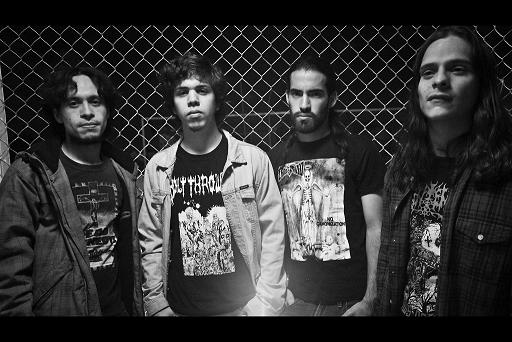
Question come from Querétaro, Mexico and create technical death metal in a combination of old school styles. Their debut album Doomed Passages saw release through Chaos Records in early June. Question deliver a very spacious style of death metal reminiscent of The Chasm with some Finnish touches. The guitarist, Rodrigo, agreed to talk to us about the band.

Question caught my eye as an unusual name for a death metal band. What made you choose this name?

“Question” is a name which is coherent with the philosophy of the band and the lyrics; it’s consistent with the context that we want to portray. A friend came with the idea and we thought it fit perfectly with the music that we were composing at the time. It’s not surprising that some think it is a weird or dumb name; you’ll always find people that keep looking for the most rude or evil names, but I think that has become a weak point with the past of the years in the metal scene.

I detect a strong Finnish death metal influence on Doomed Passages. Would I be correct?

Well, we are fans of some early Finnish death metal bands; also we listen to some contemporary bands that have been spreading rottenness lately. However, it’s more appropriate to say that we’re heavily influenced by obscure death metal in general; Mexico has a lot of obscure metal bands and some of them are big influences for us. Also, besides metal, we listen to a lot of punk, progressive rock, etc.

What drove you to create death metal?

Curiosity. In terms of composition death metal has a very vast spectrum of possibilities and we all are very into obscure, heavy and strange stuff, not just music, also books, films, so I guess it’s natural to feel a tendency to create and play this kind of tunes.

Is art separate from entertainment or are they one in the same?

I’m afraid I’ve never established a delimited frontier between these two concepts; any attempt to be objective will fail, however I can resume my thoughts with the following: many expressions of art can be entertaining, but entertainment mostly lacks art. Art is an intimate vision of an artist, and sometimes the vision is shared with some people. In contrast, entertainment is made for the masses, is a guided story that leads to a guided conclusion. Art is more subjective, it makes you think what you’ve experienced.

Tell me about the recording process of Doomed Passages.

We recorded the album in April 2013 at Oz Recording Studios in Mexico City. The process lasted five days and it was the first time for the actual lineup to record something. All went well, the studio is amazing, and we had a really good time, although the mixing and mastering process was more exhausting, as we couldn’t make a connection with Roberto Granados. I think the result is good.

What does the artwork on Doomed Passages signify and how does it tie into what is being expressed musically?

Hector and I wrote a couple of ideas for the artwork based on the lyrics and the band’s philosophy. We send this to Arturo Vargas and he came with this spectral vision that became the cover of our first album. The significance is relative; art should not be restricted to a single interpretation.

14 Comments

Tags: , ,

Classic reviews:
A B C D E F G H I J K L M N O P Q R S T U V W X Y Z