Sadistic Metal Reviews: Crush the Skull

What does any band deserve? A fair review. If the band is good, it should be said so, to what degree. If it just sucks, it also needs to be said. And that’s why we’re here with the latest edition of Sadistic Metal Reviews.
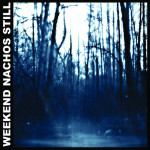
weekend_nachos-stillWeekend Nachos – Still

If their stupid name didn’t already clue you in, the atrocity that is Weekend Nachos represents a lesser acknowledged evil in the underground music scene: nu-grind, or powerviolence played by MTV2 jockcore fans. Similar to other Relapse bands like Benümb, except all the fast strummed “anger” is a holdover for later day “tough guy” or straight-edge 90s hardcore “everyone mosh on the dancefloor” gimmickry that preys on low IQs who don’t listen to music beyond “breakdowns.”
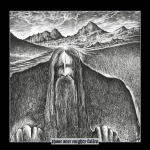
hate_forest-ildjarn-those_once_mighty_fallenHate Forest / Ildjarn – Those Once Mighty Fallen

The title on this may be ironic because it can apply only to Ildjarn, and only if the band ships something bad. This isn’t bad, but it’s an entirely different form of music. Where older Ildjarn was an idiosyncratic expression in equal parts ambient black metal, drone hardcore and forest Oi/Rac-influenced metal like Absurd, this new material is clearly designed to sound like black metal. Its songs use typical black metal intervals, develop according to the pattern, and even use vocals in the same rhythms as early Dimmu Borgir or other first-and-a-half wave bands. If you’re tuning in to Ildjarn, you expect something at least as lawless and feral as his later work on keyboards; this will be a problem for many listeners. As far as quality, it’s not bad at all and in fact is very natural-sounding, sort of like the first Dimmu Borgir or Graveland albums. Some have hypothesized that Ildjarn did not write the material, and the production changes and incorporation of additional instrumentation, in addition to the stylistic changes, suggest either a casual interest in this as a project to “stay in the game” or delegation of many musical tasks to a new team. Production sounds more recent than the early 1990s Ildjarn material. Use of background keyboards, faster bass riffing, textural discontinuities and other distinguishing effects show an interesting set of musical tools emerging, but the band may need to rediscover its voice. Hate Forest never struck me as being all that significant, but they make a very credible effort here, with production that matches the Ildjarn but is very carefully adjusted to sound as distinctive as possible. Their songs are fairly regulation black metal with an attempt to insert complex fills and transitions, and then to balance that, simplify the chorus riffs. The result is not atmospheric per se but achieves a relaxed atmosphere in which the focal point becomes the interruption, like a sunny sky with an intriguing cloud cluster. None of it is particularly distinctive but it’s not bad either. Songs maintain atmosphere well but there’s not a huge amount of development here, so the band sensibly rely on circularity to keep from appearing jagged. A rumored Ildjarn interview claims that this release was an early 1990s project between himself and Ihsahn of Emperor, which could explain the resemblance to post-Reverence Emperor material.
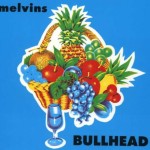
melvins-bullheadMelvins – Bullhead

Entropy embodied, this is the band that provided inspiration for Southern Lord’s entire catalogue of musical abortions. Deconstructive, linear riffs that seek to express nothing except ennui, combined with faux-crooning self-pitying lyrics ensure that this will continue to be a favorite band of mentally vacant children for decades to come. This is the mentality of grunge in a different form.
code-augur_noxCode – Augur Nox

For a brief while, power metal (speed metal w/death metal drums) looked like it would save True Metal. The problem is, however, anytime you walk back up the metal family tree, you get back toward the stuff metal was formed to run away from. As I listened to the first tracks on this, I thought, they’ve got some interesting riff ideas — let’s see how long it last — however, they sound like they want to be a rock band that’s primarily about vocal performance and personal identification with the vocalist. About half-way through the album, they shifted to tap-dance rhythm riffs and soaring vocals, the combination meaning no ideas but how to rip through some 1960s material. Eventually it got so bad it sounded like Queensryche on a bad day as a disco combo covering old CCR B-sides. If you don’t have an idea, by definition, you are an imitator recycling the old in a new form, and we have a word for that: stagnation.
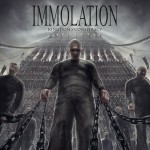
immolation-kingdom_of_conspiracyImmolation – Kingdom of Conspiracy

Continuing their decline, Immolation return to the bouncy simplicity of Harnessing Ruin, only this time they downplay the “nu” sounds and try to make it sound more aesthetically in line with their old sound. This doesn’t change it from being a predictable verse-chorus version of NYDM and shows Immolation in their most neutered form yet, trying to pander to a metalcore audience whilst retaining their trademark sound. After the last album, I reckon the only reason people see these guys tour anymore is to get a Failures for Gods longsleeve. Linear, predictable, and disappointing considering this group’s potential.
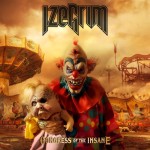
izegrim-congress_of_the_insaneIzegrim – Congress of the Insane

After a few brave people direction-find their way to a new genre, in come the people who want to partake. They often bring superior skills but they don’t understand what they’re doing. Izegrim is a fine example. It’s chanty metal. When metal gets chanty, which is the nerdy equivalent of rapping, you know that a central narrative has been replaced by adherence to appearance and where that doesn’t work, filling in the gaps with the same old stuff. While this band is instrumentally superior to your average metal band, they don’t know what to do with the odd bits and ends they’ve assembled as songs, so they tie it all together with the simplest elements possible. That meants chants, crowd-pleaser but repetitive riffs, and lots of bombast to cover up for the big void within.
nachtmystium-silencing_machineNachtmystium – Silencing Machine

When a band wishes to play black metal without embodying any of its spirit, this is what’s produced. Lethargic, tremolo-strummed droning with ANGRY MAN vocals and uninspired drumming produces an album of tracks that are indistinguishable. Albums like these would be better off as hard rock, because at their heart that is what these musicians are aiming to create…though at least it’s not as bad as the the latest Satyricon abortion.
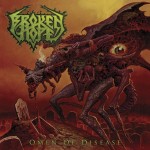
broken_hope-omen_of_diseaseBroken Hope – Omen of Disease

After failing to become “Oppressor meets Deeds of Flesh” with their last couple albums, Broken Hope return after a long hiatus and have churned out what can best be described as a Unique Leader band covering mainstream hip hop tracks in double speed. Considering their “beefs” with death metal bands and Source Awards concert turn outs, it should be no surprise that this has more in common with Tupac than it does Suffocation, approaching death metal from the same “gangster” outlook that Six Feet Under did in the 90s.
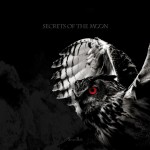
secrets_of_the_moon-seven_bellsSecrets of the Moon – Seven Bells

“Artistic” black metal, otherwise known as black metal watered down with fruity “post-rock” produces a product that is post-art. Designed for a generation that believes interrupting narration with pointless deviations is artistically viable, in form this shares for more in common with modern metal than with relevant black metal bands. Listen to this only if you enjoy consuming pumpkin spice lo-fat frappuccinos.

laibach-sLaibach – S

These three tracks — “Eurovision,” “No History” and “Resistance is Futile” — comprise 2/3 of the EP S (which can be streamed here) released in advance of the new Laibach album to show where the band is at this point. Some might think it odd to review industrial music on a metal blog, but Laibach has been supportive of metal in the past, including the notorious Morbid Angel remixes and positive statements made in public. Further, industrial and metal share a root, which is that we deny the happy vision that came about in the 1960s of love, peace and uniformity that would save us from the horrors of the modern time. Our vision is to point out that the beast is within, and as long as humans refuse to discipline their minds, they will end up re-inventing the horror, futility and self-destruction of the near past and the ancient past, before civilization evolved. Both genres also point to a path outside of what is acknowledged as “higher values” or “the right thing to do,” seeing morality as confining and misinterpreted. That being said, it seems that industrial hasn’t changed much since the EBM days of the 1980s. In fact, much as Nine Inch Nails basically made a more pop form of that genre with added guitars, Laibach have simply made a more stern form, albeit a self-mocking one. What you will find: compelling beats, blasts of static, sampled voices, a surly European-accented voice almost chewing out the lyrics in a conversational growl, and even bits of other musics woven through the material. Ultimately, what makes industrial different than metal is that it knows how to pull off a good pop song and make it sound good, even with machine-ish touches, where metal tries to make something beyond what people consider music. As a result, these songs have heavy dead-beat grooves and build up to a compelling motion. There isn’t as much internal development as metal so there’s some question of whether a metal fan would enjoy hearing these repeatedly, but it’s hard to ignore the sheer pop power and terrifying view of the world brought up by this assault of music and (if you go to the site) imagery.
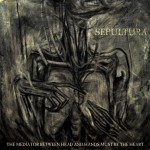
sepultura-the_mediator_between_the_head_and_hands_must_be_the_heartSepultura – The Mediator Between Head and Hands Must Be the Heart

Claiming to be inspired by the old science-fiction movie Metropolis, Sepultura collaborate with tone deaf AIDS guru Ross Robinson to create an album that, much like recent Sepultura, is high in pretension and low in musical payoff. Death metal sounds are utilized here but only serve as what sounds like Pantera or later Sacred Reich occasionally lapsing into a parody of Slowly We Rot at its simplest than anything from their 80s output. A guest appearance by Dave Lombardo doing a “tribal” drumming outro feels more like a marketing gimmick, lacking any of the imagination found in his instrumental track for Grip Inc. (incidentally, their only good song). Most of the songs devolve into effects laden meandering, which is to be expected considering the producer. Even then, nothing is gained or lost on this album. Sepultura is still like a fish out of water, churning out another vapid reiteration of their 1998 album that will piss off old fans and make no new ones.
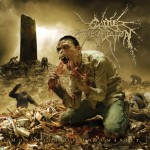
cattle_decapitation-monolith_of_inhumanityCattle Decapitation – Your Disposal

The first riff sounds like screamo, then clean vocals played over what sounds like a “post-black” abomination, then the breakdown with “eerie arpeggios”… this is metalcore. Looking past the “shocking” image stolen from early Carcass made to appeal to self-loathing Starbucks regulars, Cattle Decapitation now seem to be in direct contact with the same focus group Gojira employ when coming up with their gimmick ridden, indie rock friendly vapidity, eschewing the F-grade death/grind of their past for metalcore acceptance. Beyond the aesthetic drape of underground metal, this is nothing more than a random collage of parts “EXTREME” bands play for mainstream appeal under the pretense of having “matured” as “artists.”
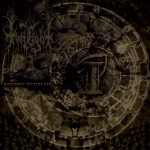
twilight-monument_to_time_endTwilight – Monument to Time End

The “supergroup” of a bunch of hipsters that convinced Thurston Moore of Sonic Youth to ruin the genre alongside them, Twilight perverts black metal by using the treble guitar tone and anguished vocal styling to dress up what is middle of the road “post-sludge”. Members pool their collective inability to write metal into one product that comes off like a brain washing tool Scion would use to convince Gojira fans to purchase SUVs, all the while looking “edgy.”
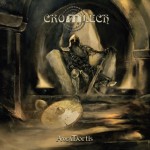
cromlech-ave_mortisCromlech – Ave Mortis

This imaginative release explores the world of Iron Maiden-tinged power metal with an epic metal mindset, preferring extensive clean vocals, lengthy melodic parts and high-speed pickup riffs of the Maiden style. However, it also works in a fair amount of newer technique, sounding sometimes at the edge of later At the Gates. This is interesting material and an ambitious offering. However, this band has a few things it needs to work on. First, the vocalist is too present both in the composition and the approach to songwriting, and needs to go back to being one of the instruments. Second, this CD weighs in at 1:10 and is a B- album at that length, where if they boiled it down to 35 minutes would be closer to an A. (Note to bands: if you can’t listen to your own CD, while doing nothing else, on repeat for several times in a row, make changes). It has genre confusion problems that need to be resolved by getting more comfortable with its own style. Finally, Cromlech should learn from Iron Maiden and focus on making song structures clear: one intro, a theme, a countertheme, and some kind of developmental area where the melody grows before returning to the more predictable parts of songs. This is about their approach anyway, but it’s muddled by uneven application of technique. In addition, it wouldn’t kill them to look through for repetitive themes and excise or consolidate them. All in all, a great first effort, and I tack on all these suggestions because starting bands often need a push to fully develop.
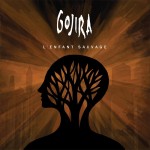
gojira-l_enfant_sauvageGojira – L’enfant sauvage

The biggest sham in metal to this day. Being a propaganda tool used by hippies to turn metal into rock music, Gojira continue what they’ve done since the beginning: making “heavy” parts out of rhythmic chugging with pick scraping sounds before playing “soft” parts that sound lifted from A Perfect Circle. Rock made for angry menstruating Deepak Chopra reading faux-guru hippies. Add the cringe worthy “deep” lyrics and it’s no wonder people thought the world was going to end in 2012 when both this album came out and a new record was set the world over in dolphins beaching themselves.

12 Comments

Tags: , , , , , , , , , , , , , , , , , , , , , , , , ,

Merciless Reviews 10-18-13

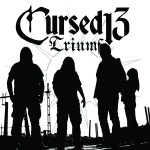
cursed_13-triumfCursed 13 – Triumf

At some point, every artist must ask themselves who their audience is. For some, it’s the inexperienced. Cursed 13 would be OK as your first metal band, the one you listen to and swear is really cool and then you get distracted by something like a fishing trip and when you come back you just forget to listen to it ever again. This is metalcore: it uses late hardcore pacing, emphasizes the vocalist as the individual listener, keeps a groove to its riffs and uses them as contrast rather than motifs. No narrative evolves from this. It’s verse-chorus in the minor key bittersweet sounds of indie rock, but with death metal vocals and heavy distortion. Why not just be a shoegaze band instead? That way, at least you’d be aesthetically pleasant. As it is, this is just boring.


vaeseleth-crypt_born_and_tethered_to_ruinVasaeleth – Crypt Born & Tethered to Ruin

Marshal McLuhan said that in our postmodern time, the medium is the message. To a large degree that’s true, and sometimes you just want old school death metal to blast at the neighbors to fly the flag of an eternal truth discovered with particular insight during the underground days. However, Vasaeleth is something boring. They rely on very primitive riffs in very predictable ways, which doesn’t create the awesome assault of randomness or idiosyncrasy that many old school bands fostered, but instead a sense of plodding. We know, for example, that a riff designed to emulate old Demoncy and Incantation will cycle between two chords, and Vasaeleth have picked two a third or a fifth apart, and beyond that the riff is essentially an extended chromatic fill. Because it is so focused on upholding the past, it loses much of the ability to use that chromatic fill toward a phrasal end, so we hear the thudding drums alternating between two chords with some guitar stuff fuzzing around in-between. It’s a shame; I like this, and I’d like to really like it, but it’s getting filed with Mortician and Six Feet Under as too musically obvious to stand up to repeated listening.


corrections_house-last_city_zeroCorrections House – Last City Zero

Everybody’s jumping on the doom metal bandwagon. The metalcore bandwagon popped a spoke, then the retro wagon hit a pothole and the stoner doom/sludge bandwagon got stopped by small town police. What’s left? Take the exact same watered-down 1980s-indie/1980s-late-hardcore mix and turn it into doom metal. Corrections House is basically rock with some doom riffs, a whole lot of Gothic atmosphere and an energetic punk vibe, but wrapped around the exact same songs they would have puked out as an indie-rock, alternative-rock, post-metal, etc. etc. all these genres are the same, etc. band. What they do well is make doomish metal catchy by letting the aforementioned Gothic elements ride over everything else. If you ever wondered with a Paradise Lost/Type O Negative crossover would sound like, here’s your answer.


urna-mors_principium_estUrna – Mors Principium Est

This is a band playing a psychedelic hybrid with funeral doom, using extensive variety of riffs within their songs, but shying away from the metal style of riffcraft for a more static style. This approach, like Djent or many Nile tracks, relies less on creating riff phrases than to use rhythm to chop up a few chords into an interesting texture. Here, the texture is less important than using the chords to sketch out a basic progression for harmonizing, and while many of these progressions are doomy most show some influence by indie rock and approximate a cross between Skepticism, My Bloody Valentine and Catherine Wheel. The result is sensitive and has depth, just as its riffs develop a theme, but it is ultimately not convincing beyond aesthetics and so will not stand out as a classic of this genre.

http://www.youtube.com/watch?v=F6nR2sFHRqQ


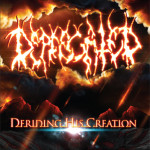
Deriding 2013 Sleeve CoversDeprecated – Deriding His Creation

If you want to talk about a band that brings out mixed emotions, Deprecated is it. Listen to my two-word assessment: excellent deathgrind. That means this is excellent, but also, that it’s deathgrind. You can’t have one without the other. Thus we have to talk about deathgrind. Death metal focuses on the relationship between riffs; deathgrind focuses on forcing the listener into a strict rhythmic pattern and making them expect the consistency of it so it can be fragment. It’s sort of like Stalinist propaganda; you’re supposed to chant “All Glory to Mother HypnoRussia!” until the officials in charge announce that something has gone wrong, at which point you must call for the blood of Emmanuel Goldstein or Julian Assange or whoever else is the official enemy that afternoon. The result is that deathgrind is excruciating at least for this music-reviewer to listen to. For one thing, all the neat interplay between riffs that changed the context of choruses is gone; instead, the verse builds up a rhythm and the chorus breaks it, then affirms it. And the rhythms are brutally basic, very familiar in that we could assign them to common tasks: chopping wood, loosening the transmission case, beating a recalcitrant child, etc. Add to that the detuned chromatic “first five” use of the fretboard, and the result sounds like listening to “America’s Best Landslides” on an old TV with blown speakers. It’s good, but I really hate this style and can’t get past that.


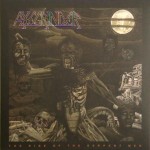
axegrinder-rise_of_the_serpent_menAxegrinder – Rise of the Serpent Men

I thoroughly enjoyed this release but, as with much of punk, wonder how often I would repeat listen. Axegrinder is like a cross between later Amebix and earlier Amebix, so it has the rawness of Arise! with the more comfortable song structures of Monolith. The best way to describe Rise of the Serpent Men is accommodating. It has all the aesthetic elements of crustcore that we’ve come to expect, uses very familiar chord progressions in slightly unusual ways, and has a good sense of rhythm. Each song is reasonable distinct and very listenable. The only challenge is whether that’s enough to get over the boredom valley.


baptists-bushcraftBaptists – Bushcraft

Sounding very much like late-1980s hardcore with the precision techniques that came about in the 1990s, Bushcraft is a punk album that mixes raw riffs with quirky dissonant hooks and open chords. The result is a ranting tirade that ends in an ornament and thus sticks in your mind like a pop song, such that you don’t notice how much of this is three-chord riffs under ranting vocals. It’s well-executed but sounds like many other bands and despite the high degree of instrumentalism, doesn’t manage anything more compelling than hook.


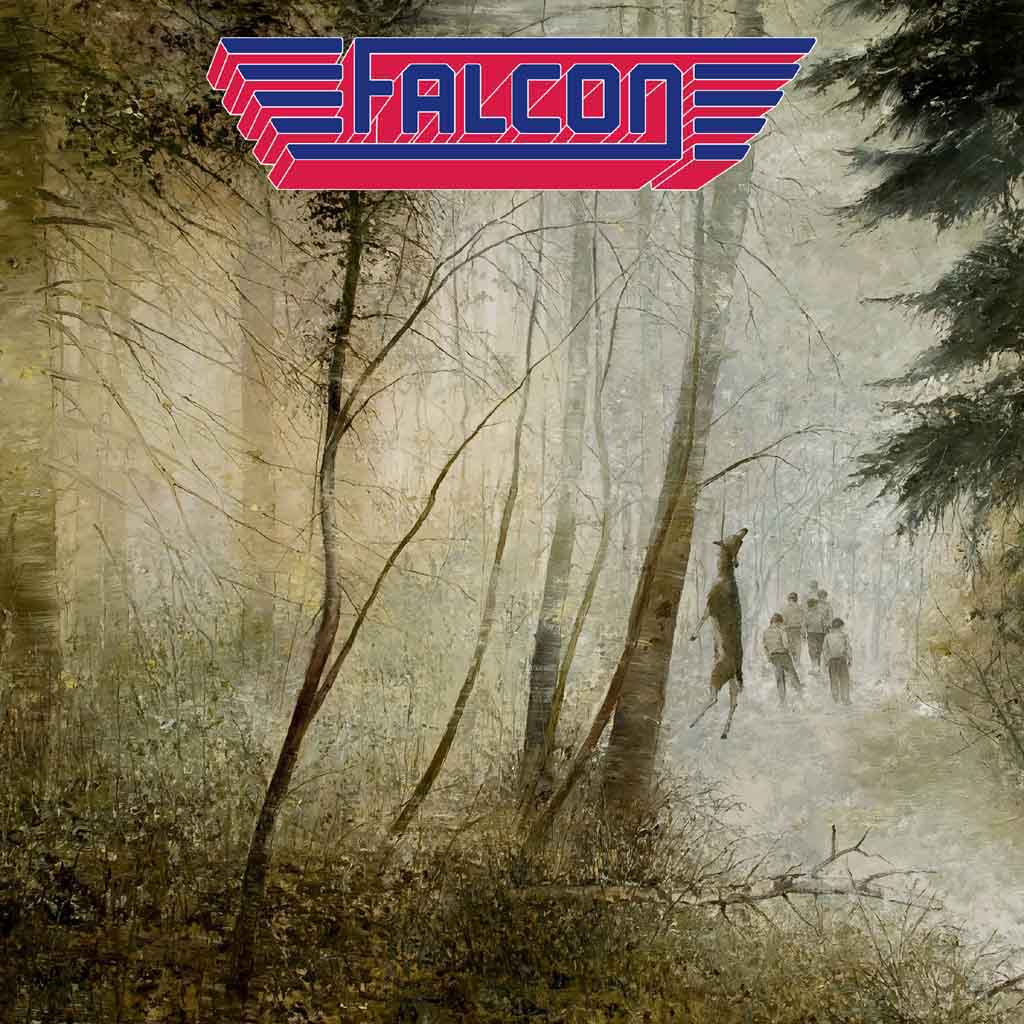
Falcon – Frontier

Whether ironic or not, this band is pure retro, combining 1970s progressive rock, hard rock, album-oriented-rock, soft rock and music you would hear at a skating rink. Falcon have no intent to make unique riffs, but rather to borrow riffs, rhythms and conventions and use them to cloak new songs which have more in common with the independent alternative rock of the early 2000s. They’re bittersweet, lost and melancholic songs, full of longing and insecurity with a vast backdrop of sadness at a civilization disintegration from within. If you have ever looked at younger people and spared them a moment of compassion for how lost in nostalgia and emotion they are, this music puts a soundtrack to that feeling. It also pumps out high-energy songs that are distinctive and highly listenable. The only thing that keeps me from listening to this again is that I hate the style, but it’s more competent than 99% of metal and far more musical.


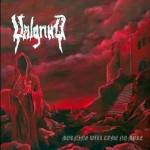
valgrind-morning_will_come_no_moreValgrind – Morning Will Come No More

How you approach a project determines much of the outcome. In this case, the band wanted to entertain, so they made songs with lots of variation, and sacrificed internal cohesion to that aesthetic ideal. The result is like riding a subway through a dream where it stops at random cities where people do random things, and at the end of the line, you remember nothing other than that it took some time. Valgrind have a number of tasty riffs, but inevitably they clown those by following up with chanty nu-core vocals, sweeping jingle-riffs, or comical absurdities of hard rock riffs taken to an extreme. You can appreciate any moment of this album, but when you add it up, it’s not something you want to hear again.


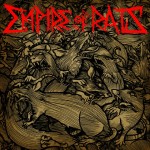
empire_of_rats-empire_of_ratsEmpire of Rats – Empire of Rats

Did you ever wonder about the reason they had warning stickers telling you not to drink the rat poison, etching fluid or platen cleaner? That’s because some kids would chug it right on down without sniffing it first, or even wondering why anyone would drink something from a filthy bottle under the sink. The point of that factoid is that everyone needs different music. Empire of Rats is metalcore from the 1980s definition which means that it uses punk riffs with metal pacing and standoffish vocal rhythms in the style of Pantera or other hip-hop influenced bands. Thus what you have is good hardcore with the worst stylistic aspects of tough guy mainstream metal and punk. On numerous moments, I wanted to like this, but it wore me down through simple loudness and simple dumbness, much the way no amount of Fer-Dime’s candybag leads could sweeten up the fundamental skull-throbbing monotony of Pantera.

2 Comments

Tags: , ,

Ildjarn – Seven Harmonies of Unknown Truths re-issue

ildjarn-seven_harmonies_of_unknown_truthsLike thrash bands of the 1980s or the first two Napalm Death EPs, Ildjarn is often first mistaken for a novelty for its short and seemingly irrational songs. What exists under the skin is a complex outlook toward the world distilled into a simple naturalism.

Much like the techno, oi and black metal that these songs derive inspiration from, Ildjarn is a visceral emotion: its songs are not so much concepts, as emotional concepts created from the application of intellect to real-world problems. This is not theory; it’s application. However, it exists in small fragments that appear irrational to us because they are beyond the human perspective, as if spoken by the voices of nature themselves.

Seven Harmonies of Unknown Truths is an early Ildjarn demo that has appeared in fragmentary form on several other recordings, but never in full. Eisenwald Records has re-released the demo on CD and LP with new artwork.

Released on September 23, 2013, the new edition is properly balanced but not remastered or cleaned up for the authentic “period” sound. Pre-orders come with a free poster of the cover art and an ILDJARN sticker. It is gratifying to see interest in this band resuming again after a short periodic absence, as has occurred wavelike since the founding of the band.

1 Comment

Tags: , ,

Exhumer releases Degraded by Sepsis and embarks on European tour

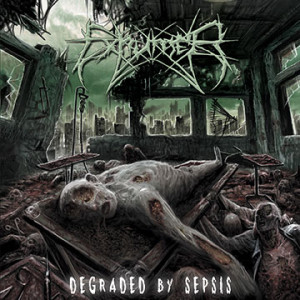
exhumer-degraded_by_sepsisExhumer will release their second album Degraded by Sepsis on October 15, 2013 through Comatose Music. The Italian deathgrind band embarks on a full European tour with Psycroptic, Hour of Penance and Dyscarnate starting this Friday. Tour dates follow.

Degraded by Sepsis presents an efficient and well-executed take on standard deathgrind. Guttural blasting abounds, underscored with melody, emphasizing a buildup to a vocal and percussion tirade that brings the song to its peak. Song development is minimal and mostly verse-chorus.

While this may not win any points with those who demand innovation and profundity, Exhumer’s second work shows us material that is deliberate, with no extraneous parts hanging around like at a poorly-cleaned morgue, and tasteful in that all pieces fit together and the song experience as a whole is enjoyable.

Psycroptic, Hour of Penance, Dyscarnate and Exhumer European Tour 2013

 
September 20 Aarshot, Belgium JC De Klinker
September 21 Essen, Germany Turock
September 22 London UK Electrowerkz
September 23 Dublin, Ireland The Pint
September 24 Glasgow, UK Ivory Blacks
September 25 Cardiff, UK Bogiez Rock Club
September 26 Margate, UK Westcoast
September 27 Paris, France Glazart
September 28 Lausanne, Switzerland Metal Assault Festival
September 29 Zurich, Switzerland Planet 5
September 30 Munich, Germany Feierwerk Kranhalle
October 1 Kosice, Slovakia Collosseum
October 2 Ostrava, Czech Rep Barrack Music Club
October 4 Rotterdam, Netherlands Baroeg
October 5 Copenhagen, Denmark Beta
1 Comment

Tags: ,

Empyrium Into the Pantheon DVD and documentary to be released on September 24, 2013

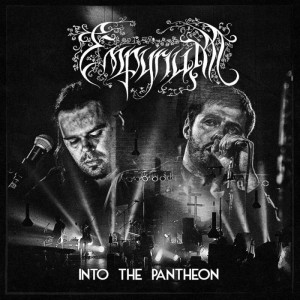
empyrium-into_the_pantheonCult doom metal/goth band Empyrium plan to release their new DVD, Into the Pantheon, on September 24, 2013 through Prophecy Productions. At the same time, the band will release a documentary on the making of Into the Pantheon.

Following in the footsteps of Paradise Lost and My Dying Bride but at a pace more familiar to funeral doom fans, Empyrium have gained a cult following through their melodic doom metal that uses tropes from Gothic music as well as extensive clean vocals and orchestral instruments like violin and cello.

On Into the Pantheon, you will see the band present an hour and a half of live material featuring live musicians playing those orchestral instruments alongside guitars, keyboards, bass, vocals and drums in the traditional metal style. While this is slower-paced and more elegant than much of metal, it preserves the doom metal atmosphere of melancholic and bereft moribund moods.

In addition, the band will release an hour-long documentary about the making of the live show and the band and its attitudes toward life, death and everything in-between, which will answer many of the questions of the die-hard fan. This band is highly secretive, and does not give interviews, so even a concert was a rare event. This DVD chronicles the band’s first live concert ever.

Some have described Empyrium as taking a power metal attitude to doom metal, and much of what you see here will fit that description. Musicianship is excellent, professional standards are upheld, and the music while emotional and dark is also quite accessible. For more information, see the label page.

4 Comments

Witchblood – Witchblood EP

witchblood-witchblood_epFor the past eighteen years, it has been clear that for black metal and death metal to survive, they must do more than imitate the past. In other words, it’s time to get weird. There are many avenues to explore but few trust the audience to understand and so the majority spend their time making fifth-generation copies of bands whose ideas have long been forgotten and who exist now only as aesthetic “brands.”

Witchblood shows us a band attempting to create something new within the weird side of black metal. Hybridized with heavy and power metal, Witchblood fits into that territory inhabited by bands as diverse as Gehenna and Absurd which lets the weird side of metal through. It embraces that which polite society normally finds difficult, which is uninhibited emotion and fascination with the natural, which means this music is less manipulative and more sentimental than the norm. This gives it both a cryptic energy and an endearing personality.

Much like Absurd, parts of this are “immature,” meaning that in their guileless state they lack the focus on surface appearance that we have come to expect, and in their raw exuberance they resemble the musings more of a child than an adult. However, there is nothing uncoordinated about the result. Unlike most bands, Witchblood like to edit their material down to the point where every part serves a role, which means it is slightly more repetitive but the parts work together to produce a gestalt of emotion.

This EP will not be for everyone, in particular the more recent types who like slick alternative rock style “mixed emotions” aesthetic draped over their music, but Witchblood will appeal to those who like a good heavy metal tune with black metal style and power metal energy. Some will find the background vocals, which are either clean or war-whooped in the best primitive style or clean vocals that shadow the rasp and give it fullness, to be disturbing but this reviewer found that after a few listens they integrated well with the sound.

Instrumentally this band acquits itself well despite using relatively simple elements and riffing off known styles from Burzum and Dissection as well as some of the vivid gestures and grandiose ballad-like tendencies of epic heavy metal bands. In particular, drumming echoes the riffing but does so unobtrusively while still providing the emphasis where it is needed. Guitars are often reminiscent of primitive bands like Ungod and Absurd, but just as much at home with Dio-era grandeur.

Witchblood are relative newcomers into a genre overflowing with imitators of the past. This band is trying to keep that spirit, but convey it in a new form, in part by escaping the slickness that becomes easy once a style is well known. In short, it’s a return to the “Wild West” days of black metal before the professionals took over and turned it into the same old thing everyone else is doing. For that reason, this band is worth a first listen, and maybe at that point, the vulnerable and feral sides will make a convincing argument for Witchblood.

Order Witchblood through the Witchblood e-store.

5 Comments

Tags: , ,

Thrones of Heresy – Realms of Desecration

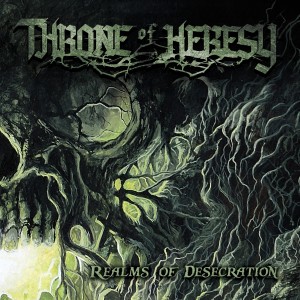
thrones_of_heresy-realms_of_desecrationThe existence of modern death metal — the merging of multiple genres together and slapping the veneer of death metal over it should result in a product that does not appeal to any of the fans of the individual genres, as they will always have purer distillations of each type of metal available — fascinates me. Nevertheless, the genre exists and is evidently quite popular with someone, as numerous bands in the genre arise all the time and reach some measure of success.

Throne of Heresy is such a band, and is an able defender of this type of composition: any type of metal that has been popular over the past two decades is thrown into a blender and the result is a competent but stylistically confused product. Each section of the tracks is well-composed and well executed , though what’s lacking is any sense of purpose or meaning. The progenitors of each style of metal represented here had an intention behind their work, a desire to create art that is conspicuously absent on this EP.

Featuring a decidedly verse-chorus structure, the songs consist of tonally ambiguous palm-muted riffs morphing into admittedly catchy choruses that give way to whatever School of Metal technique is the flavor of the day: it could be a “melodic” solo, an awkward semi-clean breakdown, or perhaps even a key change. What makes these sectional divides even more jarring is that there is very little in the song to indicate when they are occurring, or indeed why they are occurring.

This is not to give the impression that there is nothing of merit occurring: the vocals on the whole are solid death metal belts, though on times they do take on the angry for the sake of being angry tinge that is ingrained in modern metal. Each of the instruments is composed and played well, but the lack of intention or drive that so characterizes modern metal creates an obstacle that cannot be overcome.

It seems to me that bands such as this are suffering from an identity crisis: they are trying to appeal to fans of every genre of metal. While this may be a sound financial decision, it is not a good artistic decision, which is a shame as there is definitely a core of talent to be explored here.

3 Comments

Tags: , ,

Maryland Deathfest 2013

bolt_thrower

With over 70 bands playing four stages in total, Maryland Deathfest has become one of the biggest meetings of metalheads in the US, and it will only get bigger from here on, as the organizers possibly look to cash in on years of service. One only hopes they don’t sacrifice quality in the choice of bands to achieve it, though this year is touch and go. Giving relative unknowns a chance is one thing, promoting mega-bands past their prime or not worth your time is another, though overall it’s a worthwhile four day fest for those who enjoy metal and musicality.

Thursday May 23

The almighty Bolt Thrower was the only reason why the first day of the festival was sold out months in advance. This reviewer also caught sight of Abigail, who one astute festival-goer described as a sideshow Venom/Bathory rip off, though they’re more honest than Cobalt, who play an uncomfortable mix of styles from metalcore to prog-metal to post-metal while attempting to borrow a black metal feel and atmosphere.

Bolt Thrower

Bolt Thrower rarely disappoints, in your CD player or in concert, hence the hivemind excitement and anticipation generated for what to worn eyes must be just another routine appearance in the United States. What is standard is the playlist offered, which is a mix favoring their more ear/crowd pleasing but less inspired later albums. The intent for passion in live performance is still there, only unrelenting socioeconomic pressures get in the way of conveying a totality in epic experience. What we get instead is war metal presented as a theme, with half of the set songs embodying the essence of war more forcefully than the rest. Bolt Thrower up to For Victory… is a progressive evolution from classic grindcore to a peak in the unique and balanced style that stands as testament to the band’s contribution to metal. This is the half that works, and works well, especially in the enclosed “metal tent” setting preferred by these UK legends. After that album they went wayward into non-threatening, passthe-time music, so while it helps to have party music for a live show, the experience is diluted, i.e. not “pure,” but still invigorating and appreciated.

Friday May 24

Credit the organizers for knowing their grindcore and knowing their customers, giving them on day two a mini grind feast that gets the blood pumping and ready for infusion with gore and horror.

repulsion

Repulsion

A comedian vocalist and groupies on stage were employed to keep us entertained between songs as Repulsion, a pair of “fucking old” dudes and a drummer from Criton, ripped through a set of the original™ grindcore that helped define the genre. In truth, this band set the tone and standard for the festival, showing the usual pretenders and prospectives the meaning of grind and the spirit of metal. What is not mentioned often enough in metal is that it is a smashing of ego, which includes all posturing, to see the details of reality for what they are, gory as they may be. This for me is what Repulsion’s seminal 1986 offering Horrified represents and exemplifies, and what this performance more or less achieves, peering at an extra layer of detail that even thrash couldn’t stomach, exploring it in closer to death metal riff form. As an expressive effect of the songs themselves, the physicality of performance (while in a manner appearing more punk-hardcore than grindcore) is a burst of energy that is age defiant while maintaining that nonchalant approach to technicality (though technically sound). To boot, this trio appear as clean-cut, overgrown miscreant types and of note is the popularity of this band, pulling almost as big a crowd as Carcass later this evening. Also played was a cover of Schizo from all time veteran purveyors of satanic imagery Venom.

Pig Destroyer

Right out the starting blocks these fellows made a huge noise appropriate to stir up chaos in the pit, playing a boil of randomness that has its moments but is overall a mess, veering more to deathcore or newer Cryptopsy than early Brutal Truth. Adding depth of timbre to the metalcore vocals won’t hurt.

Righteous Pigs

Mitch Harris from Napalm Death is the standout performer for this quartet who are equal parts speed and grind. His trademark scrowl is matched by intensity in characterization, facial figures of torment and black eyes serving as portals to the abyss. A thoroughly enjoyable set from one of those late 80s/early 90s bands that showed promise but then lost momentum and faded.

carcass

Carcass

When a band comes out of retirement, there should be a community of independently like-minded individuals who question their motivations, forcing the band members themselves to introspect honestly, instead of only appearing to do so. Not many people will admit that after Symphonies of Sickness this band’s career took a drastic trip south in quality in terms of existential seriousness, in fact becoming a milquetoast series of affairs. The mixing engineer did these veterans no favours, but they were doomed from the start to show a huge audience a good time with what turned out to be a performance bereft of soul and even shaky technique as Jeff Walker struggles through his more demanding vocal sections. Personally, this reviewer enjoys on a musical level a great deal of this cheesy porridge, but evidence of this showing is that the forthcoming release will not be worth the time for anyone looking for engagement with any offering containing artistic integrity.

“Suck a new dick.” -Scott Carlson, Repulsion

Regrettably missed: Benediction, Convulse

Saturday May 25

antaeus

Antaeus

As if wary of burn out, Antaeus temper the reckless excess of past live appearances while still managing to engender a metonymy of Satanic Khaos. The serpent, headed by venomous MkM, terminated by the tail-whip of ceremonial percussion, disseminating hateful sermons of sin and sacrifice unto the gathered black mass of devotees who subsume it gladly into bodily rite like wicked creatures unsatisfied with humble supplication. An incarnation of the underworld serving as liminal barrier to the state of silence left when furious life expires. Impressive as ever, frontman MkM refuses to allow stage presence to slip into merely sufficient professionalism, augmenting the latter with evocations of genuine misanthropic disdain. The next hope for this band is that they take this approach to the studio and make something with the same attitude that gave us their 2000 full-length debut.

Regrettably missed: Anhedonist, Aosoth

MkM with Aosoth

Sunday May 26

Cruciamentum

One of the few post-2005 black death metal bands who know how to build mood intensity while maintaining a firm grasp on structure, what I love about this band is that like the best metal of the 80s and 90s songs sound like the subject matter described in the lyrics, and these point to a will to higher forms of life.

Manilla Road

These guys kick off the heavy metal fare for the final day of the fest with probably the most musically aware performance in comparison to the “sludgers” and “stoners” on show like Sleep. This is probably power metal at its best, though it could also be Iron Maiden/Angel Witch rip-off with touches of early speed metal.

pentagram

Pentagram

If you’re looking for doom metal you’ll have more luck with Saint Vitus or Black Sabbath, while the stage antics from decrepit scarecrow Bobby Liebling are entertaining all the same. I must be wrong as this heavy metal crew are widely credited as forerunners to the style, but their contribution above Sabbath seems to be more focus on playing lower in the register while chord/note progression is still “safe”. It just ain’t that heavy in an existential sense, songs are about doom but don’t sound like doom, relegating this band to historical/academic interest.

Regrettably missed: Venom, Carpathian Forest (canceled)

All pictures courtesy Sabrina Ellis and Jaqueline Meraz.

aosoth

4 Comments

Tags: , , ,

Interview: Põhjast

põhjast_logo

Having discovered Põhjast recently, the DeathMetal.org team was psyched at this chance to interview Eric Syre (vocals) and Gates (guitar) of this energetic new band.

Combining the atmosphere of black metal with the speed and riffing of old school doom metal, Põhjast revive the classic metal vibe as hybridized with the adventurous and somewhat darker spirit of the northern styles. The result is both satisfying to anyone who enjoys Angel Witch or Candlemass, but might also appeal to those who keep old Darkthrone and Immortal on hand for daily listening.

The result is a band that avoids the retro backward-looking sensation of many recent releases, but also bypasses the intellectual forgery that is the assumption that making Sonic Youth ripoff albums with black metal logos is somehow a motion “forward.” You’ll be hearing more of them and their energetic vocalist Eric Syre, who channels three decades of metal talent into a single voice…

When did you discover you had a talent for classic metal vocals? How did you form the understanding of melody and sonic topography that guides these vocals? Who were your influences? Why haven’t we heard this voice before?

I have always been into clean signing and started as a singer in a rock band back in the early 90s. I also did some choir work for different projects in the past. When the time came for me to start my own bands I just ventured into heavier music and adapted my vocals to it. I have very little musical training so I work a lot with instinct and feeling, improvising vocal lines first and then reworking them with a keyboard or an acoustic guitar to make them musically “right.” I try to stay away from copying the riffs I sing over and come up with a melody standing on its own. It complements the music a lot better and expands the palette of feelings the whole song has to offer.

As far as influences, I always liked singers who had some grain to their voices, not the perfect-sounding ones. I have a baritone/bass range and I guess that naturally I prefer singers close that range. I have always been into Bathory and Candlemass so I guess you can find traces of both Quorthon and Messiah in my vocals. Bruce Dickinson remains the ultimate clean vocalist in the metal genre, for me. Dio and Gillan are also vocalists I have high esteem for. I also like the octavists singers. They are out of my range but I admire the power and resonance of their voices.

Tell me about how Põhjast came to be. I am told that the band is scattered across the globe, and you collaborate remotely. How do you do this?

We are scattered here and there, both in Europe and America. I am located in Quebec, Canada. With the technology which revolutionized the recording process in the last decade, it became a lot easier to have such a band. They record the music in Estonia and I do my parts here. We exchange emails and samples and, like in any normal band, we come to a conclusion where everything pleases us enough to release the music. It just requires a bit more time and technicalities. I sometimes miss the whole “rehearsal room feeling” but so far it’s the only way to make it work.

What style of music would you describe Matused as being, and how does it differ from previous Põhjast work? Can you tell us what “Matused” and “Põhjast” mean in Estonian? Does the band have any influences, and do they show on this album?

This new album is a good follow-up to the previous one Thou strong, Stern Death, released in 2012. It has some doomier elements, a little more classic Heavy Metal to it and the references to Bathory are present more than ever. To me it sounds like Scandinavian/Baltic Metal should sound; It’s heavy, cold and pounding. If I am not mistaken, “Matused” means “funerals.” It obviously refers to the lyrics of all songs. “Põhjast” means “north,” or at least that’s the understanding I have of the word. I speak French so you can understand my limits with Estonian.

Maybe Gates (guitars) can elaborate a bit more:

Exactly, Eric is right: “Matused” means funerals in Estonian and the name of the album is connetected with the album lyrics. The name of the project — Põhjast — means both the direction of North and the base or foundation of something — a revival, the end of something old and the birth of something new. Therefore the name has a much deeper meaning, at least for me, than just a mere name of a band.

Definitely the project has its own influencers. I personally have been greatly influenced by such persons as Quorthon and Abbath. Both have paved the way to extraordinary music styles. May these be black metal or viking metal, there’s no difference – everyone who have heard their creation can admit that the music is special and that they have not heard anything like this before.

I am not inspired only by their music. I find their healthy sense of humor and attitude towards life inspiring as well. I have always enjoyed the interviews of Abbath — his interviews from 1991 in Septicore and in 2007 in Inferno are both equally pure gold to me.

However, if I should still generalize, then the music of Põhjast can be categorized under Scandinavian Metal — one can certainly detect similarities to Oz, Bathory, Immortal, Morgana Lefay and Candlemass.

Do you think the “true” styles of metal are experiencing a resurgence? If so, why? Is Põhjast part of this, or building on what it has done? If the latter, where do you think your music is going, both stylistically and in terms of content?

I don’t think Põhjast is part of anything. The music stands on its own on among a well-established tradition of European Metal. You can hear traces of classic metal, probably due to my vocal approach. I do not want to link what we do with any of the current “retro” or “true” trends. If there is a resurgence of classic metal it’s probably due to the fact that what’s current isn’t that interesting for the record-buying public. I am just back from the Maryland Deathfest and I can tell you that the people attending there longed for good old heavy music. Most of the acts there either disbanded years ago and reformed recently or were directly linked or influenced older waves of metal.

I agree with Eric — Põhjast is not trying to follow trends.

I personally do not listen to a very wide variey of stuff – I listen the things that I used to listen to in my “youth”, be that either Bathory or The Smiths. I have never had an ambition to “invent a bicycle”. I have always wished to create the music that I admire. I wouldn’t call it plagiarism, rather as a bow and a hommage towards the musicians I admire, hoping that the music we make is worthy enough. If not, let it sink into the obscurity of ages…

When you sing, how do you pick the notes and textures you use? How much of it is based on the music as written, and how much is your own interpretation of where it should go? Are the rest of Põhjast flexible about giving you space to create?

In Põhjast, everything is already written and recorded before I even start working on the vocals. I work on finished songs so I need to adjust everything I do to the reference files I get. I usually start improvising vocal lines and then refine everything using keyboards or classical guitars as guidelines. I try to have everything in tune but also keep a lot of notes “on the edge,” if you know what I mean. Quorthon used to do that a lot (voluntarily or not) and I like that. It’s important for me to write according to my vocal range but I also try my best to fit the vocals with the mood of the songs. This is the highest in pitch I ever went on a record so far as I am more of a baritone/bass singer. It’s a good thing to have completed songs to work over as I can get the whole feel of it a lot better. Sometimes I hit a wall trying to fit in patterns and melodies as the lyrics are also completed. It’s a maze I come out of with time and a lot of demo recordings. I get total creative freedom from the rest of the band and I truly appreciate that. They trust me a lot as they rarely or never hear anything up until I send them all the vocal tracks at once.

What do you think makes a good metal band? Is there an outlook, content or stylistic direction that is uniquely “metal”? Can this be lost such that a band could use metal riffs, techniques, etc. and still not be metal?

If you keep aside the usual instrumentation (guitars, bass, drums, vocals), metal has this abrasiveness and weight you rarely find in other genres. Heaviness isn’t all about tuning down and playing loud, it has a lot to do with the whole package built around the music, the themes, the vocals and even the artwork. Metal is this visceral manifestation of the darker side of human nature trough music built around riffs played on electric guitars and accompanied by pounding drums and intense vocals. It requires passion and dedication to make it sound right and it’s no wonder enthusiasts of the genre smells the fake ones miles away. Listen to Front Line Assembly’s Millenium or Skinny Puppy’s The Process to see if using metal riffs automatically makes metal music. I like those albums but they’re definitely not Metal.

Why do you think that black metal (which seems to be a partial influence on Põhjast) exploded as it did? Was there a mental state required to bring it about? Or was it all just music?

I like to think that there has to be more than just the music. The innovators of the genre believed in more than just “music,” at least when they began. A lot of death metal bands were just into it for the music and you see where the genre ended in the late 90s. The same happened with black metal with the turn of the millennium. You can’t get great art from trend-aspiring musicians writing typical riffs. Black metal exploded because it was the latest genre representing integrity and involvement transcending creation. It looked and sounded fierce and the leading figures behind the genre made everyone feel like they meant it. Some truly did and some didn’t, as history proved to us. The metal scene needed this level of “involvement” after the debacle of death metal. It still does today, now that most genre has been swallowed by the mainstream. Doom metal is the current trend and I never expected it to be…

I think also that there should be more than music – why not friendship? I believe that for example The Smiths might as well never have been, if Mr. Marr and Mr. Morrissey had not met… or Abbath and Demonaz.

How was this album recorded? Did you use a studio, and if so, which ones? Did you have any idea of what the final product was going to sound like when you did the vocals?

I will let Gates answer parts of this question:

Both Põhjast albums are recorded in Estonia, in Roundsound professional studio under the baton of Keijo Koppel. Cooperation with Keijo has been very productive and we hope that it will continue, as there are more Põhjast records on the way. I personally have had a very concrete idea about the material until Eric comes along :)

As for the vocals, everything was written and recorded so, yes, I had a good idea of where I was heading with the vocals.

What’s next for Põhjast? Will you all unite somewhere to tour, or continue recording? Do you have a label for Matused? Was this a recent signing?

I will let Gates answer this question:

We thought that Põhjast would always remain a studio project. But we have to probably eat our own words, since, if everything goes according to the plan, Põhjast can be seen already in summer 2014! At the moment we are looking for a worthy record company, with whom we could develop an effective cooperation.

If people like Matused, where should they next turn for more Põhjast or related acts?

People can check our previous album Thou strong, Stern Death (Spinefarm, 2012) — www.pohjast.com They can also check our other bands: Metsatöll, Sorts, Barren Earth, Rytmihäiriö, Ajattara, Beast Within and Thesyre.

Thanks a lot for your support and involvement. It’s appreciated!

Põhjast
Eric Syre – vocals
Gates – guitars
Vesa Wahlroos – bass
Marko Atso – drums

2 Comments

Tags: , , ,

Burial Vault – Incendium

burial_vault-incendiumMaking melodic death metal proves more difficult than it might seem at first. The constant use of any technique brings new challenges in how to keep it from being overwhelming. And when that technique makes everything sound “good,” the tendency is reduce music to a wash of harmony which then loses all features.

Burial Vault attack this style with a radical idea: riffs should fit together instead of dramatically constrasting each other every time. Incendium does not make the listener feel like the center of attention as much as your average modern metal band, but by fitting together the circuitry of riffs into clear pathways, it creates an aesthetic appeal and a sense of balance. Like some of the best melodic death metal from the last generation, it washes over the listener like a tangible form of light, and immerses them in the mood of anticipating a wash of beauty. Guitar fireworks glisten in each one of these well-crafted but deliberately honed down and almost mnemonic riffs.

Compared to its peers in the melodic metal world, Incendium sounds less polished but more constructed and as a result is easier to distinguish from the background hum of popular metal. Most “melodic death metal” at this point is essentially a grab-bag of Halloween candy riffs, mixing the horror movie “Monster Coming Down the Stairs” riffs with Iron Maiden styled galloping riffs and glistening, Dissection-inspired riffs reminiscent of transcendence in darkness. It is less so here; these are riffs which fit together in a slightly blocky construction, but give you an idea of where they’re going.

If anything, Burial Vault need to concentrate on style. It experiments with clean vocals, power metal, hard rock, death metal and alternative rock. The “yelling until I’m out of breath” style beat-leading metalcorish vocals don’t fit with the rest, which could use a stronger and honestly more emotional vocal delivery; the metalcore style only does one emotion, and it’s probably an emotion felt by nothing but automatic coffee dispenser machines. It needs to find its own voice. In the meantime, Incendium gives a clearer vision of how melodic death metal riffs can be more than isolated, vanishing moments of beauty in a sea of chaos.

6 Comments

Tags: ,

Classic reviews:
A B C D E F G H I J K L M N O P Q R S T U V W X Y Z