Sadistic Metal Reviews 05-19-14

heavy_metal_ruined_my_life

What are Sadistic Metal Reviews? We enforce the reality the metal community runs in fear from: music can be judged objectively, but most people “prefer” junk. They want their music to make them look cool to their nitwit social groups, so they deliberately select moron music. Falses, don’t entry!
triptykon-melana_chasmataTriptykon – Melana Chasmata

You do not hire the Navy SEALs to remove your fire ant infestation. Similarly, there is no point telling Tom G. Warrior to “make an album like all those other ones.” It’s the wrong tool for the job. This album is atrocious because it relies on very familiar and predictable ideas with no density, and then Warrior tries to shoehorn some depth into it but achieves on oil on water effect, like someone trying to layer Beethoven over Pantera. The result just dumb and painful. Run like hell.
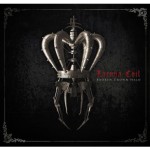

lacuna_coil-broken_crown_haloLacuna Coil – Broken Crown Halo

This isn’t even metal. It’s the same smarmy cheesy shit that they sing in lounges for drunk bluehairs in Vegas, but they shifted from open chords to power chords. There isn’t even any particular focus on riffs here, just some blithe chord progressions shifting in the background while the vocals take it. But even worse, the music is entirely predictable. This is different from being “basic” in that it’s not derived from simplicity, but a generic version of the same stuff everyone else does. But that “everyone else” aren’t metal bands, and these entryists are trying to sneak that moronic garbage in through the back door.
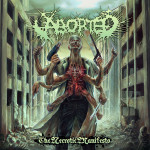

aborted-the_necrotic_manifestoAborted – The Necrotic Manifesto

People are not bands. Bands are (composed of) people, but are not people. Even a band with good people in it can end up making music as interesting as poured concrete. “Oooh, look how flat it is!” But that’s kind of the problem here: Aborted is flat. It’s straight-ahead pounding death metal/grind hybrid that tends to like one- and two-chord riffs that shape themselves around a basic rhythm. Songs tend toward straight-ahead structures as well. The whole thing feels mentally hasty, like they aimed for a simple goal and then did one take and called it good enough. The highly compressed production just makes it excruciating to hear.
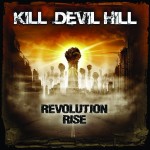

kill_devil_hill-revolution_riseKill Devil Hill – Revolution Rise

Some bands you don’t want to be noticed listening to lest people think you’re an imbecile. Kill Devil Hill is warmed over 1980s Sunset Strip glam “metal” (i.e.: hard rock) with some alternative rock stylings and occasional Rob Zombie infusions. That’s it, and the style tells you the content. In addition to mind-numbing repetition, like all rock music this dunce material focuses on the vocalist and some imagined fantasy mystical “power” to very cheesy vocals emphasizing very obvious emotions. It’s like watching Shakespeare done by a troupe of brain injury patients. Even the attempts to be “edgy” by working in oddball found sounds and minor techno influences falls flat because the whole package is so blindingly obvious and equally as plainly designed for thumb-suckers.


blood_eagle-kill_your_tyrantsBlood Eagle – Kill Your Tyrants

At least this has some balls, but metal needs both a warlike outlook and an interesting musical development. The latter is where Blood Eagle falls down: too much downstrumming, repetitive riff forms, repetitive song forms and reliance and skull-shakingly basic rhythms that involve a slamming conclusion makes this music no fun to listen to. It is like hearing a constant pounding with Pantera-style angry ranting in a death metal vocal over the top, but the plot rarely changes. When the band gives itself a little room for melody, as in the end of “Serpent Thoughts,” we see how much better this could have been. Instead it sounds like road rage stuck on repeat on a forgotten late night TV channel.
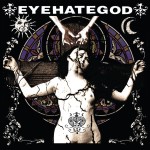

eyehategod-eyehategodEyehategod – Eyehategod

The New Orleans hit factory just keeps cranking them out. WAIT — that’s not what you want to hear about underground metal. Could the writer be implying that this trivial drivel is actually just pop music? Yes, yes he is. Eyehategod started out with a slow punk/grind mix that was boring but kind of aggressive. Then they made it with great production for Dopesick, which was a mildly interesting record. Since then, they’ve gotten closer to the hipster zone. Eyehategod makes me feel like I’ve stepped back into the early 1980s. Punk had just lost direction and every band was recycling old ideas or trying to be “different” with tricks that amounted to little more than stunts. The emptiness was staring us in the face, and no one was talking about it. This album is stereotypical hollow man hardcore with a bit of southern fried bullshit and a couple metal riffs. Why not just go listen to the failed albums by burnt-out and aged punk bands, because they at least have more consistent. This is just an odds ‘n’ ends drawer with a high production budget. You can sniff out the hollowness by how many times they hit you over the head with their image, working in every southern trailer failure term they can, and then performing their party act of ranting vocals over hard rock riffs. It breathes staleness and marketing like a home remortgaging plan.
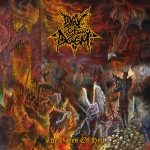

day_of_doom-the_gates_of_hellDay of Doom – The Gates of Hell

Metal bands should know by now to avoid the formula where the entire song is based around a vocal cadence, with guitars trying for a really basic pattern the vocals can play off of, and drums in perpetual fill mode. This means that the simplistic plodding patterns of vocals define everything else, which means everything else clusters around the lowest common denominator, and you end up with music whose sole (no pun intended) purposes is to make you tap your feet and wave your head to an undulating rhythm. This works great if you’re a sea anemone, but not so good for anything else. Day of Doom is one of those slow-strobing-strum bands that clearly intends for the whole audience to bounce at the same time in trope, but forgets that this is mindlessly boring when you’re not in a concert setting. It’s not that there’s anything wrong with these guys, but what they’re trying to do is wrong (as in unrealistic and stupid).


on_top-top_to_bottomOn Top – Top to Bottom

Mixed hardrock/punk, On Top has a clever name but otherwise is exactly as predictable as you might imagine. Lots of bouncy riffs, melodic choruses, angry vocals that specialize in repetitive tropes. If you derive a lot of value from doing the same thing others are doing at the same time, this might be your thing. It’s super-catchy like Biohazard or Pantera were, with plenty of syncopation in vocal rhythms to give them some kick, and songs even develop one level past pure circularity. It basically sounds like something you would expect the rebellious character to listen to in a movie as he drinks his whisky and drives fast. Other than this one-dimensionality, this is one of the few things in this review batch with any musicality. It’s just applied in such a way that people who aren’t drunk and sixteen will rapidly tire of.
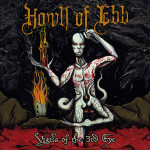
howls_of_ebb-vigils_of_the_3rd_eyeHowls of Ebb – Vigils of the 3rd Eye

Howls of Ebb adopt an interesting strategy, which is to hide a Maudlin of the Well style quasi-prog in the midst of a dirty modern heavy metal band. At its core, this is heavy metal of the late 1980s variety, but this is carefully concealed under fast death metal riffs and whispered vocals which expand into dissonant chording and riff salads of the post-jazz-fusion era. The catchiness of the basic heavy metal riffing and the tendency to use tempo changes which fit in that model remain, but the weirdness accentuates it. If you can image Powermad adopting a bit of grunge and progressive metal, then slowing down half of its parts in a melodic jazzy style reminiscent of Absu crossed with Maudlin of the Well, you have the basic idea. The result is not only not bad but stands up to repeated listens. It will probably stay B-ranked in that its compositions make sense on a musical level but convey little else, and often the riff salads meander off-course enough to leave an impression but not a clear one. Still, this is more thoughtful than almost all of the metal at this commercial level and while it’s not underground, it’s much preferred to the usual tripe.

personal_device-microorganismos_del_malPersonal Device – Microorganismos del Mal

First there was the faux 80s crossover thrash revival with party retro-thrash bands like Toxic Holocaust and Municipal Waste, then bands like Birth A.D. bounced back with actual thrash and reformed the genre. Now Personal Device take it a step both further and in a different direction by being a classic hardcore band that informs itself with early speed metal like the first Metallica and Nuclear Assault albums. The result is bouncy fast and precise punk like Ratos de Porao or even middle-period Bad Brains that is thoroughly enjoyable with riff breaks that resemble “The Four Horsemen” or maybe even “Live, Suffer, Die.” Their guitars are remarkably precise which creates an unusual sound for punk that by making it mechanistic makes it seem more inexorable than like protest music, and the result is a more testosterone-fueled and warlike approach. Mix that with the surging chord changes of speed metal and the fast repetitive chanted choruses from thrash, and you have a high-energy band. Its flaws are that experienced listeners may find this a bit too transparent, and that many of its rhythms are similar, but the band has administered its style with an editor’s red pen handy, cutting out any lesser parts, which gives it more staying power than all but a few albums in this stylistic range. This was a pleasant surprise to find in the review pile.

24 Comments

Tags: , , , , , , , , , ,

Incantation – “Carrion Prophecy” from Dirges of Elysium

incantion-dirges_of_elysium

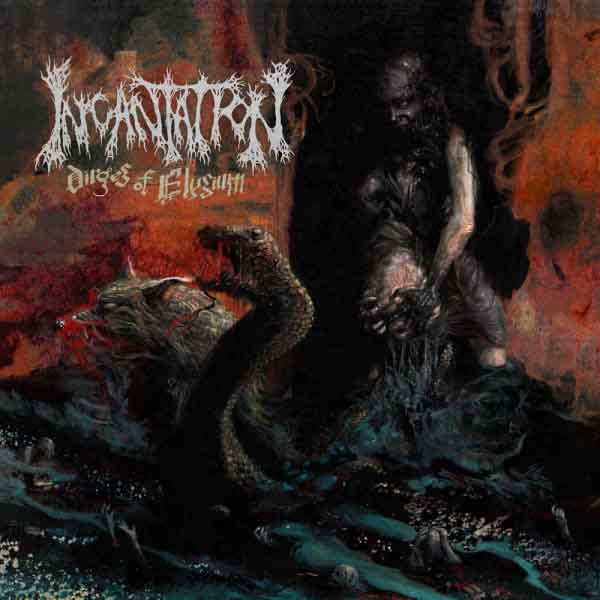
Foundational death metal band Incantation have released the first single off their upcoming album, Dirges of Elysium. Entitled “Carrion Prophecy,” the single showcases Incantation widening the extent of their genre limit and leaning in the direction of modernity’s post-death metal doom/sludge marketplace.

While half of the song creeps by in this fashion, which is far below the par of structural arrangement Incantation has demonstrated in the past, the track picks up whenever this riff fragment concludes. Here, the band plays more to the level of their ability of merging torrential bursts of arpeggiation alongside their unique rhythmic signature of straightforward American death metal alongside the more dextrous, syncopated “push-pull” structures that easily identify bands from that original era and location, including Immolation alongside Incantation.

Incantation’s throwback to their past discography along with more mainstream song structures lends credence to the notion that Dirges of Elysiumwill be similar to their last album, Vanquish in Vengeance, which surpassed the artistic vision of many contemporary releases but ultimately fell short of the artistic heights of the past. However, we here at DMU headquarters remain hopeful that this track is merely intended for commercial distribution and does not necessarily reflect the tone of the entire album.

Dirges of Elysium will be released, in the US, on June 24th via Listenable Records.

30 Comments

Tags: ,

CIA agrees that later Deicide sucks, uses it to torture prisoners

central_intelligence_agency-deicide

As part of its enhanced interrogation of prisoners in the worldwide police action against terrorist guerrillas, the American Central Intelligence Agency (CIA) has been subjecting prisoners to abruptly-changing streams of loud music. The idea behind this interrogation is essentially to obliterate the prisoner’s mind with repetitive and offensive noise and make them pliable; how this is different from people voluntarily watching television and listening to radio remains to be studied.

Helpful journalists compiled a list of songs used by the CIA during torture. In addition to the predictably annoying like the Barney Theme or Meow Mix commercial, and the usual venality from pop divas, there’s Deicide with “Fuck Your God.” While that may seem like a nod to death metal, it’s actually the CIA confirming what we’ve all known for some time, which is that while early Deicide is amazing beyond words, later Deicide sucks and is horrible.

In fact, “Fuck Your God” in every way resembles what you imagine a television preacher from the 1950s would warn against. From the 40-IQ-point title to the pentatonic melodies and chromatic rhythm work without any phrasal significance, this song sounds like an angry rock ‘n’ roll band blaming an absent god for their failings between bouts of AA and parole hearings. Because we don’t want to torture you, dear readers and little profit centers that you are, we’ll leave you with the Deicide discography for thinking people.

http://www.youtube.com/watch?v=MgUP5EGifKg

http://www.youtube.com/watch?v=RqPCVDQ1oMI

5 Comments

Tags: , ,

Codex Obscurum – Issue Four

codex_obscurum-issue_four

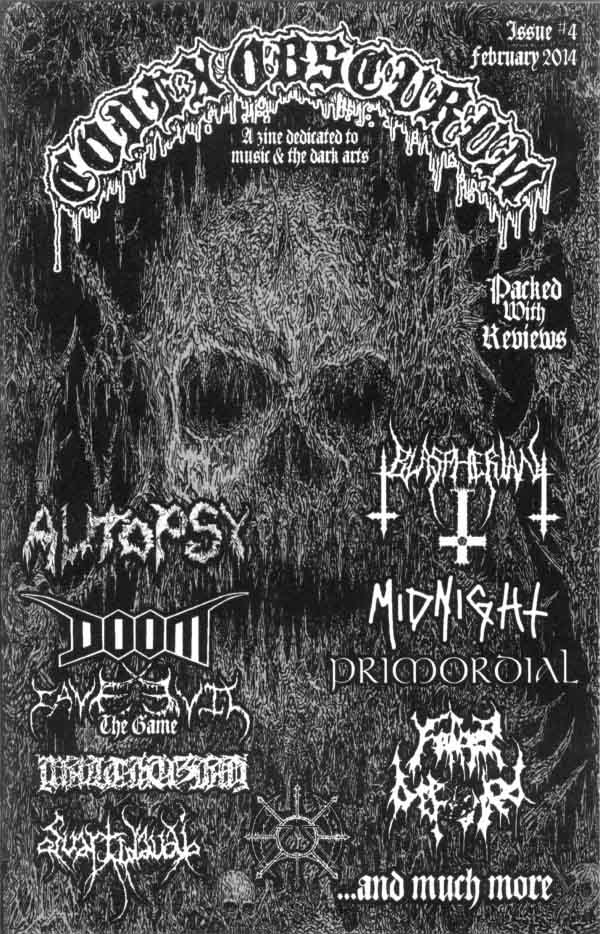
Many of us old school death metal fans watched the rise of zine Codex Obscurum with growing interest because it, like Glorious Times and Underground Never Dies!, represents an attempt to look back at the underground and figure out what made it as powerful as it was. Part of the answer is selectivity, which is a gentle person’s form of “elitism,” meaning that one selects quality over quantity and vigorously promotes and defends the quality. This is what zines did, what radio shows did, and what labels did, back in the day, by choosing some bands over others. The vague smell of blood in the air is the shadow of long-forgotten predation and natural selection that also shaped us as humans, which means not so much “survival of the fittest” but that all who make a meaningful contribution get kicked upstairs and everyone else is forgotten.

Codex Obscurum represents the best kind of selectivity because it targets bands of note but does so broadly, thus you avoid both the “hey kids, everything’s great!” attitude of the commercial providers and the narrow perceptual slot of the kvlt vndergrovnd. This issue advertises swamp death metal band Autopsy, second-wave crust band Doom, cavernous old school death metal band Blaspherian, multifaceted heavy metal/folk band Primordial, melodic drone metal band Sacriphyx, abrasive occult death metal band Father Befouled, Icelandic modern black metal act Svartidaudi, and several more. While not everyone may like (or admit to liking…) these acts, the spread makes it clear that both broad-minded attention to music itself and a high level of standards apply here. This explains why the editors of such a zine might want to go underground and stay there, where they are not beholden to the ugly cycle of advertising revenues and thus being asked to pimp the latest platter of re-heated Carpenters tunes spray-painted with the vaguest appearance of “metal.” Indeed, Codex Obscurum is funded entirely by user purchase price, which is why for $5 or so this arrives at your door with no ads.

For the uninitiated, this zine presents the old school zine style in every detail, which is both practical and a nice atmospheric touch. The hand-numbered issues, the xeroxed pages complete with copy artifacts, occasional typos and sometimes surly answers to perfectly reasonable questions by bands who clearly have done too much press lately, all factor in to the appeal. Use of cardstock for the cover gives this issue a more permanent feel than older photocopied heap zines had, which shows a positive advance of technology. Similarly, quite a few of these interviews seem to have occurred through email, and the use of office software to lay out the zine makes it more readable. The rest is pure old school, from the writing style which is both personal and projected into the mind of an idealized metalhead, looking for that nearly indefinable quality that makes a metal band distinguish itself as a classic in the making rather than news of the week.

The primary content for Codex Obscurum is provided by its abundant interviews, which are conducted in a familiar yet inquisitive style, like the best of Joan Didion-influenced hip journalism before it forgot the word “investigative” in its title. These questions aren’t all softballs like you would expect in a mainstream magazine, but sometimes force bands to confront their own internal struggles for self-definition. To their credit, most of the bands here rise to the occasion and reveal their thinking and intentions in the actions they have taken. The Doom interview is particularly revelatory as the interviewer walks the band through the past and makes connections to consistent patterns across their career. The Autopsy interview makes for a stunning read since it is Eric Cutler giving a candid and somewhat aggressive portrayal of where the band is and how past events shaped their present outlook. The Svartidaudi interview goes in-depth into how this band is struggling to find its own voice while under onslaught from the many trends of current black metal, despite being inspired by the best of the past (which is different from being inspired by the past alone). One oddity that would be called a “quirk” in any less just-the-music-ma’am magazine is the lengthy interview with the creator of the RPG Cave Evil, which accompanies the amazing artwork from that game with a nearly existential exploration of the purpose of RPGs themselves.

Profanatica “Thy Kingdom Cum” (Hell’s Headbangers)
Disingenuous.
You cannot defile nuns
While wearing sweatpants.

The sizeable block of reviews at the back of Codex Obscurum show where this zine is determined to keep its hand in the current music industry. Any band that is roughly connected to old school death metal and black metal, with a wide spread because of open-mindedness, qualifies for inclusion here. These reviews take a conversational outlook which seems too removed from the music at first except when you realize that it’s gonzo journalism of the first order. When writing about metal, don’t pretend you are not a metalhead; it’s a lie. Further, think of what you like and then extrapolate to what others like. It helps them shop for music. It also avoids troubling pretense and complications as reviewers try to get more “in depth” and end up producing thousand-word inspections that result in no clear conclusions. Here, the conclusions are clear — in fact, one section even puts them in Haiku form — and give roughly the kind of synopsis one would get from an experienced record store owner, label head or producer, issuing forth a rough summary of the band, its importance and its staying power and audience, in about a sentence each.

For the past several issues, Codex Obscurum has reserved its final pages for experimental content. In this case, it is facially an inspection of why a famous metal musician flaked on an interview… and beneath the waves, a deft revelation of the disintegration of the underground into warring self-interested parties while no one keeps their eye on the wheel or the road. That leaves the future of the genre up in the air, since everyone is too busy cashing in to steer, and the results are about as you might expect: all the has-beens in warmed over hardcore, emo and indie rock bands have rushed through the breach and set up shop making parasitic versions of the older material, except nowhere near as good. Codex Obscurum shows a good way to reclaim the past of the underground for the future, namely to start paying attention to the steering again and to be unafraid to be selective and to not give reasons why some bands simply suck. Just be honest. The editors and writers here have given it their best shot and it makes for not only informative and entertaining reading, but a glimpse into the old days without the smarmy fug of solicitous nostalgia for marketing purposes that normally hangs around such ventures.

5 Comments

Tags: , , , , , , , , , , , , , ,

Twilight – III: Beneath Trident’s Tomb

twilight-iii_beneath_tridents_tomb

Commercial black metal. Oh dear.

Advertising agencies would like us to believe that Twilight is a “black metal supergroup”; but looking at the list of musicians involved, there isn’t much to do with black metal, let alone a noteworthy record within that genre. If there was a desire to be accurate, the band would be billed as “a group of musicians without much in common, to whom we rented a studio and told them to make something that we could promote”. It’s here the band succeeds…but not anywhere else.

The only thing (fit for print) in my mind while listening to this was: “How long does it take for something experimental to become established and lethargic?” Really, there is nothing new on this album. Noise rock was done in the 80s, stoner rock spawned as well, caveman moshcore flourished in the 90s, and linear, monotonous, American “black metal” has insulted eardrums for over a decade. We all know what these genres sound like. Mashing them together and adding constipated vocals does not constitute a new art form. It is not experimental or new. Nor is it worth releasing.

The most disheartening aspect of this release is that most of the musicians involved are talented to above-average degrees. Unfortunately, none of it comes through on this release. They (and us) would be better served heightening their unique take on their own art form, instead of limply moving to this unremarkable, bland middle-ground…but that doesn’t pay the bills.

7 Comments

Tags: , , , , ,

Teitanblood – Death

teitanblood-death

After black metal collapsed, fans went looking for the next great genre to fill the void. Unfortunately, the only “new” developments post-1996 have been of retrogression. Whether combining metal with vapidity (“post-black metal”), commercialism ((Watain, Satyricon)), or frequently both; fans were left without any direction to look to. After reviewing the situation, some honest people realized that “progression” was a sham and the solution was to take metal back to its earlier underground roots in death and speed metal.

Enter Teitanblood.

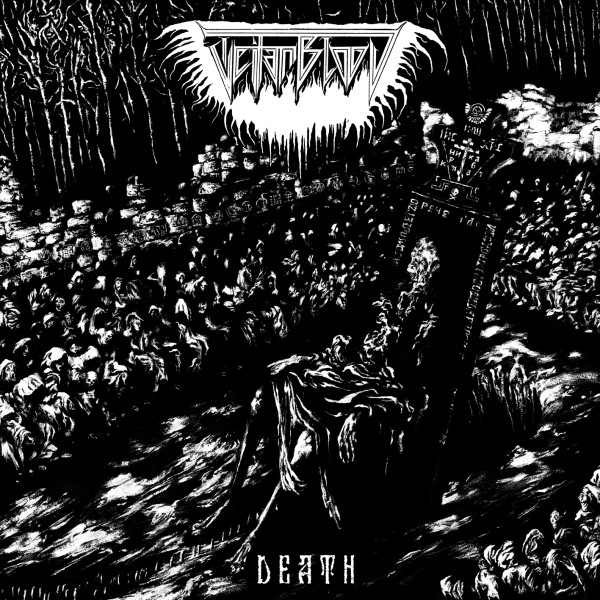
First, it must be mentioned that this band has a great many features pulling it ahead of 98% of contemporary death and black metal bands. Most importantly, the band is actually metal. It is not pop, grunge, or Japanese videogame music masked with metal aesthetics. Second, the music is competently organized in a manner which facilitates quick understanding of what the band is trying to achieve. Tracks are chaotic bursts of energy which merge the frenetic, kinetic mayhem of black metal with the lucidity of structure offered by death metal. Stream of consciousness motion stays grounded by the relatively consistent vocals, which serve as an anchor between the listener and the assault.

However, this type of composition is not without its pitfalls: due to its nature, songs end up sounding relatively uniform. This is not unheard of in the realm of death metal; however, the band seems to be discomfited by this and thus inserts disruptive moments which share more in common with modern black metal than is comfortable. These consist of slower, “ritualistic” meditations, which in reality is merely minor chord noodling over constipated rantings. Presumably this is supposed to compensate the direct audial rampage offered by the higher-energy sections with a darker mood, but it ends up sounding like a gimmick.

For Teitanblood to progress, it needs to learn how to unify these tendencies into a coherent presentation. If it achieves this, it will deserve all the praise heaped upon it now, but genuinely – as of now, the universal praise of this band reveals the general starvation of the underground metal community for quality releases.


http://www.youtube.com/watch?v=MgQ03q0IaGo

22 Comments

Tags: ,

Sadistic Metal Reviews 03-12-14

nothing_really_mattress-couldnt_chair_less

What are Sadistic Metal Reviews? The only path to metal glory is to make music that is metal both in form and content, and upholds the spirit of conquering the unknown and crushing the empty and pointless. Anything else fails and shall be mocked! Come for the impotent rage, stay for the occasional standout…

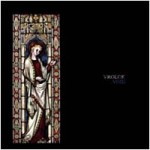
vrolok-voidVrolok – Void (The Divine Abortion)

After taking much, much too long to get started (by the way, the ‘tension building’ here is hitting an open E chord for 2 minutes), the first proper track begins with a drum beat that I’d expect to hear from GZA or Del Tha Funkee Homosapian. It only gets worse from there. This album sounds like someone took Burzum, Strid, xanax, and nu-metal and threw them all into a blender. The downright hilarious vocals are just as laugh-inducing as Nattramn of Silencer, and the bass drums sound like bongos. The tracks that aren’t overly long suffer from a lack of direction, and end much too suddenly. What a mess. No wonder this band has gotten much more exposure, they have all of the ‘eeevol’ ingredients that make their music sound scary to the tweenies, but to the experienced listener this is like hearing a group of circus monkeys play Aske.

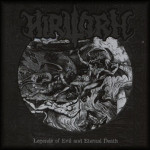
hirilorn-legens_of_evil_and_eternal_deathHirilorn – Legends of Evil and Eternal Death

As black metal became awash in a sea of imitators, distinguish quality grew difficult due to the sheer number of bands that were releasing albums in the post-1996 entropic period of black metal. Thus it is refreshing to discover a release from that time with spirit and wonder in its construction. Hirilorn’s first and only album is that kind of release.

In a similar fashion to Enslaved’s classic Vikingligr Veldi, this album consists of lengthy songs with subtle harmonies and adventurous structures. Unlike Enslaved, however, Hirilorn are a power metal hybrid but not in such a way that sabotages direction in their music. A particularly outstanding element is the lead guitar, which often plays variations on the melodies of the main riffs throughout the song. It is very much in the forefront of the mix, which is quite unusual for black metal, but here the melodies are evocative and compelling, so this approach works. Vocals are a consistent mid ranged shriek, but occasionally clean vocals are used (such as in “Through The Moonless Night”). Though they are a bit shaky, the result is similar to listening to Quorthon’s singing; it’s not very ‘good’ but it is honest and therefore has a distinct charm.

Where this album succeeds is in creating a world to journey to; these songs tell stories which one can envision easily upon several close listens. It is performed well, ambitious, and seeks to create something new from black metal’s framework. Its failures are a tendency to be overlong and as a result this album feels unfinished at times. Still, this is an interesting work which is a definite highlight of the creatively uninspired late 1990s period of black metal.

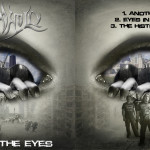
stormhold-eyes_in_the eyesStormhold – Eyes in the Eyes

Once you strip away all the layers of other aesthetic, this is metalcore of the melodic “death metal” type, like a hybrid between The Haunted and Dark Sanctuary, which is essentially very basic heavy metal with reliance on too much unison between vocal rhythms and guitars. Good metal leads with guitars and vocals follow, because that allows the most expression; bad metal sets up a vocal rhythm to make people feel comfortable and has guitars echo it, which ends up sounding like a TV commercial.


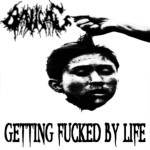
ballgag-getting_fucked_by_lifeBallgag – Getting Fucked by Life

Extremely middle of the road grindcore. It’s hard to screw up grindcore, since there are no rules. This band keep their songs compact, balance between punkish open rhythms and grinding riffs that crunch momentum. Vocals are incomprehensible which makes all of this into one uniform texture. It’s both quality and unexceptional. Maybe drop the pretentious name and try to be a Napalm Death style grind band. Essentially, there’s raw material here that could be good and more importantly, the will to pare down songs so that they’re not random, but the band are unwilling to choose a direction. The nonsense shock name and nonsense shock album title are clues here, but even more so is the utter middle-of-the-road choices the band makes in tempo and riff that obscure its contributions. Refocusing this band would involve a lot more guts and probably a great deal more glory than this innocuous release will garner.


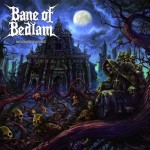
bane_of_bedlam-monument_of_horrorBane of Bedlam – Monument of Horror

This strong band is divided between trying to be 1980s speed metal and attempting to fit 2010s “modern metal” into that framework. The verses are rhythmic, single-chord muted strum playing with quick turnaround fills. Choruses use melodic guitar riffs and more expansive patterns to create a sense of space. Unfortunately the vocals tend to influence the music, both by forcing metalcore/post-hardcore guitar-chasing-the-vocals riff-writing and vocalizations of the emphatic type that modern metal uses, where the vocal rants out a beat and then relies on lengthy decay for the last few iterations. Waa waa waa, waa waa, waa waa waaaaaaaaaaaahhhhh. This in turn drives drums to play a catch-up role. The result is that this band’s strength in riffing and song assembly is buried under poor choices. They integrate radical contrast riffs into these songs like a 1980s speed metal band, and while they don’t do as many dynamic shifts in rhythm, they know how to avoid hammering a trope into the ground as well. If this band wants to get ahead, it’s time to drop the modern metal vocals and influences and focus on finding a unique voice in 1980s-style speed metal. Otherwise they’re going to get lost in the modern metal morass, which is producing ten times as many bands as it can sell, and find itself offering the same thing others do without being fully trendy and modernized.

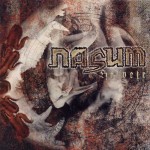
nasum-helveteNasum – Helvete

If you’re someone that is just getting into grindcore, it’s easy to see why this release might appeal to you. It’s got a pretty good handle on riffcraft, good dueling vocals, coherent songs, and is very punk in spirit adn approach. However, Helvete quickly loses its luster. The songs are incredibly simple to the point where one can guess what will happen in most by hearing the first few seconds. It also gets too groovy (moronically so), throwing out a lot of the actual grind for this.

The fact that it is very punky is another shortcoming; a lot of this music is just that — hardcore punk with some blast beats and nu-metal inspired groove — with very little actual grind to be found. What is left is aesthetic only and that tires quickly. Many do not wish to give this band bad reviews on account of the tragically unfortunate death of the singer/mainman, but it would be an insult to the artist to not grade this honestly: a C/C+ at best. If one is really interested in this band, their first album and the material before it are much more compelling, but you could always just listen to Discordance Axis or Blood instead. Turd chunder.

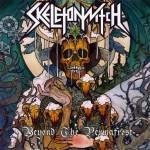
skeletonwitch-beyond_the_permafrostSkeletonwitch – Beyond the Permafrost

This is like the soundtrack to some pimply-faced kid wherein he imagines beating up the bullies and emerging victorious; except he never actually does this and continues to get beat up because he’s a wimp. That’s what this album sounds like. Retreat into a fantasy world that is incongruent with reality, dress it up with some weak black metal shrieking and Gothenburg riffs, rinse and repeat. It’s no wonder this stuff’s so popular – it hits all of the right marks to endear it to the mall going young teen demographic. None of these riffs even sound menacing, most are major scale based. So you get weird happy sounding riffs in music that is trying to sound evil. This band even labels themselves ‘thrash’…..well if this is thrash then I’m the new leader of the DPRK. Someone call the US government to let them know we have new suitable music for torturing prisoners in Guantanamo.

abyssic_hate-suicidal_emotionsAbyssic Hate – Suicidal Emotions

When bands claim direct inspiration from one other band in particular, one must approach this description with caution. Does said band actually take techniques/methods of their influences and incorporate them into new song structures? Or does said band merely try to sound as close to their influences as possible? For this album, it’s the latter.

There are some truly excellent, somber riff passages here. The problem is that instead of building up to a conclusion (such as in Burzum or Graveland, the two biggest influences on this recording) Abyssic Hate just drone on in repetition of the aesthetic influence. Three of these tracks could have had several minutes shaved off of each and they’d be no worse for the wear. The shortest track is the most complete, but that is only by virtue of it not being as overly repetitive as the longer tracks can be. If this group could develop its sharp riffcraft into more adventurous song structures, we’d be looking at something interesting. It doesn’t, so the end result is something that is atmospherically soothing, even a little eerie, but after a few minutes that wears off and you’re left with the sounds of a radiator buzzing for 40 more minutes.

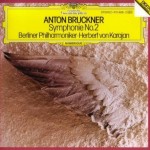
anton_bruckner-symphony_number_2-herbert_von_karajan-berlin_philharmonic_orchestraAnton Bruckner – Symphony No. 2 (Herbert von Karajan, Berlin Philharmonic Orchestra, 1981)

Artists who produce great and powerful bodies of work leave behind less-noticed works that are by no means lesser. Bruckner’s Symphony No. 2 is actually his fourth symphonic work, and is relentlessly overshadowed by his more intense symphonies such as the lengthy and crushing Eighth, which produces a pervasive sense of inexorable conflict and restless destructive renewal.

The Second on the other hand builds quietly from a nearly pastoral origin to a peaceful state of mind that then like a dragon rising from the mist turns to fire and warfare in the tumultuous and restive finale. Beginning with a gentle interweaving of naturalistic themes, the first movement assembles them in a style not dissimilar to the riff sequencing of Celtic Frost or Incantation, a type of prismatic construction that excels in placing repetitive in sequences interrupted from within such that each recurrence is a return with new knowledge to a familiar theme and thus an expansion instead of a reiteration. These build to the two middle movements which reflect more of an inner state of mind, in which melodies are carefully organized into a developing sequence which shows balance and harmony. Expert organ improviser Bruckner shows his true power here in his approach to the sonic tapestry where resonant sequences gradually alter themselves and through negative space and absence generate a higher intensity of presence. These techniques expanded with his later symphonies but can be seen in a lighter application here as part of a focused series of techniques.

The finale rotates between nascent versions of several triumphant melodies, bringing each one out of primordial chaos so that it can develop, then detouring to another, then returning, so that these melodies complement each other and explode in a triumphant final martial processional followed by a meditative recapitulation of the mood and theme of the earlier movements. The result is a breathtaking dynamic that shatters not just expectations but the intractable egoism of humanity that renders them closed to the inherent adventure of life itself.

Listening to Bruckner always reminds me of the secret of life that hides in plain sight. These immersive and epic symphonies etch out a clue that all of life is pervaded with meaning and holiness, and we deny it only to feel “in control” which is nothing but pretense. I don’t care what religious tradition you come from, or even a negation of religion, because you can access this sentiment through any viewpoint. It is simply this: life is an intricate and balanced design of great beauty and thus, truth, and through this we learn why we endure, and even more, why we strive.

This outlook is always just below the surface of all that we perceive, but it hides from us, because we must be open to it to see what is potential, and thus, what is immanently real. Although most people choose death and control over being part of the great complex beauty that breathes incessantly around them, Bruckner reminds us that the option is always there to lose ourselves and gain a cosmos.

12 Comments

Tags: , , , , , , , , ,

Sadistic Metal Reviews 02-09-14

apocalyptic-flames

What are Sadistic Metal Reviews? When people decide that life is worth living, try to make good music. Unless they hope to make a quick buck, in which case they disguise bad music as “innovation.” We separate the good from the bad — with a machete. Come for the misery, stay for the occasional exception…

divine_circles-oblivion_songsDivine Circles – Oblivion Songs

The mainstream assimilation of metal continues. This is basically coffeehouse femme-folk-rock like Jewel would have spun two decades ago when metal was still doing something relevant. Instead, it sounds like a Taylor Swift/Janis Joplin hybrid on piano while someone strums a lightly distorted guitar in the background and some bell-bottomed burnout bangs a cowbell. I can appreciate the similarity to neofolk bands, especially Hekate, or even the folk-rock tradition of the Americas. But it’s most similar to the goddamn crap they play in Starbucks or our local “alternative” (read: clean every other Tuesday) coffee shack. A girl sings about fanciful things, there’s some guitar and a lot of slightly exotic rhythm. But when you leave and drive home, you’re thankful for the silence. This has nothing to do with metal and should go back to the coffee shops.

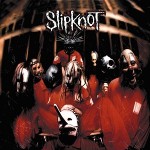
slipknot-slipknotSlipknot – Slipknot

For people who thought Korn was too musical, Roadrunner has saved the day. ANGRY MAN babbling over death metal riffs reduced 100 levels of complexity, with random vinyl scratching noises and sampling thrown in for…some reason. These riffs were lifted from a White Zombie album which lifted them from a Metallica album which borrowed them from a NWOBHM 7″ which probably borrowed them from the rantings of cavemen etched into sandstone near the local juvenile detention center. To these basic speed metal riffs, they have added abundant bounce and doubling the internal rhythm on the offbeat, which gives the illusion of complexity for about ten seconds, and they’ve wrapped them around rock melodies. Speaking of wrapped, why aren’t we calling this rap/rock? It’s obviously rap music sanitized for the people too uptight for even backpack hip-hop, thus it gets injected into rock and to disguise the obvious lameness of this combination they cover it in heavy metal stylings like melted chocolate poured over a corpse. Lyrics are moronic, riffs are moronic, album art is moronic…is anything in this band appealing to functional humans? If a vengeful god were to rain napalm on America for producing this album, it would be justified.

eva_polgar-sandor_valy-gilgameshÉva Polgár & Sándor Vály – Gilgamesh

Art music faces one ultimate test: will people listen to it on a regular basis, in regular lives? I’m not talking about the heroin and cigarettes crowd in Williamsburg with their postmodern degrees from Brown, but normal people. Thoughtful, intelligent, realistic, well-adjusted people. Do they listen to it? Or is it something they think is neat, maybe would be good in a movie, and then politely clap and never hear it again? Gilgamesh qualifies as some of the better art music I’ve heard. It is an sonic backdrop to the famous tale, rendering in quickly played piano riffs while other instruments fill in background chording. This has more in common with industrial music and avantgarde jazz than rock, but each track creates a series of emotional sensations corresponding to its chapter of the Gilgamesh saga. It is artfully done and powerful but is too abrasive and repetitive for every day primary listening. Further, it is too arty and conceptual to find a place in the balanced life. It would make a killer soundtrack for a silent film however.

fear_of_domination-distorted_delusionsFear of Domination – Distorted Delusions

Music designed to pander to newer listeners is often excruciating. First, it must have an obvious novelty in style that usually defeats common sense. Next, it must appeal to people whose first instinct is essentially disruption and chaos. As part of this, they favor weapons like repetition and garish aesthetics. This album will not disappoint on those points. Mixing clubby techno (itself suspiciously like disco) with metalcore and crowd-positive industrial like Rammstein, Fear of Domination spit out music that is essential keyboard-led but has background guitar and bass which are entirely obliterated by the harsh, chanty and repetitive vocals. There is not a single metal riff on the album. There is also nothing new to people who have experienced even Ministry, but a form with novelty gives this some of the appeal of more austere industrial bands. Still the repetition level and degree of obvious manipulation makes it excruciating for people who have heard more than a dozen albums.

benighted-carnivore_sublimeBenighted – Carnivore Sublime

In the absence of Nu Metal, everyone is rushing to take over the territory of Limp bizkit or Korn. From bling bling tech-core band Despised Icon to recent Napalm Death to streamlined Unique Leader sounding Morbid Angel palm muting riffs, Benighted blend everything that’s hip and br00tal in the scene together as the perfect sonic weapon for the frustrated school kids. This whole album is full of preachy and overreacting jerking noise. The band’s new music video reflect all of these: attending school is bad and teachers are evil, the world is insane, so buying this album is the right way to the first step of revolution. The hilariously out of place cleared-throat howling choruses sound like any metalcore rather than death metal, they make me want to put on the Korn records instead. Nothing from Benighted’s album is remotely exciting to the ear of a longtime metal listener. The volume is louder than Grammy performer Metallica, but the music is just as bland. Benighted and their far relatives Insane Clown Posse and Fleshgod Apocalypse are definitely worth exiling from the metal world.

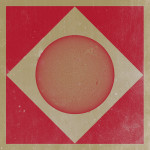
LP1037_RECHTS_tem_de.pdfFluisteraars – Dromers

What is problematic about post-metal/indie-metal, and rock music itself, is nto that it’s distinctive. Rather, like a good product, it’s created by audience surveys. What do they respond to? — put that in. What got bad response? — take it out. What was neutral? — reduce it. The problem is that you need all the colors of the rainbow to paint a picture, so just because audiences prefer blue over yellow does not mean yellow should be removed. In fact, it aims to create a monotone picture where all of it is the color audiences want in their living room and none is the less favored colors. But art is a communication of a mental journey between two points. It shows us someone emerging from a state to a higher realization and then acting on that for triumph. It reveals a mixture of emotions that signal an ultimate resolution, or at least a clarification in the mind. But what we call “modern metal” — itself a clone of the late hardcore, post-hardcore, emo and indie movements of the late 1980s through middle 1990s (Jawbreaker, Rites of Spring, Fugazi) — is like rock music designed to just be that perfect wallpaper for your life. The right shade of sweater, the right ironic frames for your glasses, the purse that makes you look like a wandering boho hippie who might just happen to have a degree in art history. It’s the cult of the ego, and the ego demands only what serves it in full and denies the experience required to get there. This is because the ego wants nothing to do with the external world, and prefers that which is “human,” namely itself and those it socializes with. Fluisteraars is 2/5 old school black metal like Enslaved and Darkthrone, and the rest the newer material in a dronining long form that uses multiple riffs derived from a single theme, like Pelican. The result is very pleasant to listen to but when it is done nothing has changed in your life. You are back shopping for wallpaper, ignoring anything outside of yourself, and consequently, missing out on anything that can be called soul.

woods_of_desolation-as_the_starsWoods of Desolation – As the Stars

Most of people can’t tell the difference between shallow light-hearted commercial product and art, therefore the conformists can always make some metallic indie rock to troll the underground. Woods of Desolation is the black metal version of Explosions In The Sky; both of them use the highest notes of the guitar chords to outline the weary lie-down-and-die pentatonic melodies while songs build around the sweeping textures. Just like the prototype of this sub-genre Alcest, Woods of Desolation’s music is nice and sweet and flawless, it make one hard to criticize them. But the reality is, three months after the hype, those who praised it like hell initially would throw this album away for these spun sugars annoying them just as the morning wake up cell phone jingles.

towers-iiTowers – II

Post-rock and post-metal generally mean attempts to recreate emo through expanded minimalist sound. Towers takes an approach more like Swans where they build a drone and then layer it with interesting textures. The result is rhythmically motivational, like a march, but ultimately can’t go anywhere because like the notion of “concept music” it can’t go anywhere but to its furthest extreme. Thus what we have is interesting, but not something you’d want to repeatedly listen to except in the background or as part of a movie soundtrack. It is not terrible in any part, and on the whole it is bland and inoffensive once you get past the “extreme” style. Arguably, Towers is the best example so far of how to make post-rock/emo into something that is not terrible. The problem is that listening to it feels like being driven over by Friday 5 pm NYC traffic, and so it’s unlikely that anyone will turn to this for repeated listens that bring out some positive aspect of being alive.

sunn-ulver-terrestrialsSunn O))) and Ulver – Terrestrials

Background drone of distorted guitar vibratto and feedback. Foreground slow chords, standard post-metal. Melody slowly layered, then repeats. It goes on in a big loop. Any given second of it is inoffensive and seems like something cool might be happening, but then, if you listen to the whole thing, you realize its fatal flaw is that it’s boring. Nevermind that Lull and Fripp did this years ago but better. Nevermind that these bands were both wrecking balls to metal’s integrity. Just listen to the music: it’s repetitive, doesn’t development, and basically does nothing but establish a drone and a half of a mood. What would you do with it? Listen to it? No, this is music for you to explain to your friends. The point is that you know something they don’t and you can thus explain how profound it (and you) are. It’s no different than people going to rap concerts to pose at being gangsters or young girls who cry when Shakira sings about her hips. It’s just more pretentious.

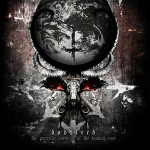
tiskoviny 1.cdrDodsferd – The Parasitic Survival of the Human Race

Despite the ideologically-correct title (for black metal), this band shows us the true death of black metal: it has been assimilated by punk music. This sounds, with the exception of a couple black metal open strum riffs, exactly like the same droning hardcore bands were pumping out in the early 1980s. That music was the source of the stagnation that launched underground metal. I’ve listened to this thing three times and it has no negatives. There is nothing wrong with it. There’s also nothing compelling about it; it’s just more void. Technically, it all fits together. It’s just boring and expresses nothing. It is essentially hardcore punk music from the early 1980s with better drumming and production, maybe a black metal riff every seven riffs. But if you already own Discharge and Darkthrone, there’s utterly no reason to listen to this. Even if you don’t, it makes no sense to try to listen to this instead.

gris-a_l_ame_enflamee_l_ame_constelleeGris – À l’Âme Enflammée, l’Äme Constellée…

Oh wow. Titles in French, looks misanthropic, maybe Vlad Tepes has returned! Second coming of Loudblast, even? No, it’s emo. Riddle me this: if emo isn’t like the fat girl addicted with meth that you woke up next to in the basement and felt great shame for the next, why do people keep trying to hide it? This is the same droning yet bittersweet minor-key background noise that Jawbreaker put on their albums and before that, that emo bands kept trying to insert into punk. What is emo, after all, but the very basic tonalities of rock music translated over an upbeat groove into power chords with dissonant voicings? When you look at what can’t be used, you see what is left. In the same way that the blues scale is the classical diatonic major scale with the key-centric notes removed (and a blue note for color-note rhythm comp fudging), emo is what happens when you take all the life out of music and translate it into rules to keep an audience in suspense. It doesn’t ever go anywhere, just shifts between these same few interval progressions. And yet, there it is. And people who apparently know nothing about thinking keep buying it. This is very frilly, dressed-up, entertaining variety, but underneath all the stupid pet tricks and gaudy clothing is the same old tedium. This is the sound of a genre dying.

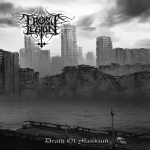
frost_legion-death_of_mankindFrost Legion – Death of Mankind

Crossing punk and heavy metal styles with a black metal aesthetic of constant high-intensity drumming and droning riffs, Frost Legion make black metal that often sounds like it is assembled from spare parts but tries to keep a focus on the melody and savagery of black metal. Vocals are a constant rasp that varies inflection as little as possible, over active double-bass drumming reminiscent of later Ancient Rites. Riffs are often drifting melodic constellations formed of a few chords which work through permutations of loss and re-acquisition of a root note. Often the riffs are very similar to each other which causes an unsettling loss of orientation, and frequently they bring out melodies which resemble music from the 1930s, but the effect is to create a sense of longing. One thing this band could do better is dynamics; it uses nearly constant intensity most of the time which is exhausting. While song structure is essentially riff-based, these riffs may need to correlate to something else in order to make the composition memorable. The constant melodic riffing is reminiscent of Carcariass and bands of that ilk who are deeply invested in guitar creativity and sometimes lose sight of memorable songs. This is a good start and it will be interesting to see where these guys end up after they’ve had a chance to contemplate the results of listening to this album several dozen times.

demo_tapeAethereal – Faceless Messiah

We walk among you. We are legion and yet can travel unnoticed in the midst of your cities. We are those who try too hard, and many of us ended up in black emtal. Aethereal brings many strengths but suffers from trying too hard. Coming from the wilds of the USA, the amazing thing about this demo is that it attempts to shape the melodic architectures of a European band. It seems caught between a more vicious Behexen-style assault and a traditional melodic metal attack shaped around Sacramentum, Dissection and perhaps even Sentenced. Most would argue this into the black metal camp on vocals alone, but it has aspects of many genres of metal. Technically precise and musically coherent, these longer songs more resemble the ambitious music before the Great Partition in black metal which set the classics in the past and brought a deluge of imitators to attempt to pollute the genre. The first track, “Scornful Skies,” launches from a battering assault of melodic chords resembling rainfall in sheets to a neo-Celtic style intricate lead riff, fading into a Dissection styled mood piece before evaporating into an interlude of gentle strumming without distortion and a return to a contortion of its origins. The second track, “Qliphothic Reflections,” resembles much more of the black metal of the post-initial era, with low use of dynamics and high intensity blasting with transitional melodic riffs leading us through a semi-circular structure. Both tracks show promise if developed. But again, the problem is trying too hard: looking at what all the great songs have, and trying to make your own version without knowing what connects them. If these guys trust their gut instinct and what they like to listen to rather than what they think they should be creating, they would do better. Take it from a guy who tries too hard in his biggest failures as a writer.

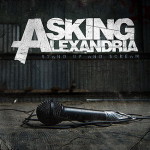
asking_alexandria-stand_up_and_screamAsking Alexandria – Stand Up and Scream

If any of you were to discover that your testosterone levels were too high, and your doctor advises you to take estrogen injections: before doing that, consider listening to this album – in approximately 3 minutes, you will feel immediate results. An album like this could be created only by the results of a CIA project designed to make people believe malls are desirable. (Somewhere, Bill Hicks is turning over in his grave.) For the rest of us, upon hearing this we wish that we were in that grave. This band has the uncanny ability to not only make every song sound identical, but also every riff. Then again, most people listening to this are undergoing “spiral learning” – the repetition is something they’re used to. Please don’t listen to this. If you don’t have enough respect for yourself to avoid this, just go all the way: go to Starbucks, pick up a la- oh alright, that joke is overused. This band sucks. That’s all.

35 Comments

Tags: , , , , , , , , , , , , , , , , , , , , , , , , , , , , ,

Speed metal: the choice of royals

Prince Harry Visits Nottingham

Many of those who are involved with music have spoken praise for the 1980s speed metal explosion, which offered a form of music with both intensity and integrity. Until the great wave of commercialization, it simply refused to join the social impulse to all get along and behave like everyone else.

But a recent interview with Dominic West, who accompanied the UK’s Prince Harry to the North Pole, confirms that speed metal may have more going for it than simply being aloof to the great herding instinct. It is the music not only of Royals, but of soldiers:

The royal is addicted to the music of bands including Megadeth, Slayer, Metallica and Anthrax, according to actor Dominic West.

Dominic, 44, said it was the only music that Harry, 29, would listen to on their recent Walking With The Wounded expedition to the South Pole.

He said: “Harry has a terrible selection on his iPod. It is the sort of thing soldiers listen to. Hardcore thrash metal.”

While none of us want to be stuck in the 1980s, and retro-nostalgia is both embarrassing and makes us hate the future, perhaps it is time for metal to look back at what made speed metal so popular.

First, it did not behave. When the teacher said, “Everyone sit down,” it ran around its desk. When the teacher wanted everyone to play nice with each other, it did not. When someone said “Give peace a chance,” speed metal gave them the finger. It was disobedient, lawless, wild and uncontrolled.

Second, it had musical integrity. Please just say no to either (a) droning three-chord “trve kvlt” retro-metal and (b) droning three-chord “innovative and open-minded” post-metal. It’s musical simplisticism. No one seems against minimalism per se, but when it becomes an excuse to dumb it down, it’s time to leave the hall.

Third, it had a sense of imagination and vision — and abandoning those things crushed it. When Metallica were writing songs about Cthulhu, they were interesting; when they turned to social topics, they got less so. Similarly Slayer was awesome when writing about Satan and vampires but faded out when they started writing about serial killers and politics. (All of Anthrax’s best material is about comic books, and Megadeth is best when either full-on into drugs or full-on into Christ.)

Death metal and black metal at least initially carried on these values but over time got closer to the punk rock that had sold-out, standardized itself and caved in before them. When death metal was 300 intricate but occult nihilist riffs per song, it piqued our attention; when it became three riffs in verse-chorus form it made itself into a parody.

Perhaps our new watchword in metal should be to make music that belongs on Prince Harry’s iPod. As a cultural barometer, he provides a better sense of how metal is doing than most other sources we could consult.

http://www.youtube.com/watch?v=kAzWw7tMQm4

http://www.youtube.com/watch?v=wvHsX2lSW64

http://www.youtube.com/watch?v=FgT9dOzsXJ4

http://www.youtube.com/watch?v=wMFMX6Azwxs

8 Comments

Tags: , , , , , ,

Sadistic Metal Reviews 01-24-14

manatees
The Manatee: nature’s most useful animal.

What are Sadistic Metal Reviews? It’s when we decide that good things should happen to good people and bad things should happen to boring music. Most music is either imitating a trend, or totally without purpose or content, and that makes it boring. We can find trends and purposeless noise anywhere, for free. We are cruel to the stupid, and periodically, find something worthwhile to hold up above the river of feces…

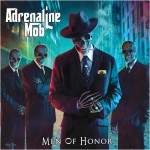
adrenaline-mob-_-men-of-honorAdrenaline Mob – Men of Honor

It’s grandad’s heavy metal, kids, but with a rhythmic kick and Alice in Chains vocals. A Pantera influence in the bouncy riffing represents a modern retrospective on glam and heavy metal from the 1970s. Droning diminished scale choruses and a similar riffs stacked in a way that is both not random and not song development fleshes out the mix. Songwriting emphasizes the Big Pop Industry tendencies toward hooky choruses and distracting, somewhat aggressive verses with emphasis on stitching out the chorus rhythm in as many forms as possible, so in case you missed it the previous sixty times it will pop up again to remind you that you’re listening to “music.” People have made heavy metal version of power pop before (like Yes’ 90125) but they aimed for quality; this aims for conformity with someone snapping their fingers and being ironic behind the scenes. Warmed-over 1970s riffs 1990s influences make this a classic record company attempt to make the present generations worship the cast-offs of the past. Despite attempts to be edgy, this is a museum piece from the Hall of Boredom.

disfiguring-the-goddess-depriveDisfiguring the Goddess – Deprive

There’s no death metal to be found on this supposedly “brutal death metal” release, nor any concept of songwriting. Choppy, percussive riffs are thrown next to nu-mu thudding in random sequences that do nothing but “groove.” It comes off as variations of rhythm guitar picking exercises played on an 8-string guitar and stitched together in ProTools. Like most of these rhythms, it’s only a matter of time before the “out there” becomes the predictable, so there’s no promise in these flights of fancy, only a return to something as mundane as the cycling rhythm of a diesel truck engine with a loose belt. Occasionally, an actual riff gets played for almost three seconds before more inconsequential rhythm chugging comes in to pacify the indie/Hot Topic demographic who use this stuff as a surrogate to nurture relationships with other idiots by sharing an interest in “wacky muzak” that makes them “different and unique”, but under the surface, is Korn with tremolo picking.

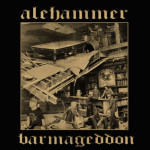
alehammer-barmageddonAlehammer – Barmageddon

Life is an IQ test. Your choices determine really how smart you are. If you picked this band, you failed. These guys should hang up the electrics, strap on acoustics and do children’s television. This is sing-song music for people without direction in life. Even when I was a clueless 14-year-old buying his first albums with grubby pennies I would not have considered this dung-heap of bad musical stereotypes. It sounds like the kind of stuff that characters at Disneyland would sing, or maybe a bad world music band from the background of a car commercial. It’s catchy vocal rhythms over guitars that basically serve as slaves to pounding out the catchy vocal rhythm, but it’s repetitive catchiness. It’s all hook to the degree that there’s no sweet spot, only cloying repetition. Most bands of this nature are basically bad heavy metal with jingle music at its core. Barmageddon is basically a grindcore take on the kind of simplistic fare that got called “Pirate Metal” recently. I propose a new name: Headshot Metal. If you get caught listening to this, you should be shot through the face with a high-powered rifle. It’s an insult to anyone in the genre who tries to get anything right.

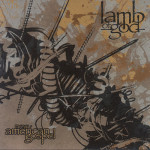
lamb-of-god-_-new-american-gospelLamb of God – New American Gospel

Upon viewing this title, the prospective listener might be intrigued to ask “what is this new gospel?” Answer: the gospel of insincere mediocrity. Half-assed guitar riffs combine the worst elements of a moron’s interpretation of hardcore (autistic caveman rhythms) and speed metal (obvious riff sequences) with a fruity veneer of constipated teenager vocals. Tracks start nowhere and lead nowhere, with nothing connecting one moment to the next; a stream of irrelevance. Expect plenty of repetition which Lamb of God, like all metalcore bands, tries to disguise by being as random as possible. You know who else uses that strategy? Nu-metal bands. This is basically a kissing cousin to nu-metal anyway. It’s music designed for distracted teenagers to distract themselves further until it’s time for a lifetime career in something brainless to match their braindead approach to life. How anybody with above a single-digit IQ could enjoy this escapes me. Sadly for all of us, this title is accurate: the future of America is a populace that considers this a valuable piece of music.

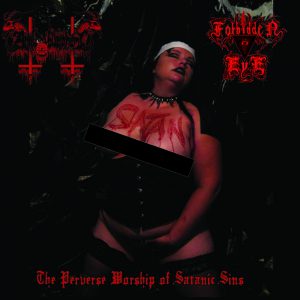
Anal Blasphemy / Forbidden Eye – The Perverse Worship of Satanic Sins
Anal blasphemy starts off with three tracks of simple death metal with a strong melodic hook. It is however rather straightforward in structure which leaves creates a sense of uniformity. Riffs are very similar. The final track uses a melodic lead-picked counter-riff which adds some depth but ultimately these songs are one step removed from their beginnings, so despite the compelling rhythm and melodic hooks they might not survive repeated listens. Forbidden Eye produces a more lush approach to melodic metal which is clearly in the droning black metal camp, but avoids the pure sugar-coated repetition common to the Eastern European variant. Its weakness is that there is not much in the way of a unique voice; we’ve heard these tropes before and recognize the song patterns well. If you can imagine a Dawn or Naglfar approach with more intensive drumming that is roughly what you’ll get here, well-executed but undistinctive both melodically and stylistically.

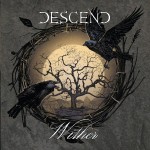
descend-witherDescend – Wither

The rock ‘n’ roll industry is a successful industry that attracts players who are highly professional. They know what the product is, and how to do do the minimum to achieve it; this practice, otherwise known as shaving margins, is based on the idea that the other guy will cut his costs to the minimum too in order to both lower price to make the product more competitive and maximize his own profit. If two guys make a widget, and one does it for five bucks less, that’s pure profit. In the same way, rock ‘n’ roll is based on fast turnover and following current trends so you can catch the media wave. I hear death metal is big now, like trendy. This album attempts a facial similarity to death metal with the whispery vocals of Unique Leader bands and lots of runaway blast beats followed by metalcore riffs, but after a while, they drop this and out come to the jazzy riffs based on a scale bent to a series of offbeats of offbeats in a complex pattern, and the soft-strummed ballad chord progressions and melodic hooks. The problem is that the guitar rhythms, like those of the vocals in hip-hop, are based on subdividing a rhythm and thus rapidly become highly repetitive, both internally and between songs. The result is that it all all fades into the background, as should this rather unambitious and directionless release.

reciprocal-new-order-of-the-agesReciprocal – New Order of the Ages

A “thinking man” band name written in a sterile font and a “politically informed” album cover. Is this more metalcore in death metal clothing? You bet. While this band is claiming influence from Deeds of Flesh and other Unique Leader bands for legitimacy, this has more in common with Necrophagist or The Black Dahlia Murder. Mechanical groove riffs are “spiced up” with sweep arpeggios and generic Slaughter of the Soul riffs appear over blast beats for the “brutality”. This is boring music with nothing to offer. Perhaps musicians this good need a better concept to work with than shouting out Alex Jones podcasts over Guitar World lessons from metalcore guitarists played at 220 bpm. I couldn’t tell the difference between this album and any other modern tek-deaf release. If these guys were to spend less time on conspiracy websites and more time thinking about why people still turn to their old Morbid Angel and Immolation albums instead of these tek-deaf bands (or how to structure their music to not be a series of discontinuous parts), maybe they could create something useful. Otherwise, this is Origin with propaganda attached looking to steal some time from metal fans while keeping Xanax addled brofist D&B homeys (Rings of Saturn fans) satisfied with more inconsequential ADHD music which will be forgotten a week later.

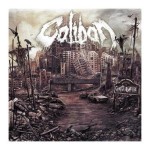
caliban-ghost-empireCaliban – Ghost Empire

Occasionally I’m amazed that something actually got signed because it’s so terrible and then later I see it on the bestseller list. The taste of the herd will never fail to shock and amaze, mainly because what they like is simple: (1) the same old stuff but (2) in some radical new format that’s easy to see through so they can appreciate the sameness of it. Modern society is about anonymity and personal convenience, so why not music that you can project yourself upon, that requires you to know or feel absolutely nothing except the most transient of emotions? Caliban have it for. Ranty Pantera verses over djent-inspired harmonically-immobile riffs lead to sung alt-rock style choruses with lots of hook and lengthy vocalizations, but essentially no melodic development. As a result this is super-repetitive in that its song structure is circular to the point of linearity and the songs at their core consist of two-note clusters in riffs stacked up against four-note chorus vocal lines. Every now and then they get tricky and play rhythm games with riffs that were well-known before Metallica formed. The main factor that kills me is the repetition. It’s as if the whole album is a conspiracy of details designed to hide the fact that it’s basically the words of a drunk, repeating himself unsteadily and then doubling his volume and saying the same thing. This might be good music to listen while doing laundry or some other task that numbs the brain because the effect of this music is to validate tedium, repetition and simplistic pounding. Unless your brain fell out long ago, avoid this reeking turd.

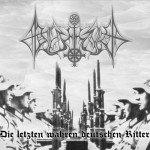
blutkult-die-letzen-wahren-deutschen-ritterBlutkult – Die letzten deutschen Ritter

I always wondered what would happen to the formal nationalists in metal. We knew that founding bands like Bathory, Darkthrone, Burzum, Mayhem, Immortal, et al were nationalistic in the sense of national pride and perhaps more. But it’s a leap from that to connect with the organized far-right parties and mentality, and for a long time, NSBM seemed like it would remain in that world. Then hipsters started like Arghoslent and Burzum and so now being a Nazi is a “lifestyle choice” like being vegan or buying a Prius… the hardcore nationalist music has changed too, as this album from Blutkult shows us. It’s a three-way split between the old Skrewdriver-styled sentimental punk music, Renaissance Faire styled Celtic-y noodly melodic music, and the droning of punk-influenced black metal such as Absurd. As someone of profoundly anti-racist and egalitarian character, I find this to be alarmingly catchy and emotional. Die letzten deutschen Ritter brings out feelings of hope in me, and I don’t like it. It’s like a surge of elegance and an old world emerging from the ruins of this one. But that makes me uneasy, as do the Wehrmacht soldiers on the cover, the black suns and the vocal samples that sound like the man with the funny moustache himself. Regardless, this is where Graveland and Absurd have been trying to go for years. If they got rid of the stupid spoken intros and just focused on letting the music rip, this might be a really compelling release.

amoral-wound-creationsAmoral – Wound Creations

While their current output is being lambasted for being radio friendly rock/metal, this “technical death metal” debut album is given unwarranted praise for being some kind of masterwork. Too bad this is just metalcore. Chugging groove riffs played in mechanical stop-start sequences make room for AOR “extreme” stadium metal melodies like Soilwork, and little else. While the playing is adept, the music is annoying and makes their latest album sound favorable by comparison for being honest commercial radio muzak that’s not congested with unnecessary ornamentation and fake aggression. If Nevermore made a mash up between Soilwork at it’s most commercial and Meshuggah at it’s most mechanical while Chimaira make MTV edits out of the recordings, you might end up with an album like this: sub-par music, but at least they know how to play. Too bad they sound like any other generic metalcore band signed to Century Media circa the 2000s with growl vocals (done in the metalcore faux-aggressive style). A terrible excuse for metal that without a doubt brings great shame to Finland.

2 Comments

Tags: , , , , , , , , , , , , , ,

Classic reviews:
A B C D E F G H I J K L M N O P Q R S T U V W X Y Z