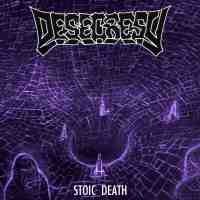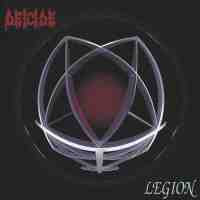
Metalheads should never forget how once upon a time metal was music for outsiders:
106 CommentsTags: nkvd, richard ramirez, smr




Metalheads should never forget how once upon a time metal was music for outsiders:
106 CommentsTags: nkvd, richard ramirez, smr

сука блять! When I first started working on the philosophy of parallelism, I saw a way around the modern fixation on singular cause-effect. It is more complex than polycausality, more like pattern causality, because many things have to be in place for a touchstone event to formalize what has already been in motion.
46 CommentsTags: buttchrist, eucharist, Exodus, smr
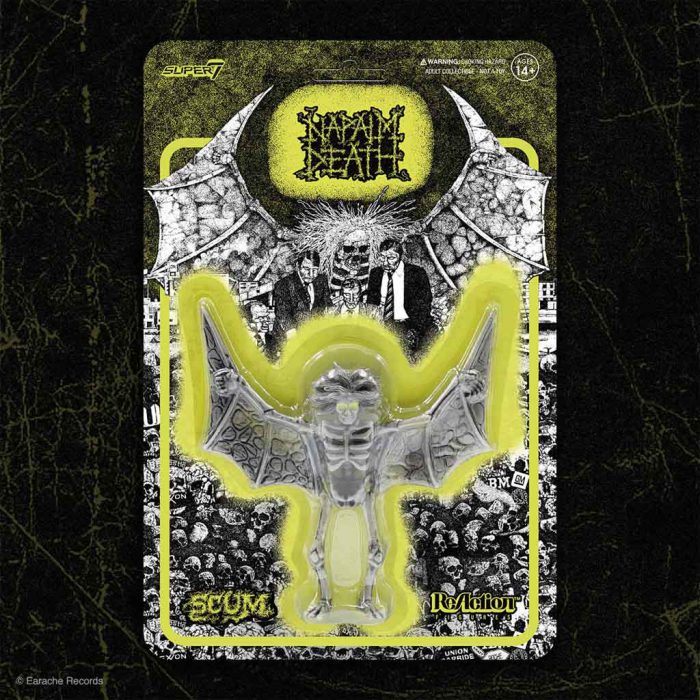
Everything must run its arc, and for grindcore that arc apparently ends in being commercialized just like everything else. Rendered in plastic, served up on styrofoam, simplified to obsequious edginess, and yours for the low, low price of $19.99, the new Napalm Death Scum “Reaction Figure” glows in the dark just like your FBI agent.
34 CommentsTags: Grindcore, merch, napalm death, toys
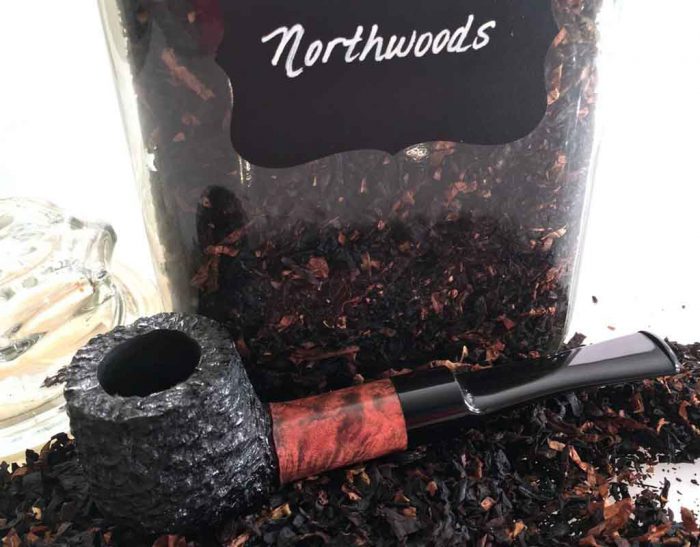
They always tell you to “think outside the box,” as if having everyone focused on non-conformity will result in anything but a new variety of conformity. So much of life comes back to the mirror image, where we are staring at a representation of ourselves, and trying to change how it looks, despite everything happening in reverse since left is right and right left.
2 CommentsTags: gawith hoggarth & co., pipe smoking, pipe tobacco, pipes, tobacco
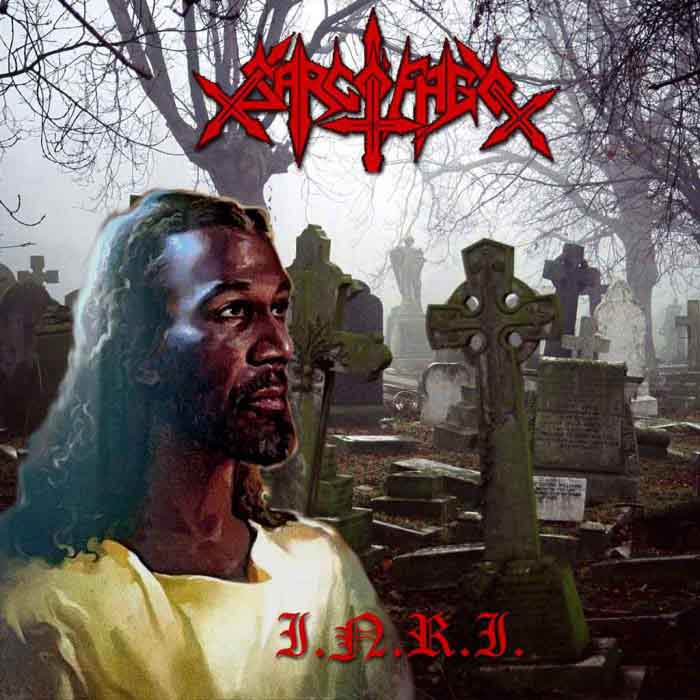
Foundational proto-black metal band Sarcófago announced today that its 1987 classic of blasphemy, I.N.R.I., has been re-issued in a “woke version” by Washington, D.C. label Dischord and will be in stores shortly, packaged with a commemorative Satanic Lust N95 face mask.
4 Comments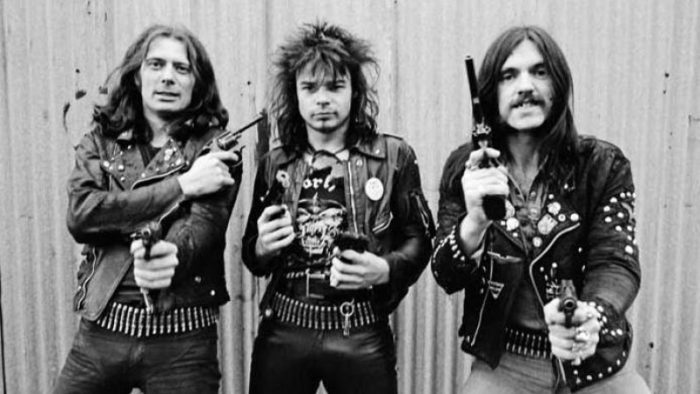
From a recent publication of Perfect Sound Forever, some information echoing our FAQ about the origin of heavy metal:
Leaving out the blues element in the late ’70s, metal pioneers Judas Priest and Mötörhead had used their heaviness while keeping in line with the attitude of punk to create a sound that was heavy rock n’ roll punk filled with economic guitar solos, much like those heard in the Ramones and Sex Pistols. In fact, Mötörhead’s 1977 self-titled debut, which had included the element of speed, had often mixed the sound of classic rock with punk and the ’70’s glam rock of Bowie and Slade. This would soon would be followed by ’80’s metal pioneers Saxon, Iron Maiden, Def Leppard, Diamond Head and Girlschool who had added a great amount of guitar dexterity to the mix becoming a prime characteristic of ’80s metal music from the beginning.
In addition, the article addresses some of the concerns with commercialization and assimilation that came straight out of the 1980s:
When considering ’80s metal, one has to recognize that although the spirit of punk from which it came had mainly focused on anarchy, anti-consumerism, anti-corporate control, much of it, particularly glam, had taken on a strong commercial aspect in the rise of a particularly increasingly commercial period. Mixed with a sporty look and big hair when an enormous mix of different music and styles had existed, after following on from punk and much that was derived from classic rock, metal music in the ’80s had flourished as corporate rock in a period when the commercialization of music saw the rise of an unstoppable corporatization on a wide international scale- indeed, major U.S. record companies were selling themselves to media moguls in Japan and Europe. In fact, metal was a music engulfed by a “give me the money decade” full of excess – drink, women, hair, drugs in a period which saw the beginning of fragmentation in music when the rebelliousness that once seemed to possess more innovativeness and originality from which it had originally stemmed from became swallowed up by commercialism.
In fact, one of the original ANUS articles, now lost to time, was about the difference between commercialism of a non-commercial genre and being within a commercial genre like Queensrÿche or Iron Maiden, who did their best despite coming from the aboveground.
4 CommentsTags: 1980s, assimilation, commercialism, Heavy Metal, underground
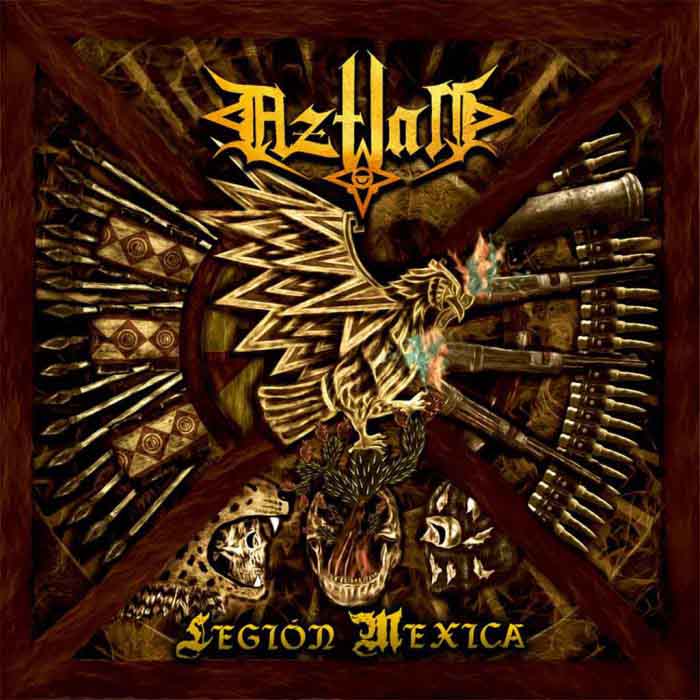
Speed metal effectively died once Sepultura mixed it with nü-metal and punk on Roots, but that also uncovered a new style by revealing that speed metal mixes well with tribal, folk, and classical influences, something Aztlan explores on Legión Mexica, a feast of Spanish- and Mexican-themed folk styles mixed with Pantera/Metallica style bouncy speed metal.
8 CommentsTags: aztlan, folk metal, mariachi, Speed Metal
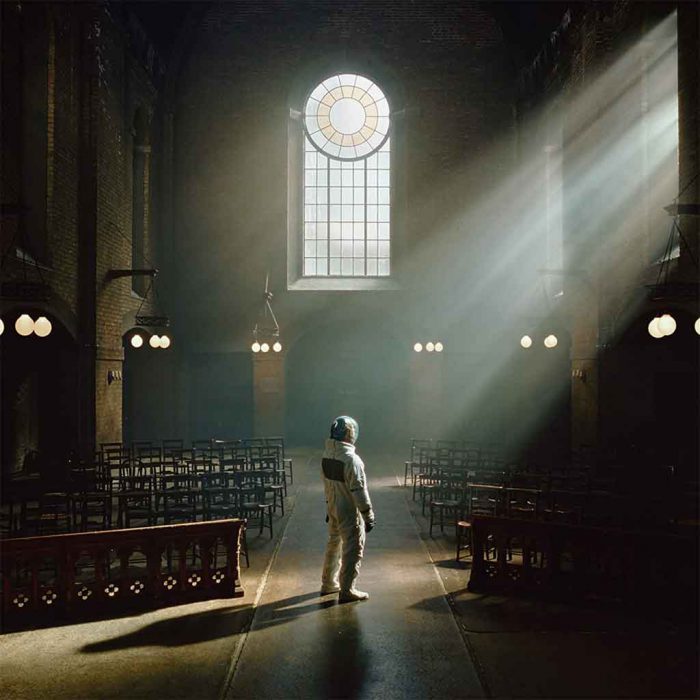
On this site, we have always used the term “metalcore” to apply to any rock, metal, and punk hybrid, since they all converge on what they have in common, which is rock. Currently Architects are widely praised by the media, which makes sense because this empty gesture of an album is Clown World fodder.
13 CommentsTags: architects, metalcore

American music as an industry peaked in 1995, when thanks to the new hip-hop boom, CDs fully taking off, and a record number of Generation X consumers buying music, record sales went through the roof. However, right after that point, something went wrong.
22 CommentsTags: record labels, recording industry, vinyl

The official narrative in all things exist to sell people products, whether ideological or commercial, and so always consists of half-truths, namely some things that are facts, but carefully leaving out others to let your mind fill in the rest as is convenient for the sellers.
10 CommentsTags: andres segovia, Classical, classical guitar, rock