Trendkillers #2: Blast Beats Must Die!

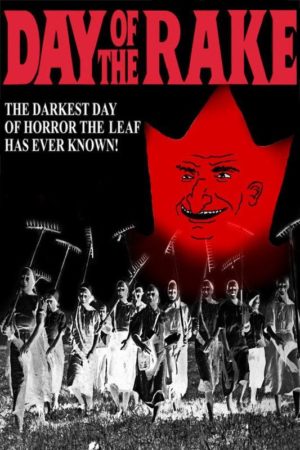
The blast beat has had a very unlikely journey through its relatively young lifespan in music.  Rooted in a jazz technique of an alternating bass drum/hi-hat and snare 16th note pattern (though played at much slower tempo in jazz music), it found a unique identity in the early 1980s when underground hardcore punk bands like Siege and Asocial began using it at aggressive speeds to enhance their violent bursts of rebellion.  This made it a close friend of metal when the middle of the decade saw a fledgling death metal movement getting its hands dirty with hardcore punk speed and sound in an effort to push its own extremity.  Over the next 15 years, several drummers would rise to prominence with their clever use of the blast beat to either push these combinations to extreme speeds or to utilize them enduringly for an effect similar to trance music.  Suddenly, every metal band that wanted to play fast or play simplistically HAD to play blast beats, and we eventually reached a point where blast beats were the most dominant part of every death and black metal song’s drum composition.

For the future of death and black metal to establish themselves distinctively, they must abandon what has become routine and keep only what is necessary to preserve their underlying spirit.  And with this understanding comes an unfortunate truth- the beloved blast beat must be laid to rest, so that new life in metal can grow.
(more…)

39 Comments

Tags: , , , , , , , , , , , , ,

A Blaze in the Northern Sky Turns Twenty-Five

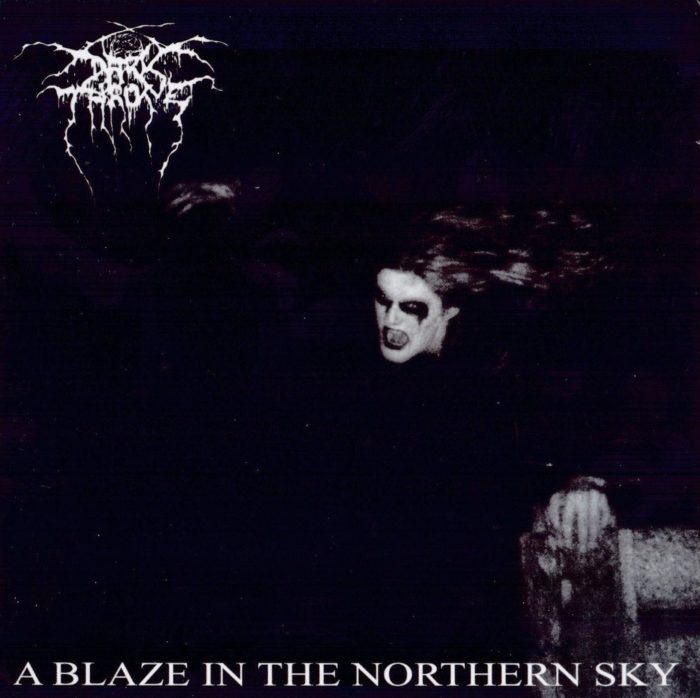
Darkthrone‘s second album, A Blaze in the Northern Sky, turns twenty-five today. For much of the mid 90s, Darkthrone constantly referred to A Blaze in the Northern Sky as their first album as it was the first commercially released record to adopt the quick and dirty “necro” production style and to have been part of the Norwegian black metal second wave initiated by Mayhem. However most of the individual musical inspirations were audible on their prior Soulside Journey album recorded at Sunlight Studio; the compositions on A Blaze in the Northern Sky were just much more sparse and droning due to different overall compositional goals reflecting the shift from progressive death metal riff mazes to minimalistic Hellhammerism.

(more…)

24 Comments

Tags: , , , , , , , , ,

Darkthrone – Arctic Thunder (2016)


Article by Lance Viggiano

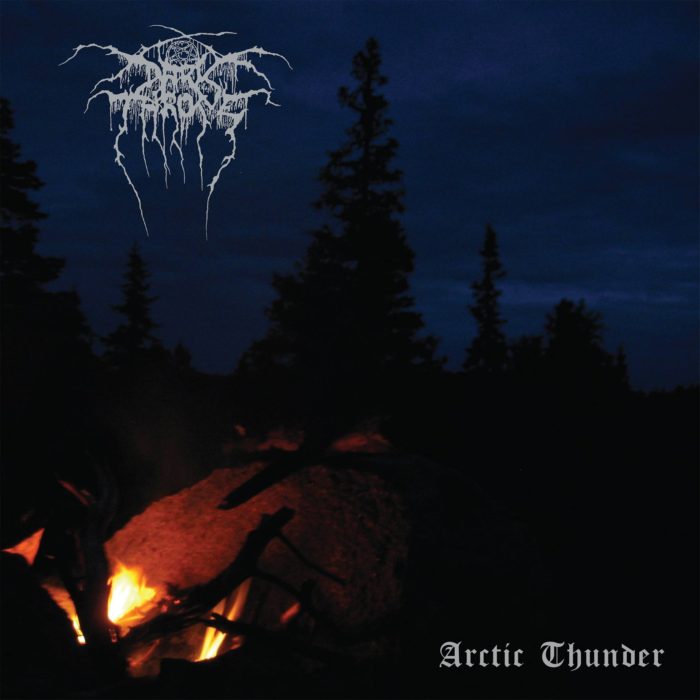
Darkthrone have spent the records FOAD through The Underground Resistance regressing into their pre-Celtic Frost influences. Sensing their customers’ growing unpopularity with this black ‘n’ roll approach, Fenriz and Nocturno Culto try to save face on Artic Thunder by regressing into their own work. The upshot is that nobody but Miller Lite Throne can sell mediocre riffs in cyclical songs as well as these two. The downshift is that they cannot muster enough enthusiasm or energy to play their own ideas with the dedication of a devoted bar-tier cover band.

(more…)

29 Comments

Tags: , , , , , , , ,

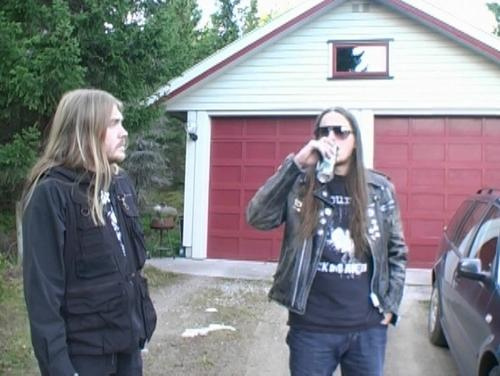
Varg on Darkthrone

darkthrone-fenriz-beer

Varg Vikernes reflects on Fenriz‘s alcohol consumption, BurzumDet som engang var‘s CD release, the intelligence of Darkthrone, and the toxicity of the scene centered around Helvete in a video uploaded to his ThuleanPerspective Youtube channel. Want to know about how Fenriz felt about Euronymous‘s death and threats toward Varg? Let’s find out!

(more…)

16 Comments

Tags: , , , , , , , , , ,

Possessed by the Moon

full moon norway

Article by David Rosales.

A legendary time and place for underground metal, the Norway of 1993 is an esoteric landmark (1994 being the exoteric) in time and space in black metal history. It saw the rise of a mythology of its own, the mythology of black metal, and an eventual catastrophic demise worthy of a saga of its own.

(more…)

25 Comments

Tags: , , , , , , , ,

Crushing the sacred idols – Transylvanian Hunger (1994)

transilvanian hunger

Article by Lance Viggiano, read the more positive DLA review here

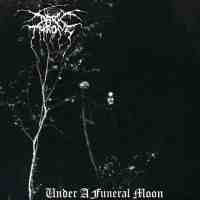
1993’s Under a Funeral Moon displays Darkthrone at their peak of creativity with a depth of vision that is initially challenging and abrasive yet contains a high degree of musically which constructs an experience out of relatively simple components and nuance whose reward is inexhaustible. Many place the decline of the band somewhere between 1995’s Panzerfaust and its follow up Total Death; in truth, Darkthrone as a creative force reached its nadir on 1994’s Transilvanian Hunger.

Unlike its predecessor, this record lacks in subtly and nuance. Gone is the inventive call and response of “To Walk the Infernal Fields”. The listener is mistreated by being deprived of the atonal, uncomfortable but highly inventive melody of “Natassja in Eternal Sleep”. Within the first minute, one will have gotten the gist of each track as the songs remain in a static pulse of two or ideas with a third idea serving as a bridge back to the initial thoughts, an interjection or an outro. Any relationship to an underlying narrative is tenuous to the charitable and absent to the honest. This is not a call for novelty in music as over time nothing remains novel; rather, it reveals a lack of dynamic character which offers no reward in a full listening of any track here; especially after the initial novelty fades with repeated listening.

As a piece of minimalism, this record fails abjectly. What is found in the successful minimalism of Eno, Reich – or perhaps Kraftwerk in moments – is the layering of simple ideas composed for multiple instruments in which absolute simplicity is woven together to create evocative if not complex art. Darkthrone instead chose to compose only for the guitar. The bass follows root notes of the guitar in a paltry attempt to give body while the drums meander near ceaselessly on a blastbeat which is only occasionally broken by an uninspired fill or a canned metal pattern. Their inclusion is questionable and unworthy of discussion or serious consideration. Their merit is valuable only to a critic as a display of the artists’ lack of confidence in leaving behind genre tropes to achieve a full realization.

Where the album finds success is by pandering to the overly sentimental via – admittedly – effective melodies and well executed aesthetics. Neither excuse the sheer laziness of construction nor the complete dearth of rhythmic variance and supportive content to fill out the body of the music. Instead what is presented is weightless and immediate music whose significance can only rely on memory of time and place; a sense of nostalgia for the first experience. It is thus difficult to discuss the emotional qualities of this music due to the near loss of artistry on part of its creator(s) which robs the record of any vitality and spirit. The music is heartfelt and bittersweet – with varying degrees of success – but ultimately it exists, at best, as audible candy for the melancholic.

Transilvanian Hunger‘s inability to grow with the listener over time and its misapplication of minimalism, despite containing a strong melodic component, places the record just a slight cut above the bargain bin. 2/10

46 Comments

Tags: , , , , , , ,

Classic reviews:
A B C D E F G H I J K L M N O P Q R S T U V W X Y Z