Sadistic Metal Reviews – “Fuck Nostalgia” Edition

This world is composed of snares that waste your time. Their job is to reach out, grab you, and destroy your chances of doing anything more impressive with those moments. One snare is nostalgia. It’s Pavlovian. A scent, a sound or a shape reaches out to your senses and before you know it, a chain has formed in your mind. You’ve linked this new thing to a happy older memory and by sheer impulse, since memory is more idealized and thus sweeter than present tense, you just leap into enjoying it. It’s only later that you realize it’s empty.

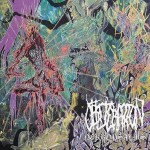
obliteration-nekropsalmsObliteration – Nekropsalms

Borrowing the aesthetic of nocturnal death and grind from Carbonized through Cadaver, Obliteration make a type of doom-death with heavy metal underpinnings that is very easy to listen to. Indeed, hours can pass while you listen. It may in fact be like being dead. There’s nothing wrong with this sort of pleasant withdrawal from active participation in life. However, although it doesn’t have any negatives, it also doesn’t add any positives. This is basically riff practice shaped by tempo into songs, sort of like those “modern art” sculptures made from whatever the artist had at hand. “So then I welded the dildo the engine block, wrapped the condoms around it, dumped paint on it and put a doll’s head on top.” Songs catchy and you’ll have a few favorite parts. Over time you will start hearing the lifts from Slayer, Deicide, Mayhem and others. Eventually this will leave you feeling empty. You will realize that these are riffs and nostalgia and nothing more. Total time elapsed: two weeks.

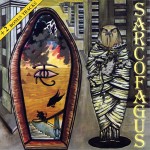
sarcofagus-cycle_of_lifeSarcofagus – Cycle of Life

As I go through life, it amazes me how many people know so much and yet can do nothing with it. They are able to memorize the outward details and even excel at that, but their understanding of the structure beneath is lacking so what they produce sounds like an imitation. This band, who are painfully awful and remind me of everything that makes metal loathsome, are an Angel Witch clone who through in more of the moddish blues and rock influences of the late 1960s and early 1970s to try to differentiate themselves. I don’t mean to be cruel; this is just painfully bad. It is not cliches, but rather slight modifications of known riff archetypes jazzed up with a little bit of well-studied technique, thrown together randomly. These aren’t songs; they sound like songs. They are imitation from the outward in, a student emulating the masters without grasping what motivated them. Turn it off… this is cringeworthy.

chtheilist-amechthntaasmrriachthChtheilist – Amechthntaasmrriachth

Gosh, we all remember the day we first heard Demilich like we remember the day we first “got it” with many iconic metal bands. That day is gone and will never be back. If you try to bring that day back, it’s like believing that a gold-plated aluminum idol is a god. You can’t restore that day by imitating it. Just like it wasn’t the beer, the temperature, the cycle of the moon, etc. that defined the day you remember as “the best day of my life,” it isn’t the outward characteristics that make Demilich. It was a vision in the minds and souls of its creator that was became the freaky music you know because that ecclectic combination was the only means to express what needed to be said. Imagine “It’s Raining Men” sung by heterosexuals; it just doesn’t deliver. Demilich isn’t its own style. Demilich is whatever motivated those artists to see the world a certain way and then express it. That being said, this Ctheilist album is an attempt to imitate Demilich and Timeghoul but because it’s outward-in emulation, it ends up being all technique. Underneath this is a very basic death metal album that uses relatively normal chromatic and minor key progressions, riffs and stylings. It resembles a collision between Nocturnus and Broken Hope. It’s quite good for that zone, but it’s not Demilich and while the tribute is touching, it doesn’t make this relatively ordinary music any more interesting.

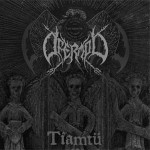
ofermod-tiamtuOfermod – Tiamtu

It’s hard to dislike this band aesthetically because it imitates the best era of Mayhem, the De Mysteriis Dom Sathanas year(s). Makes you want to kick back, open a beer and a light up a church, right? However, all things that are aesthetic without soul are pointless. Soul means a principle of organization that the artists want to express and communicate. It may be a feeling, a shape or a memory. But it is being expressed, or rather described, as the song takes you from a place of ignorance to a place of doubt to knowledge of the whole thing. When bands have no soul, it is because they are imitating the aesthetic of something. They are like OJ Simpson’s defense lawyers. However, there is no highest principle of organization because it is a checklist of things that imitate the past with no core, no center, no idea behind them. This album sounds like Mayhem’s Wolves Lair Abyss done in the style of De Mysteriis Dom Sathanas, since it cycles like circus music and goes nowhere. Beware nostalgia, it is a death grip on your soul.

http://www.youtube.com/watch?v=NgghSkLkviM

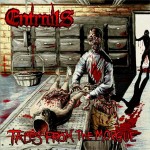
entrails-tales_from_the_morgueEntrails – Tails from the Morgue

Swedish death metal is the sleeper hit of the last 21 summers. Even babies and dolphins love Swedish death metal. Combine the crunchiest distortion possible with simple melodies and aggressive tempo changes, not to mention the characteristic use of textured strumming to give each piece an internal rhythm, and you have pure win as far as metal style goes. It’s like the phrase “do it for the children” in a political speech. But what made the greats great as opposed to footnotes like everyone to follow is more nuanced. At the end of the day, it’s two things: songwriting, and having something to write about. The best Swedish bands had about three good albums in them while they unleashed their perceptions as shaped charges of emotion mated to careful realism. The result was a shuddering cascade of layered sensations of total alienation that conveyed how intelligent people saw the yawning abyss of post-1980s modern society. And then there are those who imitate this, and like a costume ball or a carnival, it must be “fun” because it has no content. The immaculate production on this record is like a doctor’s rubber mallet tapping the knee, because the reflex jerks… and that’s about it. The lack of any further depth and the insistence on using the antiquated hard rock cliches of the 1980s makes this dubious, but the real absence is anything to tie these songs together and make them anything but jam-room projects. Might as well write “NOT Left Hand Path” on the cover to warn people.

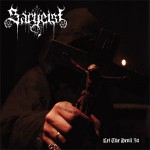
sargeist-let_the_devil_inSargeist – Let the Devil In
Post-1996 black metal is out of ideas. For example, how many times can you imitate “Bergtrollets Hevn” and “Måneskyggens Slave” (Gorgoroth) before you truly admit you’re using Silly Putty to life an image from a newspaper, then pretending it’s the real thing? The vocals on this album surge so consistently that it sounds like someone riding a merry-go-round while screaming at the top of his lungs. Despite an obviously intensive and thorough study of older black metal (probably with note cards and those little colored tab things in a binder) Sargeist has none of what makes the songs good. Like Ancient, it tends to like to use melodic minor scale patterns and then drift into more cheerful whole intervals, creating a sense of lifting out of darkness. Unlike Ancient, this band has no idea how to structure songs; these don’t go anywhere, but cycle around until you’ve heard all the good parts, and then evaporate. It’s tempting to want to like this because it’s catchy, sounds like old black metal from a distance, and isn’t all wimpified like more recent black metal. But it’s missing that core, the substance and the unique beauty that black metal found in darkness.

http://www.youtube.com/watch?v=L7DMl_wsKPo

Remember, nostalgia is a way of thinking that says your best days are behind you. You might as well write VICTIM on your forehead (remember to do it backwards if you use a mirror). The best days are ahead. They may not look like the old days, but that’s what life is all about: structure, not appearances. Celebrate the best of the past, and redouble your efforts toward a better future. There’s no reason you can’t do it at any age; Milton wrote Paradise Lost in his 80s, Raymond Chandler got published in his 50s for the first time, and Brahms was in his mid-40s before his first symphonies saw a performance. Take heart! Charge forward! Take no prisoners (and if you do, sodomize them)! Kill! Fight! Win!

18 Comments

Tags: , , , , , ,

Awareness Campaign …of Death

People all across the globe are divided by race, color and creed. One thing we all have in common is death: All are equal in death.

There are many misconceptions about death. We will only have freedom when we can speak freely and openly of death. The Awareness Campaign of Death will educate people on such topics as:

  • “When is the right time to die?”
  • “How to die safely”
  • “The consequences of dying”
  • “What you should do if you are dead”

Everyone’s death is special and unique. Remember: someday your life will be taken. But no one can take your death!

The Awareness Campaign of Death is a non-profit organization and campaign to educate people and spread awareness of death.

Zero death becomes the leitmotiv for universal safety. — Jean Baudrillard

Many die too late, and some die too early. Yet strange soundeth the precept: “Die at the right time!” — Friedrich Nietzsche

‘Tis a vile thing to die, my gracious lord,
When men are unprepared and look not for it. — Shakespeare [Richard III]

You pray for death
Mourning does no good as you can only die once. — Morbid Angel

When I was young, I was extremely scared of dying. But now I think it a very, very wise arrangement. — Ingmar Bergman

I am become death, the destroyer of worlds. — Bhagavad Gita

No one can confidently say that he will still be living tomorrow. — Euripides

Tomorrow is a fine day to die. — Bathory

I didn’t attend the funeral, but I sent a nice letter saying I approved of it. — Mark Twain

5 Comments

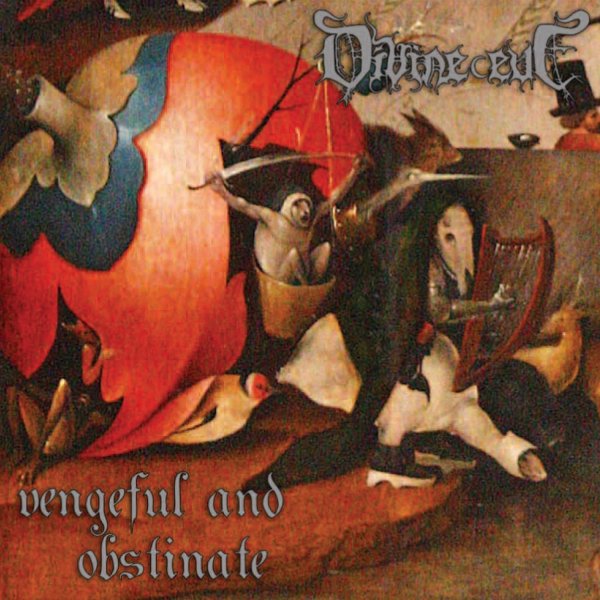
Divine Eve – Vengeful and Obstinate

divine_eve-vengeful_and_obstinate

Divine Eve‘s Vengeful and Obstinate is a three-way cross between Entombed, Motorhead and Cathedral. More technically adept than most doom metal, it alternates between two-chord riffs that are pure surging rhythm and longer, plodding, doom riffs that reduce your soul to ash. On top of the thunderous doom melodic guitar leads both echo and play with the melodies of those long riffs, opening up the sonic space of the album to more possibility.

No Comments

Tags: , ,

Niccolo Paganini: Virtuoso or Devil?

niccolo_paganini

Niccolo Paganini: the name is well known among violinists. He belongs to the exclusive club of musicians known as virtuosos.

Sickly since his birth on October 27, 1782 in Genoa, Paganini’s virtuosity was astounding. He began playing the violin at age seven at the insistence of his father, Antonio Paganini. Antonio Paganini was a mediocre mandolin player who forced his son to practice long hours. At the age of thirteen, Niccolo was sent to study with a famous violin teacher named Alessandro Rolla. Rolla, upon hearing young Niccolo play, refused to take Niccolo as a student because he claimed he could teach Niccolo nothing.

Niccolo continued playing and performing in his native land, and soon received a reputation of being the best violinist in Italy. People began to speculate about Paganini’s great talent, and began to wonder about his gift. Paganini became known as a “Hexensohn” or witch’s brat (de Saussine, Paganini 113). Paganini’s demonic reputation became so widespread that his talent was often attributed to the belief that he had help from the devil.

Paganini began touring Europe when he was in his early forties. At the time, no one had ever seen or heard anyone, or anything, quite like Paganini. For a time, Paganini capitalized on this difference by encouraging the rumors of his supernatural abilities. It was common for him to arrive at a concert in a black coach drawn by black horses. Paganini himself would wear black. Schwarz states that Paganini would enter the stage late, like a non-terrestrial creature, and bow to the audience(Great Masters of the Violin 181). Paganini’s stage presence increased the rumors of his dark affiliations and the rumors soon became outrageous. One of the most popularized reports explained his extreme dexterity with one string. Schwarz explains that many believed Paganini had been imprisoned for a love affair with only his violin for company. One by one, the three upper strings broke, leaving only the G-string. Paganini soon learned to play on the G-string alone because of his imprisonment (Schwarz 176). Paganini tried to dispel these myths later in his career, but it was too late. Paganini became known as a “technical wizard” (Schwarz 179).

Paganini’s technique was outstanding and unusual, but it was his satanic bearing which caused great crowds to attend his concerts. Schwarz states that “It was more than technical wizardry that attracted the masses: there was a demonic quality as well as an enticing poetry in his playing” (Great Masters of the Violin 181). One instance of superb technique being mistaken for supernatural guidance was the “duel” between Lafont, a famous French violinist of the time, and Paganini. Lafont had volunteered to give a joint concert with Paganini; however, people gained the impression that the concert would be a contest. Paganini was the unofficial “winner” of the contest. Schwarz states that Paganini “won” by improvising during the concert by adding octaves, thirds, and sixths (Great Masters of the Violin 172-173). Paganini was always eager to showcase his technique. Sachs states that Paganini, at a concert in Paris in 1832, played his Sonata a movement perpetual at an amazing twelve notes per second (Virtuoso 33). Most people find it difficult to imagine twelve notes in one second. Paganini managed to play twelve notes in the same amount of time it takes for most musicians to read twelve notes. Paganini’s talent extended from the mere mechanics of technique to innovations in technique.

Paganini is the father of modern violin technique. One innovation Paganini began is the practice of memorization. Violinists before Paganini always used music during a concert. Paganini, on the other hand, would boldly walk onto the stage, shake back his long black hair, place his violin under his chin, and begin to play without the aid of music. Audiences were astounded. They marveled at the thought of one man memorizing an entire program of music. The current practice of memorization was attributed to Paganini’s supernatural abilities. Paganini’s innovations were recognized as early as 1829 by the German violinist Guhr. Schwarz summarizes Guhr’s theories on Paganini’s innovations into six categories:

  1. scordatura, which is the mis-tuning of strings to enable the violinist to play in another key without shifting;
  2. unorthodox bowing, such as bouncing the bow on the strings;
  3. left-hand pizzicato, which allows a violinist to create the staccato sound without using the bow hand;
  4. an extensive use of harmonics;
  5. using the G-string for entire works;
  6. bizarre fingerings (Great Masters of the Violin 196)

All of the techniques listed above were new and created sounds never heard before. These new sounds which Paganini created caused audiences to react favorably, even if they thought Paganini was possessed by the devil.

Paganini’s appearance completed the image of the satanic violinist. Paganini’s dark hair and pale face contrasted, giving him an ethereal aura. The loss of his teeth in 1828 gave his face a sunk-in appearance, which added to his ghost-like image. Few concert goers were left unmoved by a performance given by Paganini. Boerne, a German poet at the time, described his impression of a concert given by Paganini: “It was a heavenly and diabolical enthusiasm, I have never seen or heard its like in my life” (Schwarz 185). Paganini’s ability to entrance an audience can be attributed to his physical appearance and to his technique.

The myth surrounding Paganini lingered even after his death on May 27, 1840. Since Paganini had refused the final sacrament, he could not be buried. His remains were kept in a basement for five years until his family petitioned to have them buried. Many people speculated on his refusal of the sacrament. Some said he did not believe that he would die, while others said he was a non-believer (Sachs 32). The result of his refusal of the final sacrament once again raised the question of Paganini’s origin.

Paganini’s origin was not in Hell as the myth propagates. Paganini’s accomplishments were due to his diligence and hard work. Few realize the amount of practice required to perform effortlessly. Paganini had the gift to not only create beautiful music, but to create an entertaining performance. At the high point of his career, every concert Paganini gave was sold out. The sensation Paganini created in the 1830’s can be compared to the Beatles invasion in the early 1960’s. “Paganini Mania”, like “Beatle Mania”, caused a change in the music style of the time. However, Paganini can also be compared to Elvis Presley, who began to lose popularity during the last few years of his life. Paganini, at the time of his death, no longer created the image that he had earlier in his career. However, in spite of all the rumors, Paganini managed to originate a style of music which is still alive today.


A Selected Bibliography
Saussine, Renee de. Paganini. New York: Hutchenson & Co. (Publishers) Ltd., 1953.

Sachs, Harvey. Virtuoso. New York: Thames and Hudson, 1980.

Schwarz, Boris. Great Masters of the Violin. New York: Simon and Schuster, 1983.

No Comments

Tags: , , , , ,

Why I’m a Hessian and not a metalhead

hessian_goat

There are many books, movies and CDs that float through our lives.

When we really like many of a certain type, we may identify with them. “I like Romance novels! I like disco!”

If you like the music, you’re a metalhead. You like to buy certain things and listen to them.

If you like the ideas behind the music — the lifestyle, the worldview, the imagery and most importantly, the spirit — you need to use a word that means you are more than a consumer of metal music.

You’re a Hessian. Derived from California slang from the time when Slayer were starting out, this term refers to the mercenaries who fought for both sides during the Revolutionary War — from Hesse, in Germany, they had long hair and fought like demons.

Obviously, this term belongs with the person who loves the abstract ideals of metal!

Anyone can be a metalhead. For under $100 you can get a starter collection, and if you hit the thrift stores, you can pick up some classic ironic metal tshirts for under ten bucks.

If you really want to appear extreme, you can go the ‘kvlt’ route and buy up classic releases on ebay, then refuse to like anything that has more than two chords.

Or you can be an Opeth fan and talk about how profound and progressive your music is.

Either way, you’ve bought yourself an identity with your cash and time.

But is that really a commitment? Nope, because you can whip that identity off in 30 seconds. Put the CDs back on ebay (where they seem to recycle; wonder why). Give the tshirts to Goodwill (same situation). Take the posters off your walls, buy a Miles Davis CD and a beret and you’ve got a new lifestyle.

But to be a Hessian means you identify with the ideas and have made them your own, just like when you find a philosopher who answers part of the question of life for you. You become a Schopenhauerian, or Nietzscheian, or Kantian — perhaps all at the same time.

Being a metalhead is just too easy. Being a Hessian takes commitment. I don’t begrudge those who want to pass through metal on their way somewhere else, and in fact cheer them on if they recognize this fact. But it’s the Hessians who always impress me.

7 Comments

Tags: , ,

Best metal of the decade 1999-2009

The twee indie hipster ironists at A.V. Club put out their list of the 100 metal albums of the decade, forgetting of course that what we, the listeners, need is”quality over quantity.” We don’t have endless time, money, or even bandwidth to explore all the goofy stuff that seems nuanced and interesting to a reviewer who will listen to it twice in his lifetime, once to write the review and once before he shuffles that promo CD on to Half Price.

This list is not going to make me friends at big labels who want you to pick up the latest dreck by some indie rock band that started playing metal ironically. It won’t win you scene points with the kvlt and trve. It will surely not impress your friends with how open-minded, cool and different you are. What it will do is re-awaken your interest in some of the best metal made during this decade, even if it was so good there was no need to make drama about it, and so it slipped under our radar as the years went by.

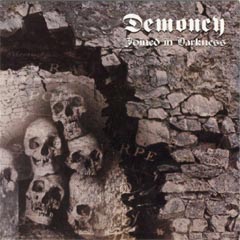
Demoncy – Joined in Darkness (1999, Baphomet)

When black metal had just discovered keyboards and carnival music, this lo-fi roar straight out of hell cut through the fat and pared our ears to the bone. Sounding like Incantation and Havohej, its primitive riffs in archly elegant songs retain their power a decade later.

Profanatica – Profanatitas de Domonatia (2007, Hell’s Headbangers)

For a return later in their career, Profanatica took the primal riffing of their earlier albums and worked it into longer melodies like a Swedish death metal band, creating an enduring mood of occult darkness.

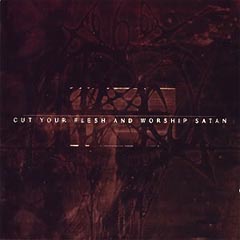
Antaeus – Cut Your Flesh and Worship Satan (2000, Baphomet)

This album sounds like battle, with clipped rhythms and clashing riffs, but out of that emerges a sublime sense of melody in one of the last albums to really uphold the old school of early 1990s black metal.

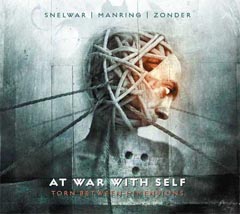
At War With Self – Torn Between Dimensions (2005, Free Electric Sound)

Most technical metal is an oil-and-water separation, but At War With Self find a voice that smoothly wraps a progressive/jazz jam session around metal riffs and emotions.

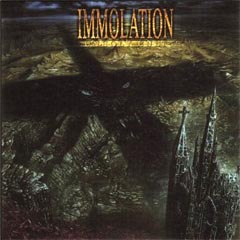
Immolation – Unholy Cult (2002, Olympic)

Immolation achieve a rarity: technical death metal that doesn’t aim for highbrow technique, but a solid slamming songwriting technique that never leaves you in confusion, and on this album, the guitar fireworks match the fire of the stories told by these vivid, evocative songs.

Beherit – Engram (2009, Spinefarm)

As if attempting to sum up the past twenty years of black metal, Beherit makes an album in the style of early Bathory but updates it with quirk and insight, etching a complex sigil that requires repeated listening to decode.

Skepticism – Alloy (2008, Red Stream)

Funeral doom hangs drooping waves of distorted noise upon mortuary keyboards, dragging us through a dirge of misery, but Skepticism make it sound like an interesting mindset we could explore and even enjoy.

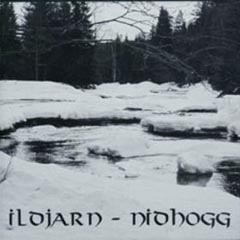
Ildjarn-Nidhogg – Ildjarn-Nidhogg (2003, Northern Heritage)

Ildjarn, with its minimalistic riffs and incessant high-speed drumming, is a band that people either love or hate based on how it sounds, but hidden in all that noise are transcendent short compositions that stroke the inner brain.

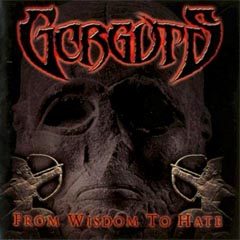
Gorguts – From Wisdom To Hate (Olympic, 2001)

Gorguts takes their subtly melodic brutal death metal and pulls it inside out to make mechanistic, complex song constructions that followed classical patterns and used multiple themes.

Summoning – Oath Bound (2006, Napalm)

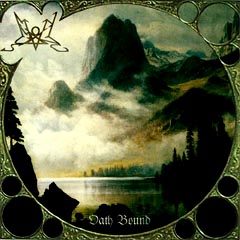
To bring the sound of ancient Hobbit-infused landscapes into black metal, Summoning slowed it down but played at higher registers and faster than doom bands, interweaving keyboards and longer guitar riffs to create an ambient metal sound.

Blaspherian – Allegiance To The Will Of Damnation (2007, Blood Harvest)

Blaspherian prove underground old school death metal is not dead with this music in the style of 1991, but with the wisdom of years of atmospheric metal channeled into these riffs that resemble a subconscious thought with their eerily familiar rhythms and shapes.

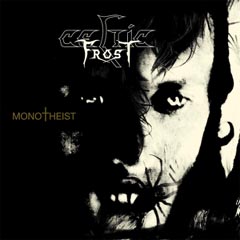
Celtic Frost – Monotheist (2006, Century Media)

Returning from a recent history of false starts, Celtic Frost get back to their 1987 sensibility and modernize it, mixing industrial, gothic, speed metal and morbid death metal into an energetic but necrotic album.

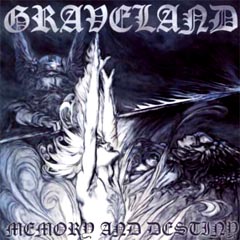
Graveland – Memory and Destiny (2002, No Colours)

To be epic, black metal needs to transport us from The Now to the vast and lawless past, a frontier that Graveland opens wide with their martial, Conan-influenced black metal.

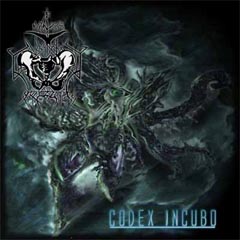
Cosmic Atrophy – Codex Incubo (2008, Metalbolic)

Just as metal gets codified, Cosmic Atrophy return to put the weird back into metal with a unique voice inspired by Demilich, Timeghoul, Voivod and all other metal bands from the other side.

Avzhia – The Key of Throne (2004, Old War)

Melding flowing black metal with militant fast drums, Avzhia take over where Emperor left off and throw in the new world sense of urgency and gritty, nihilistic, feral and crafty battle.

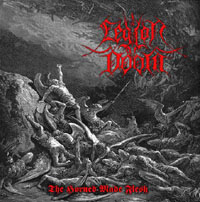
Legion Of Doom – The Horned Made Flesh (2008, Zyklon-B)

Like the roar of a hunting lion, this album makes destructive sound into a signal to attack, joining raw black metal riffs and melodic keyboards for a dreamlike listening experience.

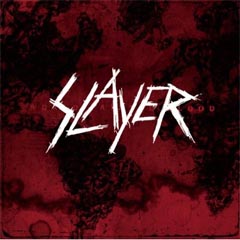
Slayer – World Painted Blood (2009, American)

After long years of not having an artistic voice, and trying everyone else’s vision by their own, Slayer drop most of the “modern metal” influences and pick up where 1992 left off, in simpler songs that use rock-style pocket rhythm but keep the classic acerbic Slayer riffs.

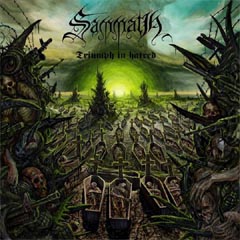
Sammath – Triumph in Hatred (2009, Folter)

You might think black metal died and got so mixed with other styles it had no voice, but Sammath have mixed death metal technique carefully into their black metal songs, making a testimony toward aggression that sounds like Zyklon-B merged with Angelcorpse.

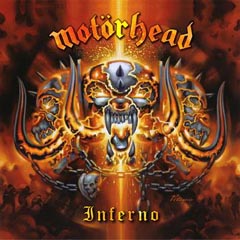
Motorhead – Inferno (2004, Sanctuary)

Motorhead have made a career of not changing their basic approach, and “Inferno” is no exception, fitting on the shelf next to the others but also being tighter, faster and darker than most of them.

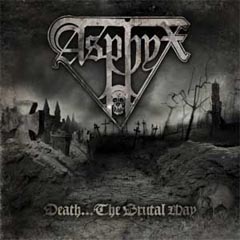
Asphyx – Death… The Brutal Way (2009, Ibex Throne)

Performing the rare trick of coming back 20 years later with an album as good and un-diluted as their first, Asphyx bring you heavy basic riffs and lots of repetition, but song structures that emphasize the profundity of contrast and give these songs spacious atmosphere.

See a more detailed version of this list:

No Comments

Becoming a classical listener

For kicks I decided to listen to nothing but classical music for a month. Having bounced around looking for the next genre to capture the power of old school metal, I realized that none were coming close, so skipped the drama and went right for the heavyweight — classical. In specific, I’d found the following frustrations:
  1. Jazz fans tend to praise music for its external traits, like how wild the sounds are, not the composition. This is because jazz composition is either based on pop music from the 1930s, or totally random. Most of the soloing is 80% random or memorized licks used to kill time while the musician tries to think up something good. Jazz fans don’t want to hear this because they listen to jazz to seem profound to their friends, and like talking about how it’s superior to every other form of music, especially country, metal and classical (“those people can’t improvise,” they say of the people who invented and still practice structured improvisation).
  2. I like the idea of noise music and many of the people involved with it. The music itself is fucking boring. It’s a texture study with some dynamic manipulation for effect, which gives them only a few semi-linear song structures they can develop. The result is a focus on the trivial, so that anyone who mikes his colon and samples a tractor engine through it then finds a way to distort it using atmospheric noise and biofuels becomes the Latest Genius, even though the end result sounds about like everything else.
  3. Similarly, I like the idea of industrial music, but it has been swallowed up by dance music and the beat-addicted nature reminds me of all I don’t like about our modern time: spoon-fed, concentration-interrupting, doofus-friendly society. Even stuff like VNV Nation, which is pretty brainy, gets old after a listen or two for this reason.
  4. I like the idea of country, and can enjoy bluegrass and pre-hippie folk, but not all the time. Much of it sounds very similar to my ears which may have to do with its reliance on similar techniques.
  5. I would never listen to metal for metal’s sake. That’s how you make something weak, by being an unquestioning audience. For this reason, other than a handful of releases, I skip out on post-1996 metal. The exceptions are great however.
  6. The “youth culture” aspects of popular music — how it’s a high-ticket item sold on certain assumptions, how millions of people use it as a cause/life/goal substitute, how it’s generally not profound thus people contort to give it extra gravitas — are what doomed metal and doom these other genres. I want to avoid the kiddie marketing and in-group/out-group social club aspects that get in the way of the music.
  7. This “youthiness” to the music means that you are expected to be willing to spend absurd sums of money, waste hours of time poking around magazines and web sites and youth chatter boards, all while becoming a target for the “youth market” of large corporations who realize that you can pander to people while condescending to them. They treat anything “youth” like it’s for morons and still people eat it up. They’re not going to do anything but insult your intelligence and cryptically hide information so someone can be the smartest monkey in the group for having found it.
  8. Popular music is, under the hood, very similar in melody, harmony and rhythm. As a result, dressing it up becomes the most important task. If you take a standard pop song and add a screaming female vocalist, a tuba player and a disco beat, it’s now “edgy.” Take that same pop song, drop the drums and add a chorus of gay penguins, and it’s “innovative.” Or just indulge in camp and mixed-up styles from the past and you’re “ironic.” Does anyone actually fall for this? Well, they know nothing of music theory, have little experience of life, and… here’s the secret: they have low self-esteem, are ordinary, but are trying to socialize by having something in common with others that they can trade around in a transactional basis. So they have rock music and they don’t care as much about the music as the cool.

Because of this, I chucked aside the notion of listening to popular music — at all. Even if it’s underground or indie, if it’s in the popular music format, that’s how it will be perceived and treated, which in turn affects how I’ll have to interact with it and get ahold of it. Specifically, I noted how the greatest artists were straining to escape the kiddie music ghetto, like Tangerine Dream, Kraftwerk, Fripp and Eno. Why keep pushing the dead agenda?

Instead I hauled out an already moderate classical collection and went on a shopping spree at Amazon and Joel’s Classical Music, a local shop. My idea was to go the opposite direction for a month and see where it led me. I didn’t do any research because I wanted to emulate the experience of the normal, curious listener who has a job and family and so discovers things by serendipity while the music is playing in the background, over the screaming kids, chattering coworkers, and blaring TV.

What made the transition hardest was the difference in dynamics. Rock music is meant to be a constant pulse; classical music is like a ocean wave, sometimes loud and sometimes inaudible, usually somewhere in the middle. With rock music, you hear the first thirty seconds and set your sound level; with classical, you really have to find the loudest part of the piece because the bulk of it may be softer.

Even more, there’s a textural difference. Where rock is guitars and bass and drums and vocals, classical musicians have a choice of more than a dozen instruments. They use them unevenly because what’s a good effect for one emotion, or part of an emotional journey, doesn’t fit in another. You can be awash in violins one moment, and caught up in bass and brass the next.

Finally, there’s a time difference. Rock music is three-minute songs, with a few exceptions. Classical music has some three-minute songs, but more commonly, longer pieces are composed of several movements. Themes are shared across these movements, like a conversation with question, answer, debate, modification and restatement. You can’t hum a melody knowing that in thirty seconds, after the chorus, it’ll be back.

But I did it: I spent a month listening to nothing but classical, except the unavoidable retro swing-rockabilly at the ‘Bucks and the clinky ringtones of my fellow subway riders. Having fought it through, I have a few recommendations for those wanting to get into classical music.

  1. Stick with the standards. Learn to listen to the music by sticking with the most time-tested successes, namely Mozart, Beethoven, Schumann, Brahms, Schubert, and Wagner. You can branch into baroque later, and modern classical later, as these are reaches. Learn first how to listen to the music.
  2. Don’t find the most obscure, dark and stormy or avant-garde classical you can. Every cretinous idiot who wants to show you how profound he is will come out of the woodwork and recommend you listen to Buttzurski’s Ten Meditations For a Dying, Fly-Covered Child in Marshall McLuhan’s Singularity, but the modern stuff doesn’t meet the challenge of the older and is in fact kind of trivial. Equally idiots will try to get you to listen only to “dark” classical or classical for rock fans. This is always a path to stupidity. Learn to understand the big names and anything else will be easy.
  3. Pick conductor carefully but worry less about orchestra and year. Conductors are like film directors; they interpret the piece and can either ruin it or make it shine. However, the difference between great conductors is minimal, while the difference between a great conductor and a bad one is infinite. Pick some established names, like von Karajan or Harnoncourt.
  4. Don’t shy away from Naxos. Naxos has a simple business model: find inexpensive orchestras in out of the way places to record classical pieces in interpretations based on the greats. It’s part-clone, part-practicality. We can’t all afford the big name conductor box set, but we can afford a $8 Naxos CD that uses a similar approach and unknown, rising musicians.
  5. Support your local classical store. Among other things, the people that work there took that job because they love the music — they’re not getting paid much. They are probably susceptible to polite conversation, almost always open to questions, and if encouraged, will give you a viewpoint you can use to plot your own course through classical music. If you find someone who hates everything you love and loves everything you hate, the value is not lessened — apply the “Rule of 180” and go nuts.
  6. Don’t tell your friends until you are listening to classical music regularly. People are going to try to talk you out of it because they fear that you’re going to see The True Musical Truth of Truthy Truthness, and turn around and treat them like they’d treat you, by saying that their music is the random mutterings of droning peon brains. Even if that’s true — and in my view, it is for most rock and jazz — you don’t want to get into that fight. Don’t act like the jazz fans. Instead, do your thing and when someone asks, tell them the composer name but don’t mention it’s classical. “I’ve been listening to a lot of this Italian guy, Arcangelo Corelli.” If you’re a total deviant like me, you can describe the music as atmospheric narrative instrumental music, and no one is going to think it’s anything other than Autechre with a voice-over.

I found it rewarding to throw out the rules and plunge into the abyss, and leave behind all the safety blankets I had come to know. I still love metal, but I’ve found that classical music listening has sharpened my ear and made it easy for me to throw out the crap metal and keep the best, which means that the metal in my life is stronger in quality not quantity and so it is able to compete well with any other genre. In addition, I’ve found a new musical passion that doesn’t require me to ever hear the term “ironic” again.

17 Comments

Tags: , , , ,

Sadist – Sadist

sadist-sadist

Many people, upon reading what we have posted here, assume we’re anti-progressive death metal. People note how much we squirt used nutrients all over Opeth, the latest Cynic or abortions of taste like Origin, and in order to justify their outrage, claim we don’t like prog metal. In fact, the opposite is true: we love prog metal, and go hog wild for bands like Atheist, Obliveon, Voivod, Gorguts and Pestilence. We even love classics of alternative progressive metal like Supuration. But what we don’t like is pose-prog, which is music that “sounds” progressive but is actually at blockhead levels of disorganization. Like Opeth. Like the new Cynic. Fake prog is bad prog, and because anyone who tries fake prog is probably a delusional and deceptive moron, is also usually bad music.

Today’s band isn’t death metal, and it’s “progressive lite” like Rush, in that there are difficult techniques and longer compositions at work, but not as much theoretical squirreling around key signature. From Italy, Sadist are a progressive death-ish metal band who love their keyboards, acoustic interludes and longer songs — just like Opeth. And like Cynic, they incorporate a ton of jazz-fusion technique, most notably in drums and bass.

On the whole, Sadist’s self-titled album is a lot like Obliveon’s Nemesis: beaucoups speed metal, some death metal, a lot of prog, some newer (“nu”) influences and then a sound all their own. What makes them different is that they are working in the genre split between speed metal and death metal where bands like Kreator, Destruction, Rigor Mortis and Slayer exist. Even more interesting is that by going progressive, they’ve approximated a sound halfway between older Sadus and newer Coroner.

The majority of the riffs on this CD are straight out of the speed metal canon, but on its rougher, more experimental edge, like those on Coroner’s “Grin,” and although they later merge with arpeggiated clean playing or lengthy keyboard interludes of a beauty not seen since Dimmu Borgir decided to rip off all that video game music for “Stormblast,” the songs follow a speed metal pattern like early Sadus: riff/chorus with divergences, but ultimately, returning to a fist-pumping foot-stomping chorus rhythm to complement the rhythms of drums and guitar.

The first track seems to me a fusion of the first and third Meshuggah albums, and that influences stretches throughout this album which made me at first want to avoid it, but the underlying music is of quality and fits in among other prog speed/death bands like Coroner, Sadus, Creepmime, later Voivod, etc. Vocals unfortunately show influence from nu-core (or more likely, Meshuggah), or all that metalcore-derived stuff (punk with speed metal pretensions and influences from metal, rock and jazz) that demands a ranting vocal rhythm that recurses every four syllables, causing out-of-the-closet assholes like me to wish we could make the vocal track Go Away for the remaining duration of a song.

These aesthetic concerns aside however, the music is quite good. What it isn’t is simplified enough in core, or theatrical enough, to stand out as well as the songs of, say, Atheist, so it’s less memorable. That isn’t to say less bad or less complex; in fact, it has more detail tied toward its core themes, but the core theme isn’t refracted throughout the details.

On the whole, this is a good album from an undernoticed band that has a better overall sense of metal going for it than its obvious competitive influences — Cynic, Meshuggah, Opeth, and Atheist are all influences here — with more of a sense of musicality than the newer “technical” bands that specialize in blockhead riffs at mind-bending speeds. It makes good rainy day listening, when the listener is already in a quiet state of mind and simply receptive, will find all the good this has to offer behind its somewhat cryptic aesthetic.

http://www.youtube.com/watch?v=_HiBQ9Ny770

2 Comments

Tags: , ,

The Best Metal Albums of 2008

Legion of Doom – The Horned Made Flesh (Zyklon-B)

This Greek band take their acerbic traditional metal and slowly meld in symphonic keyboard elements, making an album that is easy to appreciate but surpasses most others in artistic vision.

Motörhead – Motörizer (SPV)

Lemmy and Company rarely go completely wrong, and so they wing another one down the middle. Like all Motorhead, most songs are cut from similar patterns and the drone wears thin, but riffs remain cutting and rhythms compelling.

Neuraxis – Thin Line Between (Prosthetic)

We all know metalcore as a genre is like an omelette — throw everything in and hope the flavors carry a lowest common denominator mix. Neuraxis attack metalcore like a metal band, using melody and rhythm to centralize, to great effect.

Deeds of Flesh – Of What’s to Come (Unique Leader)

Getting experimental, this brutal technical death metal band play with some new ideas but deliver solidly resounding songs as they try to wrap their old school metal around metalcore technique.

Hellhammer – Demon Entrails (Noise)

Three bands formed this genre: Hellhammer, Sodom and Bathory. This re-release of formative material from the first of that triumvirate shows us again how mind-blowing it must have been to be there as it happened.

Gridlink – Amber Grey (Hydra Head)

Blurring grindcore with absurdist technical elements, Gridlink make an album that upholds the best traditions of thrash mixed with speed metal and technical death metal, and by keeping it short, don’t wander outside their content zone.

Averse Sefira – Advent Parallax (Candlelight)

This rarity upholds old school black metal and infuses it with classic death metal. Like Morbid Angel from the Convenant era colliding with Graveland from the time of Thousand Swords, this band makes vicious but beautiful music.

Bahimiron – Southern Nihilizm (Moribund)

Imagine early Impaled Nazarene and Gorgoroth combined: fast, melodic riffs with a tendency to deconstruct everything they touch. Although slightly confused in ideals, Bahimiron deliver music that does not compromise aggression or darkness.

Intestine Baalism – Ultimate Instinct (No Colours)

Swedish death metal fanatics make an album in tribute to all three eras of Swedish death metal — the initial surge, Gothenburg and NWOSDM, combined. It’s an improvement over their last and most things coming out of Sweden.

Master – Slaves To Society Re-Release (Ibex Moon)

Evolving from their early primitive roots, Master present us an album that is rippingly fast like Slayer and uses melodic fills to good effect, but never compromises the driving roadhouse rhythms that pound this music forward.

Skepticism – Alloy (Red Stream)

Lush ambient doom surges resoundingly throughout this album, like dye in a pool tracked by the motion of carp. It is meditative, powerful and insightful, but prefers not to state these explicitly, rather letting you absorb them from the resonance.

No Comments

Tags: , , , , , , , , , , , , ,

Classic reviews:
A B C D E F G H I J K L M N O P Q R S T U V W X Y Z