
Metal as Anti-Modernism

metal as anti-modernism

Article by David Rosales.

I. A Romantic Art

In the past, we have likened the spirit of metal that culminates in death and black metal to that of the literary, romantic movement in Europe. Romanticism was meant to embody ideals of naturalism and individualism in a return to primeval spirituality connecting us with our origins, our surroundings, and a more conscious future. The romantic character of the 19th century stands in glaring opposition to the heavy industrialist upsurge and man-centered utilitarianism of that time. Epitomized metal contrasts with this idea in one important aspect: while artists two centuries ago strived to bring attention to the importance of human subjectivity, underground metal stressed irrelevance of the human vantage point.

In describing metal as a neo-romantic artform we may well be undermining the aspects that define it in its historical and psychological contexts. Historical as each movement is encased in a flow of events linked by causality and psychological, on the other hand because of the relative independence and unpredictability with which leading individuals affront these inevitable developments. Together, these two factors account for freedom of choice within predestination. Even though romanticism and metal were both reactions to the same decadence at different points in time, the latter rejects the former’s inclination towards universal human rights and other products of higher civilization in exchange for a nihilistic realism arising from the laws of nature. Underground metal is a detached representation of a Dark Age; one where power and violence are the rule in which all forms of humanism are hopelessly deluded or simply hypocritical.

The uncontrolled and contrarian character of metal stands at odds with the more self-aware and progressive bent of romanticism. Metal, at least in its purest incarnations, can never be assimilated – something that cannot be said of the older art movement. Pathetic attempts at dragging metal under the mainstream umbrella that abides by status quo ideals often fail catastrophically. When forcefully drawn out before dawn’s break it will inevitably miserably perish upon contact with the sun’s rays like a creature of catacombs and dark night-forests.

Attempting to define metal is as elusive as trying to pinpoint ‘magic’. Outsiders cannot even begin to recognize its boundaries. The mystical, ungraspable, and intuitive nature it possesses attests to this and sets it apart from romanticism in that not even those belonging to it are able to crystallize a proper description. The very substance of the genre is felt everywhere but the innermost sanctum always dissipates under the gaze of the mind’s eye.

II. Romantic Anti-Modernism

Even though it cannot be said that the one defines or encompasses the other, the connection between romanticism and metal nevertheless exists. Aside from the concrete musical link between them which helps us describe metal as a minimalist and electronic romantic art, the abstract connection is more tenuous and related to cyclic recurrence1. Metal is not a revival of romanticism nor its evolution, but perhaps something more akin to its rebellious disciple: a romantic anti-modernism.

The foundation of this anti-modernism is a Nietzschean nihilism standing in stark contrast with hypocritical modernist dogma; it spits in the face of the semantic stupidity of post-modernism. This is a sensible and ever-searching nihilism2 that does not attach itself to a particular point of view but parts from a point of disbelief in any authority. It is a scientific and mystic nihilism for those who can understand this juxtaposition of terms. It does not specialize in what is known as critical thinking but in the empirical openness to possibilities taken with a grain of salt. The first dismisses anything that does not conform to its rigid schemata; the second one allows relativism as a tool with the intention of having subjective views float around while transcending all of them and moving towards unattainable objectivity.

Such transcendentalism connects metal with Plato and Theodoric the Great rather than with Aristotle and Marcus Aurelius. Metal looks beyond modern illusions of so-called freedom and the pleasure-based seeking of happiness. It recognizes that without struggle there can be no treasure and that today’s perennial slack will only lead to complacent self-annihilation. This is why, instead of representing the blossoming of nature in man through the sentimentalisms of romanticism in its attitude above time, to use the words of a wise woman, metal stands stoutly as a form of art against time.

III. Essential Reading for the Metal Nihilist

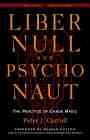
As an attempt to communicate our understanding of the essence and spirit of underground metal, below are some books through which to start the abstract journey through metal and the metaphysics that moves it.
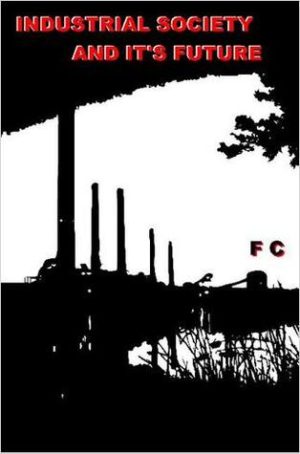
Industrial Society and Its Future
Theodore John Kaczynski – Industrial Society and Its Future
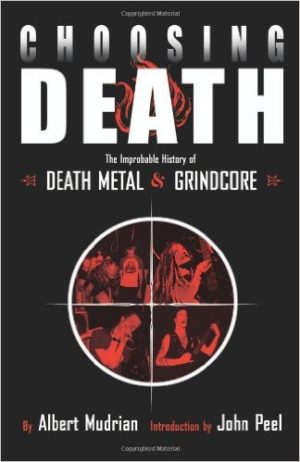
Choosing Death
Albert MudrianChoosing Death: The Improbable History of Death Metal and Grindcore

the illiad
Homer – The Illiad

bhagavad gita
The Bhagavad Gita

Tolkein Children of Hurin
J.R.R. TolkeinThe Children of Húrin

critique of pure reason
Immanuel Kant – Critique of Pure Reason

IV. Some Music Recommendations for the Metal Nihilist

We have traditionally presented a certain pantheon of underground death and black metal to which most readers can be redirected at any moment. A different set is presented below that is nonetheless consistent with the writer’s interpretation of Death Metal Underground’s vision.
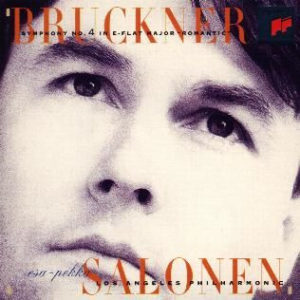
bruckner salone romantic
Esa-Pekka Salonen – Bruckner: Symphony No. 4 in E-Flat Major “Romantic

sammath-godless_arrogance-cover_photo
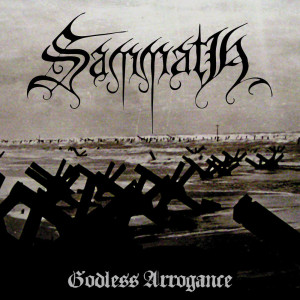
SammathGodless Arrogance

condor-nadia
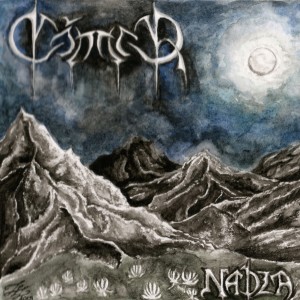
CóndorNadia

bulgarian state choir
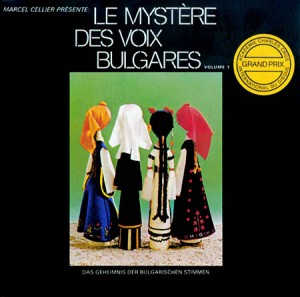
Bulgarian State Radio & Television Female Vocal Choir – Le Mystère des Voix Bulgares
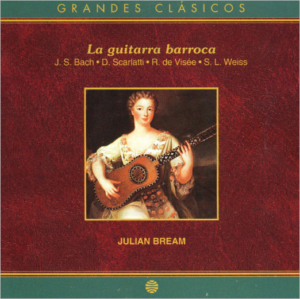
julian bream portada
Julian Bream – La Guitarra Barroca

timeghoul
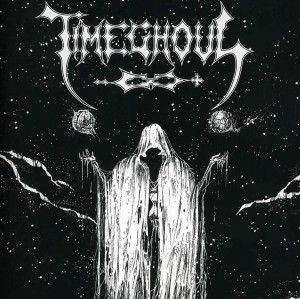
Timeghoul1992-1994 Discography

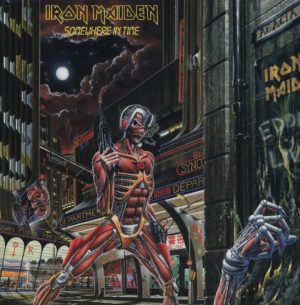
iron maiden somewhere in time
Iron Maiden – Somewhere in Time

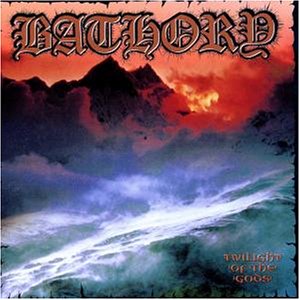
bathory-twilight_of_the_gods
BathoryTwilight of the Gods

V. Films

Not being a connoisseur of cinema in general, the following is but a friendly gesture. This is a loose collection for the transmission of a basic underground metal pathos.

tout les matins du monde
Tous les Matins du Monde

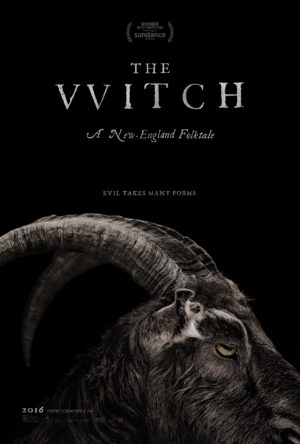
the witch
The Witch: A New-England Folktale

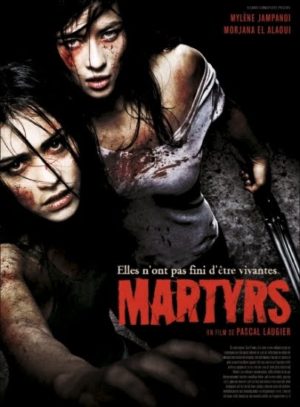
martyrs-movie-poster12
Martyrs

until_the_light_takes_us.jpg

untilbox
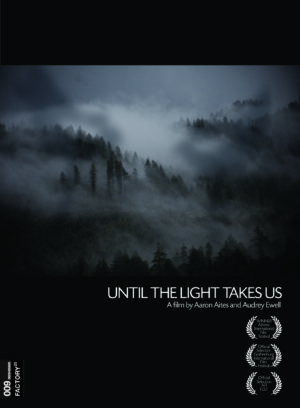
Until the Light Takes Us
A 2008 documentary film by Aaron Aites
and Audrey Ewellabout the early 90s
black metal scene in Norway.
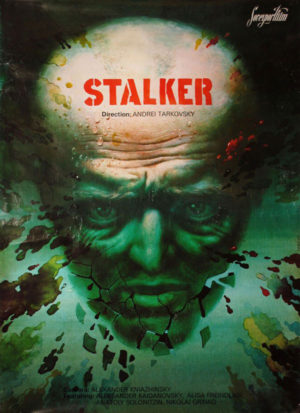
tarkovsky stalker
Andrei Tarkovsky – Stalker

Notes

1This is not the re-happening of the exact same universe that Nietzsche is supposed to have been talking about, but a transcendental recurrence of sorts. What I am trying to express here is the cyclic reappearance of abstract and collective concepts among humans, because they are also part of this universe and as such are subject to such underlying pendulum swings in the forces that move it. Perhaps a better descriptor could have been abstract collective concept reincarnation, but that seemed to convoluted, and cyclic recurrence captures the wider phenomenon, irrespective of what definition academia wants to adhere to.

2This somewhat liberal use of the term nihilism deserves to be explained a little further in order to avoid confusion. By this it is not meant that metal’s outlook consists of nihilism in the ultra-pessimistic sense, in the sense of total defeat, which seems to be the expectancy of most people from nihilism. The idea here is that as an art movement born in the post-modern era, in a civilization that has already been ravaged by nihilism, stripped from relevant cults, metal begins from a posture of extreme skepticism that is extended to everything and everyone. This skepticism is nihilistic because no intrinsic value is placed on anything, yet it is scientific because it is curious and will experiment. Metal’s development dances between nihilism and individualistic transcendentalism.

67 Comments

Tags: , , , , , , , , , , , , , , , , , , , , , , , , , , , , , ,

Carcass Announce 2016 North American Tour

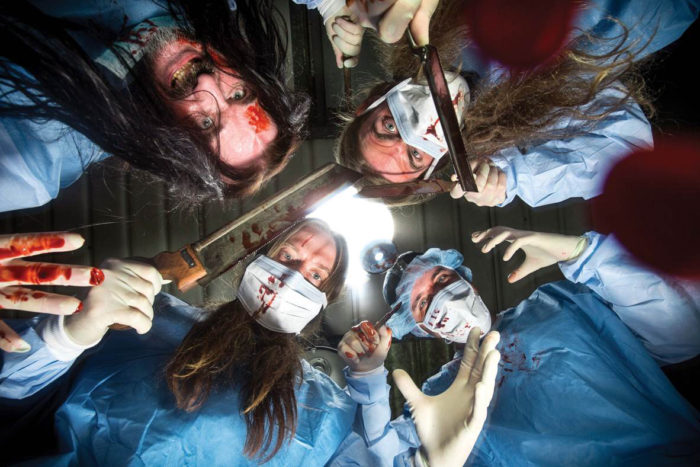
Carcass doctors

Carcass have been touring almost-nonstop since reuniting and releasing their phoned-into-ProTools excuse to tour, Surgical SteelRight after supporting Slayer, they have announced yet another set of dates. Despite the mainstream metal openers, this “One Foot in the Grave 2016” might be worth worth checking for grindcore and death metal die hards as Carcass play material from all periods of their career when headlining.

Following a successful assault on our shores alongside label mates SLAYER and TESTAMENT, disinterred British metal icons CARCASS, will return to North America for a headlining tour this summer.! Joining them are southern metal heavy weights CROWBAR, horror thrashers GHOUL, and Los Angeles based metal act NIGHT DEMON.

“One Foot In The Grave 2016”
CARCASS, CROWBAR, GHOUL, NIGHT DEMON

07/16/16 Chicago, IL – Chicago Open Air Festival
07/17/16 Lawrence, KS – Granada Theater
07/19/16 Denver, CO – Bluebird Theatre
07/20/16 Salt Lake City, UT – The Complex
07/22/16 Sacramento, CA – Ace Of Spades
07/23/16 Santa Ana, CA – The Observatory
07/24/16 Los Angeles, CA – The Roxy Theater
07/25/16 Phoenix, AZ – Club Red
07/26/16 El Paso, TX – Tricky Falls
07/27/16 Albuquerque, NM – Sunshine Theater
07/29/16 Memphis, TN – New Daisy Theatre
07/30/16 Louisville, KY – Mercury Ballroom
07/31/16 Columbus, OH – Park Street Saloon
08/01/16 Baltimore, MD – Baltimore Sound Stage
08/02/16 Richmond, VA – Broadberry
08/03/16 Philadelphia, PA – Underground Arts
08/04/16 New York, NY – Gramercy Theatre
08/05/16 New Haven, CT – Toad’s Place
08/06/16 Montreal, QC – Heavy MTL Festival (Carcass only)

Keep in mind that Carcass are still entertaining when shitfaced:

12 Comments

Tags: , , , , , , , , ,

Grupo Modelo S.A. de C.V. – Corona Familiar (2016)

corona_-_familiar

My first thought when drinking this beer was: someone finally fixed Coors regular. This is what is called an adjunct beer, meaning that they use overstock of cheap grains like corn to brew the stuff, and keep other ingredients low, resulting in a sweet light beer with a warm fermented but not malty taste.

Personally, I like these, because they are all-day beers: simple but not simplified flavor, gentle and yet enough alcohol to keep interest, and thin / mild so that you can drink 38 of them before you decide to sing along with “Wonderwall.” Corona Familiar is no different, joining other “beach beers” like Caguama and Landshark Lager in my stable of tools for casual alcoholism.

Unlike its watery/uriney cousin Corona Especial, Corona Familiar is somewhat hearty but can still be a relatively hydrating and yet refreshingly intoxicating — at 6% ABV — beach beer. It has more of an squash-like fermented flavor, probably from the corn and rice used, but burns clean and leaves a pleasant mild intoxicating effect about appropriate for lawn chairs, sunny days, blue skies and ill-advised relations with women named Candi.

Unlike most beach beers, this one can be found in its 32oz size for under $3. That makes this wino beer for people who do not want to end up under bridges or in vans down by the river. While I admit violent bigotry against all Corona products for the name alone, this one is worth buying again.

****/*****

5 Comments

Tags: , , , , ,

Interview: Brian Tatler of Diamond Head

Diamond Head new band shot 2016

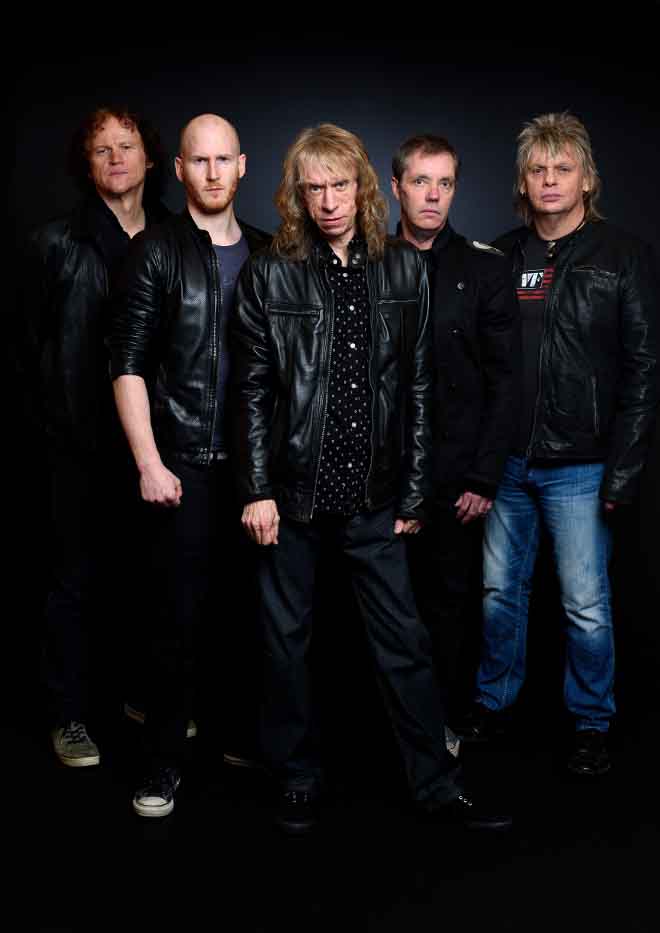
A few weeks ago I conducted a short interview with Brian Tatler (center), the guitarist and primary songwriter of Diamond Head. Their new self-titled album was released on April 7th and will be reviewed on Death Metal Underground shortly. Marred by technical difficulties, here is an edited transcript:

Hi Brian, I’m Daniel from Death Metal Underground. I understand Diamond Head has a new album coming out this spring?
Yes we do. Diamond Head comes out April 7th.

Did you try to hearken back to your early work or go in a more commercial direction?
In a way. We took a look at everything we’ve done over the years. This album should sound like Diamond Head. We took a very Diamond Head approach.

Did you modernize your music? Use digital production and all that?
Well it’s still the old Diamond Head sound. I used a Diesel amp and we recorded into Pro-Tools too. We wouldn’t have been able to get that sound back in 1982. Writing is the main thing. We try to capture the magic in the rehearsal room.

Songwriting is the most important thing.
I agree.

So much modern metal is just one cool guitar riff and then chugging along until the next part that has no relation to the first.
You still need to write a song.

Who are your songwriting inspirations?
Well, Led Zepplin, Black Sabbath, those sorts of bands. I don’t listen to that modern sort of stuff that much. Some say we write the same songs over and over. That’s the way that stuff is. Diamond Head sounds like Diamond Head. The most influential records were the first few Led Zeppelin, Sad Wings of Destiny, Machine Head.

How do you feel about your influence on the metal and the more extreme sub-genres? Inspiring bands like Metallica, Celtic Frost, and Darkthrone who sometimes copied directly from you?
It’s easy to get deep into the stuff from your youth. You watch these bands play, get a tape from across the ocean a thousand miles a way, and after a few months of playing and writing your own material, what do you know? You have the same riff that’s on the tape! It’s nice to be influential. It makes the band feel important; justifies what we were doing. It’s been said Diamond Head were a musicians’ band: a band that other bands liked. We never sold that many records.

Even things like “Search and Destroy” having the same riff as “Sucking My Love” in a different key?
“Dead Reckoning”. It’s not the same; it’s slightly different. It’s flattering. I’ve got my own stuff from somewhere. Bits of Black Sabbath and AC/DC. Diamond Head were a stepping stone between thrash and them.

I noticed on songs like “The Prince”, you have tempo and rhythm changes in the drums uncommon for metal of the time.
Well we moved the drums around to get more out of each section. We had to get it as good as it had to be. No nudging through

“Am I Evil?” is perfect.
“Am I Evil?” took a while. It took a while to do it. The intro, lots of verses, the last section to the ending, and then going back to the main riff, and testing it out live.

So many bands never have the opportunity to play live now. How important was that?
We tested out everything live to see what songs and verses did work. What would work up a crowd. Some songs didn’t work. This one worked.

Did you start playing live early on?
We formed in ’76 and played our first show in February of ’77.

In local venues like pubs?
Lots of venues. Some not local. One in Birmingham. We started playing in pubs. No clubs. We would put on our own gigs.

Sabbath were from Birmingham. Was that a big deal?
We felt we were following in their footsteps: Black Sabbath and Judas Priest. It’s the second biggest city in the UK. Birmingham had so many bands. Always did too…

How much pressure did Diamond Head feel to become more mainstream and commercial rock?
A bit of pressure. We signed to MCA in 1982. Iron Maiden, Motorhead, and all UK bands appeared on Top of the Pops with their singles. Our long songs prevented that: “Sucking My Love” is 9 minutes long; “Am I Evil?” is 7:40 even. Not a comfortable fit. MCA wanted us to be more like Led Zeppelin except we had no PR, no real touring support with good lineups , nor a huge studio budget. Being managed by our singer Sean Harris’s mother didn’t help. We were dropped from MCA as she wouldn’t agree to a change in management.

Was it a Manowar type situation where he lived with his parents?
He lived with her then. I believe he still lives in the same place but on his own.

The Manowar singer still lives in his parents’ basement in upstate New York.
Ha

Any upcoming touring plans?
Lots of dates across Europe. We’re playing Hard Rock Hell and some dates in Germany, the UK, and Ireland.

Good luck!
Thank you!

5 Comments

Tags: , , , , , ,

Metal Curmudgeon: When Carcass Lost Direction

carcass_-_reek_of_putrefaction

I love used book stores — generally libraries, thrifts and small independents — because the chase is greater than the catch, and finding a rarity or just something fun to read is an inexhaustible thrill. A selection of old books gives a distinct perspective not just of writing but of history.

Each time I look over the dusty spines, castoffs of previous generations or well-loved volumes containing advice relied upon by those who came before, I am reminded how human history is a lattice of ideas. Each great thinker is a nodal point from which others branch, re-combining with other ideas or adding their own. And each writer boils down to one idea, usually, with the greatest having a handful.

The rest is a support system for that. To take a great idea and fling it out into the world requires a book, a third of which is introduction, a third explaining the idea in depth and a final third gesturing at relevance and shouting down the inevitable counter-arguments. Then the author spends the rest of his/her career amplifying on that idea or chasing its elusive ultimate form. Then, RIP and all of that boils down to a sentence of summary that most people know.

Think of Charles Malthus (“utilized resources expand algebraically, but population grows exponentially”) or even Adam Smith (“the self-interest of the many results in a balance”). Metal bands are remembered the same way: Black Sabbath (“used horror movie aesthetics on heavy rock to invent proto-metal”) or Suffocation (“used death metal textural complexity with speed metal choppy strumming styles”).

And Carcass? They will forever be remembered as the guys who made clumsy grindcore based around medical lyrics. This is too bad, as their real strength was to expand the grindcore song structure to include longer riffing that often emulated Second World War era popular music, even if unconsciously.

In fact, most of their success comes from the fact that they did everything unconsciously. On the surface, they were having a laugh with gore lyrics and sloppy grind. The first album, Reek of Putrefaction, is entirely unselfconscious in this way. It does not want to be anyone’s friend, or appeal to an audience. It is just having fun and accidentally unleashes the subconscious mind through a biting parody of society and its fear of disease and death.

It was that awkward and offhand element that caught the imagination of an audience. That, and the ripping tunes: the first Carcass album made grindcore complex enough for songs to be distinctive, but kept its rumbling chaotic surface that hid the structure. This made it heavier than most of what was out there at the time and inspired a thousand imaginations.

After that point, however, the Carcass story tapers off. Every album since then has been the band trying to re-interpret its original unintentional success, but to expand it by making the music more like Led Zeppelin and Metallica so that it can be “serious.” And therein is the problem: this band suffers a deep neurosis and when it tries to be serious, it fails. When just drunk and goofing around, these guys are able to reach into the unsocialized parts of their minds and come up with something good.

Symphonies of Sickness came out shortly after Reek of Putrefaction, but already shows us a more self-conscious band. The title is cute, the songs more obviously melodic and prone to borrow hard rock riffs, and the production still vicious but in a controlled way. Everything about the second Carcass album is a managed environment designed to manipulate appearance just like the neat rows of houses in the suburbs, political speeches and advertisements for security companies. The band reversed its raw approach and joined what they mocked.

After that, it has been all downhill. The Tools of the Trade EP showed us the new Carcass: melodic songs, death metal riffs and none of the grindcore urgency or organic appeal. It was all very much a product of the conscious mind trying to be serious so that other people would like it. Necroticism — Descanting the Insalubrious shat the bed with more of the same. For the time, it fit in competitively with death metal, and I listened to it then, but found over the years that I reached for it less and less.

I feared becoming like an old punker I met back in the early 1990s. “Carcass, great band, but they lost it after the first album,” he said. I knew these guys, I felt. They were like the old bearded dudes in robes who stood on streetcorners in the 1960s with signs saying THE END IS NEAR. They were walking stereotypes: the bitter old “truist” who only likes the demos and maybe the first album for any band, and will tell you to stop listening to that commercial shit you’re pimping and look up some rare, expensive and ineptly-packaged 7″ or cassette instead.

But the old guy — at probably 35, already a curmudgeon-in-training — had a point: most bands have only one idea. In metal and punk, bands are artists first and musicians second; they become musicians to express some idea or feeling. They intuit that musicians become experts in making music that people like and as a result, the external form dictates the content and it becomes about like everything else: technically correct, artistically empty like all the other products, fast food and celebrity autobiographies.

Carcass went on to get a PhD in bed-shitting with Heartwork, which was a decent speed metal album with some nice technical touches, but lacked any purpose so became overly “emo.” After that, the grindcore audience fled and the hard rock audience — this was pre-nu-metal days — was scared off by the vocals, so the Carcass brand went into free fall. The band launched a bitter final salvo with Swan Song in which they realized that their responsible, middle class daylight personalities always wanted to just be Led Zeppelin because that is how you work hard and succeed in rock ‘n’ roll as a career!

I fall between your average suburban music fan and the old crusty punk. Perhaps the Peel Sessions, “Flesh Ripping Sonic Torment” demo and a few scattered 7″ and live shows are the “real” Carcass, but the first album is real enough for me. After that, the band gets self-conscious and soon there is a stinky speedbump under the sheets. But Reek of Putrefaction is great and every person who enjoys quality outsider music should hear it.

https://www.youtube.com/watch?v=Jz3l-5X4jLM

18 Comments

Tags: , , , , ,

Demolition Hammer reunites

demolition hammer epidemic is reborn

Demolition Hammer have apparently reunited according to the group’s Facebook page. The brutal New York speed metal band last released notable material almost a quarter century ago with the hammering death/speed hybrid Epidemic of ViolenceAlex Marquez of fellow death speedsters Solstice (and Malevolent Creation’s Retribution) is taking over the drum stool from the deceased Vinny DazeWhether any touring or quality material rises from this reunion remains to be seen.

18 Comments

Tags: , , , , , , , ,

Sadistic Metal Reviews- Mendacious Stork Edition (End of 2015 Series)

loosestool

One list of albums dictated by the masses of sheeple apparently does not provide enough self-indulgence and emotional masturbation for the hordes of mental weaklings that yearn to be called metalheads in order to disguise their lack of direction or ideals. Hence, here we are, clubbing away at one of these sorry piles of shit for the amusement of hessians. However, we also hope that the attentive unawakened reader may start to see a glimpse of the truth through outright disrespect for the inherently contemptible. (We have skipped some items in the original list as to not incur in much unnecessary repetition of releases, thus the odd numbering of the items herein.)

swallow the sun

2. Swallow the Sun – Songs From The North I, II & III

The term “doom metal” is again used to justify slow-coming boredom and lack of originality. Swallow the Sun compile alternative metal slow and simple grooves with the alternation of growls and the clear vocals typical of post-cuckolded Amorphis Scandinavian gay ‘hard’ (ha!) rock. There is an obvious pseudo-progressive intent here as discreet radio moments pass us by in a series of haphazardly-stitched, disingenuous grimaces. Radio emotional pandering for the pretentious.

3. Draconian – Sovran

Apparently radio gay doom is popular at MS’ website. Only here we have a much more straightforward, perhaps more honest, attempt at the same run-of-the-mill pop rock opera. Draconian switches between male and female vocals, with duet episodes, themselves interrupted by long harmonized guitar lines reminiscent, at least superficially, of Funeral’s early work. However, Tragedies did not fall into popisms and rather took a more traditional popular music approach to vocals and applied it to a quasi classical level which may make one think of European early music. Draconian, on the other hand, stink of Barbie sex.

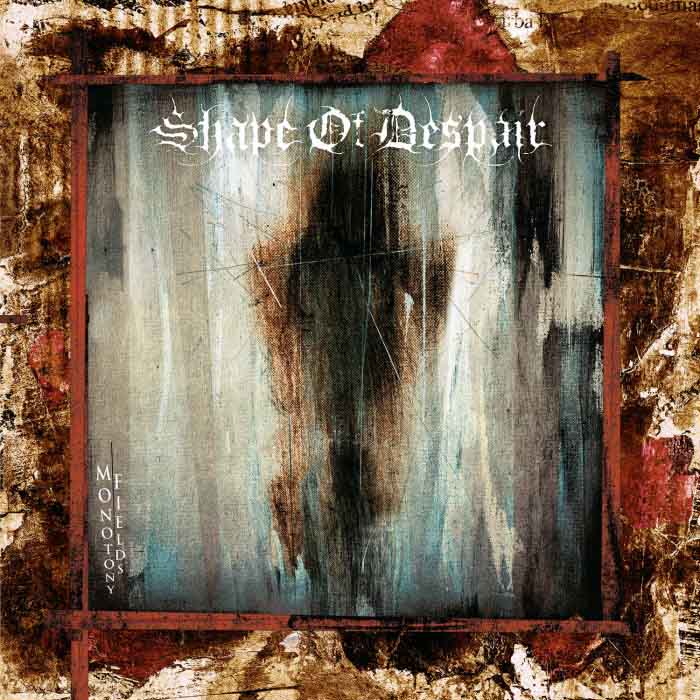
Shape-of-Despair_Monotony-Fields

4. Shape of Despair – Monotony Fields

Mediocre and dull ‘doom metal’ seems to be extremely popular. It may be that since the average music listener is a terrible one, and that they seek these sounds as stimulus for a purely sensual experience and so can only identify with very simple-minded works, however contorted their outward forms may be. Shape of Despair provide the pop listener with the ‘doom metal’ experience in the same way that Cannibal Corpse provides him the ‘death metal’ experience. Of course, this is the sort of listener that “listens to all kinds of music”. All is imbecility.

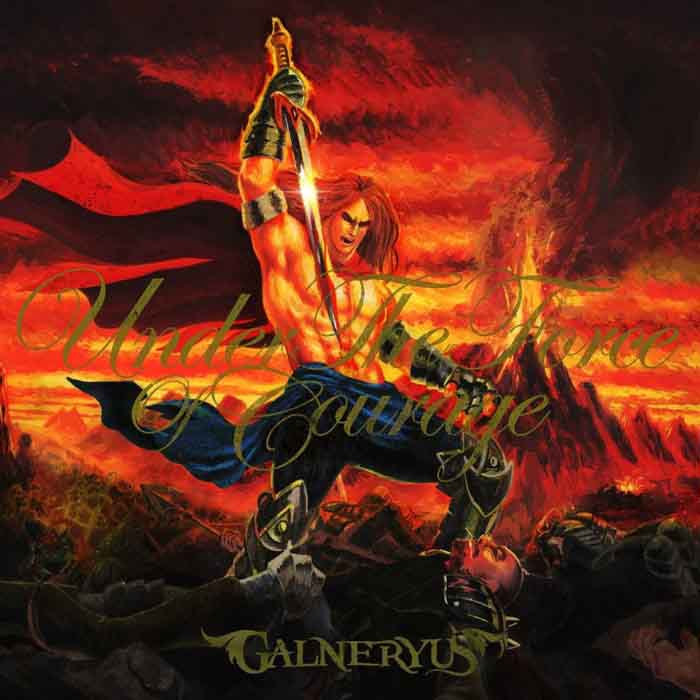
galneryus

5. Galneryus – Under the Force of Courage

One day little guitar Syu wanted to find a place for his neoclassical wanking and so created the power metal band Galneryus. Galneryus released a couple of comically-endearing and childish albums until the inevitable sellout moment came. After trying their hand at pandering to a more mainstream audience and wisely switching to writing lyrics in Japanese (realizing, perhaps that their main market was inside Japan after all, and that foreign fans would always be attracted to the sound of a strange and unique language), the band took a wide turn back to a firmly European style inspired on the likes of Manowar-inspired streamlined power metal with augmented structures that balance a manner of unpredictability without ever feeling unsafe and, of course, always remaining singable. Clever and winky, empty as fanservice-crammed anime.

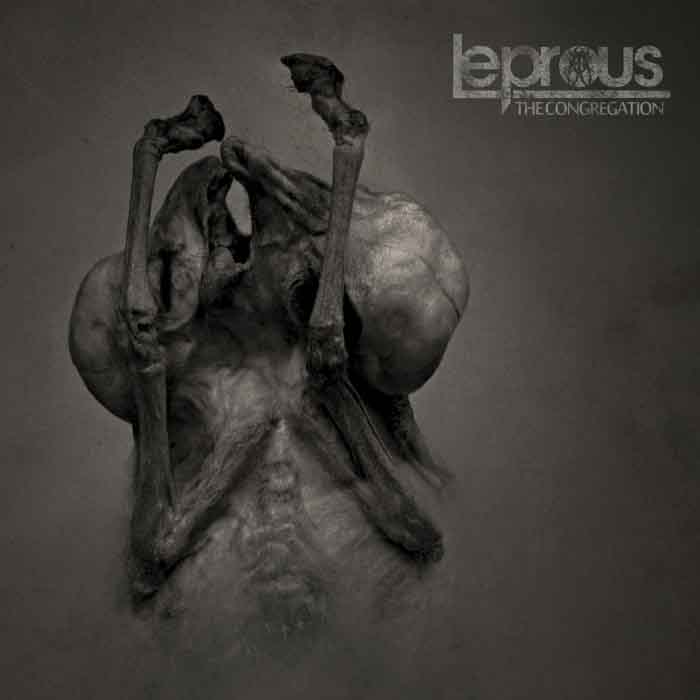
8. Leprous – The Congregation

Groovy, syncopated, modulations disguising poorly-presented repetition, weird clean vocals, just enough electronic noodling and laid-back but ‘cool’ drums. This is the recipe par excellence for the multiculturalist wet dream presenting all forms and nothing but insecurity and hollowness at its center. Here is where the worst overproduced radio pop is peppered with jazz fusion gimmicks. Metal? Music or public obscenity?

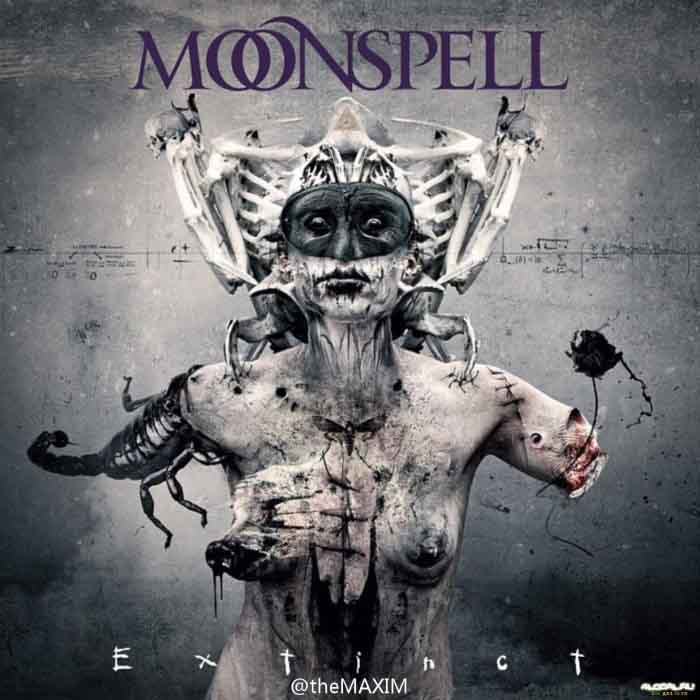
moonspell extinct

9. Moonspell – Extinct

A horrible blend of modern industrial tropes and a sissy euro-rock basis, accompanied vocals angsty enough to seem edgy but just safe enough as to not scare away the wimps who listen to this garbage. The high school poser solos do not really redeam this first-world, spoiled-kid, macho pretension.

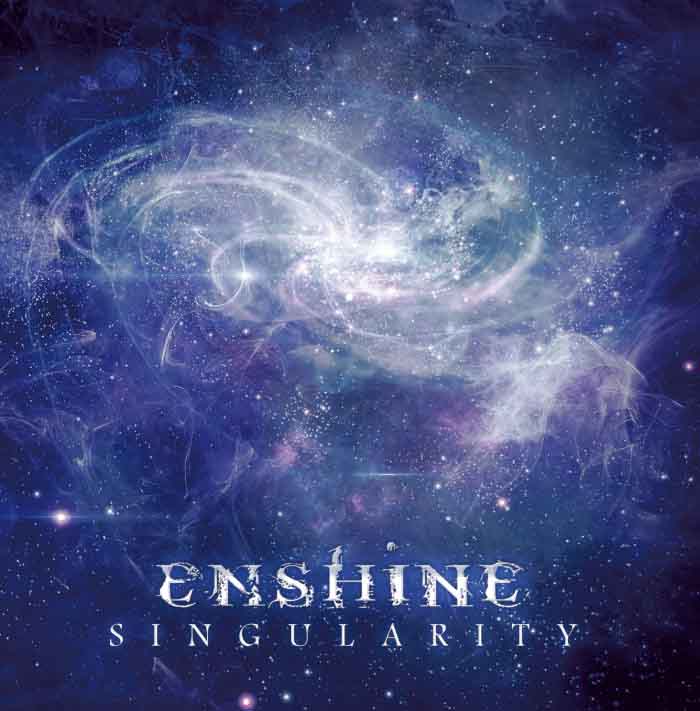
Enshine_Singularity

14. Enshine – Singularity

Basically, the sonic representation of the sparkly, clean-shaven assholes of fans of these music ready to be sodomized by real metal music. Lacking in all natural self-assertion or distinct personality, this is music for the bottom who craves to be dominated. In other words, music for social justice warriors.

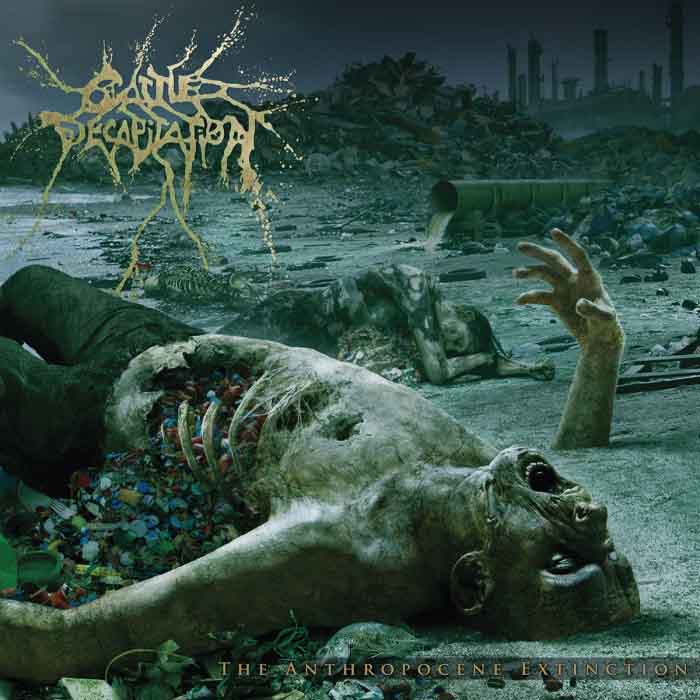
anthropocene extinction

15. Cattle Decapitation – The Anthropocene Extinction

This is as ridiculous as pseudo-progressive core pandering can get. What is worse, this band is playing a dangerous game in which they may lose all of their audiences, or perhaps score with New York hipsters. Crammed in under two minutes you may find explicit deathcore and alternative rock passages, power metal leads, nu-black metal runs lead by duets of inhaled low growls and Chester Bennington’s evil twin brother’s whining, without excluding the use of high squeals. Basically, a puddle of diarrhea that clearly gives away the cause of ailment. Unbearably disquieting in its stupidity.

10 Comments

Tags: , , , , , , , ,

Criticism of SJW infiltration of metal peeks out behind media blackout

the_scarlet_pimpernel

Despite being mostly in favor of the SJW infiltration of heavy metal, media sources sometimes reveal skepticism of this rigid mind-meld that is replacing quality metal with an inferior but politically-correct substitute. In fact, the political correctness is merely a method of inducing you to buy it because it has the right “message,” while ignoring the low artistic quality of the material as a whole.

But the SJWs don’t know that. They are not unique, having appeared first in the 1980s with a group that would not call itself politically-correct but acted the same way as today’s SJWs. As hardcore waned, local scenes arose in which people wanted to participate for social reasons: to be popular, find dates, have parties. Their music was not ground-breaking, so they took over with superior numbers, and used politics as a means of filtering out all other music. Thus they triumphed, and promptly made punk so boring it self-destructed in dissipation.

Today’s SJWs are not history students of hardcore punk or any other subject. Their goal is to make themselves important, and to seize control of a genre they think will give them social power, but they cannot replicate its greatness nor understand it, and so they are doomed to failure. What do they care, however — they will simply move on to the next genre, take it over, and have their five years of glory there too before covering up those tats and going to a cubicle job just like everyone else.

But doubt is spreading already. In an editorial over at Stereogum, Michael Nelson launches into the usual SJW rhetoric, and then does something really interesting. The article is a top 50 of metal of the year, but as is typical these days, it must editorialize. So he makes an introduction and then cuts to the real topic on his mind:

But mostly, more than ever before, metal found its very character scrutinized by a hyper-aware, politically divided public — a public largely informed by metrics-focused media outlets eager to weigh in on the issues of the day. This was a carryover from late 2014, when popular blogs like Metal Injection and Metalsucks ran essays with titles like “The Problem With Heavy Metal Is Metalheads: Stop Calling Everyone A Faggot” and “Why Is It Okay To Be Racist And Misogynistic About Babymetal?” And in 2015, the takes arrived on an almost daily basis, via articles like “Racism And Sexism In Heavy Metal Highlighted In New Study” and “Why Is The Convicted Murderer Of A Gay Man Being Celebrated At A Major Metal Festival?“

This past July, renowned metal journalist (and occasional Stereogum contributor) Adrien Begrand wrote a piece for Pop Matters titled “Some Talk, No Action,” putting the entire metal community on blast for failing to effectively flush out certain musicians whose art and/or actions seemed to suggest some form of bigotry or separatist ideology. Begrand called out by name such bands as Cobalt, Inquisition, Lord Mantis, and Bölzer, but he extended the indictment to include countless participants — primarily the media and fans who support (or fail to condemn) any artists who support (or fail to condemn) intolerant worldviews.

This is actually a good (albeit incomplete, but give him a break, he had two paragraphs) history of the explosion of #metalgate. In the late 1990s, the underground fizzled because it had no more greats to offer, and the imitators surged in. Since that time, record labels and hipsters have been trying to find a way to make rock and punk rock — which, unlike metal, which emphasizes transcending the individual, emphasize the importance of individual desires over attention to consequences — into a “metal flavored” form. This is an ideal product for local mediocre bands to make and labels to hype since anyone can do it so there can be a steady stream of profits. SJW-metal is just their tool of forcing everyone else out and taking over.

Nelson goes on to look into the chaos that followed Disma being accused of being horrible Nazis, and he pretty much beats the SJW tin drum here, but then, something interesting happens:

The last thing any of us here wants to do is give additional exposure to artists who peddle or preach hatred or intolerance. The other last thing we want to do is act as some Orwellian thought police slowly sanitizing metal by doling out oxygen only to those artists whose views reflect our own, whose actions meet our personal standards of acceptability. It’s easy enough to treat Burzum’s Varg Vikernes as a pariah: The guy is an enthusiastic, unrepentant bigot and a convicted murderer. (It helps, too, that he hasn’t released a decent album since 2011.) I often wonder, though, how the world would react to “Angel Of Death” or “Unsuccessfully Coping With The Natural Beauty Of Infidelity” if those songs were released today. This is dark music! It’s not supposed to be safe! It can be safe, but nobody ever got into this shit because it was safe; we got into it because it was scary and transgressive and primal. Who are we to make it safe?

Then again, who are we to promote art or artists fostering unsafe environments?

I’m not winding up for some big, poignant conclusion here, sadly. I’m leaving this as an ellipsis.

There’s a certain subtle brilliance in this. The whole point of this lengthy introduction was to get himself SJW cred, then point out that censorship is just like the totalitarian ideologies that SJWs claim to dislike. In fact, Nelson writes that it is even worse, since it is done in the name of good, and points out that many of metal’s classics would not pass this test. Then he leaves the question up to us, since he obviously cannot directly contradict the herd or they will amass and ruin his life (or a least get Stereogum to fire him, and then mob his Facebook account!).

SJW is still a potent movement because it gives power to the unmemorable by allowing them to take down people better than themselves. It gives a voice to the mediocre and a reason why their mediocrity should jump the line ahead of artistic superiority. Like all mass movements, it is a revolt against quality, with the pleasant notion that everyone will be equally important concealing the reality, which is that when everyone is the same nothing good can rise. Metal stands against that, and this is why SJWs target it. But the tide is turning even now.

11 Comments

Tags: , , , , , ,

Sadist – Hyaena (2015)

Sadist - Hyaena (2015)
Despite no paucity of topics to possibly review, I took a commentator’s advice (which, for agitprop, I’m going to suggest was inspired by our call to arms) and decided to take a look at the new Sadist album that came out last week and was teased some months ago. Supposedly, Sadist inspired by earlier death metal/jazz fusion bands like Atheist and Pestilence, and I can hear where influences poke through like bones of a half-eaten carcass, but Hyaena also owes some of its genetics to the newer breeds of ‘progressive’ metalcore and djent acts, and therefore walks a fine line between the two.

Hyaena is so thoroughly permeated by its jazz influence that it often sounds like a group of jazz musicians approaching metal, as opposed to the more familiar opposite. There’s certainly a great deal of surface complexity throughout this album. First, it often favors the sort of off-beat syncopation and polyrhythm over 4/4 beat type of percussion popularized by Meshuggah and sons. Secondly, Sadist crams in a great deal of synthesizer and sample presence, including plenty of “tribal” percussion that probably synergizes with the lyrical/visual aspects of this album. What begins to tip me off that this might not just be a mess of pseudo-progressive tropes is Sadist’s adept understanding of modulation and tonality – unlike many bands that play around with it, they actually manage to use this to write more flexible riffs and build some of the changes into their song structures. That is definitely not a mere surface strength.

With further listening, it becomes apparent that Hyaena‘s main strength as an album is its ability to integrate its musical aspects into a coherent whole; as a result, I am willing to forgive some of its weaknesses… which primarily revolve around the fact that this integration sometimes means questionable elements make their way into the album’s sound. For instance, I’m not too fond of some of the sounds used by the keyboardist, but the actual content of the keyboard lines here fits in nicely with the rest of the band, as they end up alternating between providing textural reinforcement and actual counterpoint. This does wonders for the songwriting, as Sadist goes beyond merely using instrumentation to distinguish song sections. It helps that they have two strong sources of musical language that they can pull on for basic elements, but such a potent tool would do little in the hands of a band that failed to integrate those halves.

Needless to say, this puts Sadist at least on a higher level than some of the other metal themed jazz bands. Those with a serious fusion/metalcore/djent allergy will want to stay away, as the ‘heavy’ side of this album seems to lean more core in its aesthetics than not. Still, there is some real depth to this music, even if some of the surface elements seem to chase contemporary trends.

6 Comments

Tags: , , , , , ,

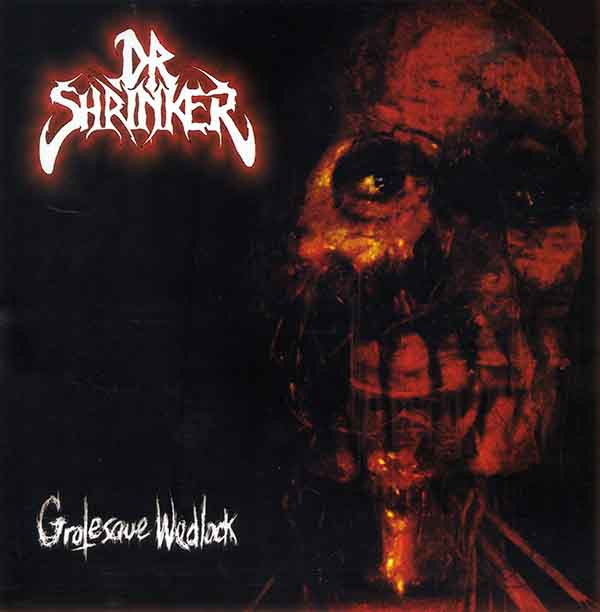
Dr. Shrinker – Grotesque Wedlock (2004)

dr_shrinker_-_grotesque_wedlock

Death metal was born in 1983 with the unholy quartet of Sodom, Bathory, Hellhammer and Slayer, but it took many years to translate the new style into a full-fledged monster, which happened sometime in 1990-1991. In the interregnum, bands such as Possessed, Kreator, Destruction and Merciless took the speed metal approach, the broken drums of thrash, and the vocals and guitar techniques of death metal and made an intermediate style.

Dr. Shrinker comes to us from that era with this compilation of demos from its period of existence from 1987 to 1990. The tracklist breaks down as follows:

    “Wedding the Grotesque” (1989)

  1. Tools Of The Trade
  2. Mesmerization (Of A Corpse)
  3. Fungus
  4. Rawhead Rex
  5. Cerebral Seizure
  6. Dead By Dawn
  7. Open-Heart Surgery
  8. No Way To Live
  9. Pronounced Dead
  10. Chunk Blower
  11. Bacterial Encroachment
  12. Wedding The Grotesque
  13. “The Eponym” (1990)

  14. Tighten The Tourniquet
  15. Germ Farm
  16. “Recognition” (1988)

  17. The Command
  18. March Of The Undead
  19. Graphic Violence
  20. Inverted Direction
  21. Free At Lasssst!!!

These tracks display the conventions of that period pushing toward something more extreme: verses like the German speed metal bands, choruses like Swedish band Merciless with a bit of melody, and shifts from verse/chorus structure and fills much like later American band Nunslaughter. These songs display the holdover from 1970s metal through Venom which manifests in strong rhythm hooks to the vocal cadence of choruses balanced by driving inertia in the verses, deviating with strange fills that foreshadow future song developments. In this, part of the genesis of death metal can be seen: the transition from conventional song structures to entirely riff-driven evolution of theme as manifested itself on classics of the genre like Onward to Golgotha.

Showing the speed metal heritage, riffs are often single-picked and emphasize an internal rhythm, in contrast to the phrasal riffs to come later. Their simplicity in phrase allows the production of a basic driving rhythm which storms up against the ends of each iteration, creating a sense of a pile-up that conveys urgency to the listener. This ploughs into the chorus and creates a feeling of intensity with repetition, which is very much like the 1980s, a cross between Gordon Gekko and nuclear warfare. An interesting outlier is “March of the Undead,” which could have come off Cryptic Slaughter Convicted (and, at 1:21, has a song length to match).

While Dr. Shrinker does a great job of this style, the problem for me — and others — is that this style seems dated and the bands interchangeable at this point. You could throw on an album by Necronomicon, Merciless, Kreator, Destruction or late-80s Sodom and get the same experience and roughly the same riff archetypes. For this reason, Grotesque Wedlock remains in the purchasing domain of people who love this speed/death hybrid style and metal historians.

6 Comments

Tags: , ,

Classic reviews:
A B C D E F G H I J K L M N O P Q R S T U V W X Y Z