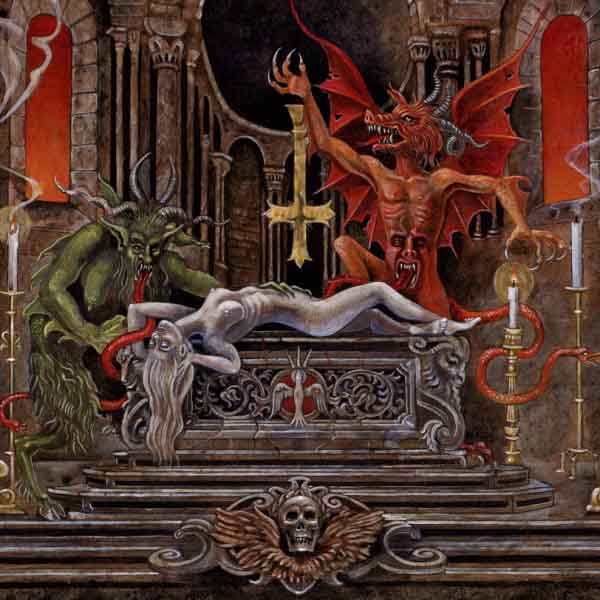
Ihsahn: New Emperor Album Would Be Pointless Disappointment

emperor bandt

Ihsahn has stated that if Emperor reunited, there would be “Absolutly no point” in recording a new album as “It would be a disappointment.” He claims any new Emperor work would be similar to his masturbatory solo material. Perhaps Ihsahn should have come to this conclusion over two decades ago; Emperor’s post In the Nightside Eclipse material after Faust and Samoth went to prison consisted of merely interesting black metal riffs arranged into one-note verse chorus verse songs propelled forward mainly by soft versus hard contrasts. Ihsahn is right that creatively bankrupt guitar magazine pandering is not worth Hessians’ precious time. Listen to the original master of In the Nightside Eclipse again instead:

8 Comments

Tags: , , , , , , , ,

Analysis of Evoken’s “Omniscient” from Promo 2002

the-mummys-shroud-lobby-card

This dissection was contributed to Death Metal Underground by Neil Sigmundsson.

Although the song that is the subject of this article differs considerably in tone from most funeral doom metal, and indeed from most of Evoken’s own work, it utilizes the basic style of that genre: open, sustained, low register power chords played at very slow tempi. In “Omniscient,” clean guitar melodies and synthesizers provide the music with detail, color, and different senses of spaciousness. Layering, interplay between instruments, and timbre play important roles in developing themes and emphasizing different aspects of emotions. The song has no human voice, a feature that facilitates listener immersion and an unharnessed imagination. The structure is simple and linear: A B C D. The four sections are described sequentially below in terms of one interpretation of the piece; this is an attempt to put into words a somewhat vague combination of images, thoughts, feelings, and emotions that occurs when listening to it. If this descriptive method comes across as tedious or unappealing, consider it the shortcoming of the writer and let the music speak for itself.

I. Description

Section A: The introduction revolves around a melody played on clean guitar, the tonality of which gives a vague feeling of uneasiness and of mystery. The technique of sliding into and between notes is used as ornamentation, presumably to make the melody more evocative. The slow tempo lends a sense of low energy, and the synthesizer adds a haziness to the atmosphere. When the electric guitar and percussion enter the song, the resulting sensation is similar to stepping from an inside room, where one can sense the heat outside, into the open air, or of transitioning from the awakening state of half-consciousness to that of complete alertness and awareness. The synthesizer then plays its part an octave higher than before, overpowering like the sharp glare of the sun and evoking an image of barrenness, vastness, and lifelessness. The timbre greatly increases the effect. After the synthesizer descends back to its original register, the theme is fully developed and the scene completely comprehended.

Section B: After a short silence, the music resumes at a crawl, as if an oppressive heat is sapping away all energy. The guitars reach up and play a short sequence with conviction, but fall back down in response to the synthesizer, as if defeated by the overwhelming wretchedness and aridity of existence. The entire pattern temporarily falls to a slightly lower register, conveying a sense of sinking to greater depths, though it musters enough energy to return to its original place. Listening to this section feels like crossing a desert, wondering whether the farther side will ever be reached with so little energy, when suddenly…

Section C: Great vigor and motivation well up from an unknown source, generating forward and upward motion from stagnation. The tempo increases, as does the speed of the drum pattern. The power chords are no longer relegated to the far lowest notes. The synthesizer, which represented the oppressive force, disappears and is replaced by a slowly rising clean guitar pattern. The overall tone here is energetic and anticipatory, and there is a sense of striving and of willpower where previously there was none. However, in the guitars there is a moment that balances this nature with sobriety and gravity, a few slightly dissonant notes that signify that all adversity has not been overcome. Like a reminder of the continued presence of the antagonistic element, this slight dissonance checks the melody, which falls accordingly (though it maintains its pace and energy) and dwells at its lowest point before steadily rising again.

Section D: Section C trails off at its highest stable point, and at this point the music slows down again and “opens up,” signifying that a plateau or a destination has been reached. Indeed, in the final and longest section of the song, a realization occurs. The first hint of this realization is a sequence of four notes played on the keyboard and accompanied by percussion. The “breathy” timbre and relatively low volume give a sense of distance and of large scale. This part evokes the emotions associated with pausing one’s toils, looking up at the clouds, and realizing their beauty. The electric guitars then enter enthusiastically, mimicking the four note pattern with power chords, and the aforementioned keyboard sequence gives way to a second one. This new keyboard part starts with a heart-warming tone that rises slightly and then settles into a sobering note of gravity, though even this last bit of weight and resistance falls away at the end of the sequence.

The full realization is represented by a blissful clean guitar melody that acts as an additional layer atop the second keyboard part and the power chords. The keyboards color the guitar melody in different ways with each note and with swells in volume, highlighting various nuances of the newfound conviction and peace of mind: solace, tranquility, the hugeness of nature and the cosmos and corresponding miniscule stature of man, the passing away of all things, and finally an understanding and acceptance that leads to release from all doubts and worries. The timbre of the synthesizers provides an airy nature to the conclusion of the song, yet this quality is light and fresh and differs greatly from the heavy, burdensome atmosphere of the introduction. The clean guitars eventually stop and the keyboards return to a fuller version of the first hint of the realization, the image that catalyzed the epiphany being revisited in terms of the new insight obtained. The full realization then resumes. By this point, all tension is completely resolved. Additional synthesizer effects give a sense of dissolving and of passing away, and the song begins to fade in volume. The clean guitar ends on an uplifting note.

II. Discussion

In the above description of “Omniscient,” the instruments symbolize different aspects of human experience. The electric guitar and the percussion represent the visceral sensations of the body, the clean guitar the movements of the mind, and the synthesizer the perception of the external environment. The role of the synthesizer in portraying an external oppressive force in sections A and B has already been described: it can be seen as a sort of indifferent but nevertheless harmful natural phenomenon. Of the four parts of the song, section B is the only one with no clean guitar, perhaps symbolizing how during an onerous experience in which the willpower of the mind has been defeated, the focus of consciousness oscillates between the suffering of the body and the alleged cause of that suffering. In section C the synthesizer disappears, but the sobering, slightly dissonant notes in both the clean guitar and the underlying power chords acknowledge that the environment/situation has not changed. Rather, the upwelling of energy from within is so powerful that it dominates the field of perception, as reflected in the dramatic increase in percussion activity. This section can be viewed as finding motivation to fight and overcome an oppositional force.

Section D resolves all conflict and tension in the song, not through external triumph – towards which section C seems directed – but through internal release. Maintaining the established symbolism and looking at the clean guitar parts (and lack thereof) throughout the song, there is a series that outlines a transformation of mind: A mind confused (A) becomes a mind completely defeated (B), which in turn is revitalized and invigorated (C) and finally becomes purified and instilled with confidence and peace (D). Considering the keyboards, as mentioned previously, the role and the qualities of those in section D are significantly different from those in sections A and B. Yet even at the very end of the song, there is still a sobering effect and a sense of gravity in the keyboards; the elation does not go unchecked. As in section C, this is the clue that the external environment has not changed, only the perception of that environment. Thus, the mind has undergone a change and as a result, the perception of life has changed even though life situations have not. Recalling the words of Marcus Aurelius: “Things do not touch the soul, for they are external and remain immovable; but our perturbations come only from the opinion which is within…Take away thy opinion, and then there is taken away the complaint, “I have been harmed.” Take away the complaint, “I have been harmed,” and the harm is taken away.” This is the essence of the realization in “Omniscient”: It is the knowledge that, though we may feel pain and discomfort, and though we may endure hardship, suffering is not inextricably bound up with these experiences. The power that external events claim on personal wellbeing is dictated by the mind and by the will. In this way can man go through life as an invincible force, as a “promontory against which the waves continually break, but it stands firm and tames the fury of the water around it.” With this spirit and conviction does the clean guitar sail calmly over the keyboards in section D, giving a sense of total peace and affirming that everything is alright.

Along with SkepticismStormcrowfleet and Monolithe – Monolithe I, “Omniscient” shows that the funeral doom style lends itself naturally to compositions that are not funereal in tone. This style has been used as a means of wallowing and despairing, and it could be argued that despondence, hopelessness, etc. are “heavy” emotions, but the self-obsessed state of depression, being a state of stress and contraction, shrinks the scale of the music to the personal level. This effect is contrary to the “big” sound of the funeral doom style, and to the powerful fighting spirit of metal in general, indicating that perhaps the style is more suitable for large-scale, impersonal topics.

Regarding musical composition, the careful and directed development of a select set of ideas maximizes the evocative quality of music by allowing themes to blossom to their full expressive potential. Furthermore, this increases the coherence of compositions, even when the composer does not intend a specific meaning or message, because new ideas arise only when the old ones are exhausted. Thus, in musical composition, as in life, it is wiser to look to necessity than to extremity. Extremes of technical musicianship, speed, and structural complexity, though sometimes useful, are generally not necessary for metal music to be heavy (in the meaning of bearing existential weight, of having deep content as opposed to shallowness, and of communicating an aspect of reality that transcends the individual). “Omniscient,” in its beautiful simplicity, is evidence in favor of this point. In its logical and complete development, its highly evocative sounds, its clear depiction of an inspiring and uplifting transformation, and the reward and reminder that its conclusion bestow upon the listener, “Omniscient” is a superlative work of art.

Notes:
1. Evoken recorded Promo 2002 “in 1 day on a cheap-o 8 track recorder.” “Omniscient” stands far above the other four songs on the promo, although “Reverie in Tears” is also well composed. Dario Derna, who was the adept drummer of the death metal band Infester, played the keyboards on this release.

2. A rerecorded version of “Omniscient” with lyrics appeared on the 2010 split between Evoken and Beneath the Frozen Soil.

22 Comments

Tags: , , , , , , , , ,

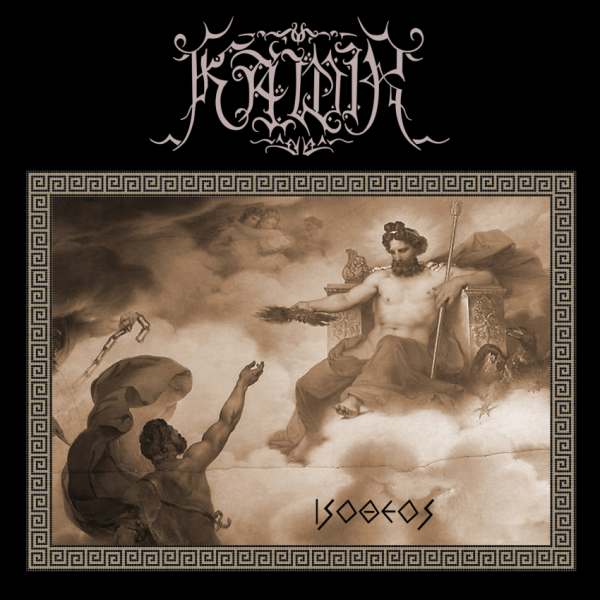
Kawir – Isotheos (2012)

Kawir Isotheos

Article by David Rosales

Kawir is a band that belongs to that side of metal whose discussion allows the true metal nihilist to distinguish between free minds who embrace the spirit of metal’s independence from political or religious doctrine. Metal has been characterized by its portrayals of power, courage and strength, while looking down on sheepish behavior, compliance with the system and general cowardice. When bands who openly express musical worship of Pagan ideals as a source for racial/national power, it gives one the opportunity to weed out the sheep in metal guise. The metal nihilist will find in the concept of the pagan theme in metal yet another expression of pride and power apt for the narrative of timeless natural struggle. He may dispassionately nod its head to the idea without necessarily embracing it as something that speaks to him, personally. He holds the burning flame of life in front of him, observing the destroying consumption that drives action in eternal co-dependence with passive materia. He stares at it directly without fear of having the miserable protective borders of human-society constructs burn away, nay, welcoming this removal of the illusory.
(more…)

25 Comments

Tags: , , , , , , , , , , ,

Diamond Head – Lightning to the Nations (1980)

diamond head lightning to the nations

Diamond Head were who Metallica and Megadeth desperately wanted to be. A seventeen-year-old Lars Urlich famously flew to London to see them play after buying their debut from a magazine ad. Celtic Frost owed their career to the Holst-opened classic “Am I Evil?” Lightning to the Nations, is the “the missing link” between the early New Wave of British Heavy Metal and later speed metal.

The guitarwork and songwriting are excellent throughout. Driving Motorhead-style rhythm riffs served by pounding pickup beats and groovy bass lines progress power chords into solos that Blackmore and Tipton wish they had written. These extended leads serve not only as climaxes but continue building tension, alleviated only when the original verse riff (or a variation thereof) returns. Clever variations in the extended riff phrasing enable verses to wind and flow freely around catchy choruses, continuing effectively long after lesser groups would have ran them their course.

Yes, Lightning to the Nations is bluesy with many influences from the riff-based hard rock of the seventies. The vocalist even multi-tracked himself on “Sucking My Love” in imitation of Robert Plant. None of these rock roots serve to lessen the force and creativity present in the music. The atrocious keyboards and reverb mixed into the 1993 Metal Blade reissue do. Stick with the original LP and the 2011 “Deluxe Edition” CD remaster from the original tapes.

22 Comments

Tags: , , , , , , , , , ,

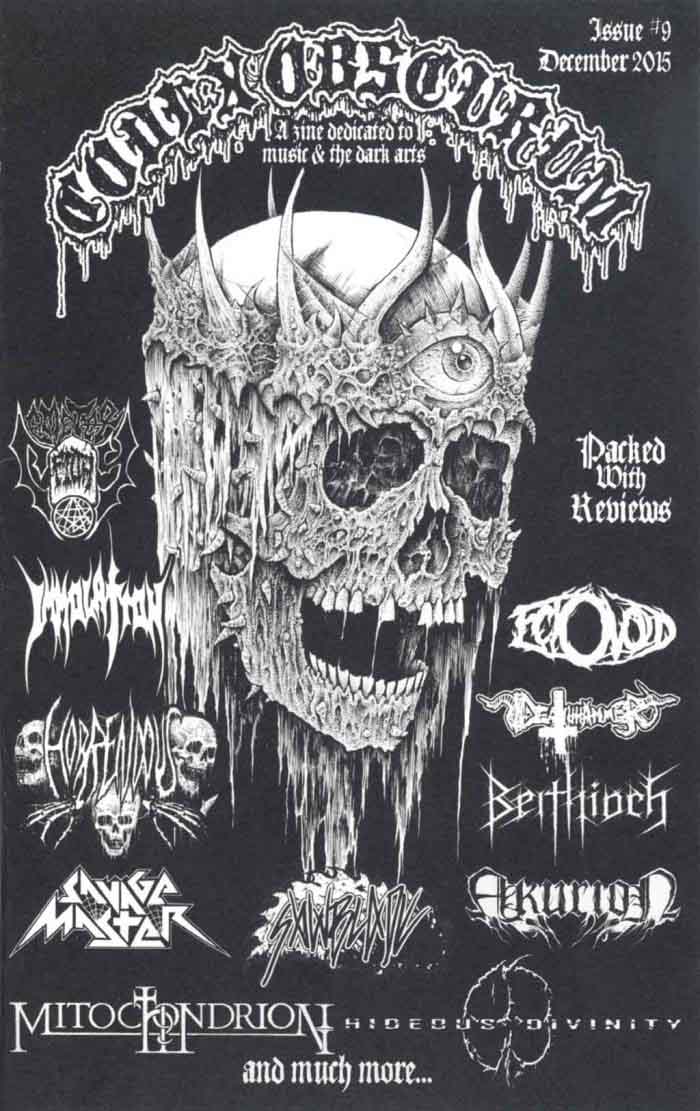
Codex Obscurum – Issue Nine


Codex Obscurum
Issue Nine
45 pages

As the internet reaches its peak, the inherent deficiencies of the post-“Eternal September” online audience reveal themselves. Drowning in vast amounts of MP3s and data, they have stopped choosing best over better, and simply accept whatever is not offensively horrible on the first listen. As a result music quality has plummeted. Zines like Codex Obscurum are reversing this by shining the spotlight on the quality that stands out and ignoring the rest of the flood.

Issue Nine opens with an Immolation interview. While I love Here in After, I usually skim Immolation interviews because the Ross & Bob show are so focused on being nice sociable guys that very little is said that I could not glean from liner notes. Interviewer Kevin Ord however takes a subtle but aggressive approach in asking Immolation “where’s the meat?” The result is unsatisfying, as one might expect for the band that defecated out Kingdom of Conspiracy, a parody of their former works worthy of SNL. Ord gets to the core of where this band is now and if there is an echo, it is not his fault but an honest reflection of what happens when death metal bands realize that two-note speed metal with death metal vocals is a path to Pantera-oriented glory where Here in After makes fans happy and bands poor.

Interviews follow with Mitochondrion, Horrendous, Evil Power, Ectovoid, Beithioch, Savage Master, Cemetery Filth, Hideous Divinity, Akurion and visual artist Daniel “Sawblade” Shaw. Each of these tries to bring out the purpose of the band, acknowledging subtly that many of these bands are B-level art workers who merely hope to pay tribute to their influences before going back to day jobs. Beithioch may be most interesting with its culture-based, whisky-infused Irish tangent on the idea of death metal and black metal as resurrection of the invisible values that hold humans together and keep us all from committing suicide in gas station restrooms. Each interview is carefully posed and diligently edited, filtering out the noise of grammatical train wrecks and misspellings that blight most zines.

After a centerfold of intense zine branding art, the reviews come forth. These are more descriptive than critical, but in trying to make a narrative out of each band, reveal how successful these artists are in expressing something more than a vague genre identity. Some of these reviews tempt as purpose and aesthetic vision appear in the words, but others make me want to run far away from what sounds like disorganized aping of the near-past. The reviewers are gentlemen who let the music speak for itself in symbolic translation instead of vocalizing their critiques, which makes it both more informative and more fun for the reader.

This issue ended too soon, but not for lack of content, but mainly because I was all set to read all night! Issue Nine ends in an editorial which by focusing on criticism of the underground, issues some potent criticism of its own of the underground, which is gratifying to see in a time when most people are too busy playing “follow the leader” to notice the quality differential over the years. It rounds out a solid issue and gives some placement to the interviews and reviews which preceded it.

Codex Obscurum continues at full strength after quite a few years now of activity, forging ahead where the internet has abandoned metal and the industry has failed it. This zine emphasizes selectivity and so has avoided treading the well-worn ruts that most big magazines do, but has also avoided the underground fanboi mentality which holds that a fifteenthrate Incantation/Demoncy imitation is just as much news as the originals. These writers have kept this zine going strong and show no sign of stopping, which makes it fortunate for us readers who need a breath of fresh air in the fetid stench of the decomposition of the corpse of the underground about now!

2 Comments

Tags: , , , , , , , , , , , , , , , ,

Interview With A Metalhead Pipesmoker Video Blogger

Each of us finds a path through life. Along the way we collect things we believe in, and things we enjoy. Sometimes those become what our commerce-brained socially-manipulated society might call “hobbies,” but these are often closer to a calling. I was fortunate to interview someone who straddles that line. He calls himself “Metalhead Y Cigarguy” and he runs a successful YouTube channel where he analyzes cigars, pipes and often, heavy metal.

You’re both a metalhead and a pipes/cigar smoker. Do you think the two go together?

If you’re going by stereotypes, no, but that’s why stereotypes are bad. Typically the pipe/cigar smoker is viewed as educated and an upper class individual, whereas the Metalhead is viewed as the uneducated lower class individual. You and I both know this is not the case at all. Now when I first got into pipes/cigars I thought I was one of a few Metalheads that actually enjoyed “the finer things in life,” but I quickly learned that there were a lot of individuals that smoked pipes/cigars that listened to all forms of Heavy Metal music.

That’s the nice thing about the hobby of pipes and cigars, most individuals don’t care about race, religion, political view etc. as we all have a common bond and that’s pipes and cigars. When individuals come together, say the doctor and the Metalhead, at the local cigar lounge, the two can always have an interesting conversation about the hobby even if they disagree about everything else in life. The hobby of pipes and cigars is open to anyone and everyone.

How did you get into smoking cigars? When did you add pipes to your routine?

I used to just smoke a few cigars on the back deck in the summer time. At the time I really wanted to take up pipe smoking, but like most I didn’t really know where to begin, and I didn’t want to spend a bunch of money on something that I may not enjoy. Cigars seemed like an easy first step. After I found myself enjoying cigars I decided to get more into the hobby, so I purchased a small humidor and things took off from there. I soon found myself with several humidors and about 300 cigars on hand.

After being into cigars for a while I decided it was time to try a pipe, so I went to my local tobacconist and picked up a basket pipe and a couple ounces of Lane RLP-6. For the first couple months I only smoked my pipe about 2-3 times a month, but as I got the hang of it more I decided to spend a bit more money on a nicer pipe. Of course just like the cigar hobby, my pipe hobby took off as well. I now have a very well stocked cellar of tobaccos and about 35 pipes. Needless to say I really enjoy my pipes and cigars and pretty much all my spare cash goes into the hobby. My wife always asks, “Don’t you have enough tobacco/cigars?” and my response is always “no.”

You run a YouTube channel with pipe and cigar videos. Where can we find it, and what is on it?

I post a variety of videos on my channel. I have a Sunday Evening Cigar series where I usually review cigars but also discuss cigar related topics, I have a Thursday Pipe Chat where I discuss a variety of pipe/tobacco topics and sometimes I do an occasional pipe tobacco review. I have also done videos on my sports teams, as well as videos where I discuss Heavy Metal music. I’m open to all subjects, but mainly keep it to pipes and cigars.

What do you like about making videos, and why did you pick that format over others?

I started out many years ago on Heavy Metal forums like Metal Rules, Encyclopedia Metallum, Roadrunner Records etc., and when I got serious about cigars I discovered the Cigar Geeks forum. I posted on that forum daily for a good 3 years straight, and there is a great group of individuals over there. As I had grown in my cigar hobby I decided to give pipe smoking a try as I had always wanted to smoke a pipe.

After beginning my adventure into pipes I discovered there was a community on YouTube. After seeing the interaction from people I decided to jump in and give it a go and make videos. As with most people my videos sucked at first, heck they probably still do, but it gave me a better interaction with individuals in the hobby. Forums can be useful, but many times people don’t get to detailed about a particular subject; where as with YouTube a person can spend 5, 10, 15 + minutes talking about a particular subject and provide more in depth information about something you want to know about.

With YouTube its more of a face to face type interaction as you are watching the individual demonstrate tips, tricks, how-tos etc. with the actual pipe and/or cigar, so as a visual learner it was ideal for me. For a long time I didn’t have anyone to sit back and enjoy a pipe or a cigar with either, so by watching YouTube Pipe Community (YTPC) videos I was able to simulate that experience even if it was only a one way conversation. I think that’s why a lot of us do it… to share a smoke with someone and to have some interaction that way.

What is the YouTube Pipe Community (YTPC) and how did you become part of it? What does it do, and how can people find out more?

YouTube is full of different communities that cover topics from Guns/Self Defense, Bushcraft, Gamers, etc., and if you’re interested in a particular hobby then chances are there is a community for it on YouTube. YT has a strong pipe/cigar community that’s been around for a long time. I’ve been a part of the YTPC for four years now, and it was going strong when I joined. It’s basically a community of individuals that post pipe and/or cigar related videos, and create dialog with individuals based off those videos.

Its similar to a forum, but the dialog is generated from the videos. Sometimes instead of just typing out a text reply to the video, individuals will make a video response and post a video that will respond to the topic mentioned in a video by another person. Within the community you will find people that post tobacco and pipe reviews, cigar reviews, how to videos related to pipes and/or cigars, and sometimes people just create ramble videos.

Those are simply the individual talking into the camera as if they were sitting next to an individual and sharing a pipe and/or cigar with them. There are a lot of people that don’t have the opportunity to have a smoking buddy, so many of us can simulate that by watching the ramble type videos and pretend we are hanging out with said individual. Those types of video’s aren’t for everyone, but some people really enjoy them.

Anyone can join the community, all you have to do is post videos. There are no requirements to join other than to just start posting videos. What kind of videos is up to the individual. For lack of a better term, the community is filled with many “lurkers,” which are individuals that watch the YTPC videos, but don’t actually post videos themselves. Some comment on the videos and some don’t, but they watch to gain knowledge when it comes to pipe/cigar related topics.

Really that’s the whole idea behind the community, to help educate other pipe/cigar smokers with tips/tricks and how to information. For example how to pack a pipe, how to properly light a cigar etc. I started out as a lurker, and began watching how to videos before buying my first pipe. I then continued to watch and found that the community was full of a lot of great people. After watching for about five months I decided to give it a go and post a video. It was really weird just talking into a camera all by myself, but the community was very welcoming.

In the past four years I’ve made some good friends, and have had the pleasure of going to pipe/cigar related events where I’ve been able to meet up with other individuals from the YTPC in person. A lot of us will from time to time talk via Skype or Google+ Hangouts, and via a phone app called Voxer. I regularly talk via Voxer with individuals from Australia, Great Britain, and all across the the US who are a part of the YTPC. So it really is a community that goes beyond just posting how to videos etc.

When did you get into heavy metal? What attracted you to it, and what were your favorites? Do you have a “top ten”?

Growing up in the Pacific Northwest when the Grunge/Alternative Rock scene broke open it was easy to get into bands like Nirvana, Alice In Chains, Pearl Jam, Mud Honey, Soundgarden, etc. After a few years it was clear to me that the scene was dying, and the new bands that were coming out were very stale and provided nothing new. As the casual Hard Rock and Heavy Metal listener I expanded on the Heavy Metal side and I became a huge fan of Ozzy Osbourne and Black Sabbath in the mid 90s.

I then got into the Nu-Metal scene, but realized fairly quickly that there was heavier stuff that was better. By the end of the 90s I was getting into more Thrash, outside the Big Four, and into Death Metal and even some Black Metal. As time passed I really came to enjoy the old school Death Metal and Thrash Metal that I missed in the 80s as a young kid and while I was listening to Grunge/Alternative in the early 90s.

Now days I find myself mainly listening to the Traditional Heavy Metal like Ozzy, Black Sabbath, Judas Priest, along with the old school Death Metal bands, Death, Cannibal Corpse, Obituary, Deicide, Malevolent Creation, and Thrash Metal bands like Overkill, Testament, Exodus, etc. outside the Big Four. I enjoy all varieties of Metal though as you can find me listening to Progressive Metal, Power Metal, Doom, Folk Metal, Black Metal etc. I enjoy all of the sub-genres.

What do you look for in a cigar or pipe tobacco blend? Are some better than others? Are there others you “just like”?

When it comes to cigars I like anything from Mild up to Full bodied, though if I’m having a Full bodied cigar I need to go slow and make sure I have a nice meal before hand otherwise I’ll feel the nicotine punch. I prefer a nice Mild-Medium cigar in the morning with a nice cup of coffee, and in the evening I prefer a nice Medium-Full cigar with a nice ale or some whiskey. My favorite brand of cigar is Romeo Y Julieta, and of those lines I really like the Reserva Real and the classic 1875 line.

As for pipe tobacco, I started off with aromatics like many do. I still enjoy an aromatic from time to time, and if I do have an aromatic its usually in the morning with a cup of coffee. As I got more into pipes I really found that I enjoy English/Balkan blends the most. Typically anything with Latakia, Turkish/Oriental, Virginia and Perique will be a favorite of mine. Looking back on most of my favorite blends, they all have those components to them. I also find that I really enjoy McClelland tobaccos. Not saying they’re better than brands like MacBaren, Cornell & Diehl etc., but I find I really enjoy a lot of the McClelland blends.

What should people know before getting into cigar/pipe smoking? What about before they start listening to heavy metal?

With pipes/cigars… just know that its going to be expensive, especially cigars. A nice cigar here runs $5-9 so the cost can definitely add up. The higher end premium cigars range from $10-15+ so its not cheap at all. That doesn’t include accessories like humidors etc. With pipes and pipe tobacco its not as bad as you can get away with an inexpensive corn cob pipe (which are really good smoking pipes) and some inexpensive bulk blends. Though you can find yourself spending hundreds of dollars on some very nice pipes too, so it can be very costly as well. Then adding tobacco to your tobacco cellar will generate an expense as well. Either way you’re going to be spending some hard earned cash. How far into the hobby you want to go will determine how much money you’re going to invest in the hobby.

Heavy Metal carries a bad stereotype, and the music is viewed by many as a guy standing there screaming into the microphone while the band plays unorganized loud music. Now in some cases that may be true, depends on who you’re listening to, but the professional Metal bands are actually very talented musicians with many playing at a high level. Though most people can’t get past the loud noise. Then there is the typical images of hate and satanism.

Now some bands have this image or have lyrics about these types of messages, but not all bands are that way. There are plenty of Metal bands that sing about a positive message. Its up to the listener to decide their preference. For someone that wants to explore Heavy Metal… go for it! You have to look past the stereotypes. There are all kinds of sub-genre’s of Metal so while one genre may not fit your style another might. Sometimes it takes time to really wrap your head around what you’re listening to as well.

For example the first time I listened to Mercyful Fate (King Diamond), his falsetto singing really threw me off and I was like, “What the heck is this?” I wasn’t ready for it, so I put the album on the shelf for about a year. When I came back to it I was blown away by what i was listening to. Now Mercyful Fate and King Diamond are two of my favorite bands. Sometimes you just need to recognize you’re not ready for something, and instead of just dismissing it, come back to it at a later time. Your outlook may change.

Is there a “generation gap” between older pipe smokers and younger ones regarding the video format? Are there any newer formats that bridge the gap?

The forums are most likely to bridge the gap, because unless an individual shares information about themselves you don’t really know the age of the different individuals. As for YouTube, there are many older pipe smokers that make YouTube videos. It’s not just a young pipe smokers format.

The individuals in the YTPC don’t care if an individual is in their early 20s and just picked up a pipe, or if they’re in their 60s and have been smoking a pipe for 40 years. Everyone interacts with everyone. It’s a great community full of helpful information and individuals that love to share their thoughts on the hobby.

How do you make your videos? About how long does each one take? Does it require special equipment, software or a studio?

I keep it real simple as i do it for fun. If it gets to detailed it becomes a chore and then it’s not fun anymore. When I was doing my Thursday Pipe Chat and my Sunday Evening Cigar series on a weekly basis with editing, I was spending a lot of time on my computer (hours). Now I just use my cell phone which records in HD quality. If I do any editing it can take a little bit of time, but I don’t do that much anymore as I prefer to just click record and stop and then upload. It’s so much more easier. Is the video quality lower?… that’s for the viewer to decide.

If people are interested in what they read here about you, where do they go to find out more and stay on top of your latest doings?

I still chat on the Cigar Geeks forum from time to time, but not as much anymore. I chat on the Pipes Magazine forum on a regular basis currently and of course I’m still making videos for my YouTube channel. I can’t see how anyone would want to keep up with me, as I don’t find myself that entertaining, but if they really want to then the best place is my YouTube channel.

14 Comments

Tags: , , , , , , ,

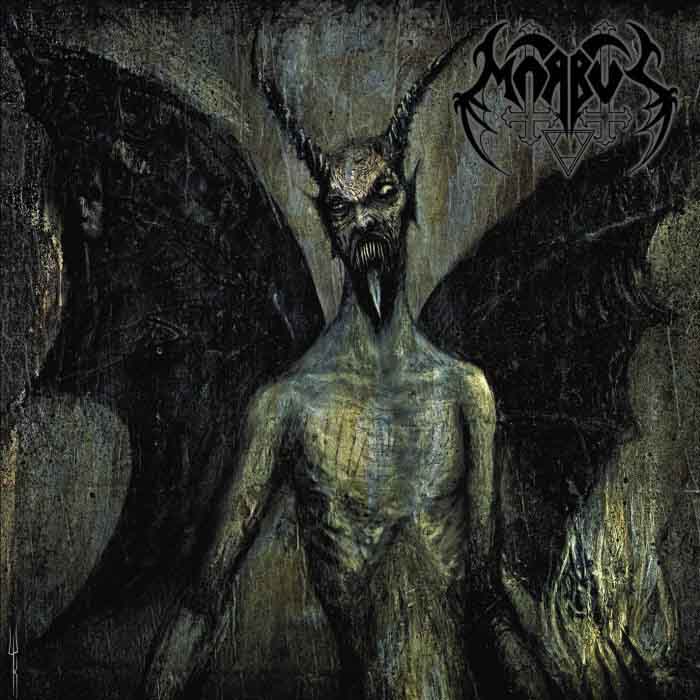
Morbus 666 – Ignis Divine Imperium (2016)

morbus 666

Article by Corey M

Featuring members of two well-respected underground metal bands – Imprecation and Bahimiron – the professional aptitude of the musicians is obvious as soon as Morbus 666’s album Ignis Divine Imperium is through with the first song, though that’s not to say that there is any showboating whatsoever from the players here. The sonic texture of this album is very similar to that of the latest releases by the aforementioned bands; dry, gritty guitars dominate the soundscape with a harsh midrange attack while scratchy vocals and a beautifully live-sounding drum set do little to assert their presence, but effectively support the hypnotically whirlpooling riffs.

Aesthetics aside, comparing Morbus 666’s music to that of Bahimiron is fair, because both feature a similar general sense of dynamics, method of structuring songs, and overall level of complexity (which is relatively minimalist in terms of modern metal in general). In both cases, we’re dealing with no-frills black metal that emphasizes gradual evolution of songs (strategically avoiding distracting melodic tangents) while eschewing ornamentation and anything other than rudimentary black metal technique: That is to say, the band’s whole arsenal consists mostly of tremolo picking, some creepy ringing chords, marching beats, and sometimes blasts. There are no guitar leads, acoustic interludes, stretches of vaguely disturbing ambient noise, or synthesized string sections. In fact, there aren’t even any drum fills or the sort of herky-jerky, stop-start tricks you might expect to hear from some of the more chaotic modern black metal acts. The engine of Ignis Divine Imperium is pure and relentlessly sinister melody, and for the most part, the band delivers impactful hymns that praise Satan as an anti-humanist archetype, denying (both lyrically and musically, and by extension ideologically) the casual fan the luxury of a comfortably passive listening experience.

The most effective bits of music in Ignis Divine Imperium are so simple and subtle that they may first pass by in a blur, but become more rewarding with repeated listens. For instance, the first track (“Fiery Abyss”) begins and ends with the same simple two-chord phrase, acting as bookends to the song. It works as an engaging introduction, but by the time this phrase is reintroduced, the experience of hearing it again is not just that of familiarity, but a more lucid contemplation of what sort of hidden meaning the melody implied at first, since it has now been contrasted with the winding riffs that have occurred in between the opening and closing.

To borrow another author’s* metaphor: Imagine standing at the edge of a valley, observing the lay of the land before you, and then descending into its depths and eventually emerging on top of the opposite edge. Looking back, you gain a more complete perspective of the depth and width of the valley through which you passed, since you are able to compare the span of time and steepness of the cliffs which you must have climbed down and then back up. In this same way, the introductory riffs of each song on the album serve to give the listener a general idea of what to expect, but it is not until emerging on the other side of the tangle of melodies that one can fully appreciate, by looking back, the journey as a continuum of experience, and realize that there was more to the introductory riff sequences than could be guessed by hearing them alone, as they relate to the riffs in the middle and then the end of a song. This seems like an obvious way to structure any song but amazingly (or not), many bands fail to make their songs interesting without drastic changes in rhythm and guitar techniques and naturally drifting from any main point that they wish to express. Meanwhile, the music of Morbus 666 succeeds by having strong riffs alone.

All this praise but some criticism yet; the simplicity of some of the riff sequences on this album work against the development of the song. There are definite stand-out tracks like “Fiery Abyss” and another near the end of the album, “Through the Black Fog Burns the Eyes of the Devil”, which explores the more majestic aspect of Satanic might with off-puttingly somber and yearning melodies, much like can be heard on the best Behexen tracks, but utilized much more convincingly by Morbus 666. However, other tracks sometimes fall into ruts which sound insincerely placid amidst the more viciously hateful passages. The band exercise possibly more restraint than is needed during these parts, which understandably serve as dynamic fluctuations to contrast and therefore highlight the harsher riffs, but they sound somewhat forced (as in uninspired) and can cause the concentration to falter after carrying on for so long. These minor flaws notwithstanding, the album earned a purchase from me, as I’m sure I’ll continue listening to it for some time to come. Besides, I’m very interested to hear another album from them, and hope that they can sharpen their songs even more, because they are on a war path and possess the firepower to eradicate any and all belligerents.

*If anybody knows who, I would like to know as well, since I remember the words but forgot where I read them, so can’t rightly credit the original.
9 Comments

Tags: , , , , , , ,

Nihilistic Holocaust webzine publishes rare Quorthon interview

The folks at Nihilistic Holocaust webzine recently uploaded a rare cassette interview that an unknown fan or journalist managed to score with Quorthon of Bathory. To my understanding, while there’s a reasonable amount of historical documentation of early underground metal, a lot of it is locked away in unscanned fan magazines, unpreserved recordings, and so forth. It’s always interesting when someone unearths these documents. This specific interview showcases Quorthon documenting his experiences touring, working with Black Mark Productions, releasing various albums and so forth. Definitely worth your time if you have a spare 15 minutes.

3 Comments

Tags: , , , , , ,

Pureblood Albums – A 2013 Recap

office-space-machine-beating

Article by David Rosales

As another year ends and a new one begins, many “best of” lists pop up here and there, among them our own here at DMU. While others may be eager to know about what is ever new, we are more interested in what stands the test of time. Today we will look at some albums that were highlighted here as the foremost products of the year 2013, which was a year of renewal, great comebacks, startling discoveries and a general wellspring of inspiration. In the opinion of this writer, 2013 has been the best year for metal in the 21st century.


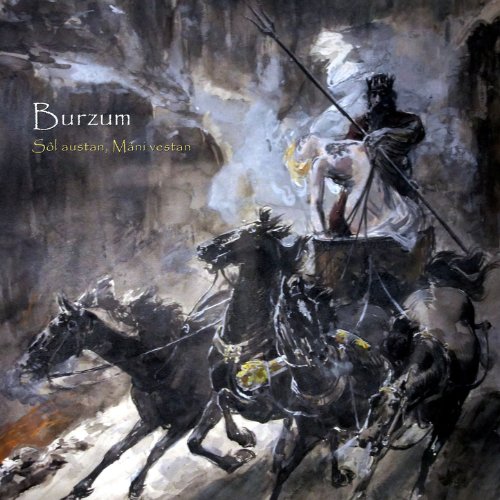
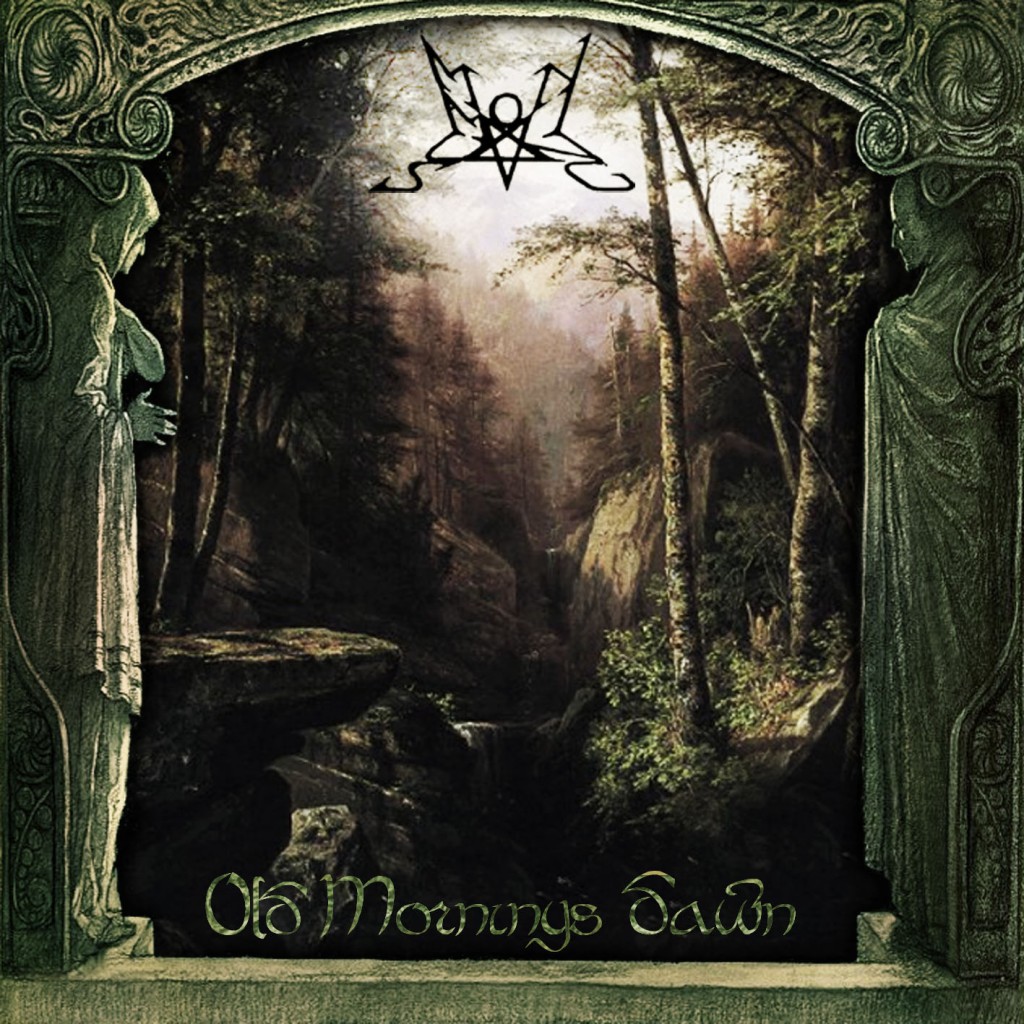
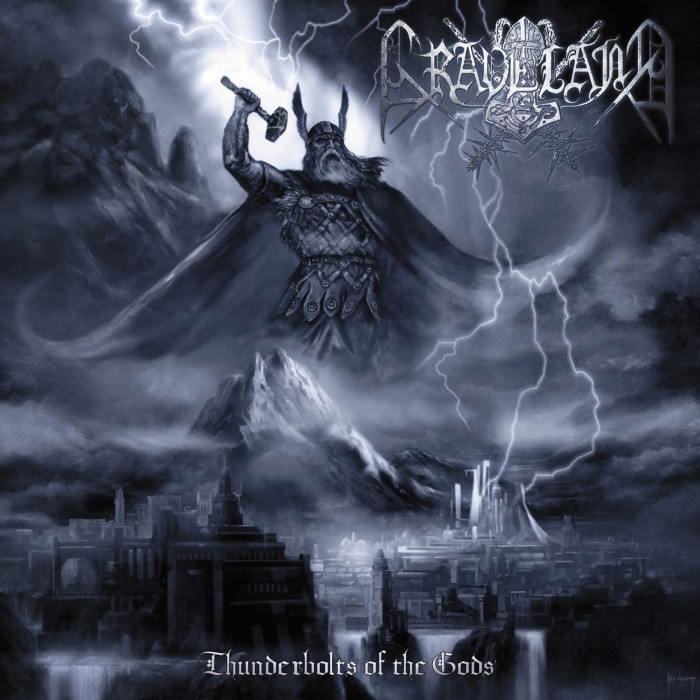
To start off, we shall pay respects to long-lasting acts with a black metal background, namely Graveland, Summoning and Burzum. While the last has left the metal camp for good, its approach and spirit is still very much enriched by the essence of the deepest metal infused with transcendental values. Summoning is still doing their thing, ever evolving, trying a different permutation of their unique style. Fudali’s project has become the warrior at the frontlines of the strongest nationalism grounded in music that uplifts the heart with an authentic battle feeling (as opposed to those other bands playing funny-jumpy rock and acting all “dangerous”).

burzum-sol_austan_mani_vestan

Sôl austan, Mâni vestan is an ambient affair that uses short loops which revolve around clear themes in each track. The approach is a little formulaic, thereby limiting the experience with a feeling of repetition. However, as with many good works of art, this self-imposed canalization serves to speed the result in a direction. As with a lot of Burzum’s work, this is a concept album that must be listened to as a whole. When this is followed and one stops looking for novelty and instead concentrates on the details that bring variation within the familiar landscape, the somewhat arduous experience brings great rewards once the summit is reached and the journey is taken more than once.

summoning-old_mornings_dawn

Something similar can be said of the slightly pop-minded Old Mornings Dawn. This effort by Summoning certainly lacks the density of their masterpiece, Dol Guldur, but is no less effective, although perhaps shallow. But what isn’t shallow when compared to that masterpiece? As with every Summoning album, Old Mornings Dawn has a very separate personality, and in this case, it is one of heroism, light, regeneration and hope. Something that will never leave the band’s trademark sound is the deep feeling of melancholy and longing for ruins.

Thunderbolts_front2013_

Graveland materializes in Thunderbolts of the Gods one of their most warlike efforts to date in a smooth trajectory that has gone from rough-pagan to long-winded and epic to heroic war music. What raises this offering above others in Fudali’s current trend is the awesome bringing forth of destructive energies mustered in the imposing drumwork. Gone are the clumsy rhythms of Cold Winter Blades and the redneckish tone of the (nonetheless great) album Following the Voice of Blood. This is the technically polished and spirit-infused summit of this face of Graveland.

black_sabbath-13

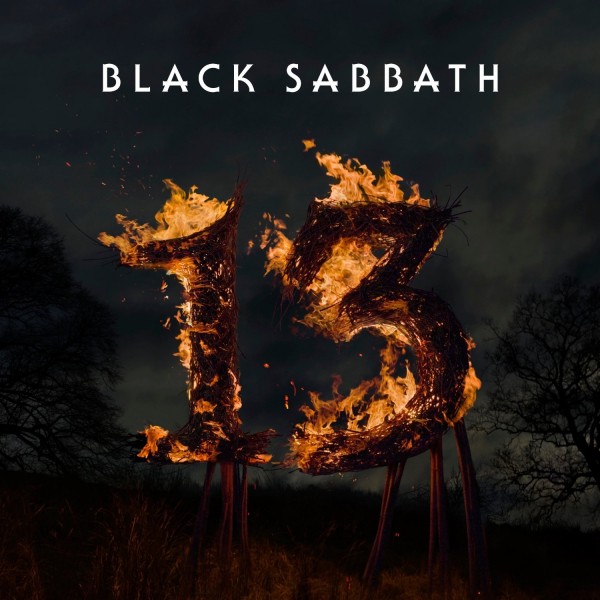
One of the most deserving releases of 2013 was Black Sabbath’s 13. More expectations could not have been placed on anyone else. Yet the godfathers of metal delivered like the monarchs they are: with original style, enviable grace, magnificent strength and latent power. Along with the last three albums just mentioned, this album shows itself timeless in the present metal landscape. It encompasses all that it is metal, and brings it back to its origin. This is an absolute grower which will age like the finest wine and is, in my opinion, the album of the year of 2013.

profanatica-thy_kingdom_cum

In 2013, Profanatica finally achieved amazing distinction with Thy Kingdom Cum, which can be considered the fully developed potential of what Ledney presented in the thoroughly enjoyable Dethrone the Son of God under the Havohej moniker. To say this is the natural outcome of Profanatica’s past work is as true as it is misleading in its implications. This is not just a continuation of what the band was doing before, but a deliberate step, a clear decision in the clear change in texture quality that means the world in such minimalist music where a simple shift in technique or modal approach defines most of the character of the music.

condor-nadia

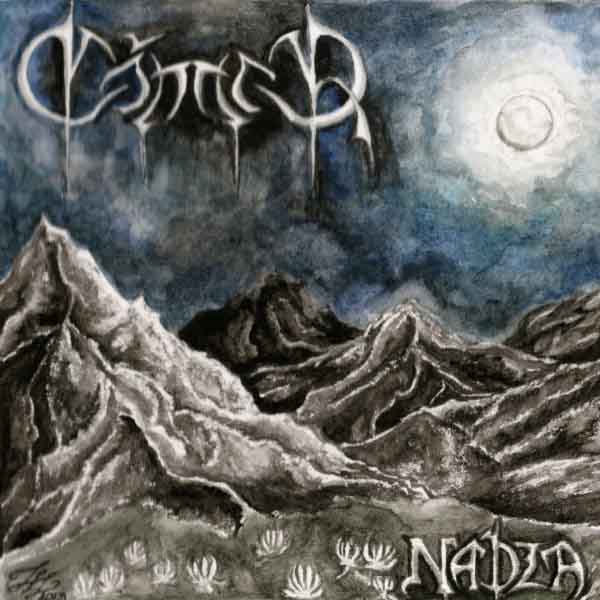
Cóndor’s Nadia was probably the hidden pearl of the year. Never mind the metaphor of the “diamond in the rough”, there is nothing rough about this. It is polished, but it is hidden. The shy face of this beautiful lady is covered by a veil that turns away the unworthy, the profane! This is immortal metal artwork which to uninitiated eyes and ears seems but like the simple, perhaps even amateur, collection of Sabbathian cliches and tremolo excuses of an unexperienced band. The knowledgeable and contemplating metal thinker recognizes the Platonic forms under the disfigured shapes.

imprecation-shirt-satanae_tenebris_infinita

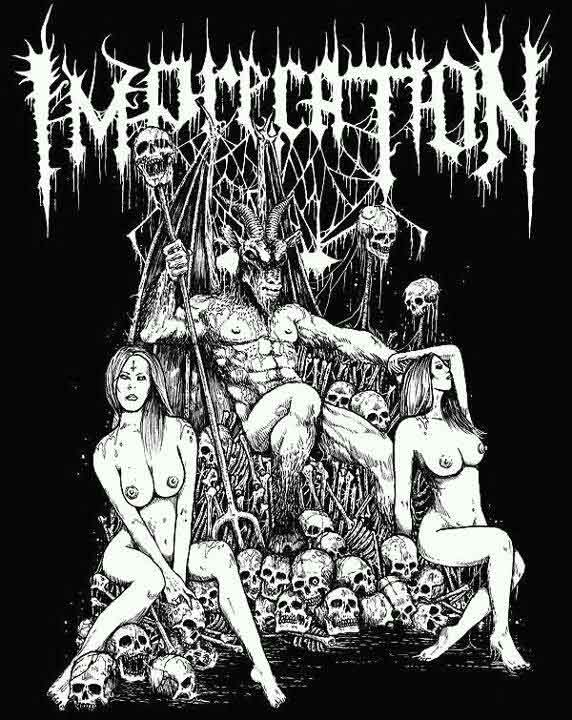
Imprecation’s Satanae Tenebris Infinita and Blood Dawn by Warmaster draw our attention to the strong presence of a more humble but profoundly (though not obviously) memorable album and EP. These will stand the chance of time, but will not necessarily remain strong in the mind of a listener in a way that he feels compelled to come back to them often.

von-dark_gods_seven_billion_slaves

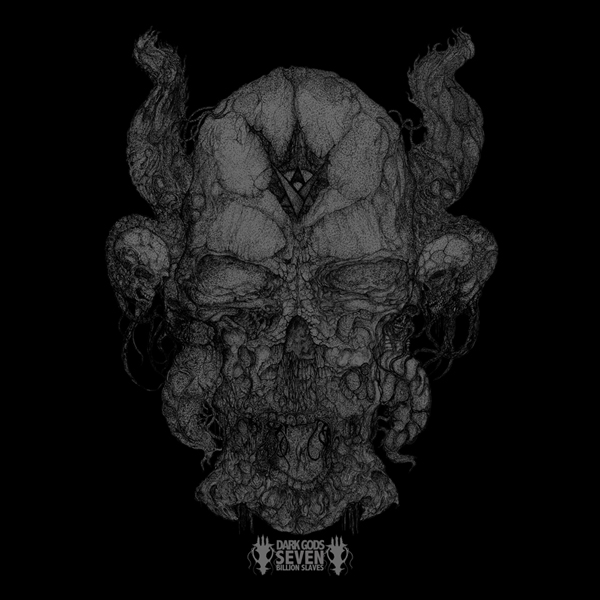
Dark Gods, Seven Billion Slaves by VON seemed more enticing at the time. It’s definitely a solid release, but it is however a very thinly populated album with more airtime than content. Whatever content it has is also not particularly engaging. The enjoyability of this one is a much more subjective affair and like a soundtrack is more dependent on extra-musical input from the listener’s imagination.

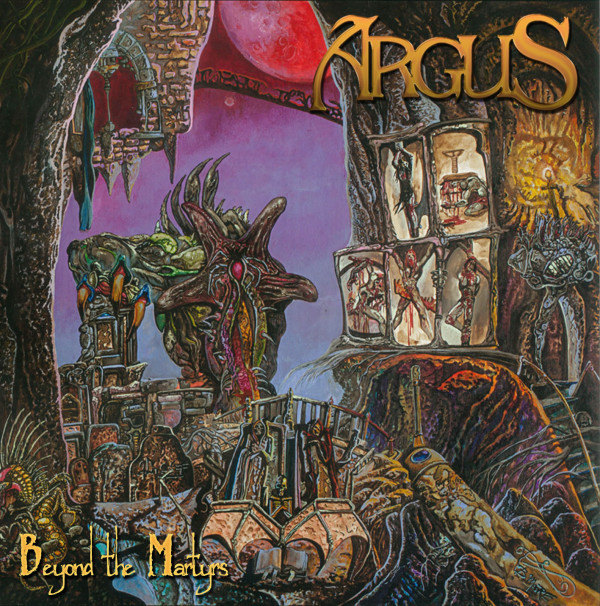
argus-beyond_the_martyrs

As delightful as the three heavy metal albums Argus Beyond The Martyrs, Blitzkrieg Back From Hell and Satan are, the intrinsic qualities of their selected subgenres makes them a difficult candidate for long-lasting and profound impact. That is not to say they have no lasting value. If anything, these are albums one can come back a thousand times and perhaps they will not grow that much, but they will never truly grow old.

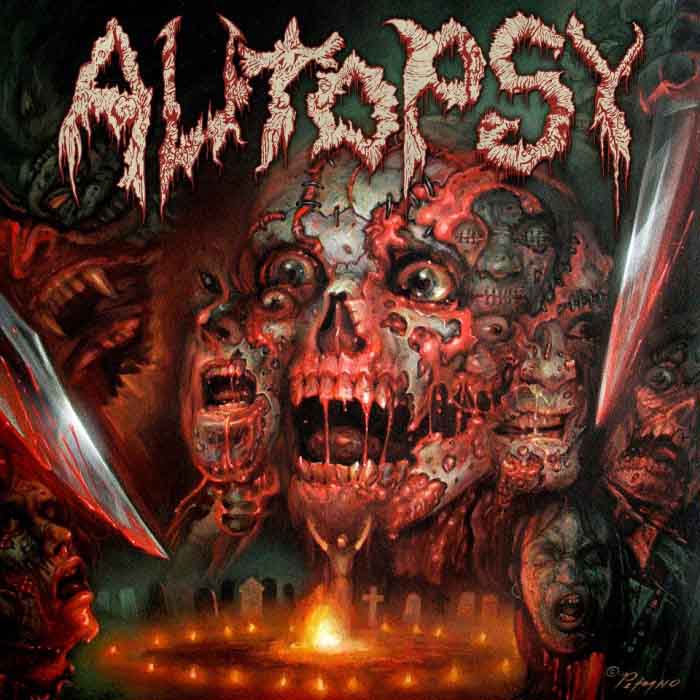
headless_ritual_large

Autopsy’s Headless Ritual is one of the strongest yet most understated albums of the year. The extremely rough character of the music may contribute to how it carelessly it can be left behind. Fans of brutal music will find it little different from the rest and will quickly forget it. Fans of wider expressions and deeper thoughts will pass it by with little interest. Such is the tragedy of this very respectable album.

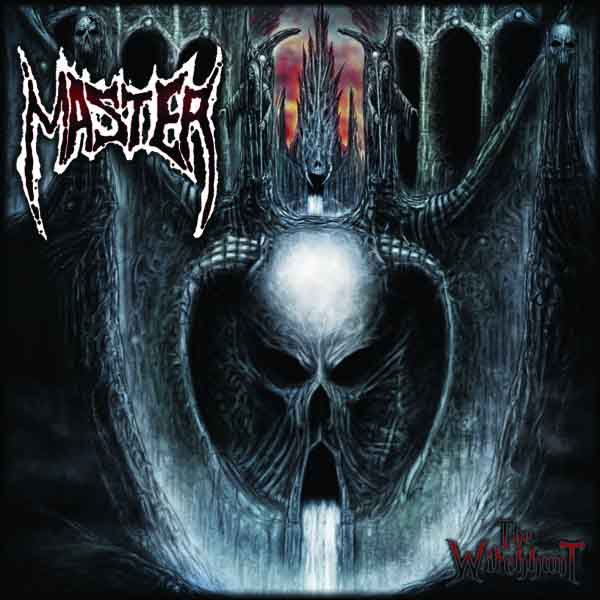
master-the_witchhunt

A few stragglers in this group; Master’s The Witchhunt, Centurian’s Contra Rationem, Derogatory’s Above All Else, and Rudra’s RTA proved to be more impact and potential than manifest presence. These will remain fun and quaint for a very occasional listen, perhaps even a sort of throwback feeling, but lacking the long-lasting impact of others in this list.

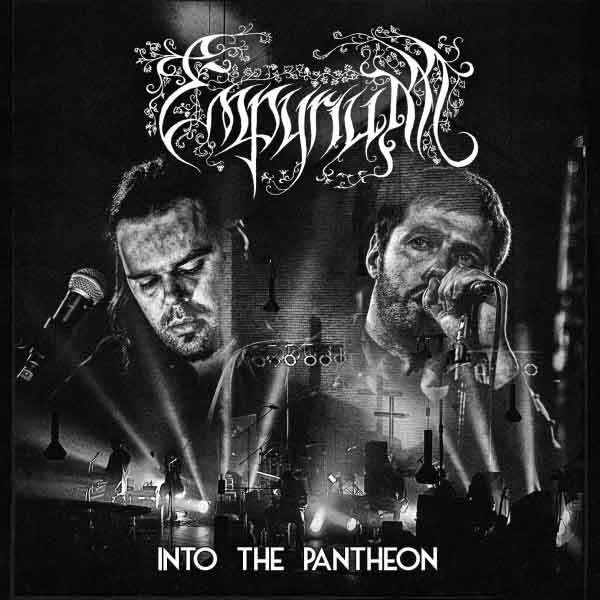
empyrium-into_the_pantheon-cover

A special mention is deserved by Into the Pantheon, the essential synthesis of Empyrium, being their most revealing, powerful and clear release. While not outwardly metal, this live recording everything that is to be metal at the level of character and spirit. As such it is the perfect closing note for this recapitulation and reevaluation of past selections.

27 Comments

Tags: , , , , , , , , , , , , , , , , ,

Abbath sets release date for self-titled album

possible abbath cover
We’ve sampled a few of the tracks Olve Eikemo has released as part of the Abbath project. They certainly exist, that much I can tell you, but I personally wasn’t able to get much out of them beyond a certain level of instrumental proficiency. Response from the rest of the metal communities (curse their still-beating hearts) has been more positive, and Abbath’s proper solo debut will come out on January 22nd, along with a plethora of other albums we’ll have to at least give a perfunctory look. In the mean time, another track from this album (“Count the Dead“) has been released as a single, in case you didn’t already have enough clues about Abbath’s musical approach. Furthermore, Abbath is headlining the 2016 Decibel Magazine Tour through March and April, so he’s definitely got a busy schedule ahead of him.

1 Comment

Tags: , , , , ,

Classic reviews:
A B C D E F G H I J K L M N O P Q R S T U V W X Y Z