Metal interviews are like connecting violent minds to an amplifier. The musician is given a chance to speak plainly, and rewarded for saying something outlandish enough to make a headline. It’s like pouring gasoline on a fire.
Much as “in vino veritas” describes how drunk people often accidentally blurt out the truth, interviews often get the essential thoughts out of musicians. Tired, often doing multiple interviews in a day, musicians are apt to cut to the chase. Further, since they’ve been working that part of the brain that makes language, they’re often at their clearest several interviews into the process.
Thus it’s not sensible to either discount interviews, or to wholly accept them without being critical. But recent comments by Nominon drummer Per Karlsson highlight why metal interviews will always be popular — the offhanded, casual and yet direct blurting of truth:
I’d say that black and death metal pretty much go hand in hand, but that’s just my opinion. I am a bit worried though, since more or less all death/black metal of today has turned into rock ’n’ roll or something, all the new bands seems to be more into retro-rock, either that or looking/sounding like Ghost. I am ashamed of what this has turned into, it makes me sick.
Score one for the surly musician. First it makes sense to discard is the “that’s just my opinion” which is a passive-aggressive way of saying that some opinions coincide with truth where others do not. Then to analyze his main point, which is basically that rock music is assimilating metal.
For a brief historical re-cap, metal is a breakaway genre from rock, itself a breakaway genre from blues, itself a breakaway genre from folk. Rock music represents a distillation of many traditions down to the simplest transmissible commercial product. It was always a simpler option to the popular music of the time, and then at some point in the 1960s it took over not just music but popular culture. Much of this has to do with how our commercial society worships whatever seems popular at the moment.
Metal never wanted to be rock. If it had, it would have stayed in the rock camp. It also didn’t fully want to be blues. The influences on Black Sabbath were not only previous rock and heavy blues, but progressive rock and horror movie soundtracks (these inherited heavily from modernist classical, notably Wagner). With metal, rock’s rather static textural riffing evolved into the power chord phrase, which is closer to the horror movie music than what rock was doing at the time.
This upset the existing order.
Rock music saw itself as the bad boy and rebel, the counterculture upsetting civilization. Now there was a counter-culture to the counter-culture. Where the rock boys were singing about flowers, love, peace and our bright future, metal brought in the harsh discordant notes of realism: idealism is poppycock, death is ever-present, and the obliviousness of the average person (see “War Pigs”) is what brings evil into the world. Where the rock guys thought you could fight evil with love, metal counter-posited that you can only fight evil with vigilance, and eyes-wide-open awareness of life, warts and all. That shocked the rock community.
Since that time, metal has been the go-to imagery for advertising firms, movies, books and other entertainment products to symbolize “rebellion.” They also try with punk. Metal and punk are the two drop-out genres that consciously elect to be outsiders, and to avoid just doing what other rock bands doing and, by following that trend, to choose “success.” Popular music is fairly simple: find a unique version of doing what everyone else is doing so your audience both recognizes what you’re doing, and has some unique “mental handle” that causes them to single you out. It’s basic memetics.
This means that entertainment products have both a core and a surface. The core is the actual musical content; the surface is the aesthetics, the quirk, the irony, the imagery, and so forth. Metal has rebellion both in its core and its surface. However, if that metal surface could be transferred to rock, the ideal product would result. The band that came closest was Guns n’ Roses who managed rock song format with later Black Sabbath-styled riffs and bluesy leads. If someone were able to make hard rock that felt like metal, the market would roll over and beg for them.
As a result, the primary threat to metal is bands that “look like” (surface) metal but are actually the same old stuff. A number of bands are indicted under this banner, including Opeth and all nu-metal (which under the skin is “rap/rock”). Recently this process has picked up more steam in the underground. “Post-metal” — which is basically late 1980s post-hardcore, emo or indie rock — has begun to be sold as black metal. Nu-metal with late hardcore stylings has been sold as death metal. The result is fans unable to tell the difference between metal and rock.
This advertiser’s dream will backfire. The more metal gets like rock, the more it loses its outsider status. The more metal shows up in “legitimate” publications and entertainment, the less it is consciously outside of the mainstream world. Like punk, it will end up a “flavor” of rock that is used to sell certain products like motorcycles, cologne, hot dogs and chain saws. This is what Karlsson is warning us against, and it’s a good thing we heed him.
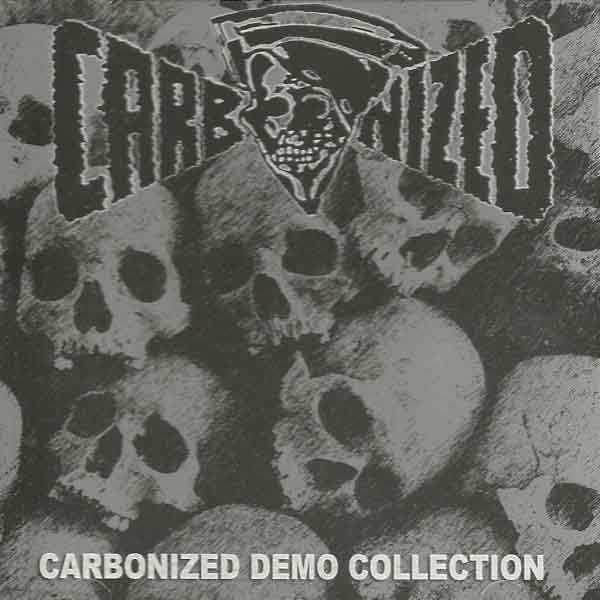
The Swedish grindcore band Carbonized came from an era when metal was still defining itself, and grew up alongside the more intense death metal acts which were putting Sweden on the map. Carbonized remains somewhat less known because the band embraced weirdness and unconventionality in everything it did, which makes for great art but not a conveniently wrapped-up listening experience.
Through three classic albums — For the Security, Disharmonization, and Screaming Machines — Carbonized put its mark on the death metal and grindcore underground by using outrageous technique and converting ideas from other genres into their metal equivalents. While in too “raw” of a form on the Carbonized releases, these ideas were picked up by other bands in more easily digestible forms and thus made their way into the core of those genres.
Luckily someone has bootlegged the Carbonized demos in the grand tradition of underground metal. The three demos and one EP on this CD chronicle the emergence of Carbonized and, as time goes on, its refinement from a fuzzy concept to a clear personality and eventually, such a strong presence that its songwriting is immediately distinctive even when simpler and less polished than what we expect from the albums.
The “Auto-da-Fe” demo from 1989 shows the band as a primitive grindcore/death metal hybrid that leans toward the kind of epic statement that death metal bands made but without much reliance on tremolo strumming. “Re-Carbonized” from 1990 shows the style most will recognize from For the Security, with detuned guitars and recursive-chug riffing among the broad chord progressions played without embellishment in rigid linear rhythms. This gives the music a stark and birds-eye-view character but also places it outside of where death metal was, musically, at the time. This isn’t riff interplay so much as an advanced layering of verse-chorus pairs. Next is No Canonization which shows a messier and more conventional grindcore band that could have been on par with Napalm Death in the same year. A strong inclination to use melody to counter-balance chromatic riffing gives this an expansive feel. Finally, “Demo 3” from 1991 shows us a more confident and technically advanced band who have mixed the techniques of death metal into primitive grind and come up with a melodic but structured and semi-theatrical sound. Its essential character and weirdness shines through, which preserves the esoteric feel of this material.
Probably of interest only to Carbonized fanatics or at least Swedish death metal devotees, Demo Collection reveals facets of this band who shared members with Dismember, Therion and Entombed that had been lost to time. For those of us who think For the Security may be one of grindcore’s lost classics, seeing these demos emerge again is both a treat and an invitation to explore the murky history behind this shadowed movement.
I used to loathe end-of-year lists. They struck me as a pointless chance to advertise what should have been obvious before. Over the years they have risen in my estimation as a way not only to mark the year, but to bring up the gold that gets lost in the chaos of everyday life. And yes, they’re also shopping lists for the metalhead in your life.
This year our list is surprising even to hardened cynics. At a time when metal is bragging up and down the Williamsburg alleys about how “innovative” and “ground-breaking” it is, that novelty turns out to be the remnants of the 1980s: emo, pop punk, shoegaze and indie. The real innovation is as always underground, because to get out of the hive mind one must first remove oneself from participation in normalcy.
Thus what you will find here is not what you will see in either (a) the big-label-financed slick magazines and web sites or (b) the majority of small zines and websites out there. That is because the genre as a whole has shifted from creation towards an idea to emulation of the past, or reaction to the past by trying to adulterate it with outside influences. Neither approach succeeds.
When a reviewer chooses an album, he should pick one that will last in your collection. Your time is limited, as is your money. Thus we look only for works that you can purchase and enjoy over the years, and can return to with a sense of wonder and discovery as new angles and nuances emerge. This standard seems high, so they call us elitists. What we really are is people who love metal and want it to be strengthened by its best, not weakened by accepting its worst.
The following albums are those that merit such a standard:
Argus – Beyond The Martyrs
Rejecting the notion of newness in itself, Argus returns to fundamental influences from the 1980s and makes a band that sounds like a fusion between Mercyful Fate, Iron Maiden and Candlemass. Guitar riffery is designed to be inventive and interesting in its own right but is trimmed down to what fits the function of each song. As a result, these songs “sound like” the classics in more ways than one. They are thoughtful and deliberate, purposeful and driven. Classic heavy metal riffs merge with meandering leads that somehow pull it all together, under the mournful voice of a vocalist who clearly enjoys classic Candlemass both in vocal delivery and sense of melody. See full review / interview.
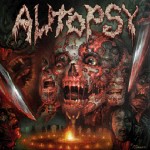
Autopsy – The Headless Ritual
Autopsy are famous for their contributions to death metal which notably peaked in Mental Funeral where their chaotic tendencies got wrapped up in their sense of atmosphere and produced a dark ambling journey into the subconscious. Of their later works, The Headless Ritual gets close to such a balance although it aims for something more everyday. This is an album that wants to deliver classic death metal thrills, and it does so with moderately paced songs that balance melody and savage chromatic riffing. Chris Reifert’s drumming pirouttes and grapples through vicious tempo changes as riffs unlock a Lament Configuration that is equal parts nostalgia and invention.
Birth A.D. – I Blame You
What happened to real thrash, like DRI and Cryptic Slaughter? In much the same vein as hardcore punk before it, thrash was so intense that it burned out after only four years of real presence. Birth A.D. wisely choose not to “bring it back” but rather to pick up as if thrash were a party and the next day, the hung over participants awaken among the ruins. They’ve sharpened its message, which merged the anarchy of punk with the search for societal purpose of metal, and given its riffs the S.O.D. speed metal infusion without unduly modernizing them. As a result, these two-minute songs hit hard and retreat into the jungle, leaving behind their sardonic lyrics mocking society for being so stupid. When the record stops playing, there is a sense of both having received too much information to process, and a sadness that there isn’t more. See full review.
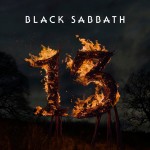
Black Sabbath – 13
Realizing what Black Sabbath meant to fans not just as a named entity but as a phenomenon, Black Sabbath integrate the sounds of vocalist Ozzy Osbourne’s solo years into their later, more refined music, with citations to Master of Reality as well. The result is a powerful album that is more pop than their original works but, in a time when nu-metal rages on the radio, reclaims heavy metal as having a voice of its own. It also pushes controversy, affirming a presence of God in this world for good or ill at a time when most people want to get polemic one way or the other. A supporting cast of sprawling but hard-hitting songs make this a great immersive lesson and transition from regular rock to metal for new listeners. See full review.
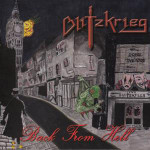
Blitzkrieg – Back From Hell
This band shares members with Satan, who also re-entered the fray with an album of strong tunes. Like Satan, Blitzkrieg know how to simultaneously avoid “changing” for change’s sake (inevitably a lateral move to other contemporarily popular genres) and nostalgia for nostalgia’s sake, making instead an album that fits into their catalogue but doesn’t deny the older, wiser status of its members. These are mostly straightforward songs with melodic choruses and driving, riff-centric verses, plus nimble-fingered and harmonically-aggressive soloing. See full review.
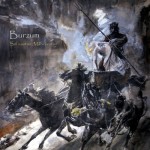
Burzum – Sôl Austan, Mâni Vestan
People said they wanted old Burzum back. The spirit of old Burzum comes back in this ambient album. It’s a bit more hasty and less refined by fanatical attention to detail than his previous works, but it creates the same world, only zoomed forward in time. It is both a practical and imaginative album. In style, it resembles a cross between Tangerine Dream, William Orbit and the Scandinavian folk music of Grieg, Hedningarna or Wardruna. Strongly ritualized, it unfolds like a descent through mythical worlds and finds its own balance. One of the best offerings in this field. See full review / interview.
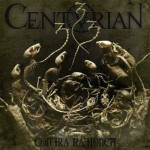
Centurian – Contra Rationem
For years many of us have wanted this Dutch band to catch a break. They have written several albums of relentlessly pounding, rhythmically intense riffing that somehow doesn’t add up. First, writing the whole album at high speed means that soon it backgrounds itself; second, there was always a lack of melody or song structure to hold it together. Centurian have improved on the latter two and toned down the former to a great degree, such that this is no longer trying to be Krisiun but more like a more Angelcorpse/Fallen Christ approach to Consuming Impulse. The result showcases this band’s dexterity with riffcraft and creates an intense atmosphere of violence. See full review.
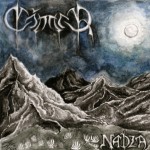
Cóndor – Nadia
This entry album by a new band shows a lot of promise in tackling the power metal format and trying to give it the balls of death metal and funeral doom metal. This contemplative, mostly mid-paced album shows a sense of atmosphere as manipulated by riff, in the death metal sense, given a somewhat upward curve and heroic spin in the best tradition of power metal. Although it’s a new act, and still organizing itself, Cóndor shows that life remains in true metal that can be explored by revisiting its motivations. See full review / interview.
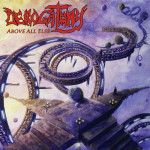
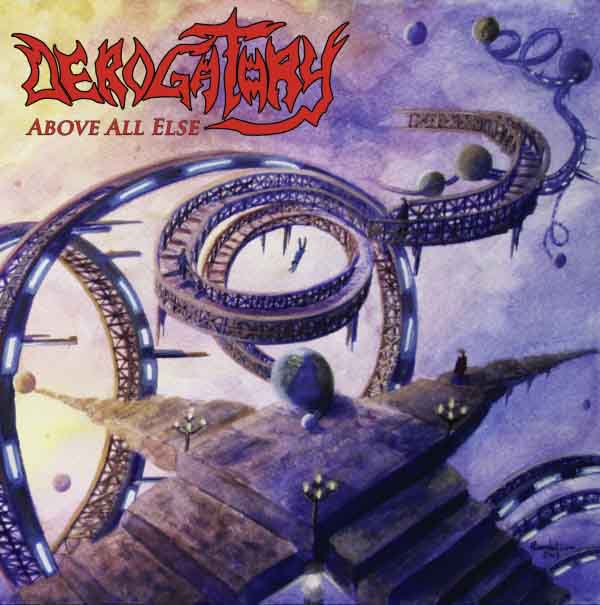
Derogatory – Above All Else
In the tradition of Vader, Mortuary and other fast phrasal death metal bands, Derogatory invoke the classic death metal form with an album of nicely interlocking riffs that reveal a basic but distinctive structure beneath each song. This album is not self-consciously “retro” so much as it is using the voice of the older style, and while it doesn’t expand stylistically, it has found a voice of its own. See full review/interview.
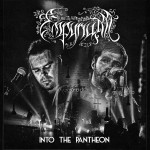
Empyrium – Into the Pantheon
Combining funeral doom metal with European folk music creates for Empyrium a fertile style that is showcased here in a retrospective of the best of their career presented in a rare live setting. Expect plenty of use of silence and resonance to build up these songs, which start slowly and then become engaging before evaporating into more esoteric conclusions. While most funeral doom aims to be dark, Empyrium creates an emotional contrast like a Gothic band, with beauty arising from chaos only to be strangled by inevitability and fall again. See full review / interview.
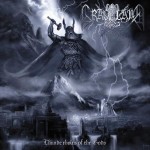
Graveland – Thunderbolts of the Gods
Following up on 2012’s Lord Wind release, Polish/Italian artist Rob Darken unleashes a new work under his black metal brand Graveland. Like the band’s second career-defining Memory and Destiny, this release features Bathory Hammerheart-style guitars which mix speed metal and black metal to produce rhythmic riffing as a backdrop for keyboards and vocals, now featuring also human female vocals and violin. The result is a collision between heavy metal, neofolk and epic movie soundtracks that evokes the glory of the ancient past.
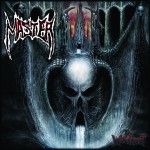
Master – The Witchhunt
Paul Speckmann is a metal institution who has stayed with death metal from its genesis in the early 1980s through the presence. His latest, The Witchhunt, showcases the stable lineup he has used for recent releases but tones down the overall intensity to focus on songwriting. Fast riffs blend together with touches of melody and the classic Speckmann vocal patterns which resemble the struggles of daily life turned up to eleven. Where previous Master works of recent vintage tended to blend together, on this one each song is distinct. See full review / interview.
Profanatica – Thy Kingdom Cum
Taking a hint from Necrovore and intensifying it through technical prowess, Profanatica step back from the longer melodic riffs of Profanatitas de Domonatia and instead write short, cyclic phrases within compact rhythms in the style of the ancient Texas death metal cult. The result is like a primitive album with complexity embedded in it as melodies expand within fixed riff forms, uniting savagery and beauty in the service of blasphemy. As with all Profanatica works, this is experimental to the extreme, but Thy Kingdom Cum ranks among their most listenable releases. See full review /interview.
Rudra – RTA
The Singaporean maniacs return with an album that uses more traditional melodic death metal riffing but retains its rhythmic structure based on speed metal and possibly the Hindu rituals described in its lyrics. As with most Rudra releases, RTA does not aim for the pop song idea of hitting a sweet spot and luring in your ears. It is the construction of an experience, in this case a dark descent that forges a resolve to continue through warfare and a martial stilling of the reckless personality through militant silence of the soul.
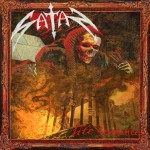
Satan – Life Sentence
The rougher edge of NWOBHM that was a kissing cousin to speed metal emerges again in this highly musical album from Satan. Like their groundbreaking early 1980s works which presaged the debut of Metallica and birth of speed metal, Life Sentence features inventive riffs in classic song format in which melodic development in the vocals harmonizes riffs to bring songs to a conclusion. Shy of speed metal mostly because it relies on relatively fixed song format which emphasizes verse-chorus riff pairs, this album nonetheless reveals both the greatness of NWOBHM and its continuing relevance in a time of tuneless songs and random song structure. See full review / interview.
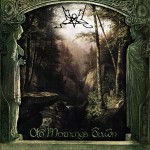
Summoning – Old Mornings Dawn
After black metal fully constituted itself in the early 1990s in Scandinavia, people looked for the next development along these lines. Some went to dark ambient, but others like Summoning and Graveland instead explored longer melodies and more drawn-out, atmospheric songs. Summoning take a medieval and Tolkien-inspired approach in contrast to the more martial outlook of other bands, and produce as a result immersive waves of melody that evoke a more organic society. With Old Mornings Dawn, these Austrian metal maniacs build on the emotion of Oath Bound but exploit it in more compact and separable songs, making one of the more intense metal statements of the year. See full review.
Von – Dark Gods, Seven Billion Slaves
Following up on Von’s early career material like Satanic Blood is not easy; in fact, it’s impossible. A band would either have to re-create that minimalist style and risk irrelevance, or embark on a campaign to dress it up as something it is not. Von has opted for something else entirely which is to create a minimalistic core within a rock opera style of black metal, producing one of the more puzzling but satisfying releases in the underground metal world this year. See full review.
Wardruna – Runaljod – Yggdrasil
Combining folk music, world music, droning found noises and the type of ritualistic dark ambient that emerged from the end days of black metal, Wardruna is a black metal side project that offers a different vision of music. While earlier works seemed detached from the end listener, Runaljod – Yggdrasil embeds the listener within a wave of ceremonial sound that aims not to be forebrain listening as Western rock is, but a mentally ambient experience that overwhelms by addressing all of the senses and channeling that experience toward a realization.
War Master – Blood Dawn
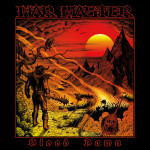
Underground death metal continuation act War Master released a four-track EP, Blood Dawn, amidst personnel changes and other upheavals this year. Like the previous Pyramid of the Necropolis, Blood Dawn focuses on futuristic and yet ancient concepts, almost like Voivod taking on Robert E. Howard or Edgar Rice Burroughs. From this vast concept come songs that both grind their way to nihilism and implement the death metal method of matching riffs into an internal dialogue from which a conclusion emerges, creating a pocket of mystery which is filled with wonder and violence.
Album of the year:
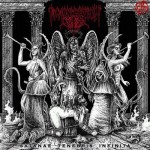
Imprecation – Satanae Tenebris Infinita
There is no completely fair way to pick an album of the year from a list with this many strong contenders, but Imprecation win this one on both substance and situation. For substance, this is a solid album that combines a black metal sense of ritualistic song development with the death metal tendency to make abstract riffs into an organic whole. For situation, Satanae Tenebris Infinita sees a band that started in 1991 and is famous for releasing its discography of demos in 1995 finally reach a stage where it can release a full-length album independent of any past influences. In addition, Satanae Tenebris Infinita hits hard and does not relent. Each element serves a purpose toward creating a transition in moods, like a perpetual parallax as continents shift. If death metal was waiting for a direction forward, Imprecation have opened that gate to a new occult science and art of subversive metal. See full review / interview.
The following were considered, and then not so much considered:
Morbosidad – Muerte De Cristo En Golgota. This is like Krisiun or Impiety rendered in the style of Mystifier, or like any of the war metal bands that imitated Blasphemy but with a dose of downtuned Sarcofago. It’s not bad, but aside from high intensity rhythm, it doesn’t have much to offer. Thus think of it as Satanic death techno performed on muddy guitars.
Fates Warning – Darkness in a Different Light. Bands: don’t try to roll with the trends. You were good at something else for a reason. This album has strong smary indie rock influences on its vocals and the result is embarrassing to be caught listening to. Riffs are reasonable, but don’t particularly develop, and emphasize space and consistency more than something with a personality.
Grave Upheaval – Untitled. Not bad; mostly rumbling noises, very true to form. Unfortunately, also doesn’t go anywhere. It’s an atmosphere piece of one dimension.
Warlord – The Holy Empire. Some sort of rock-metal hybrid from back in the day, this form of power metal uses mostly lead riffing anchored by static open chording. The dominant instrument is the voice, more like Rush or Asia than most metal. It’s pleasant but lullabye and too close to rock music.
Hell – Curse and Chapter. Do you know how far I would have run to get away from this back in the 1980s? It’s NWOBHM/early power metal without much melodic movement in the riff, so there’s a lot of chugging and shifting but not much actual motion. Nor will you have much actual motion as you listen to this… in fact, you might find yourself immobile and snoring.
Battlecross – War of Will. This is traditional metal affected by metalcore aesthetics. The vocals follow the surge pattern of later hardcore, and the melodic riffs use rhythmic “chasing” to accelerate patterns older than Chuck Berry. The result is so distracting the band can’t compose a song, but instead write a riff pair and then leap into a blast beat to transition.
Enforcer – Death by Fire. Here we have another band from Scandinavia creating highly musically-literate, catchy and otherwise perfect music. The problems are twofold: (1) it is a clone of 1970s styles that are liked for their innocent pop cheeze (2) while it is emotive, and aesthetically appealing, it is also empty.
Queensryche – Queensryche. Since the band went legal on each other, there’s now two Queensryches… this one sounds like Coldplay. The same posi-pop vibe and expansive chorus feel drives this work, and it has a similar outlook on the world, which is a sort of pathological compulsion to make things beautiful instead of finding beauty where it is rare. Unsettling.
Leprous – Coal. If this Queen-slash-bad-indie band gets anywhere in metal, it’s time to bury the genre under warm ruminant feces. Power metal mixed with dramatic English pop. The result is bracingly twee with metal riffs batting about in the background.
Iggy and the Stooges – Ready to Die. Almost all reviews of this album will waffle, because it is good, but it’s not distinctive. It all kind of flows together, as if the band paid more attention to the aesthetics of sounding like themselves than whatever’s driving them. But how do you “be punk” when you have a paid up retirement plan and health insurance?
Abyssal – Novit Enim Dominus Qui Sunt Eius. This was the hip thing for a few weeks, but shows you that you cannot revive a genre by imitating it through outward form. These songs use all the right pieces, but in a random order, and thus create no mood except nostalgia. And I piss on nostalgia’s grave.
Tyrant’s Blood – Into the Kingdom of Graves. Great title, has a Blasphemy ex-member, can’t go wrong… right? There’s a lot to like about this, but it doesn’t hold together. It embraces the “hotel buffet” style of offering many different riff types in a single song that ends up distorting any coherence. Storming Perdition Temple-style fast metal explodes into melodic mid-paced riffs and then ends up chugging deathgrind, lost and adrift on the seas of making a point.
Cultes des Ghoules – Henbane. It’s ludicrous that so many in the underground were fooled by this comical album. It’s a lot of bad heavy metal riffs interrupted by “avantgarde” noise, samples, etc. — the usual cliches — so that you don’t notice it’s bog-standard. This is hipster incarnate.
Acerus – The Unreachable Salvation. Galloping uptempo yet mid-paced heavy metal with a lot of Iron Maiden and Mercyful Fate. Not bad, but not particularly expansive to anything more than that aesthetic role.
Aosoth – IV: Arrow in Heart. This album, like Immolation, got credit because people expected it should. Its strong point is listenable songs with some technicality; its weakness is that they express nothing strong. It is Participation with an A+ for method and a B- for content.
Sodom – Epitome of Torture. This rather sentimental, somewhat modern-metal influenced take on a speed metal album is very catchy and represents Sodom’s most professional work, but also loses the unique perspective this band offered on the world around it. This is more like the heavy metal albums of their youths, heavy on emotion which makes their repetitive, chorus-heavy approach almost too saccharine.
Grave Miasma – Odori Sepulcorum. I have wallpaper. It’s named “It’s 1991 again and you can rediscover things you believed in once again.” It sounds like a mishmash of 1990s era death metal and yet, because it’s wallpaper, it never comes to a point. It just creates an atmosphere.
Týr – Valkyrja. Power metal of the newer stype seems to me it has a mystery ingredient, and that is devotional music. This sounds like church music, with sweeping choruses and whole-note cadences, and it has an admitted power, but it also loses much of what makes metal powerful: it’s not protest music, nor is it music that tries to cover ugliness with beauty, but music that finds beauty in what is considered ugly.
Onslaught – VI. Eager to effect a return to the music business, Onslaught speed up their punk/metal hybrid but adopt the vocal styles and constant driving mechanical rhythm of modern metal. The result is unrelenting but also disconnected and monolithic. The catchy choruses don’t help and seem almost to mock the rest of the music, which sounds like a pilotless threshing machine gone amok in a pumpkin patch…
Death Angel – The Dream Calls for Blood. In the 1980s, speed metal bands had a certain annoying rhythm where they tried to be as obnoxiously bouncy as possible while ranting as intensely as possible. With modern metal much of the internal rhythmic interplay has been eliminated, resulting in something that sounds like chanting Stalinist propaganda with guitars strobing in the background.
Bölzer – Aura. Like Oranssi Pazuzu, Bölzer experiment in disorganized slowed black/death/heavy metal with mixed-in weirdo alternative rock. Weirdo alternative rock has existed since early rock bands made a name for themselves by being odd. The problem is that it doesn’t connect to form an impression, only a sense of instrumentalism.
Coffins – The Fleshland. Doom-death with some quality riffing, Coffins nonetheless manage to inevitably get lost in each of their songs and fill the void with noodly pentatonic leads, distracted tributaries of non-essential riffs, and “atmospheric” repetition.
Metal Church – Generation Nothing. This shrill metal band has always struck me as more in the heavy metal camp than speed metal camp, and here it’s borne out. The riffs don’t have form like speed metal riffs do but are mostly static based on rhythmic repetition. Focus is on the voice, which wails. Not bad but annoying and kind of empty. Also, older guys trying to bond with the new generation is awkward when done this way.
Malthusian – MMXIII. Like many sonic experiments, this band relies on style to shape content because style is the substance of the experiment. The idea here is to combine the Incantation-clone death metal that is trendy with melodic progressive touches, including some sneakster modern metal influences. The result loses what could have been and fails to transition to what it wants to be.
Stratovarius – Nemesis. When did this band get so bad? The first track sounds like a rip of Heart’s “On My Own,” and the rest of the album proceeds in this fashion: combine classic metal riff archetype with classic 1980s vocal melody, add some flourishes and hope it’s good enough. I liked it better when this band was more speed metally and less pop.
Derogatory returns to the oldest form of death metal which is the fast and muscular rushing tremolo-picked phrasal riffs that Slayer, Morbid Angel, Massacra, Mortuary and Sepultura made famous. Much like those earlier acts, Derogatory creates a rhythmically compelling work in Above All Else that adds depth through the contrast in riff phrase and the sensations those evoke.
The most reasonable comparison for this album would be the debut works from Mortuary and Vader, both of which utilized this style in a method that kept a rhythm rolling throughout despite numerous tempo changes. Derogatory have sensibly avoided much of the stop-start rhythm that made later death metal bands unable to keep a steady stream of riffs with consistent intensity and instead of using abrupt pauses, keep riffs flowing into one another like a transfer of momentum between wrestlers. Spidery erratic lead guitars complement this with an otherworldly sense much like the leads on early Incantation.
Above All Else provides the essential power of death metal through a feast of riffs that combine like DNA in a primordial pond spawning life. Context expands, meanings connect, and songs emerge from chaos. While this is a simpler version than many riff salad bands, it displays technical prowess and an adept sense of what makes a great metal song. Individual performances are strong but vocals and drums could be more aggressive about distinguishing themselves across the span of each song. While this is an older style, it breathes new life through Above All Else.
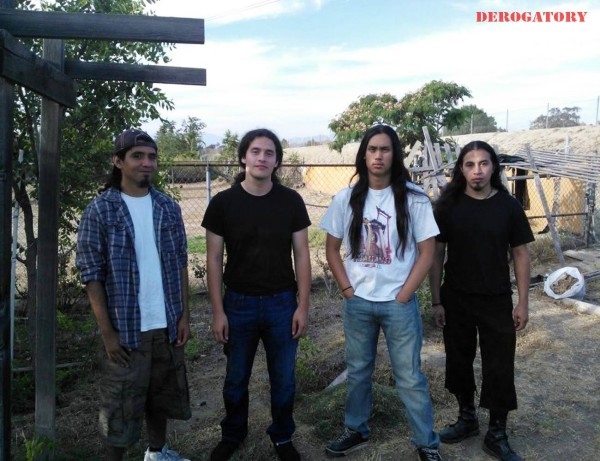
We were fortunate to get in a few words with Christian Ordonez of Derogatory about the band’s past, motivation and future.
What’s the concept behind Above All Else?
The concept of Above All Else is explaining how people always long for more than what they have. Whether it be power or self satisfaction, people are always trying to obtain more from what they already know. The entire album is not based off this topic but its one of the subjects spoken of more than once on the album; other subjects include reality, space, and life
When did you as individuals get into metal, and what was that album that compelled each of you to decide to be full-time metalheads? (Or are you?)
Chuck Schuldiner and Luc Lemay inspired me (Christian Ordonez) to pick up the guitar and just try to write something decent, and three out of the four members go to school as well, but I am sure we would all love to be metalheads full-time.
What style of music is Above All Else? Does it reflect your influences? What were you listening to while you composed and recorded this album, and what inspired it?
I believe Above All Else is a straight-out death metal album. All the bands I was listening to at the time do show somewhat of a reflection in the album; a few of the bands I was listening to at the time are Morbid Angel, Cynic, Death, Gorguts, and Disincarnate. After writing a few of the songs i was inspired to release a CD and share my music with everyone.
Do you have influences and inspiration beyond music, like famous historical characters, novels or plays, TV shows or movies, forces of nature, metaphysics and religion?
The only influences I have are those of various musicians I favor. Music has always been a huge part of my life and there is really nothing else that motivates me or drives me more then great music.
Can you tell us how the band was formed, and your history to this time? How do you think this will change with Above All Else being released?
I started the band back in late 2011. I had some material and we worked off of that and in the months to come I continued to write more music for the band exploring different lyrical topics and trying to create a different sound for metal. I believe that with Above All Else being released Derogatory will prepare for the second album to be something more than what Above All Else is. Nonetheless I feel like releasing this album has matured us as a band and shows us our strengths and weaknesses and what we can improve on.
Is death metal dead? Do you think the old school styles are returning, or departing?
Metal will never die, especially death metal the genre is making a huge comeback there are bands left and right that play different styles of death metal. I think the old school sound has been popping up a little more but I prefer technical death metal just because of the musicianship. Anyone can be old school; for me its about breaking away from that, which we plan to do for the second release.
Can you tell us about these songs, and when they were written — were they composed as a batch for the album, or have you been saving up material? How did you record this album, and what aspect of its production are you most proud of?
I wrote all the music and lyrics and they were all written pretty quickly. Each song holds its own meaning with different subjects for each track. We did the recording ourselves: our lead guitarist did the sound engineering end of things and spent countless hours trying to obtain a great sound that captures the feel of the music. I’m very proud of the production for the album because we relied on no one but ourselves to record our debut
What’s next for Derogatory? Are you going to tour? If so, where do people see you? If not, how do they learn more about you?
We plan to tour and spread our music and continue expanding our sound and fanbase we hope to go overseas to Europe and support Above All Else!
Some years have passed since Emit was first featured in these pages, but the UK dark ambient/noise/black metal-influenced project returns in the coming year with the newest edition of its most recent work.
MM, the creator of Emit and Hammemit, took the time to answer a few of our questions. Not only is he an underground musician, but he is also a zine publisher, having produced three issues of the Anti-Art Manifesto zine during the later years of underground black metal.
Emit claims influence from a number of sources, including its constitutent genres of black metal, dark ambient, electro-acoustic music and noise. However, there are extra-musical influences as well, such as a rumored connection to the Order of Nine Angles and other mystical groups.
As metal seeks new influences and directions in which it can go without losing its essential metal-ness, it makes sense to observe how others are navigating paths through the chaos. Thus we are very proud to present an interview with MM of Emit/Hammemit.
So… Emit’s back. What made you decide to resurrect this project?
Typically, Emit resurrected itself because it began to irritatingly manifest unbidden within recording sessions for Hammemit. Rather than contaminate the pure spring waters of my youngest son with the angry attentions of the estranged eldest, something had to be done with it. They are of the same blood, but are of different temperaments. I now create music as Dr. Jekyll might.
What have you been doing in the intervening years between Emit’s cessation and resurrection? Do you view these as similar activities in spirit, even if not in sound?
Well, there is Hammemit. To inaccurately quote myself from an unpublished interview: in varying shades of subtly dark sound I have raised again to their former use and gestalt such structures of worship and diligent study as may currently be found ruined or in state of repair within a certain radius of my guitar, in spectral form. These existing in an ancient realm quite recently known as England that I understand from books and hearsay actually once existed and is become resurrect via such musics as mine own. It is the spirit of a dead realm I still sadly bear living memory to.
Of course they are similar in spirit as I speak with one voice, searching for the ultimate expression, faltering with words yet more fluent in music to express the mysteries I am bound to darkly perceive yet struggle to grasp since earliest memory.
What motivates you to make music? Is there a philosophy to your life?
The motivation is a sudden urgent and painful desire to attempt a capturing of the essence of mysterious elements of existence, because mere words fail me as already explained. Music fails me too, but comes closer to describing that experienced than any other medium I might think of using for such means.
My most fervent hope is to capture perfectly, like ancient insect in amber, this unexplainable inexplicable. I perhaps came closest to doing so with a Hammemit piece called “The Trod of the Darklie Faye,” but yet still remains so distant from the core of the thing.
If there is a philosophy to my life it would surely be the cause of many a smile in the Greek underworld, in the unlikely event they bothered to peer up from their dice games to take notice.
Your CD is coming out on Crucial Blast Records in 2014. Can you tell us what the new Emit will be like? What’s the title?
It has already been available on cassette from a label called Glorious North, originally a demo. However, such is its apparent accomplishment that it deserves releasing again with full album status, expanded tastefully where necessary (I mean no bonus tracks).
The title is not quite borrowed from a compendium of M.R. James short stories, Spectre Music of an Antiquary. The cover (for the CD) is a photographically recorded arrangement of what “might” be called necrotic artifacts, of varying degrees of relevance to the music in question. Items with history and spectres of their own tied to them. In any case, not just some accidental collection of random rubbish as can often be seen elsewhere on album covers belonging to profane Public House crawling musicians with time and nothing else to kill.
It is musically comprised of bio-mechanically haunted vignettes, with a subtle 1980s film soundtrack aftertaste.
How do you think the metal community has changed between the last Emit and the next?
My connection to and interaction with any kind of music community or movement was always minimal. This not being by choice and I sometimes in the past regretted that fact. However I realise now in the light of maturity I was happier that way. I remain a writer of letters (and emails), mostly to people I have known a long while. Most of these people, if not all, bear the same opinion as myself, namely that there is little that such a community can offer people like us and increasingly so. The majority of those comprising these communities have no spirit or panache and wish for acceptance.
What’s next for Emit, and for you as a musician, after this album? Tour? More recordings?
A tour is unlikely to say the least. But some more live examples should be made where possible. More recordings are not out of the question, but only if there be a violent urge to do so. I never record anything for the sake of making a “new” recording. Especially as everything I have ever committed to tape (or .WAV file nowadays) has already been given birth in some form or other many hundred years previous. Even if it took the shape of a church or priest hole rather than unpopular song.
Back in the hazy days of the 1990s, when society was so innocent it thought it could overcome its problems with better television, Tiamat showed up on the radar screens in a big way.
Basically staying away from bands of its nature, which struck me as more of older styles of metal than death metal, I never fully investigated the band until Clouds. My response was to withdraw in horror. Not only did Tiamat exude older metal, it also exuded rock, specifically the sensitive man alternative college radio kind!
However, I was alone in this opinion. Others praised Tiamat and said it was the future of death metal; this opinion seemed to be very popular at the time. People told me I just didn’t get its evil aura, and were incensed that I found the band laughable. This was the true Swedish metal, I was told, not the washed-out stuff like Entombed.
I was a false, in other words, and I should not have entried.
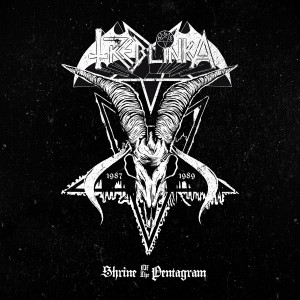
That copy of Clouds I ditched in the radio station office and left it to the ravages of time. It may still be there. Tiamat dropped off the radar a half-decade later. I never understood why I didn’t like this band until now, having heard Shine of the Pentagram.
I’ll get the blasphemies out of the way: this band is in many ways a prototype for Opeth. Where most Swedish death metal got its strength from hardcore roots, or deep metal roots, Opeth and Tiamat (originally called Treblinka, an innocent usage that was later changed to respect the victims of that place) derived their worldview from rock music. Specifically, indie-rock sensitive-man music, which emphasizes dark and self-pitying moods that have a spirit of uplift in them. Sort of like someone trying to rationalize himself out of depression at the fact that his society and species are failing. Even more, the furthest both bands get into death metal is heavy metal, and the more they try to make it deathy, the worse it fails.
On the plus side, Shrine of the Pentagram shows Tiamat/Treblinka in their earliest state, when they were still producing music that was essentially NWOBHM with an indie-rock vibe as played by Grotesque or a band like them. These riffs and fills are straight out of the glory days of NWOBHM, and the chorus-emphatic songs reflect the stadium rock aspects of that genre. Even though Treblinka have doubled the strumming speed and kicked the drums into battle, this just isn’t death metal. The riffs are old school heavy metal and radio rock; the song pacing, more like a college station. And the moods? Sort of playful, sort of dark, but mostly, self-absorbed, which is the one thing death metal was not.
In other words, this is probably the best material from Treblinka (Tiamat) that you’re likely to ever hear. And it’s done well. The songs here are poppy and high-energy, and if a bit ego-focused at least do so in the inexpert way of teenagers. The musicianship is good, even if the band insists on breaking up songs with out of place percussion drops, blues parts, and melodic interludes that seem to lose momentum.
Production is excellent, all things considered. These originals must have been of horrible sound, and they’re cleared up expertly, such that you don’t notice how bad the originals must have been until there’s one sound like a simultaneous backstage shout and snare hit that shows how much chaos was cleared away. The demos and live material complement each other, showing the growth of the band. Packaging also promises to be really excellent.
Especially if you get the 5-LP version, as opposed to the 3-CD “abridged” version, it’s imperative that you like the dozen songs represented here. Because you’re going to hear them a lot. There are five LPs, and a dozen (or so) songs, which means near constant repetition. Even more, you will hear them in a half-dozen flavors of demo, live, studio instrumental and other visions of the same material.
I had hoped to rediscover a lost treasure here, and I’m sad to say I haven’t. Tiamat has three problems: (1) it’s rock music, not metal (2) while it’s fun, it isn’t particularly repeat-listenable and (3) it misses out on the metal mood and goes to a bad place instead. However, I can’t fault this set for getting to the core of the situation and producing a high quality product for those who love this band. And maybe, I’m just a false and should not entry.
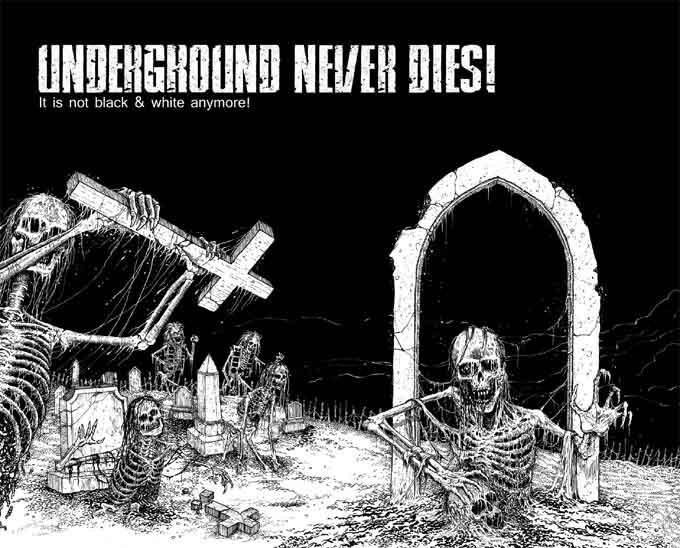
Underground Never Dies! fills a void in the literature about metal so far, which is the “why” behind the underground. We know the facts from other sources, but facts are deceiving because they take on a life of their own. Underground Never Dies! knits the facts together with a narrative of the reasons people expressed for joining the underground.
Angling toward its topic matter from a zine-based perspective, Underground Never Dies! describes the informal network of fans, bands, labels and writers who stayed connected through postal mail and xeroxed 50-page fanzines. This substituted for the huge media network and financial power of the major labels, who soon found themselves wishing they had an underground also.
The reason for this is that, as any advertiser can tell you, the most effective force in marketing is word of mouth. It takes ten TV ads about how awesome Altars of Madness is to be equal — possibly — to one friend telling you about “the most intense album ever.” Zines were a personal connection by people who threw out the false objectivity of mainstream media, and instead focused on presenting what they found meaningful.
Underground Never Dies! unites several threads while explaining this phenomenon. On one hand, this book is an incredible treasure trove of images and words from the past, reproduced exactly as they appeared in the original zines, flyers and letters. Looking more deeply, it’s an exploration of what it means to have the underground mentality through the words of those who participated and distinguished themselves, including luminaries like Fenriz of Darkthrone and musicians from At the Gates.
What makes this book exceptional is that it takes the same approach a zine would, which makes sense seeing how the author Andrés Padilla is editor of Chilean zine Grinder Magazine. Using his practiced approach, he goes for a metal version of Hunter S. Thompson’s “gonzo journalism” and discards the pretense of objectivity, instead looking at the scene as a personal experience with shared objective components between a select group who actually did notable things back in the day.
Parts of this book will take your breath away as you realize you are looking at historical objects reproduced as if in a museum, and that these objects represent the time and place where movements that are with us to this day were launched. From demo covers of bands that were later genre-defining to classic interviews where bands explained their motivation, even extending to lost promotional photos of bands 30 years ago, Underground Never Dies! is like an inverted periscope into the deep and murky world of underground extreme metal.
What makes this book more than a souvenir is its intense exploration of the why, however. Personal statements from notable scene personalities, including Alan Moses of Glorious Times fame, as well as clear articulations from zines in the day about what motivated the participants, line these pages and show us how the underground wasn’t just a musical movement, but a social movement, if not a separate society entirely.
The first 500 copies of the book come with a LP recording of unreleased classic metal tracks from back in the day. You can peruse the tracklist here, or listen to the live soundstream that follows this article. The CD/LP will be sold separately in addition to the book, but it’s hard to imagine wanting one without the other since both are essentially archives of rare information.
In 1984, the unholy triad of underground metal were born: Bathory, Hellhammer and Slayer laid out a formula that, taken together, would create the basis for all of the extreme metal genres to follow.
With first album Bathory, mastermind Quorthon and an ever-shifting cast of musicians took the lead in creating fast and chaotic music that nonetheless exhibited structure and a sense of Wagnerian melodic evolution. In early Bathory, thrashing riffs gave rise to a sense of order, instead of a flat timeline of circular repetition like the (at that time) bad speed metal imitators.
Many point to Under the Sign of the Black Mark, but others of us point to The Return as a clear departure point. A cynic could have written off the first Bathory album as imitation of Slayer and Venom, although it’s not clear Quorthon had heard Venom at the time, but with the second, it was clear a new genre was born. Quorthon then spent the next dozen years trying to re-interpret that genre so that he could make sense of the vast lead he’d taken over others.
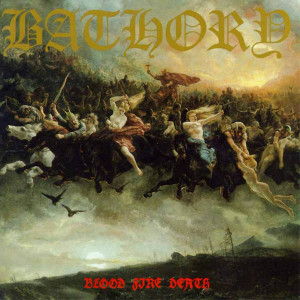
Where Under the Sign of the Black Mark showed a more structured approach to songwriting in a mid-tempo, organized style that used the aesthetics of The Return but aimed for more easily grasped songs, the fourth Bathory album used Quorthon’s improved musical abilities to expand the black metal vocabulary to include the genres before it. Blood Fire Death incorporated speed metal influences, and with them, imported heavy metal and NWOBHM motifs. However, it did so without losing the underground metal-ness of the record.
As a result, Blood Fire Death served as a bridge between the past and future of metal. Its fast and ripping songs combined the power of Slayer and the technical guitar virtuosity of bands like Metallica and Judas Priest with the style of songwriting exhibited on The Return, where songwriting was not just rotational verse-chorus material in which the end result was the same as the beginning, but a type of narrative where the major themes arose from seemingly disordered and chaotic lesser motifs.
In addition, Bathory’s finest hour on Blood Fire Death was its Wagnerian sense of drama. Every moment of the album breathes with a sense of epic purpose, from a slow organic arising to its febrile and aggressive warlike thrashing, to a gradual sort of data into epic tracks which combined acoustic guitar with a sense of purpose and meaning returning to a modern wasteland. Thematically, it developed riffs that echoed its concepts, which were a fusion of the mythological occultism of Slayer with the Nordicism of Wagner or Nietzsche. This created a worldview in which the Christian, modern and commercial were tied together as the needs of a mindless crowd, and a naturalistic, organic and Romantic side of life was brought forth as an alternative.
25 years later we mark the anniversary of this album in the current month, but its influence is hard to track since so many have absorbed its meaning and borrowed plentifully from it. Bathory’s finest hour perhaps occurred on Blood Fire Death, but this is in the context of a discography that is one of metal history’s nodal points in which must of the past is summarized and taken to the next level. For that reason, it’s essential to appreciate this album out of context before returning it to its place within the legend and pantheon of metal.
At some point, every artist must ask themselves who their audience is. For some, it’s the inexperienced. Cursed 13 would be OK as your first metal band, the one you listen to and swear is really cool and then you get distracted by something like a fishing trip and when you come back you just forget to listen to it ever again. This is metalcore: it uses late hardcore pacing, emphasizes the vocalist as the individual listener, keeps a groove to its riffs and uses them as contrast rather than motifs. No narrative evolves from this. It’s verse-chorus in the minor key bittersweet sounds of indie rock, but with death metal vocals and heavy distortion. Why not just be a shoegaze band instead? That way, at least you’d be aesthetically pleasant. As it is, this is just boring.
Vasaeleth – Crypt Born & Tethered to Ruin
Marshal McLuhan said that in our postmodern time, the medium is the message. To a large degree that’s true, and sometimes you just want old school death metal to blast at the neighbors to fly the flag of an eternal truth discovered with particular insight during the underground days. However, Vasaeleth is something boring. They rely on very primitive riffs in very predictable ways, which doesn’t create the awesome assault of randomness or idiosyncrasy that many old school bands fostered, but instead a sense of plodding. We know, for example, that a riff designed to emulate old Demoncy and Incantation will cycle between two chords, and Vasaeleth have picked two a third or a fifth apart, and beyond that the riff is essentially an extended chromatic fill. Because it is so focused on upholding the past, it loses much of the ability to use that chromatic fill toward a phrasal end, so we hear the thudding drums alternating between two chords with some guitar stuff fuzzing around in-between. It’s a shame; I like this, and I’d like to really like it, but it’s getting filed with Mortician and Six Feet Under as too musically obvious to stand up to repeated listening.
Corrections House – Last City Zero
Everybody’s jumping on the doom metal bandwagon. The metalcore bandwagon popped a spoke, then the retro wagon hit a pothole and the stoner doom/sludge bandwagon got stopped by small town police. What’s left? Take the exact same watered-down 1980s-indie/1980s-late-hardcore mix and turn it into doom metal. Corrections House is basically rock with some doom riffs, a whole lot of Gothic atmosphere and an energetic punk vibe, but wrapped around the exact same songs they would have puked out as an indie-rock, alternative-rock, post-metal, etc. etc. all these genres are the same, etc. band. What they do well is make doomish metal catchy by letting the aforementioned Gothic elements ride over everything else. If you ever wondered with a Paradise Lost/Type O Negative crossover would sound like, here’s your answer.
Urna – Mors Principium Est
This is a band playing a psychedelic hybrid with funeral doom, using extensive variety of riffs within their songs, but shying away from the metal style of riffcraft for a more static style. This approach, like Djent or many Nile tracks, relies less on creating riff phrases than to use rhythm to chop up a few chords into an interesting texture. Here, the texture is less important than using the chords to sketch out a basic progression for harmonizing, and while many of these progressions are doomy most show some influence by indie rock and approximate a cross between Skepticism, My Bloody Valentine and Catherine Wheel. The result is sensitive and has depth, just as its riffs develop a theme, but it is ultimately not convincing beyond aesthetics and so will not stand out as a classic of this genre.
http://www.youtube.com/watch?v=F6nR2sFHRqQ
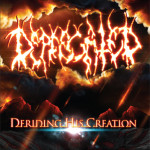
Deprecated – Deriding His Creation
If you want to talk about a band that brings out mixed emotions, Deprecated is it. Listen to my two-word assessment: excellent deathgrind. That means this is excellent, but also, that it’s deathgrind. You can’t have one without the other. Thus we have to talk about deathgrind. Death metal focuses on the relationship between riffs; deathgrind focuses on forcing the listener into a strict rhythmic pattern and making them expect the consistency of it so it can be fragment. It’s sort of like Stalinist propaganda; you’re supposed to chant “All Glory to Mother HypnoRussia!” until the officials in charge announce that something has gone wrong, at which point you must call for the blood of Emmanuel Goldstein or Julian Assange or whoever else is the official enemy that afternoon. The result is that deathgrind is excruciating at least for this music-reviewer to listen to. For one thing, all the neat interplay between riffs that changed the context of choruses is gone; instead, the verse builds up a rhythm and the chorus breaks it, then affirms it. And the rhythms are brutally basic, very familiar in that we could assign them to common tasks: chopping wood, loosening the transmission case, beating a recalcitrant child, etc. Add to that the detuned chromatic “first five” use of the fretboard, and the result sounds like listening to “America’s Best Landslides” on an old TV with blown speakers. It’s good, but I really hate this style and can’t get past that.
Axegrinder – Rise of the Serpent Men
I thoroughly enjoyed this release but, as with much of punk, wonder how often I would repeat listen. Axegrinder is like a cross between later Amebix and earlier Amebix, so it has the rawness of Arise! with the more comfortable song structures of Monolith. The best way to describe Rise of the Serpent Men is accommodating. It has all the aesthetic elements of crustcore that we’ve come to expect, uses very familiar chord progressions in slightly unusual ways, and has a good sense of rhythm. Each song is reasonable distinct and very listenable. The only challenge is whether that’s enough to get over the boredom valley.
Baptists – Bushcraft
Sounding very much like late-1980s hardcore with the precision techniques that came about in the 1990s, Bushcraft is a punk album that mixes raw riffs with quirky dissonant hooks and open chords. The result is a ranting tirade that ends in an ornament and thus sticks in your mind like a pop song, such that you don’t notice how much of this is three-chord riffs under ranting vocals. It’s well-executed but sounds like many other bands and despite the high degree of instrumentalism, doesn’t manage anything more compelling than hook.
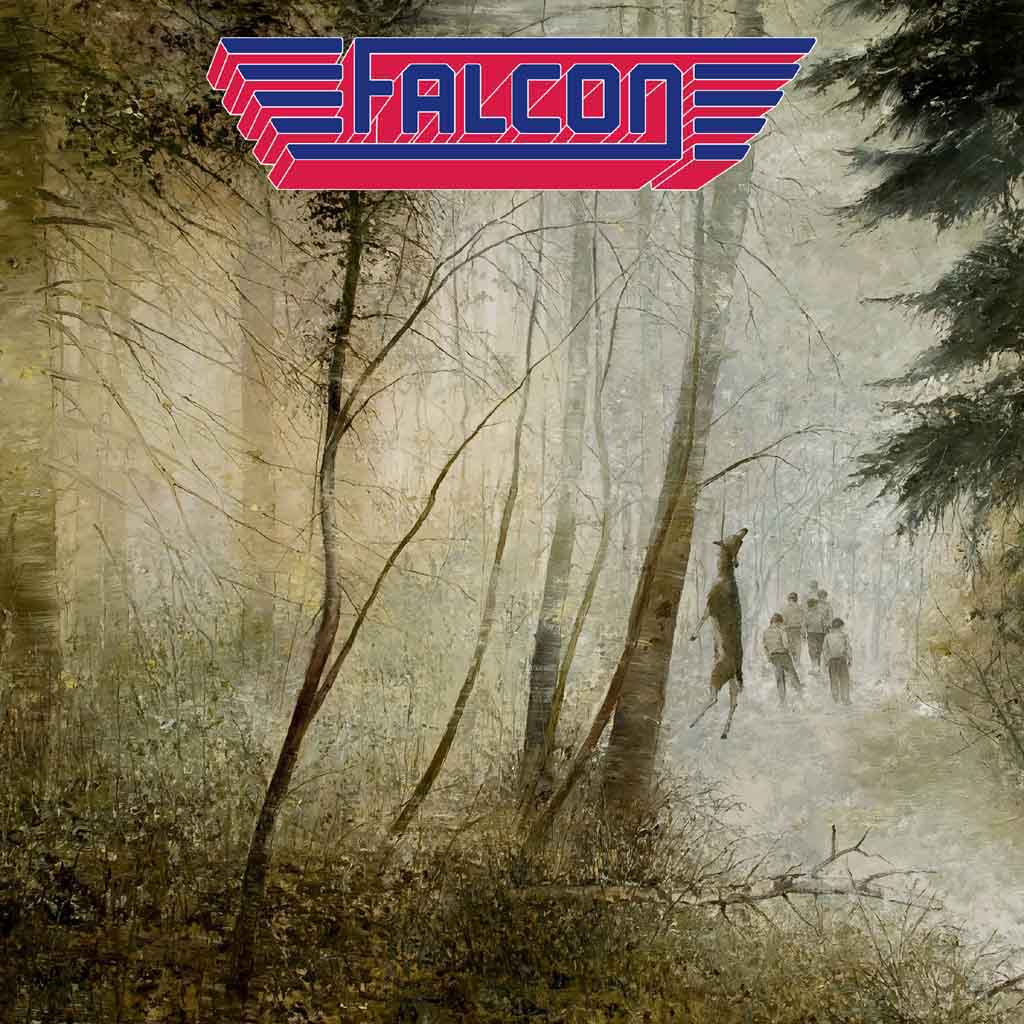
Falcon – Frontier
Whether ironic or not, this band is pure retro, combining 1970s progressive rock, hard rock, album-oriented-rock, soft rock and music you would hear at a skating rink. Falcon have no intent to make unique riffs, but rather to borrow riffs, rhythms and conventions and use them to cloak new songs which have more in common with the independent alternative rock of the early 2000s. They’re bittersweet, lost and melancholic songs, full of longing and insecurity with a vast backdrop of sadness at a civilization disintegration from within. If you have ever looked at younger people and spared them a moment of compassion for how lost in nostalgia and emotion they are, this music puts a soundtrack to that feeling. It also pumps out high-energy songs that are distinctive and highly listenable. The only thing that keeps me from listening to this again is that I hate the style, but it’s more competent than 99% of metal and far more musical.
Valgrind – Morning Will Come No More
How you approach a project determines much of the outcome. In this case, the band wanted to entertain, so they made songs with lots of variation, and sacrificed internal cohesion to that aesthetic ideal. The result is like riding a subway through a dream where it stops at random cities where people do random things, and at the end of the line, you remember nothing other than that it took some time. Valgrind have a number of tasty riffs, but inevitably they clown those by following up with chanty nu-core vocals, sweeping jingle-riffs, or comical absurdities of hard rock riffs taken to an extreme. You can appreciate any moment of this album, but when you add it up, it’s not something you want to hear again.
Empire of Rats – Empire of Rats
Did you ever wonder about the reason they had warning stickers telling you not to drink the rat poison, etching fluid or platen cleaner? That’s because some kids would chug it right on down without sniffing it first, or even wondering why anyone would drink something from a filthy bottle under the sink. The point of that factoid is that everyone needs different music. Empire of Rats is metalcore from the 1980s definition which means that it uses punk riffs with metal pacing and standoffish vocal rhythms in the style of Pantera or other hip-hop influenced bands. Thus what you have is good hardcore with the worst stylistic aspects of tough guy mainstream metal and punk. On numerous moments, I wanted to like this, but it wore me down through simple loudness and simple dumbness, much the way no amount of Fer-Dime’s candybag leads could sweeten up the fundamental skull-throbbing monotony of Pantera.
Technical metalcore band Oblivion unleash Called to Rise which offers technicality with more mood among all of the speed thrills that experienced musicians playing at top speed in a wide range of colors, textures and tempi can express.
Following in the steps of high-intensity blasters like Kataklysm and Cryptopsy, Called to Rise uses fast tempi with rapid-fingered riffs which either bat out a complex rhythmic texture of power chords or rip through a scale in a certain order, often alternating between hitting the beat on the nose and being encapsulated by it. The result is like a shifting plateau of sands and waters through which melody flickers like lightning.
In the modern technical metalcore method, Oblivion focus on great variety between riffs. A simple chug follows a silvery sweep like the dance of glare on the tips of small waves, then a bluesy lead dances over a trudging sludge progression; then, an augmented chord riff straight out of jazz-influenced AOR or funk graces a transition to fast picked single-string melodies. The result is like being driven through a museum of rock on a bumper boat, watching the sights and sounds change as you howl through different rooms.
While the essential composition is of this modern style, Oblivion includes several generations of metal. Heavy metal, speed metal, hard rock, and progressive metal feature prominently, as does classical music. First in the cover of Rachmaninoff’s “Canon in E Minor,” which is sensibly executed with strumming at top speed while note change sticks closer to the proportions of the original. Next, in a series of ambitious compositions including three pieces with string orchestra, some featuring musically unquantifiable sounds.
Where Called to Rise stays within the metal world, Oblivion is of the newer range of technical death metal which, in contrast to death metal, is composed in the late hardcore style that emphasizes contrast and exceptionalism, where death metal emphasizes contrast being part of a larger pattern in which logical parity is achieved leading to a larger context. That means the goal is for these riffs to clash, and then for another riff to take over, so that a cycling between different things is preserved.
Oblivion make this album interesting through its vast variety, and once it becomes clear to the audience that the point is a variety show instead of a penetrating observation of a limited set of musical tropes, Called to Rise can be enjoyed for the fusion of genres that it is. Its musicality and textural diversity should appeal to shredders and fans of modern technical and progressive metal alike, while its adrenaline pace of changing images carve out a place in contemporary music for a new extreme.